Why Preparation Is Critical Before Applying Ceramic Coating.
How proper surface preparation helps ceramic coating bond, look clear and perform as intended
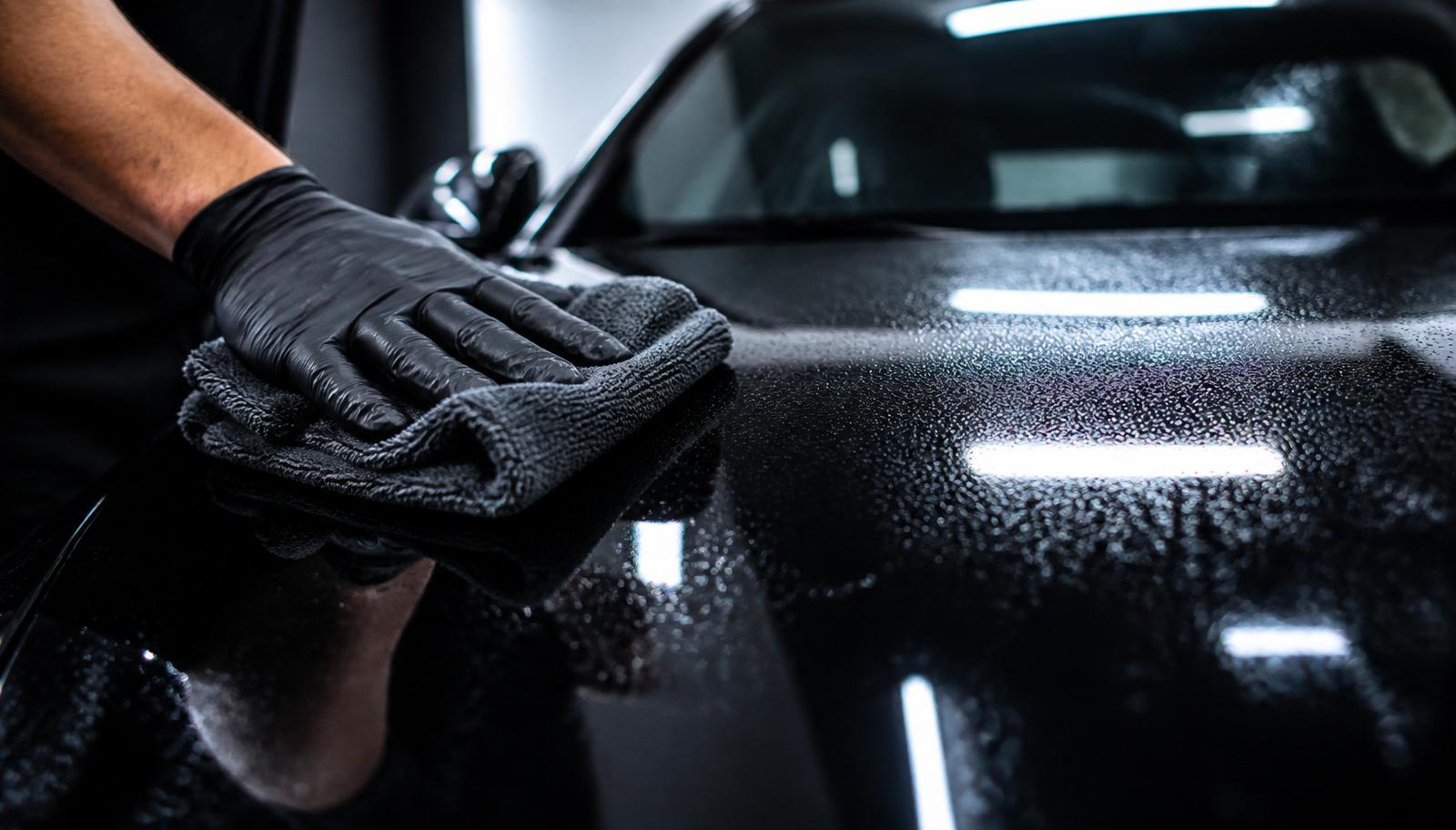
- Preparation determines how well a ceramic coating bonds.
- A normal wash is not enough before coating.
- Paint correction improves clarity before the coating is sealed in.
- Contamination and polishing oils can reduce coating performance.
- Inspection helps set the right preparation level.
Why Preparation Matters
Ceramic coating preparation is critical because a coating does not sit on your vehicle in the same way as wax or a quick sealant. It needs a clean, stable clear coat so it can bond evenly and cure as intended. If road film, mineral deposits, polishing oils or oxidation remain on the surface, the coating may attach to those instead of the paint.
That matters in Auckland conditions. UV exposure, salt air, motorway grime, rain spotting and hard water can all leave residue that is not removed by a normal wash. A coating may still make the paint look glossier for a short time, but poor preparation can reduce clarity, durability and water behaviour.
If you are still learning how coatings work, it is worth reading what ceramic coating is before choosing a service.
What Ceramic Coating Preparation Includes
Proper preparation is a controlled process, not a single step. The aim is to remove anything that may interfere with bonding and to refine the paint to an appropriate standard before the coating is applied.
| Preparation Stage | Purpose | Why It Matters |
|---|---|---|
| Safe wash | Removes loose dirt and traffic film | Reduces the chance of adding wash marks |
| Chemical decontamination | Breaks down iron fallout, tar and bonded grime | Clears contamination that shampoo cannot remove |
| Clay treatment where needed | Removes remaining bonded particles | Leaves the paint smoother, but must be used carefully |
| Paint inspection | Identifies swirls, stains and etching | Sets a realistic correction plan |
| Paint correction | Refines defects and improves clarity | Locks in a better finish beneath the coating |
| Panel wipe | Removes oils and polishing residue | Helps the coating bond to clean paint |
This process can vary depending on the age, use and storage of your vehicle. A new vehicle may still have transport film residue, dealership wash marks or bonded contaminants. An older vehicle may need more time spent on correction and stain removal.
Paint Correction Before Coating
Ceramic coating adds protection and gloss, but it does not remove swirl marks, sanding haze, water spot etching or oxidation. Once the coating cures, any visible defect left underneath is effectively sealed in until the coating is removed or polished back.
Paint correction is the stage that levels and refines the clear coat before coating. It may be a single-stage enhancement for light wash marring, or a more involved correction where deeper defects are present. The right level depends on your expectations, paint hardness and how much clear coat is safe to refine.
For a more detailed explanation, see what paint correction is and why paint correction before ceramic coating is often recommended.
Common Preparation Mistakes
The most common issue is assuming that a clean-looking vehicle is ready for coating. Paint can appear glossy under general lighting while still carrying contamination or fine defects that affect the result.
Common mistakes include:
- Applying coating after a basic wash only.
- Skipping iron and tar removal on daily-driven vehicles.
- Using clay aggressively and adding marring that is not polished out.
- Coating over water spots, bird dropping marks or tree sap staining.
- Leaving polishing oils on the panel before coating.
- Applying coating in uncontrolled temperature, humidity or lighting.
These issues can lead to uneven curing, patchy appearance, reduced hydrophobic behaviour or shorter service life. Careful preparation is less visible than the coating itself, but it is often the part that determines the final outcome.
Time And Cost Expectations
Preparation time depends on the condition of your vehicle. A well-maintained car may need light decontamination and a single-stage machine polish. A darker vehicle with wash marks, motorway grime and hard water spotting may require significantly more time.
As a realistic Auckland guide, a full detail may sit around $200-$600, paint correction commonly ranges from $600-$1800, and ceramic coating packages are often around $900-$3500 depending on vehicle size, correction level and coating system. These figures vary because the labour is in the preparation, not just the application.
When comparing ceramic coating options, ask what preparation is included. A lower price may reflect less correction, limited decontamination or a shorter inspection process. That may be suitable for some vehicles, but it should be clear before work begins.
Preparing Your Vehicle At Carfē
At Carfē, ceramic coating preparation starts with inspection at our Greenlane studio. We assess paint condition, contamination, previous polishing work and any areas that may need special attention, such as piano black trims, soft paint, aluminium trim or water spot staining.
We use professional detailing systems from brands such as Ceramic Pro, GTECHNIQ, Koch-Chemie and Rupes where appropriate, but the product choice is only part of the result. The method, lighting, surface cleanliness and curing environment are just as important.
If you are considering ceramic coating for your vehicle, a preparation-led approach will give you a clearer, more durable result. You can review our detailing and protection options through Carfē services, or speak with our Greenlane studio before deciding what level of preparation is right for your vehicle.
Frequently Asked Questions
Can ceramic coating be applied without paint correction?
Yes, but it is not always recommended. If the paint has swirls, water spots or oxidation, those defects may remain visible under the coating.
Is a new car ready for ceramic coating?
Not necessarily. New vehicles can still have transport residue, bonded contamination or wash marks from handling before delivery.
Why is panel wipe used before ceramic coating?
Panel wipe removes polishing oils and remaining residue from the paint. This helps the coating contact the clear coat directly.
How long does ceramic coating preparation take?
It depends on the vehicle condition and correction level. Some vehicles can be prepared in a day, while more involved correction and coating work may take longer.
Does preparation affect how long ceramic coating lasts?
Yes. A coating applied to a properly cleaned and refined surface is more likely to bond evenly and perform as intended over time.
Book a GTECHNIQ ceramic coating at Carfē Greenlane.
Multi-stage decontamination, machine correction and professional-grade coatings, installed under studio lighting by accredited technicians.
Related Reading
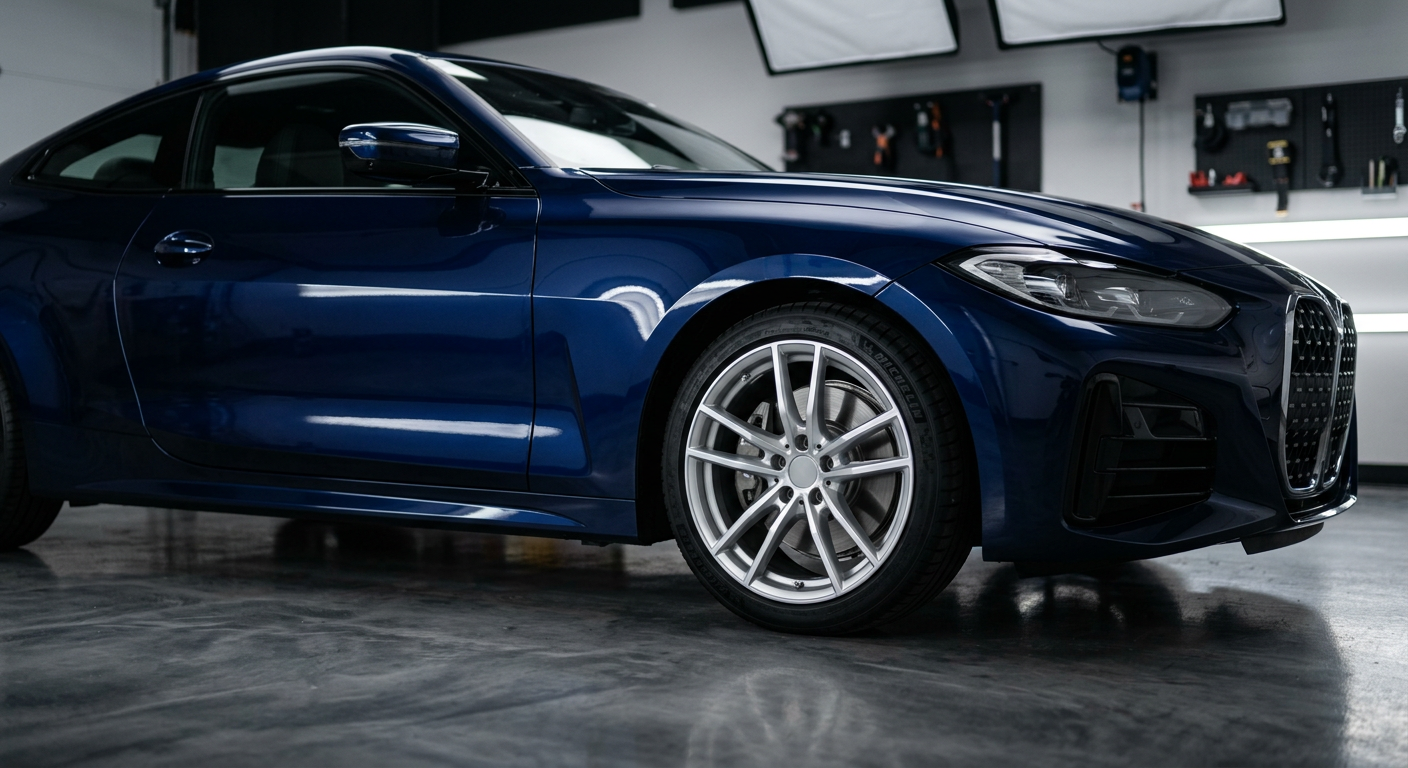
Does a New Car Need Ceramic Coating?
A new car can benefit from ceramic coating, but it is not always ready for coating straight from delivery. The finish should be inspected, decontaminated and refined first.
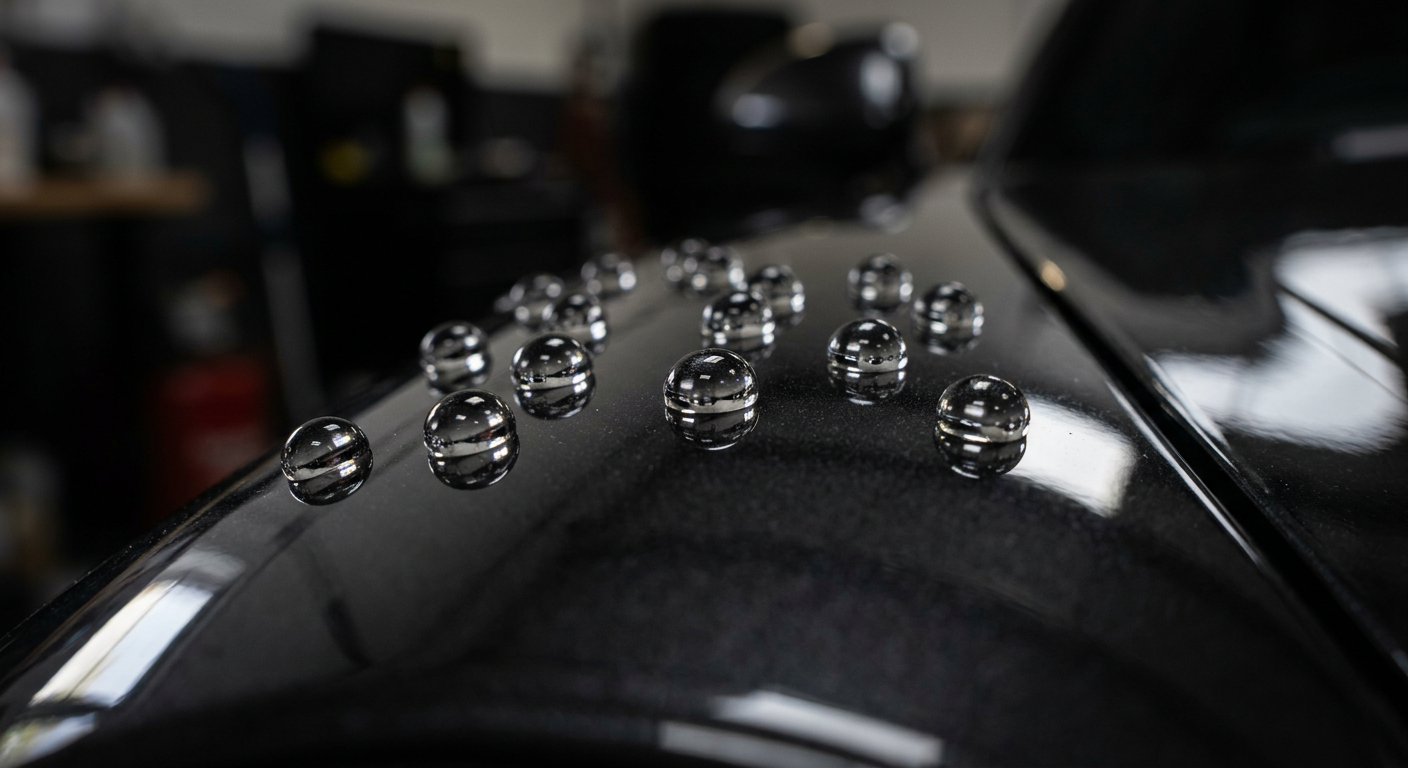
Can Ceramic Coating Prevent Scratches?
Ceramic coating does not prevent scratches in the way many people expect. It helps with chemical resistance, easier washing and reduced fine marring when maintained correctly.
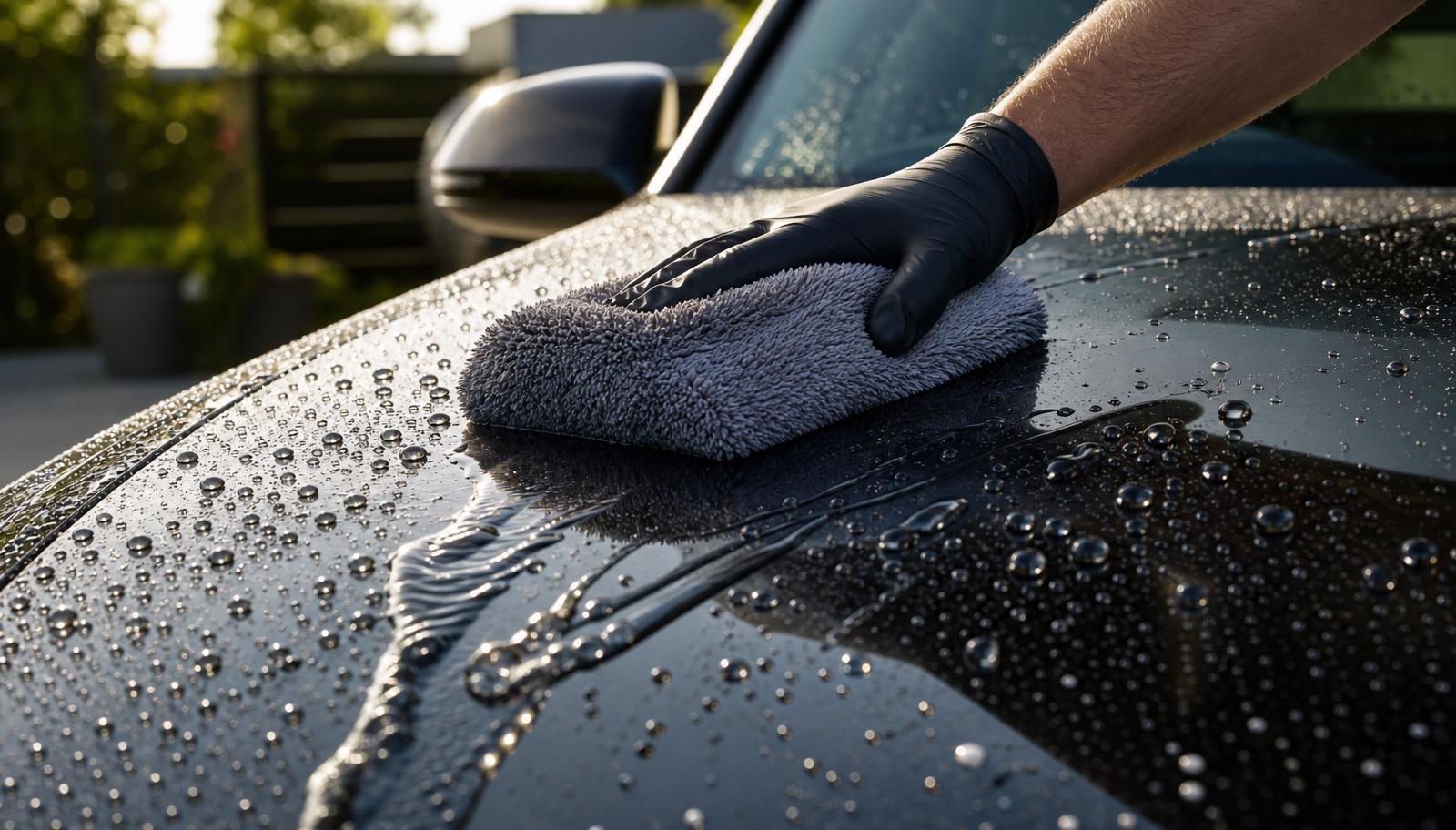
How to Maintain a Ceramic Coated Vehicle.
Learn how to maintain ceramic coating with safe washing, pH-neutral shampoo, decontamination, ceramic boosters and annual inspections.