Why Paint Correction Must Come Before Ceramic Coating.
Ceramic coating is only as good as the paint preparation beneath it.
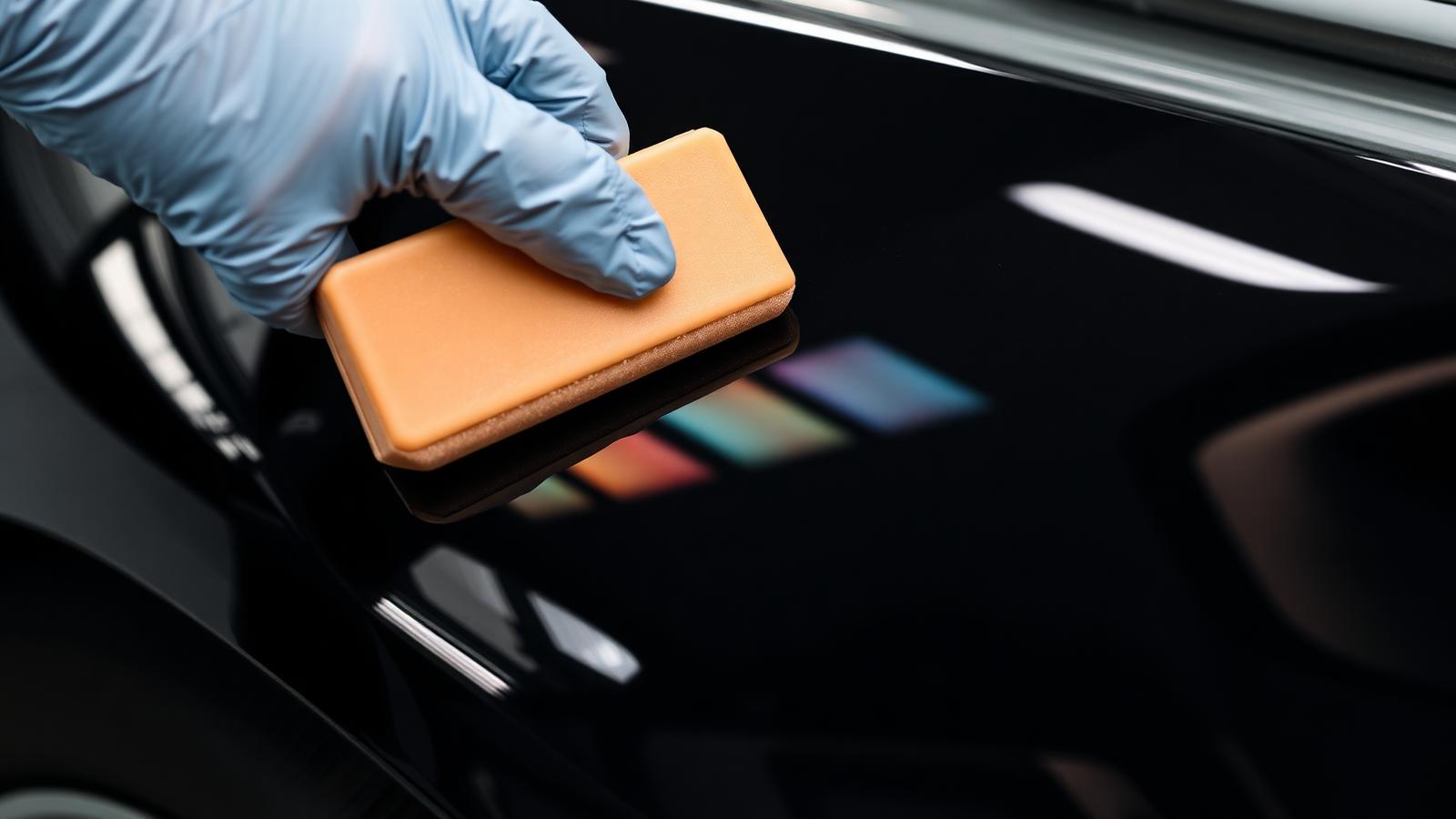
- Ceramic coating locks in the paint condition beneath it.
- LED inspection reveals swirls, water spots and holograms before coating.
- Decontamination prevents bonded grime from being polished into the paint.
- Single-stage and multi-stage correction suit different defect levels.
- Panel wipe is essential for proper coating bonding.
Paint Correction Before Ceramic Coating Is Essential Because Coating Locks In The Finish Beneath
Ceramic coating does not hide poor paint. It bonds to the surface that is in front of it, which means swirls, water spots, oxidation and machine holograms can remain visible for years if they are not corrected first. For Auckland vehicles exposed to UV, coastal moisture and frequent road film, preparation is the difference between a glossy, durable coating and a protected but disappointing finish.
At Carfē in Greenlane, correction is treated as part of the coating system, not an optional extra. See our paint protection options for how preparation and coating are paired.
Inspection Under LED Shows What Normal Light Misses
Workshop LED and colour-matched inspection lighting reveal defects that are often invisible outdoors or under showroom lighting. We assess each panel for:
- swirl marks from washing and drying
- mineral water spots and etching
- previous polishing holograms
- bonded contamination and overspray
- thin or sensitive paint areas
This inspection guides the safest correction plan. Not every vehicle needs heavy polishing, but every coating needs a verified surface.
Decontamination Comes Before Any Machine Polishing
Before correction, the paint is washed and chemically decontaminated. Iron fallout, tar, sap and road grime must be removed so polishing pads do not drag contamination across the clear coat. Koch-Chemie chemistry and controlled wash methods help create a clean working surface before Rupes machine polishing begins.
Skipping this stage is one reason quick coating jobs fail. A ceramic coating cannot properly bond through dirt, old wax, oily glaze or embedded fallout.
Single-Stage Vs Multi-Stage Paint Correction
The right correction level depends on paint hardness, defect depth and the owner’s expectations.
| Correction type | Best for | Typical result before coating |
|---|---|---|
| Single-stage correction | Light swirls, newer vehicles, gloss improvement | Refines the finish and removes many wash marks |
| Multi-stage correction | Heavier swirls, holograms, water spot etching | Greater defect removal and clarity before protection |
| Spot correction | Localised scratches or isolated defects | Targets specific panels without over-polishing the whole car |
GTECHNIQ and Ceramic Pro ceramic coatings perform best when the finish has been refined to suit the coating, not rushed to meet a package price. Our detailing services outline how correction levels can be matched to the vehicle.
Panel Wipe Is The Final Bonding Step
After polishing, the paint may look clean but still carry polishing oils and residue. A dedicated panel wipe removes these residues so the coating can bond directly to the clear coat. This step also gives the technician one final chance to inspect the finish before application.
Claims that a professional coating can be applied over dirty paint are false. If contamination sits between the coating and paint, bonding is weaker. If defects sit under the coating, they remain visible. Ceramic protection is not a shortcut for preparation.
The Carfē Standard
Our Greenlane studio combines inspection, decontamination, correction, panel wipe and controlled coating application into one process. If you want ceramic coating that looks right and lasts properly in NZ conditions, book an assessment and we will recommend the level of correction your paint actually needs.
Frequently Asked Questions
Do you have to do paint correction before ceramic coating?
Yes. Paint correction removes or reduces visible defects before the coating bonds to the paint, preventing swirls, spots and holograms from being sealed in.
Can ceramic coating hide swirl marks?
No. Ceramic coating may add gloss, but it does not fill or hide swirl marks reliably. Defects usually remain visible under the coating.
What happens if you ceramic coat dirty paint?
The coating may bond poorly, look uneven and trap contamination beneath it. Dirt, old wax and polishing oils can all reduce coating durability.
Is single-stage correction enough before coating?
Often, yes for newer or lightly marked vehicles. Heavier defects, water spots or holograms may require multi-stage correction for a better finish.
Why is a panel wipe needed before ceramic coating?
A panel wipe removes polishing oils and residue so the ceramic coating can bond directly to clean clear coat.
Bring the depth back to your paintwork.
Our multi-stage paint correction removes swirls, holograms and light scratches, the essential foundation for any long-term protection.
Related Reading
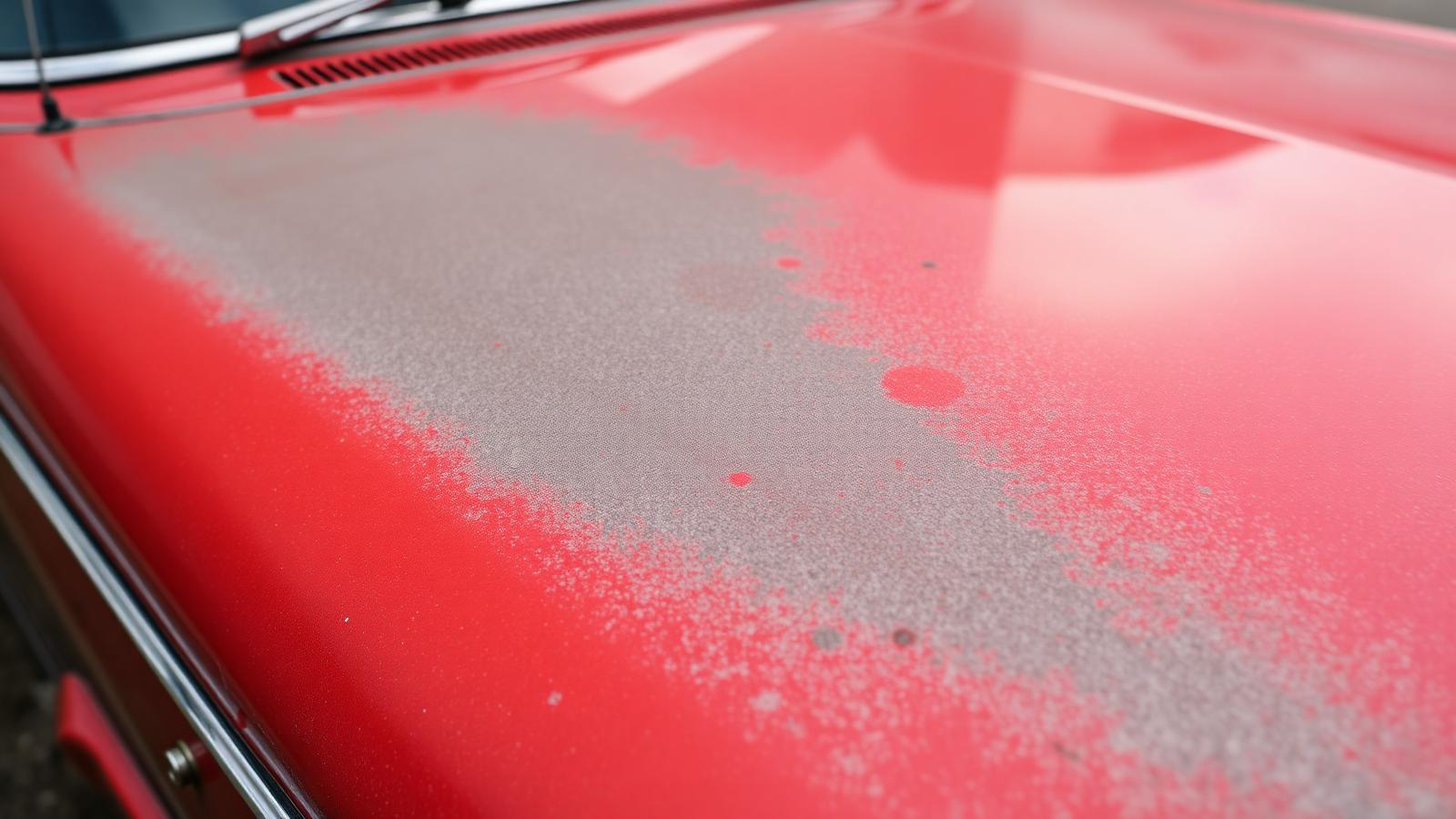
How Oxidised Paint Can Be Restored.
Oxidised paint can often be restored through careful decontamination, machine polishing and protection. The right approach depends on the depth of damage and the condition of the clear coat.
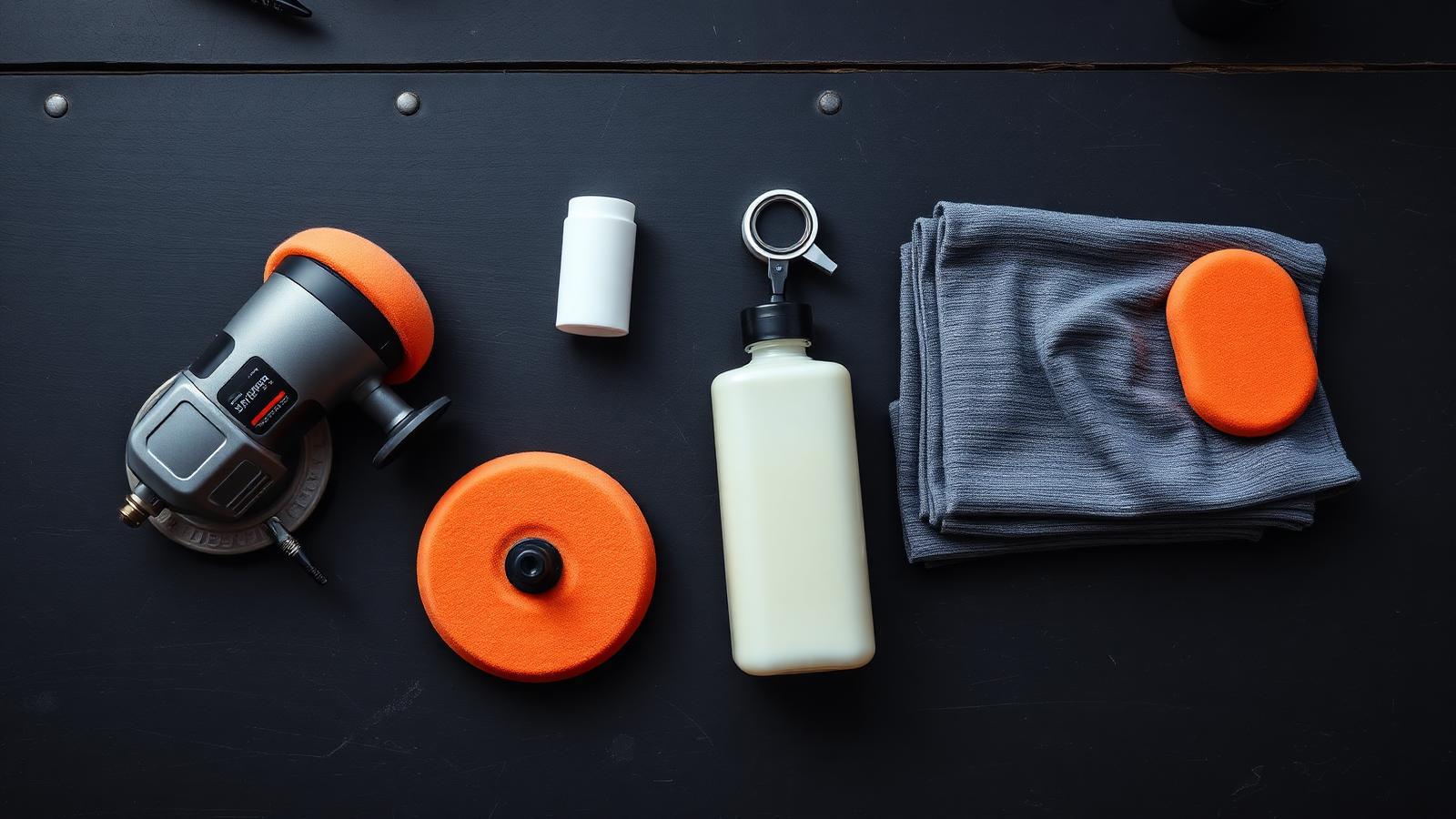
Machine Polishing vs Hand Polishing: What's the Difference?
Machine and hand polishing both improve paint, but they do very different jobs. This guide explains when each method is suitable and why correction usually needs a machine.
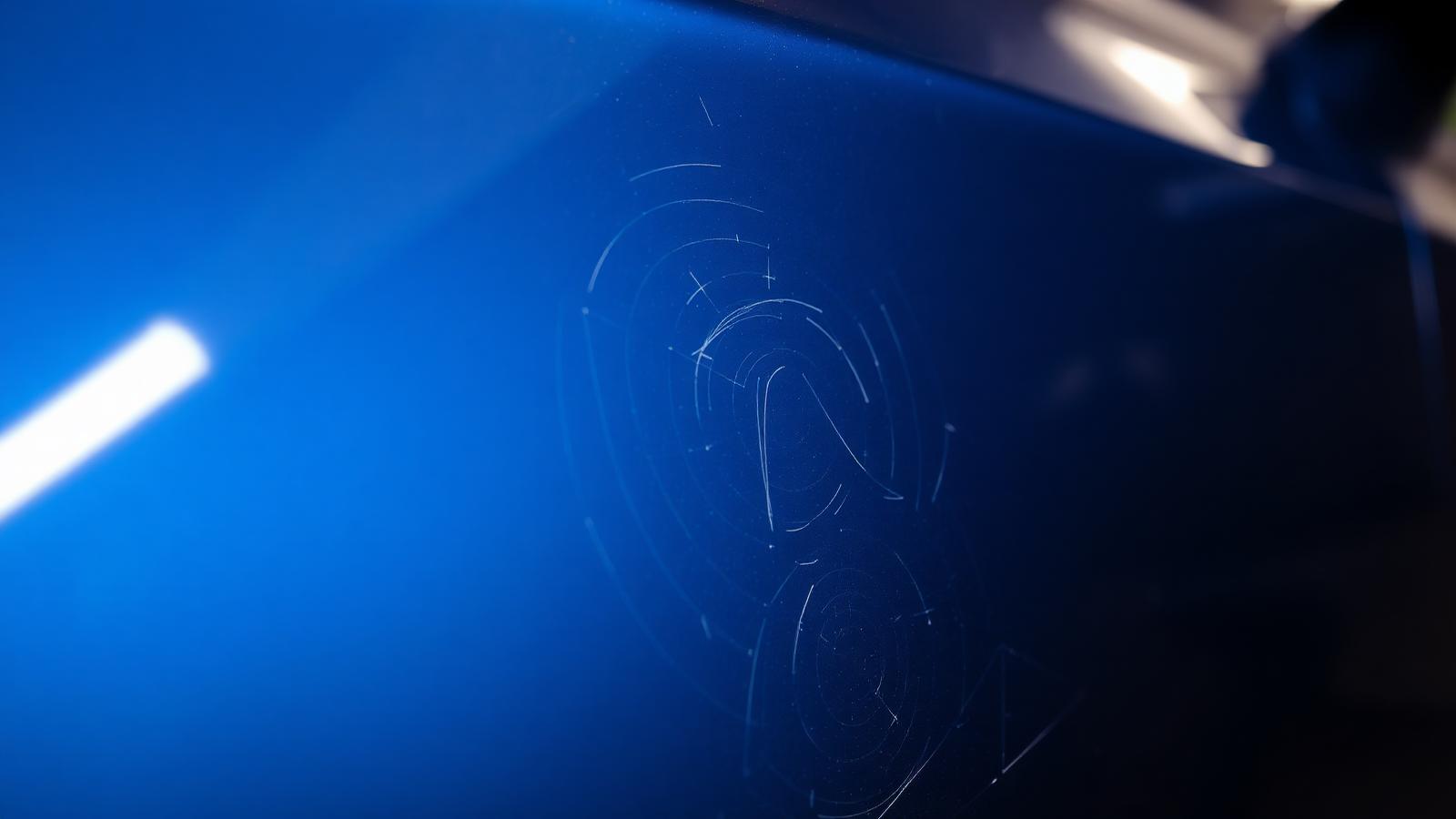
Signs Your Vehicle Needs Paint Correction.
Paint correction removes defects that sit in the clear coat, not dirt on the surface. This guide explains the signs to look for before booking work on your vehicle.