How Oxidised Paint Can Be Restored.
A practical guide to assessing and correcting faded, chalky automotive paint
- Oxidation is usually caused by UV, moisture and contamination.
- Paint can only be restored if enough clear coat remains.
- A test spot shows the realistic correction result.
- Over-polishing can permanently reduce paint thickness.
- Restored paint should be protected promptly.
What Oxidised Paint Means
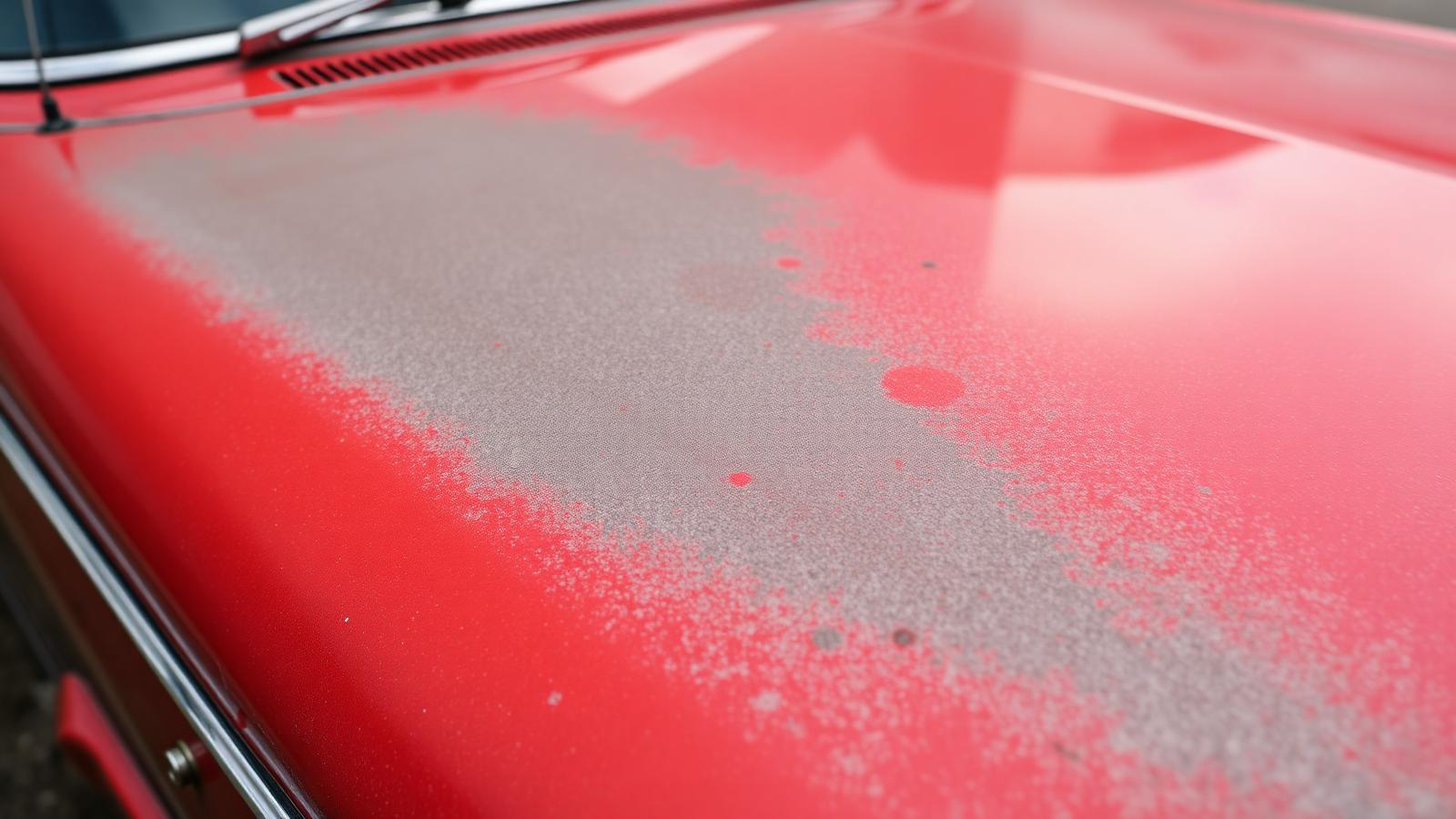
Oxidised paint occurs when the upper layer of your vehicle's paint system breaks down from exposure to oxygen, UV, moisture and contamination. On modern vehicles this usually affects the clear coat first, although older single-stage paint can oxidise through the colour layer itself.
In Auckland, oxidation is often accelerated by strong UV, salt air, motorway grime, tree sap, industrial fallout and repeated rain-drying cycles. Hard water spotting can also leave mineral deposits that make the surface look flatter and more uneven.
Typical signs include:
- A dull or chalky appearance
- Faded colour, especially on the roof, bonnet and boot
- A rough or dry feel after washing
- White residue on your towel when drying older paint
- Patchy gloss where some panels look worse than others
If the clear coat is still intact, it may be possible to restore oxidised paint through controlled paint correction. If the clear coat has failed, polishing can improve appearance slightly, but it cannot rebuild missing paint.
How To Tell If Paint Can Be Restored
The first step is assessment. Oxidation can look similar to water spotting, staining, neglected wax residue or clear coat failure, so it is important to identify what you are dealing with before any aggressive polishing begins.
| Paint Condition | Common Signs | Likely Outcome |
|---|---|---|
| Light oxidation | Mild haze, reduced gloss, surface feels slightly dry | Usually restores well with a single-stage polish |
| Moderate oxidation | Noticeable fading, chalkiness, uneven reflections | Often improves significantly with staged correction |
| Severe oxidation | Deep chalking, very flat finish, heavy staining | May improve, but results depend on remaining paint thickness |
| Clear coat failure | Peeling, milky patches, cracking or flaking | Cannot be properly restored by polishing |
A professional assessment may include wash testing, paint depth readings where suitable, inspection under detailing lights and a small test spot. The test spot is especially useful because it shows what level of improvement is realistic before the whole vehicle is corrected.
The Restoration Process
To restore oxidised paint safely, the process should be methodical rather than aggressive. Removing too much clear coat in one pass can create long-term problems, especially on older vehicles or panels that have been repainted.
A typical restoration process includes:
- Thorough wash - pH-appropriate pre-washing and contact washing remove loose dirt before the paint is touched.
- Decontamination - iron fallout, tar, sap and bonded grime are removed chemically and mechanically where required.
- Paint inspection - the paint is checked for oxidation, staining, previous repairs, thin edges and sensitive areas.
- Test spot - a small section is polished to determine the least aggressive method that gives a suitable result.
- Machine correction - oxidation and dullness are reduced using controlled polishing with appropriate pads and compounds.
- Refinement - a finishing polish improves clarity, depth and gloss after the heavier correction stage.
- Protection - the restored surface is sealed so it is not left exposed to UV and contamination.
Tools and products matter, but technique matters more. Professional polishers such as Rupes machines, paired with suitable compounds from brands such as Koch-Chemie, allow controlled correction without unnecessary paint removal.
For a broader explanation of the correction process, see what is paint correction.
Why Oxidation Should Not Be Over-Polished
It can be tempting to keep polishing until every dull mark is removed, but paint correction is always a balance between appearance and preservation. Your vehicle's clear coat is finite. Once it has been removed, it does not grow back.
This is why a conservative approach is important, particularly on:
- Older vehicles with unknown polishing history
- Japanese imports with softer or thinner paint systems
- Repainted panels
- Roofs, bonnets and horizontal surfaces exposed to heavy UV
- Edges, body lines and panel corners
Hand polishing can improve very light oxidation, but it usually lacks the consistency needed for moderate oxidation. Machine correction gives more even results, provided the paint is assessed properly first. If ceramic coating is planned after restoration, correction becomes even more important because the coating will lock in the final finish. You can read more in paint correction before ceramic coating.
Protecting Restored Paint
Once oxidation has been reduced, the paint should be protected promptly. Freshly corrected paint looks clearer because the damaged upper layer has been levelled and refined, but that also means it should not be left bare.
| Protection Option | Best For | Notes |
|---|---|---|
| Wax or sealant | Short-term gloss and basic protection | Lower cost, but needs regular reapplication |
| Ceramic coating | Longer-term UV, chemical and wash resistance | Requires careful preparation and maintenance |
| Maintenance detail | Keeping the finish clean and protected | Helps prevent grime and mineral buildup |
Ceramic coatings from established systems such as GTECHNIQ or Ceramic Pro can be suitable after correction, provided the paint is stable and properly prepared. They do not prevent all future oxidation, but they make the surface easier to clean and help reduce exposure to UV, water spotting and contamination.
If you are comparing protection options after restoration, see what is ceramic coating.
When To Seek Professional Help
You should seek a professional assessment if the paint is heavily chalky, patchy, peeling, or if the vehicle has unknown paint history. It is also worth getting advice before polishing high-value, classic or recently purchased vehicles, where preserving paint thickness is more important than chasing a perfect finish.
In Auckland, a full detail may sit around $200-$600, while paint correction is commonly in the $600-$1800 range depending on vehicle size, paint condition and the level of correction required. If ceramic coating is added after restoration, total preparation and coating packages can range from about $900-$3500.
If you want to restore oxidised paint on your vehicle, Carfē can assess the finish at our Greenlane studio and recommend a measured correction and protection plan. You can start by viewing our paint protection and correction services.
Frequently Asked Questions
Can you restore oxidised paint by hand?
Very light oxidation may improve with hand polishing, but results are usually limited. Moderate oxidation normally needs controlled machine correction for an even finish.
Is oxidised paint the same as clear coat failure?
No. Oxidation is surface breakdown that may be correctable, while clear coat failure means the protective layer is peeling, cracking or missing. Failed clear coat cannot be permanently restored by polishing.
How long does restored paint last?
It depends on paint condition, storage, washing and protection. A properly corrected and protected finish will generally hold gloss much better than unprotected paint.
Will ceramic coating fix oxidised paint?
No. Ceramic coating does not restore dull or chalky paint by itself. The oxidation should be corrected first, then the coating can help protect the restored finish.
How much does it cost to restore oxidised paint in Auckland?
Paint correction commonly ranges from about $600-$1800 depending on vehicle size and paint condition. If ceramic coating is added, total packages may range from about $900-$3500.
Bring the depth back to your paintwork.
Our multi-stage paint correction removes swirls, holograms and light scratches, the essential foundation for any long-term protection.
Related Reading
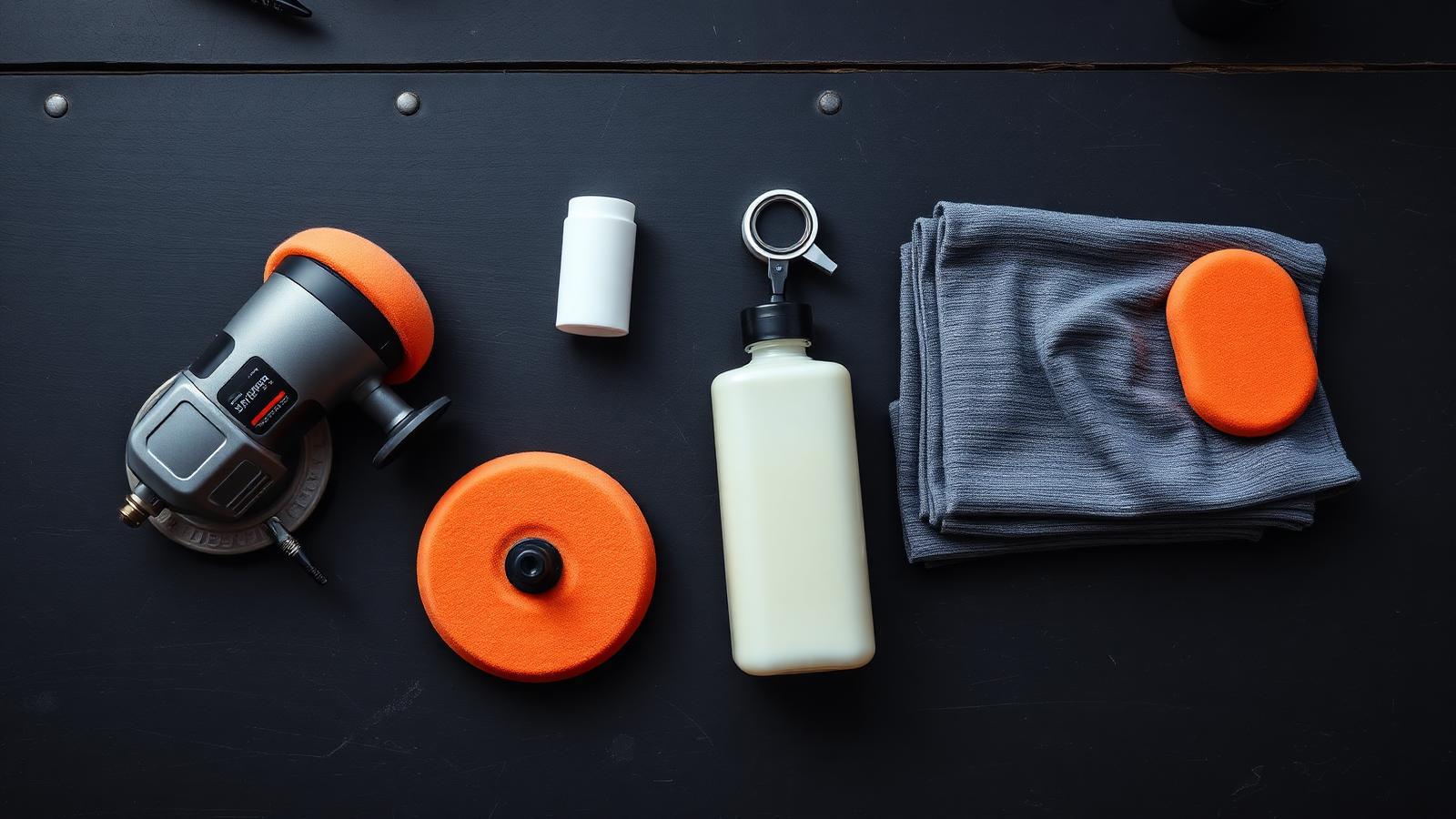
Machine Polishing vs Hand Polishing: What's the Difference?
Machine and hand polishing both improve paint, but they do very different jobs. This guide explains when each method is suitable and why correction usually needs a machine.
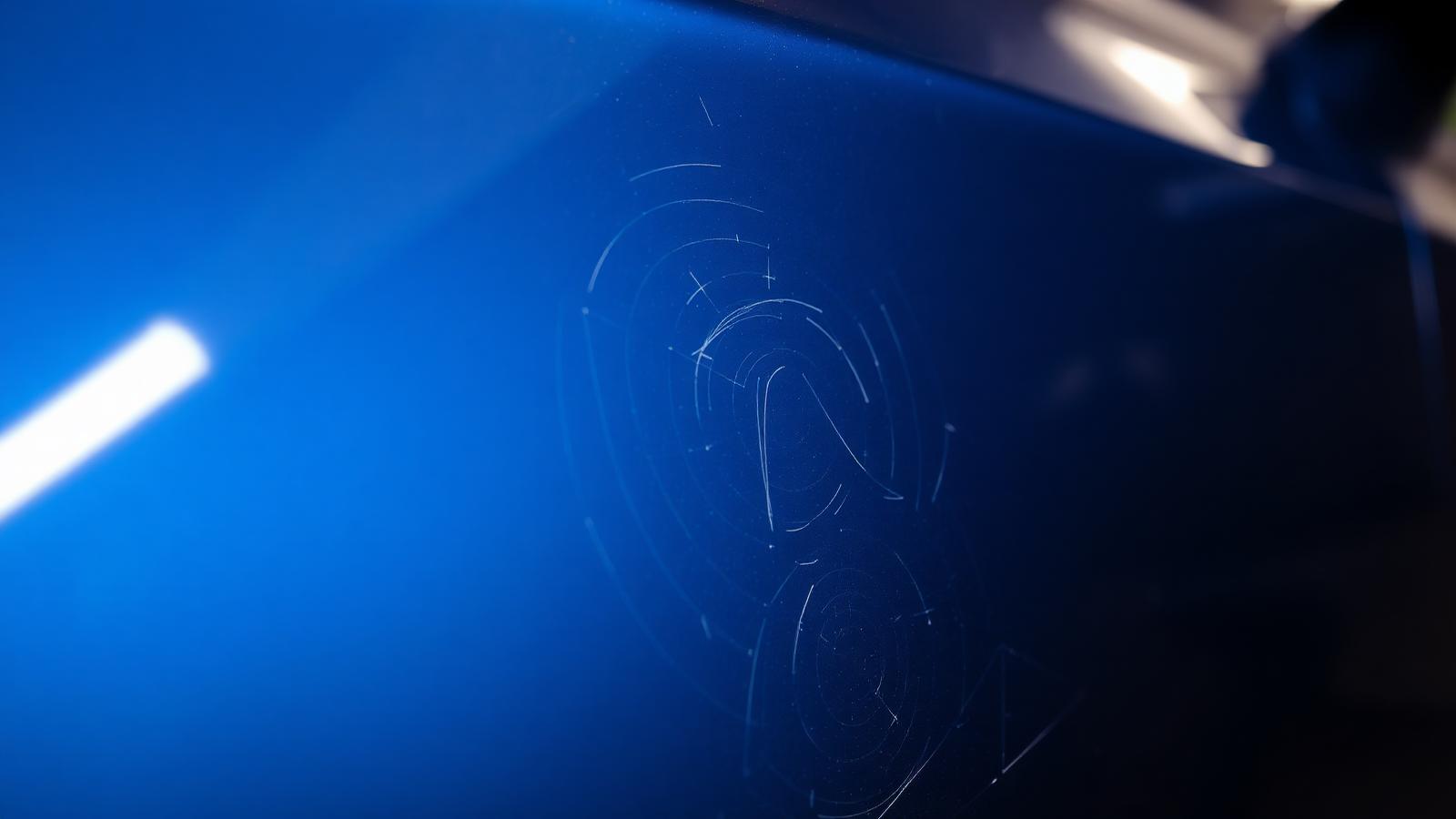
Signs Your Vehicle Needs Paint Correction.
Paint correction removes defects that sit in the clear coat, not dirt on the surface. This guide explains the signs to look for before booking work on your vehicle.
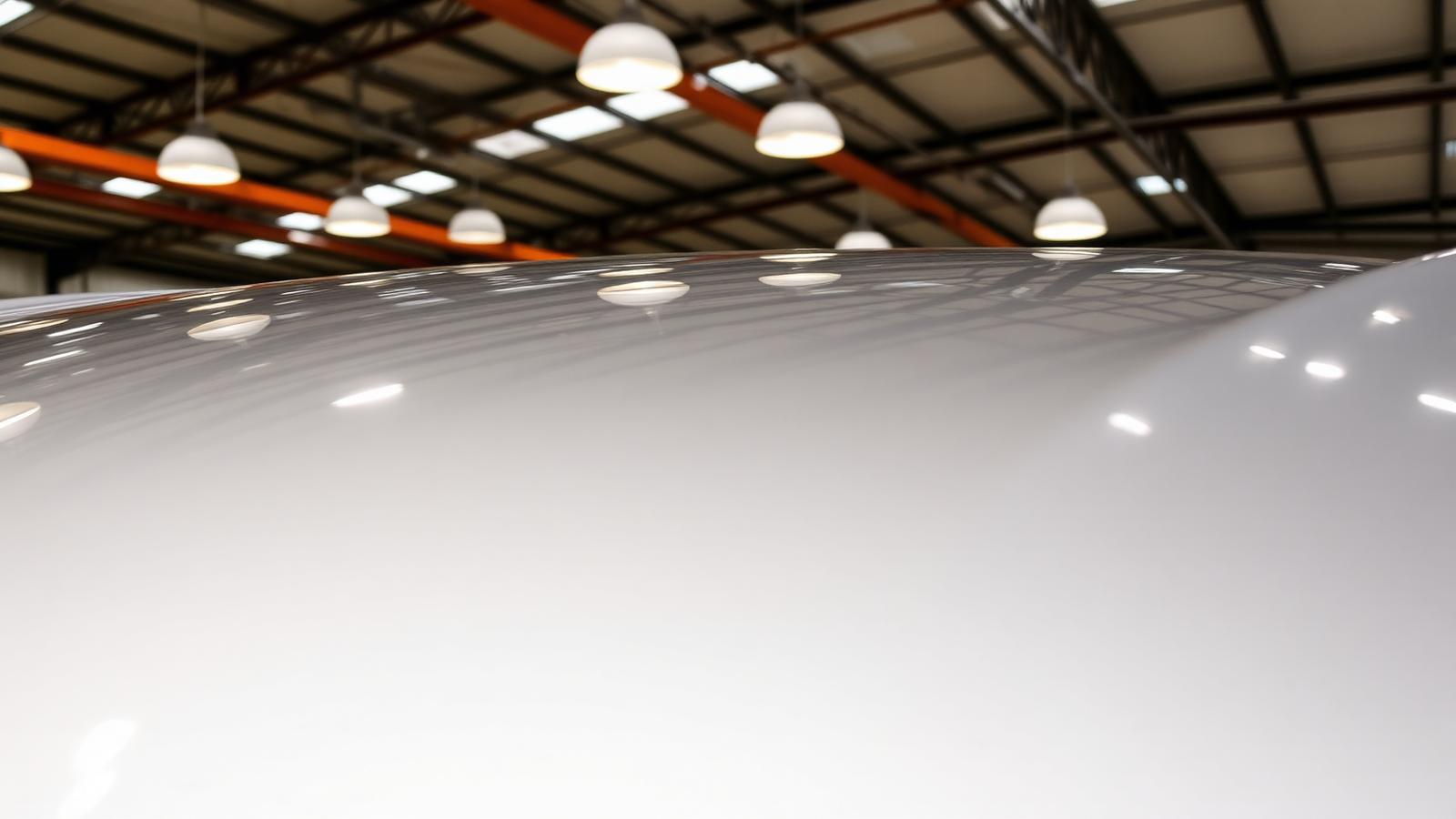
How Paint Correction Restores Gloss and Depth.
Paint correction restores gloss by refining the clear coat so light reflects cleanly again. The result depends on paint condition, defect depth and the level of correction chosen.