How Paint Correction Restores Gloss and Depth.
How controlled polishing brings clarity, reflection and depth back to your vehicle’s paint
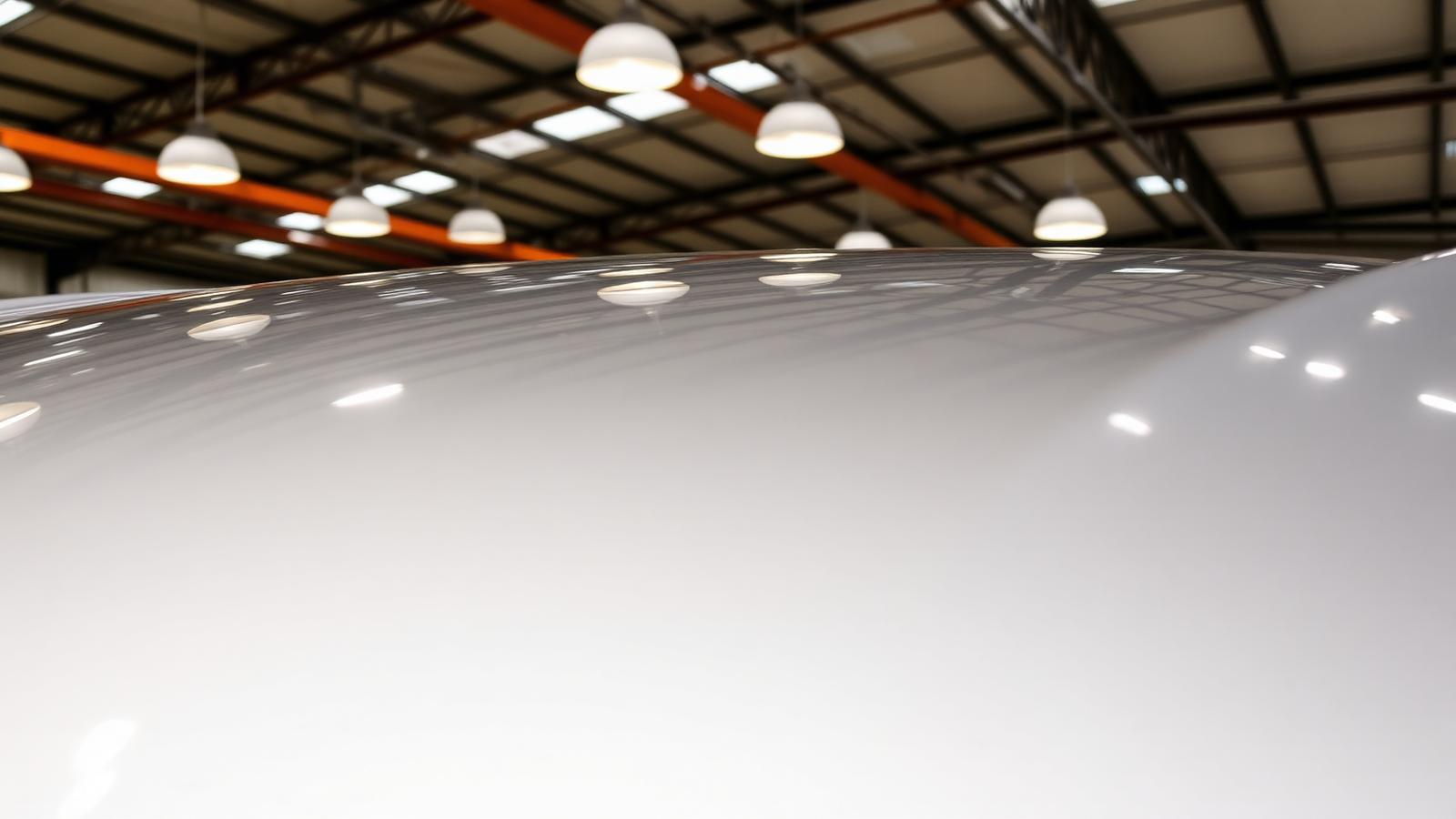
- Gloss depends on how cleanly the clear coat reflects light.
- Paint correction removes or reduces defects that scatter reflection.
- Different correction levels suit different paint conditions.
- Not every scratch can be safely removed.
- Protection helps preserve newly restored gloss.
Why Paint Loses Gloss
Your vehicle’s gloss comes from how cleanly light reflects off the clear coat. When the surface is smooth, reflection is sharp and colour looks deeper. When it is marked, oxidised or contaminated, light scatters in different directions and the paint appears flat, grey or hazy.
In Auckland, this happens gradually. UV exposure, salt air, motorway grime, rain, hard water, poor wash technique and automatic brush washes all contribute to fine surface damage. Dark colours usually show it first, but lighter paint can lose clarity as well - especially under direct sun or workshop lighting.
Common causes of reduced gloss include:
- Swirl marks from washing and drying
- Fine scratches from dust, towels or contact washing
- Water spotting from minerals drying on the surface
- Oxidation from prolonged UV exposure
- Haze from previous polishing or low-quality products
- Embedded contamination that washing alone cannot remove
What Paint Correction Actually Does
Paint correction is controlled machine polishing designed to refine the clear coat. Rather than simply making the surface look shiny with fillers, proper correction removes or reduces microscopic defects so the surface reflects light more evenly.
The process normally starts with a careful wash and decontamination. The paint is then inspected under lighting to identify swirl marks, haze, sanding marks, water spots and deeper scratches. A suitable combination of machine, pad and compound is selected based on paint hardness, defect type and available clear coat.
At Carfē, this can involve professional systems from brands such as Rupes and Koch-Chemie where appropriate. The goal is not to remove as much paint as possible - it is to achieve the best safe improvement while preserving the clear coat for the long term.
For a broader explanation of the process, see what is paint correction.
How Correction Restores Gloss And Depth
The link between paint correction gloss and surface clarity is simple: smoother paint reflects light more accurately. When defects are levelled or refined, reflections become sharper and colour appears richer.
| Paint Condition | How It Affects Appearance | What Correction Improves |
|---|---|---|
| Swirl marks | Creates a spiderweb effect in sunlight | Restores cleaner reflections |
| Oxidation | Makes paint look chalky or tired | Improves colour strength and clarity |
| Water spotting | Leaves dull rings or etched marks | Reduces visible spotting where safe |
| Machine haze | Causes a grey or cloudy finish | Refines the surface to a clearer finish |
| Fine scratches | Breaks up reflection and depth | Softens or removes visible marks |
Gloss is not only about shine. A wax or glaze can add temporary slickness, but it may not correct the underlying surface. True depth comes from refining the paint itself so the colour, metallic flake and reflections are seen more clearly.
This is why two vehicles can both look clean, but only one has crisp reflection and depth under direct light. The difference is often the condition of the clear coat.
Correction Levels And Realistic Results
Not every vehicle needs the same level of correction. Some only require a gloss enhancement to remove light wash marring, while others need multiple polishing stages to address heavier defects.
A typical approach may include:
- Gloss enhancement - improves overall shine and reduces light haze.
- Single-stage correction - targets moderate swirl marks and general loss of clarity.
- Multi-stage correction - uses cutting and refining stages for heavier defects.
- Targeted defect removal - focuses on isolated scratches or sanding marks where safe.
Realistic expectations matter. Paint correction can make a major difference, but it cannot safely remove every mark. If a scratch has gone through the clear coat, polishing may reduce its appearance but not remove it completely. Aggressive correction can also compromise long-term durability if too much clear coat is removed.
In Auckland, professional paint correction commonly ranges from around $600 to $1800 depending on vehicle size, paint condition and the correction level required. A proper inspection is the best way to determine what is suitable for your vehicle.
Why Protection Matters After Correction
Once gloss has been restored, the paint should be protected. Freshly corrected paint is clean, refined and more exposed to the environment. Without protection and careful washing, swirl marks and contamination can return quickly.
A ceramic coating or sealant can help protect the finish from UV, grime and water staining while making routine washing easier. It will not make paint scratch-proof, but it can help preserve the corrected finish for longer when maintained properly.
This is why correction is often completed before a coating is applied. If defects are sealed underneath, the coating will lock in the appearance rather than improve it. You can learn more in paint correction before ceramic coating, or view options for paint protection.
Good maintenance after correction includes:
- Washing with a safe two-bucket or contact-safe method
- Using clean microfibre towels and wash media
- Avoiding automatic brush washes
- Removing bird droppings and hard water quickly
- Booking periodic maintenance details when needed
When To Consider Paint Correction
Paint correction is worth considering if your vehicle looks clean but still appears dull in sunlight, has visible swirl marks under fuel station lighting, or lacks the depth it once had. It is also a sensible step before ceramic coating, resale presentation or long-term ownership of a vehicle you want to keep looking well cared for.
The right correction level should be chosen after viewing the vehicle in person. Paint type, previous polishing, clear coat condition and your expectations all affect the recommendation.
If you would like to understand what can be safely improved on your vehicle, Carfē can assess the paint at our Greenlane studio and recommend a measured correction plan. You can book an assessment when you are ready.
Frequently Asked Questions
Does paint correction make paint glossy again?
Yes, when dullness is caused by defects in the clear coat, paint correction can restore gloss and clarity. The result depends on the depth of the defects and the condition of the paint.
Is paint correction the same as polishing?
Paint correction uses machine polishing, but it is more controlled than a basic polish. It involves selecting the right process to safely reduce defects and refine the finish.
Can paint correction remove all scratches?
No. It can remove or reduce many clear coat scratches, but scratches that are too deep cannot be safely polished out completely.
How long does the restored gloss last?
Gloss can last well with careful washing and suitable protection. Poor wash technique, hard water and contamination can reintroduce swirl marks and dullness.
Should I get ceramic coating after paint correction?
Ceramic coating is often recommended after correction because it helps preserve the refined finish. It should be applied after defects are corrected, not before.
Bring the depth back to your paintwork.
Our multi-stage paint correction removes swirls, holograms and light scratches, the essential foundation for any long-term protection.
Related Reading
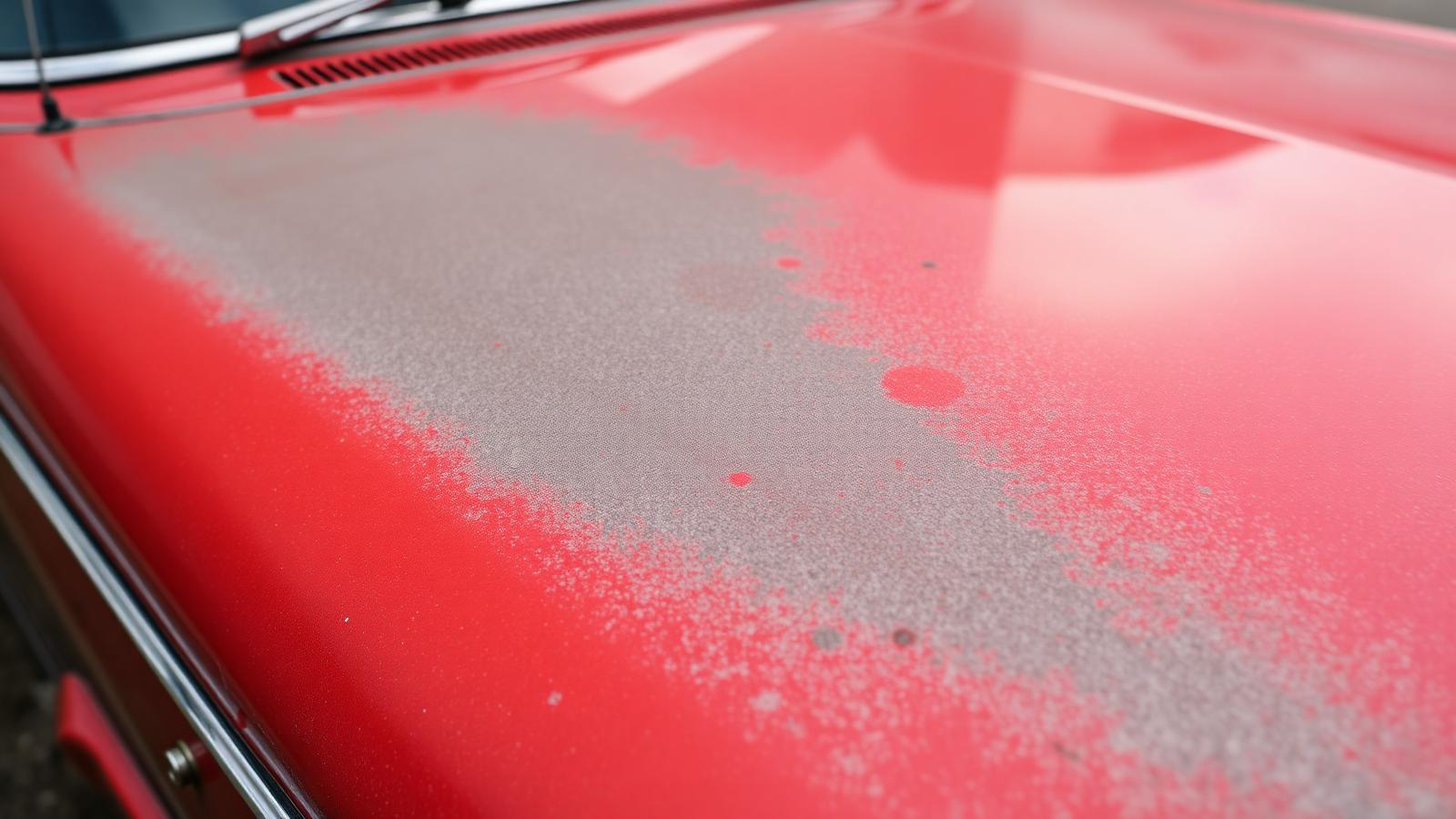
How Oxidised Paint Can Be Restored.
Oxidised paint can often be restored through careful decontamination, machine polishing and protection. The right approach depends on the depth of damage and the condition of the clear coat.
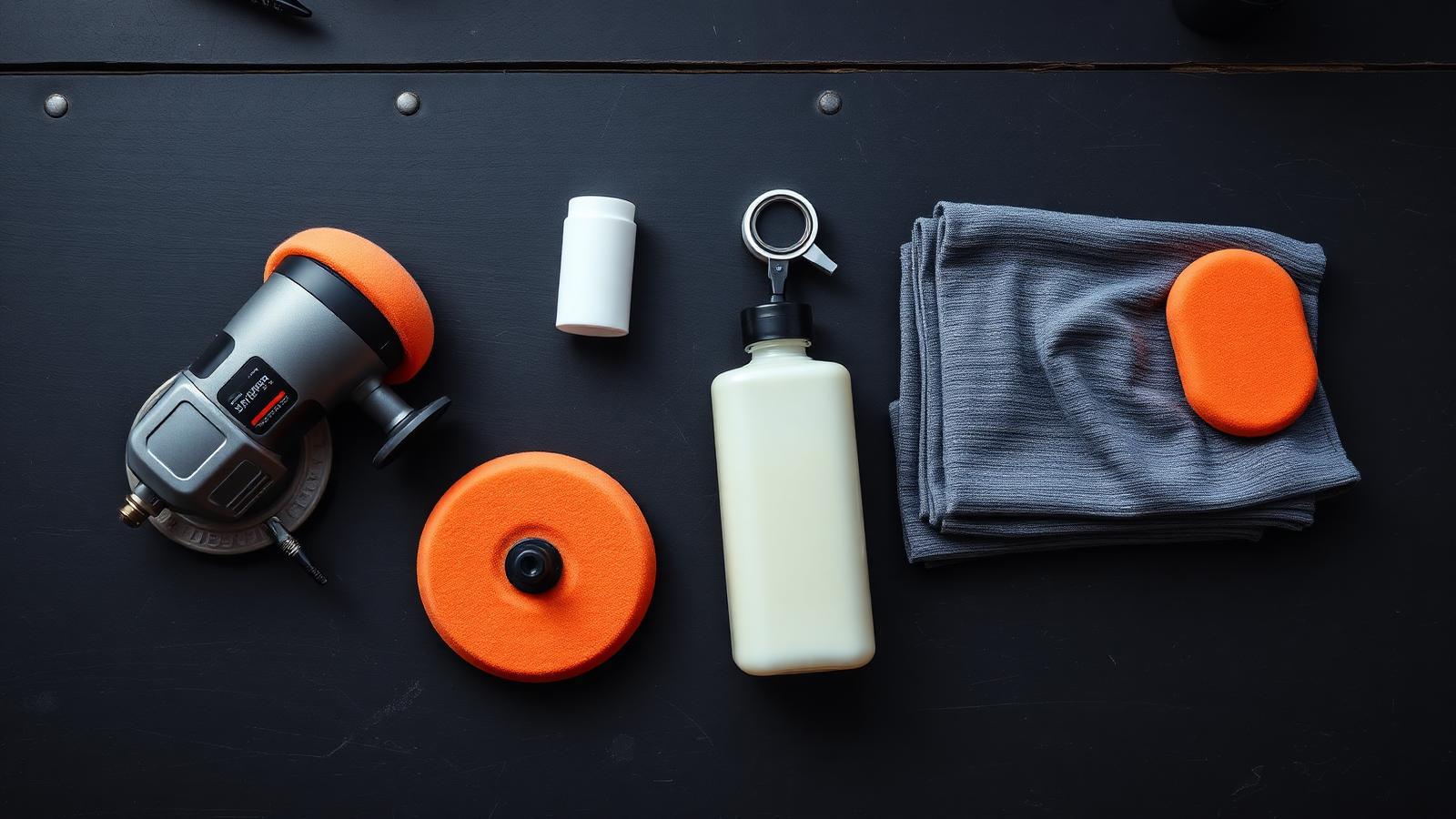
Machine Polishing vs Hand Polishing: What's the Difference?
Machine and hand polishing both improve paint, but they do very different jobs. This guide explains when each method is suitable and why correction usually needs a machine.
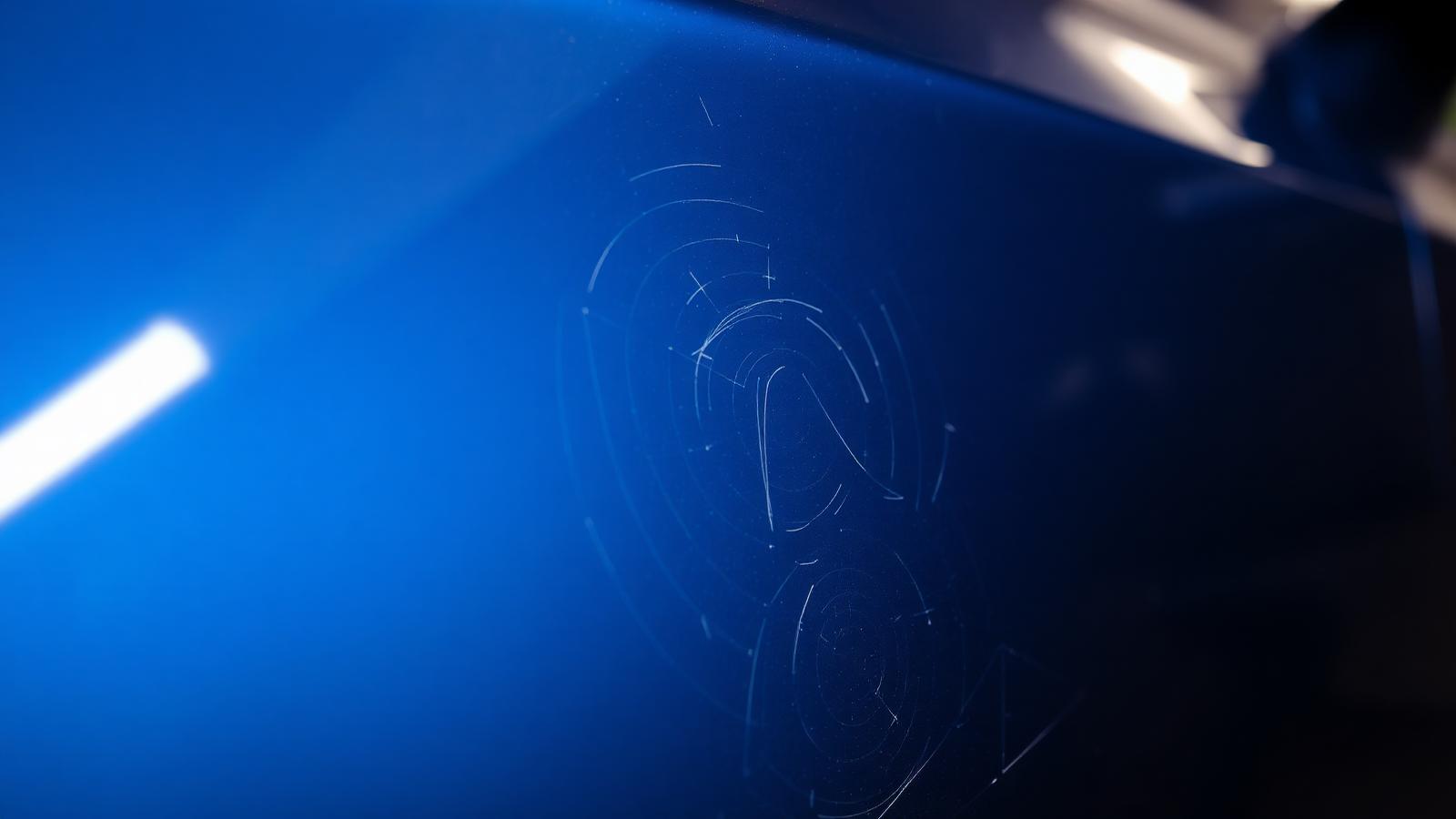
Signs Your Vehicle Needs Paint Correction.
Paint correction removes defects that sit in the clear coat, not dirt on the surface. This guide explains the signs to look for before booking work on your vehicle.