What Is Paint Correction? Complete NZ Guide.
A clear guide to machine polishing, defect removal and safe paint refinement for New Zealand vehicles.
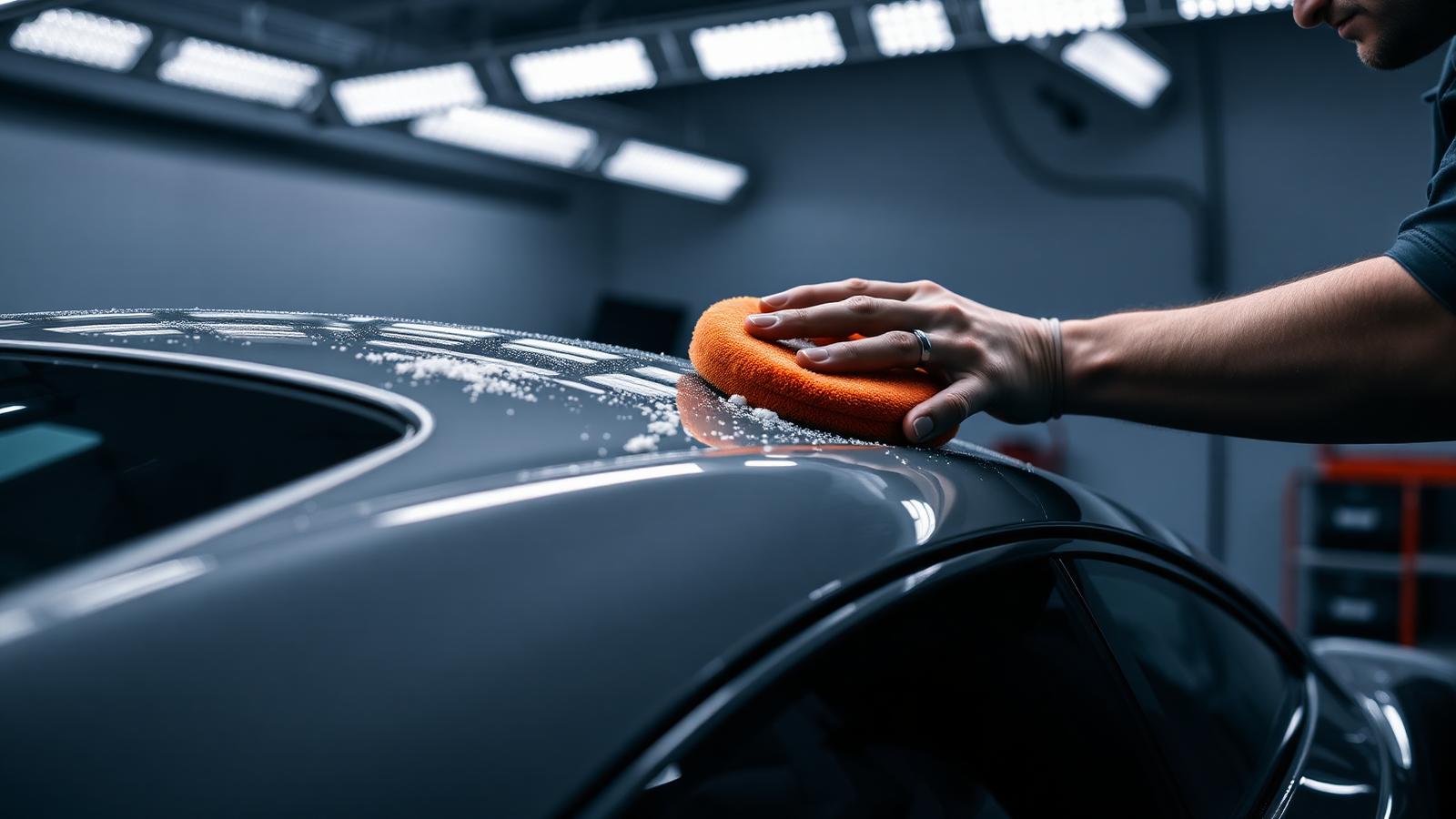
- Paint correction removes defects from the clear coat rather than masking them.
- Inspection and decontamination are essential before machine polishing.
- Rupes dual-action polishers help deliver controlled, safe correction.
- Pads and compounds are selected based on paint hardness and defect severity.
- Corrected paint should be protected with wax, sealant or ceramic coating.
What Is Paint Correction?
Paint correction is the controlled machine-polishing process used to remove or reduce defects in a vehicle’s clear coat. It targets swirl marks, marring, holograms, water spots, oxidation and light scratches by carefully levelling microscopic peaks in the clear coat, rather than hiding them with fillers.
At Carfē in Greenlane, paint correction is approached as a measured refinement process, not a one-size-fits-all polish. Auckland vehicles often see UV exposure, coastal contamination, motorway grime and hard water spotting, so the paint must be assessed before any cutting begins.
Common Paint Defects Paint Correction Can Improve
| Defect type | What it looks like | Typical cause | Correction potential |
|---|---|---|---|
| Swirl marks | Circular haze under sunlight | Poor washing or drying | High |
| Marring | Fine dull patches | Clay misuse or soft paint | High |
| Holograms | Rotary buffer trails | Incorrect machine polishing | High |
| Water spots | Etched rings or mineral marks | Auckland rain, bore water, sprinklers | Medium to high |
| Light scratches | Fine straight marks in clear coat | Contact washing or daily use | Medium |
| Deep scratches | Catch with a fingernail | Damage through the clear coat | Limited |
The Paint Correction Process
A proper correction starts with inspection, not polishing. We check paint condition, panel history, defect depth and clear coat behaviour before selecting a method.
Typical Stages
- Safe wash to remove loose dirt without adding new marks.
- Chemical decontamination to dissolve iron fallout and tar.
- Clay treatment to remove bonded contamination.
- Compound or cut stage to remove heavier defects.
- Polish or refine stage to restore gloss and clarity.
- Final inspection under focused lighting, including swirl-finding LEDs.
This process sits within our wider detailing services, where correction can be tailored from light enhancement through to multi-stage refinement.
Machines, Pads And Compounds
Modern paint correction relies on the right combination of machine, pad and abrasive technology. We commonly use Rupes dual-action polishers because they offer controlled correction with reduced risk of heat build-up compared with aggressive rotary-only methods.
Pads vary from microfibre and wool for stronger cutting to foam finishing pads for refinement. Compounds and polishes from professional systems such as Koch-Chemie, Ceramic Pro and GTECHNIQ are selected according to paint hardness, defect severity and the finish required.
Paint Correction Versus Protection
Paint correction improves the surface. Protection helps preserve it. After correction, the clear coat is clean, glossy and more optically transparent, making it the ideal time to apply wax, sealant or a ceramic coating.
For longer-term protection against UV, washing marks and chemical contamination, many clients pair correction with paint protection. The level of correction depends on the vehicle’s use, expectations and whether it is a daily driver, weekend car or new vehicle preparation.
The Carfē Standard
Every correction at Carfē is inspected under proper lighting before, during and after polishing. Our Greenlane studio is set up for controlled preparation, careful machine work and honest advice on what can safely be achieved. If you want your paint assessed properly, you can book a consultation and we will recommend the right level of correction for your vehicle.
Frequently Asked Questions
What is paint correction in car detailing?
Paint correction is machine polishing that removes or reduces defects in the clear coat, including swirls, marring, holograms, water spots and light scratches.
Does paint correction remove scratches permanently?
It can permanently remove or reduce scratches that sit within the clear coat. Deep scratches that go through the clear coat may need touch-up paint or refinishing.
How many stages of paint correction do I need?
Light defects may need a single-stage polish, while heavier swirls or marring often need a cut and refine process. Inspection determines the safest option.
Is paint correction safe for modern car paint?
Yes, when performed correctly with the right machines, pads and compounds. The goal is to remove the minimum clear coat necessary to achieve the desired finish.
Should I ceramic coat after paint correction?
Yes, if you want longer-term protection. Correcting the paint first improves gloss and gives the ceramic coating a cleaner surface to bond to.
Bring the depth back to your paintwork.
Our multi-stage paint correction removes swirls, holograms and light scratches, the essential foundation for any long-term protection.
Related Reading
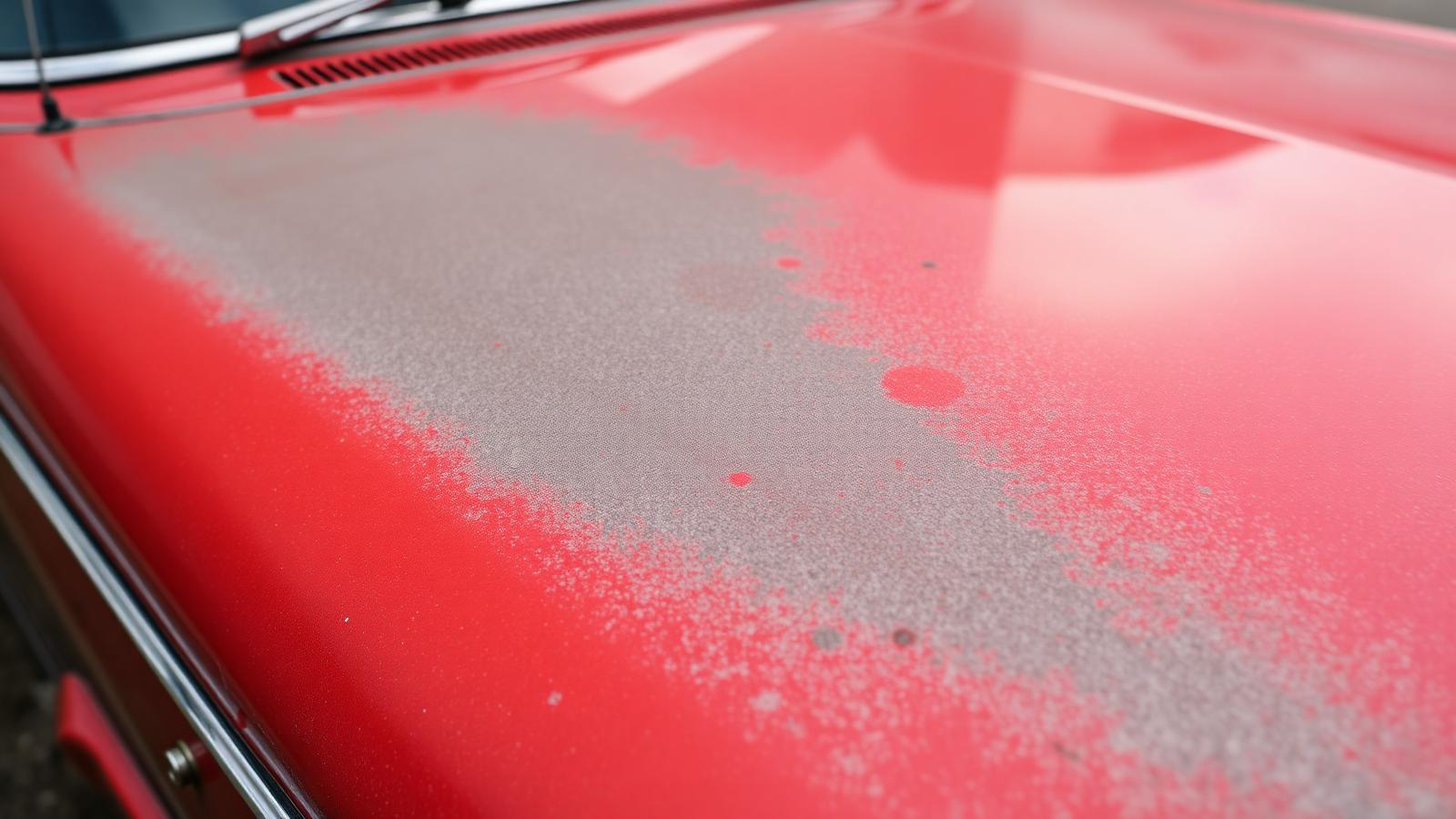
How Oxidised Paint Can Be Restored.
Oxidised paint can often be restored through careful decontamination, machine polishing and protection. The right approach depends on the depth of damage and the condition of the clear coat.
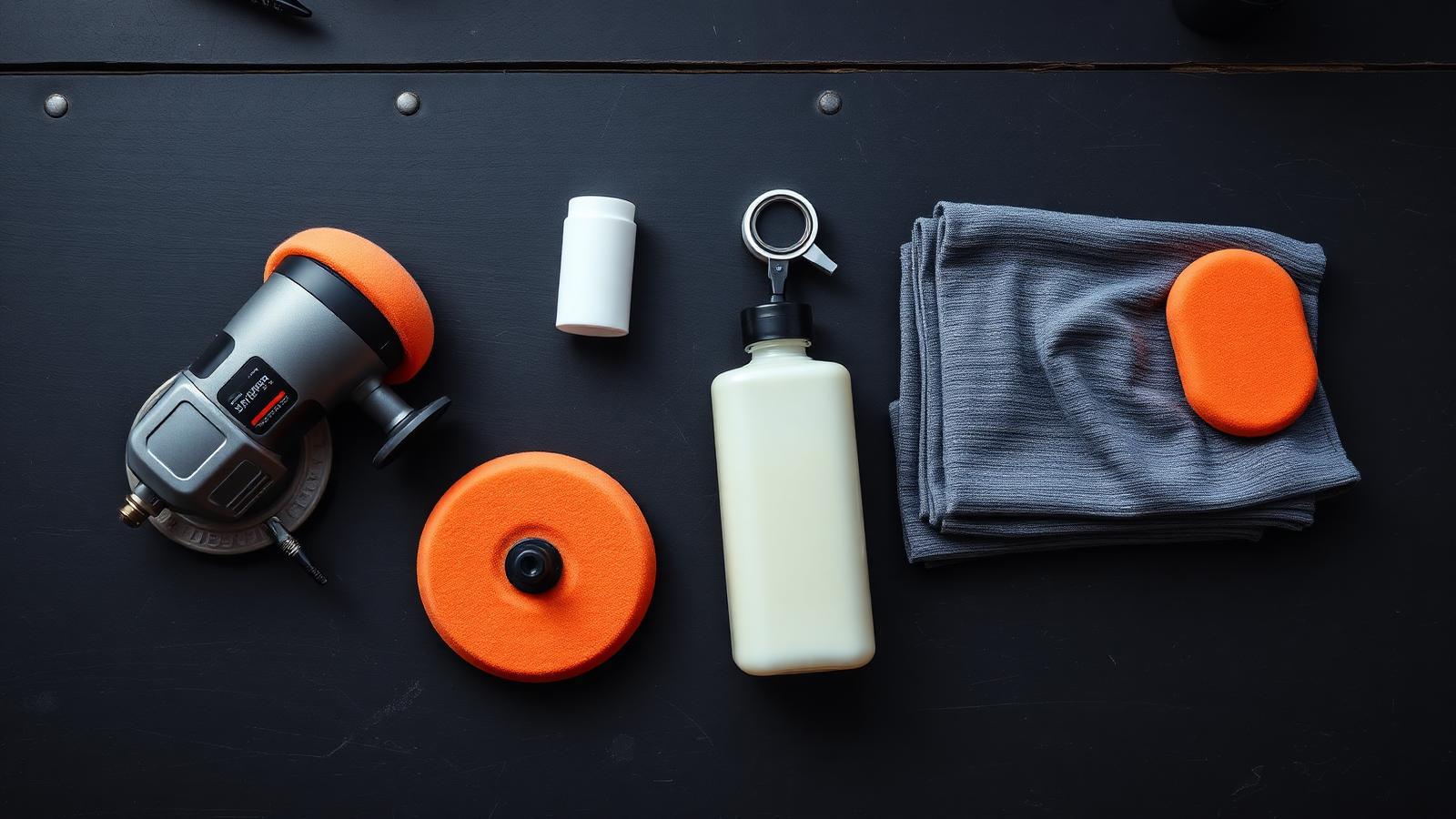
Machine Polishing vs Hand Polishing: What's the Difference?
Machine and hand polishing both improve paint, but they do very different jobs. This guide explains when each method is suitable and why correction usually needs a machine.
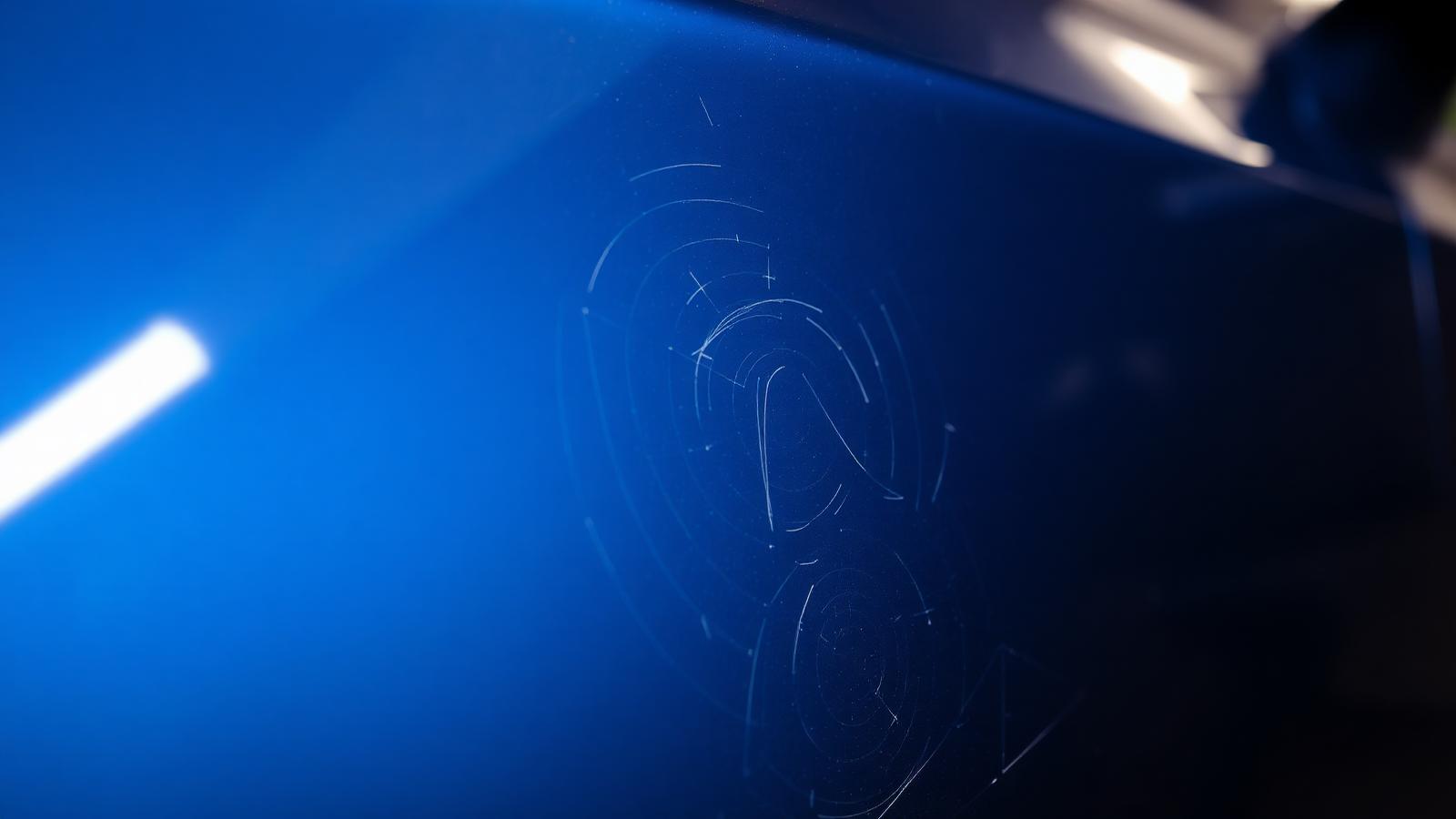
Signs Your Vehicle Needs Paint Correction.
Paint correction removes defects that sit in the clear coat, not dirt on the surface. This guide explains the signs to look for before booking work on your vehicle.