Machine Polishing vs Hand Polishing: What's the Difference?
How each polishing method affects gloss, defect removal and paint safety
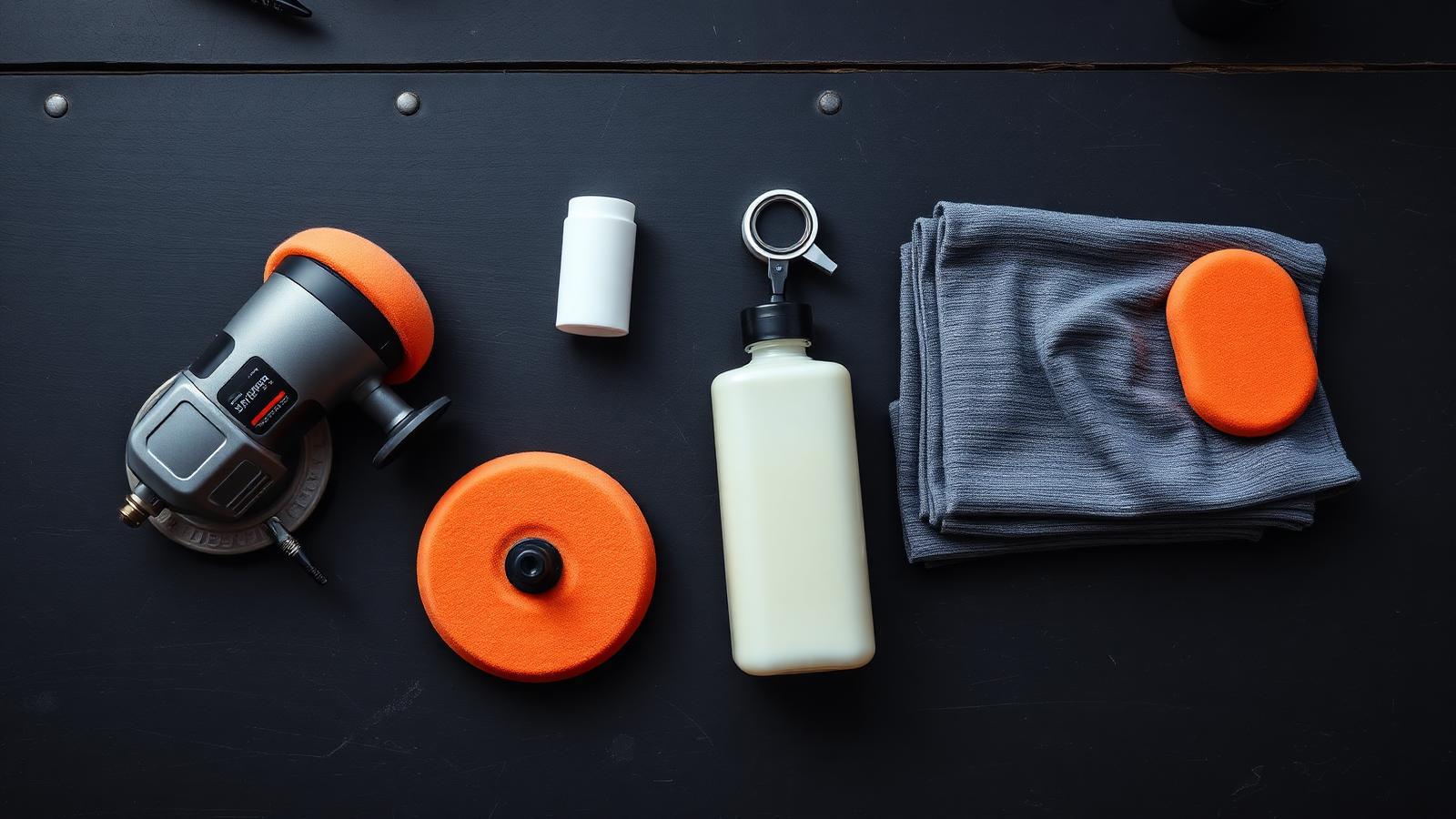
- Hand polishing is best for small, light touch-ups.
- Machine polishing gives more consistent defect removal.
- Swirl marks usually need controlled machine work.
- Good polishing preserves clear coat rather than chasing perfection.
- Paint condition determines the right polishing method.
Why Polishing Method Matters
Polishing is often described as a single step, but the result depends heavily on how the polish is worked into the paint. When comparing machine vs hand polishing, the main difference is consistency. A machine can keep the pad moving at a controlled speed and pressure, while hand polishing relies entirely on human movement.
That matters because modern clear coat is relatively hard. Light oxidation or residue can sometimes be improved by hand, but swirl marks, wash marring and fine scratches usually need more controlled abrasion. In Auckland, this is especially relevant where motorway grime, UV exposure, rain spotting and occasional hard water deposits can slowly dull your vehicle's finish.
Polishing should not be confused with waxing or coating. Polishing refines the paint surface. Protection then helps preserve that finish. If you are new to the process, our guide to what paint correction is explains how polishing fits into broader correction work.
What Hand Polishing Can And Cannot Do
Hand polishing uses a foam or microfibre applicator and a mild polish or cleaner. It is simple, low-risk and useful for small areas, but it has limits.
Hand polishing can help with:
- Light paint cleansing before applying wax or sealant
- Minor dullness on isolated areas
- Small door handle recesses and tight trim edges
- Very light water spotting, if it has not etched into the clear coat
- Final touch-ups where a machine cannot safely reach
Hand polishing is less effective for:
- Swirl marks across a bonnet, roof or doors
- Deeper wash scratches
- Holograms or previous poor machine work
- Severe oxidation
- Consistent gloss improvement across an entire vehicle
The issue is not effort alone. Even with strong pressure, your hand cannot reproduce the speed, pad rotation and uniform movement needed to level clear coat evenly. Pressing harder can also create uneven pressure points, especially around body lines and edges.
What Machine Polishing Does Differently
Machine polishing uses a powered tool, polishing pad and compound or polish to refine the clear coat in a controlled way. At Carfē, machine polishing is used during paint correction because it allows a technician to adjust cut, pad type, machine movement and finishing quality to suit the paint.
Common machine polishing types include dual-action and rotary polishing. Dual-action machines are often used for safer correction and finishing because they combine rotation with oscillation. Rotary machines can cut quickly in skilled hands, but require careful control to avoid haze or holograms.
Key Differences At A Glance
| Factor | Hand Polishing | Machine Polishing |
|---|---|---|
| Defect removal | Very limited | Mild to heavy, depending on process |
| Consistency | Variable | More uniform across panels |
| Best use | Small areas and light cleansing | Swirls, marring and gloss restoration |
| Risk level | Low, but can be uneven | Safe when performed correctly |
| Time required | Slow for large panels | More efficient for full vehicles |
| Finish quality | Often modest | Can be refined to a high gloss |
Machine polishing is not simply more aggressive. It can be very gentle when paired with the right pad and polish. Products from systems such as Koch-Chemie, Ceramic Pro and Rupes may be selected depending on the paint type and desired result.
Choosing The Right Method For Your Vehicle
The right approach depends on the condition of your paint, your expectations and what will be applied afterwards. A daily-driven vehicle with light wash marring may only need a single-stage machine polish. A darker vehicle with heavier swirl marks may need multi-stage correction.
As a practical guide:
- Choose hand polishing for isolated, very light dullness or tight areas.
- Choose machine polishing when defects are visible in sunlight or under inspection lighting.
- Choose paint correction before long-term protection such as ceramic coating.
- Avoid chasing every deep scratch if it would require removing too much clear coat.
This last point is important. Good polishing is not about removing the maximum amount of paint. It is about achieving the best safe improvement while preserving the clear coat. That is why inspection, paint depth awareness and controlled technique matter.
If you are considering protection after polishing, it is worth reading why paint correction before ceramic coating affects the final appearance.
Cost, Time And Expected Results
Hand polishing is usually a small part of a maintenance detail rather than a full correction service. It may improve how the paint feels and looks, but it should not be expected to remove widespread defects.
Machine polishing takes longer because the vehicle must be washed, decontaminated, inspected, taped where needed and polished panel by panel. In Auckland, professional paint correction commonly sits around $600–$1800 depending on vehicle size, paint condition and correction level. If ceramic protection is added, the combined cost can be higher, typically reflecting the preparation required before coating.
The visible difference can be significant, particularly on black, dark blue, red and other colours that show wash marks easily. However, expectations should remain realistic. Stone chips, deep scratches through the clear coat and failing paint cannot be corrected by polishing alone.
For a broader view of service options, see our paint protection information or our guide to vehicle detailing in Auckland.
When Professional Assessment Helps
A professional inspection can identify whether your paint needs hand polishing, single-stage machine polishing or more detailed correction. This is especially useful if the vehicle has been through automatic washes, has unknown previous polishing history, or shows hazing in direct sun.
At Carfē's Greenlane studio, your vehicle can be assessed under controlled lighting so the polishing method matches the paint condition and your goals. If you want clear advice before choosing a service, you can book an assessment and discuss the safest path for improving your finish.
Frequently Asked Questions
Is machine polishing better than hand polishing?
For defect removal and consistent gloss, machine polishing is usually better. Hand polishing still has a place for small areas, tight spaces and very light paint cleansing.
Can hand polishing remove swirl marks?
Hand polishing may reduce the appearance of very light marks, but it will not reliably remove swirls across full panels. Swirl removal normally requires machine polishing with the right pad and polish.
Is machine polishing safe for my paint?
Yes, when carried out correctly. Safe machine polishing depends on proper inspection, suitable pads and compounds, controlled technique and avoiding unnecessary clear coat removal.
Do I need polishing before ceramic coating?
In most cases, yes. Ceramic coating locks in the condition of the surface underneath, so polishing helps improve gloss and reduce visible defects before protection is applied.
How often should a vehicle be machine polished?
Only when the paint condition justifies it. Regular safe washing and proper protection can reduce the need for frequent polishing.
Bring the depth back to your paintwork.
Our multi-stage paint correction removes swirls, holograms and light scratches, the essential foundation for any long-term protection.
Related Reading
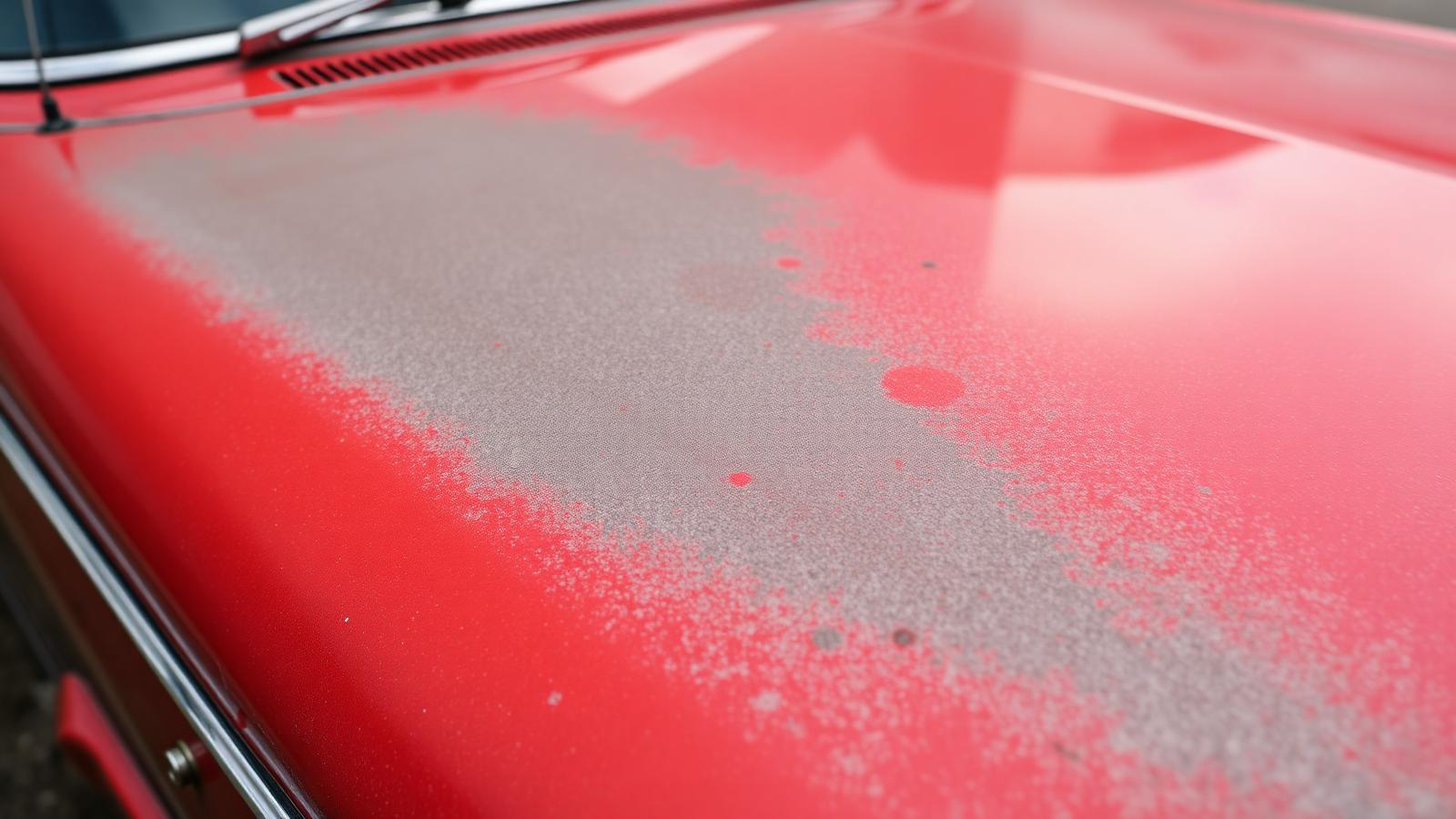
How Oxidised Paint Can Be Restored.
Oxidised paint can often be restored through careful decontamination, machine polishing and protection. The right approach depends on the depth of damage and the condition of the clear coat.
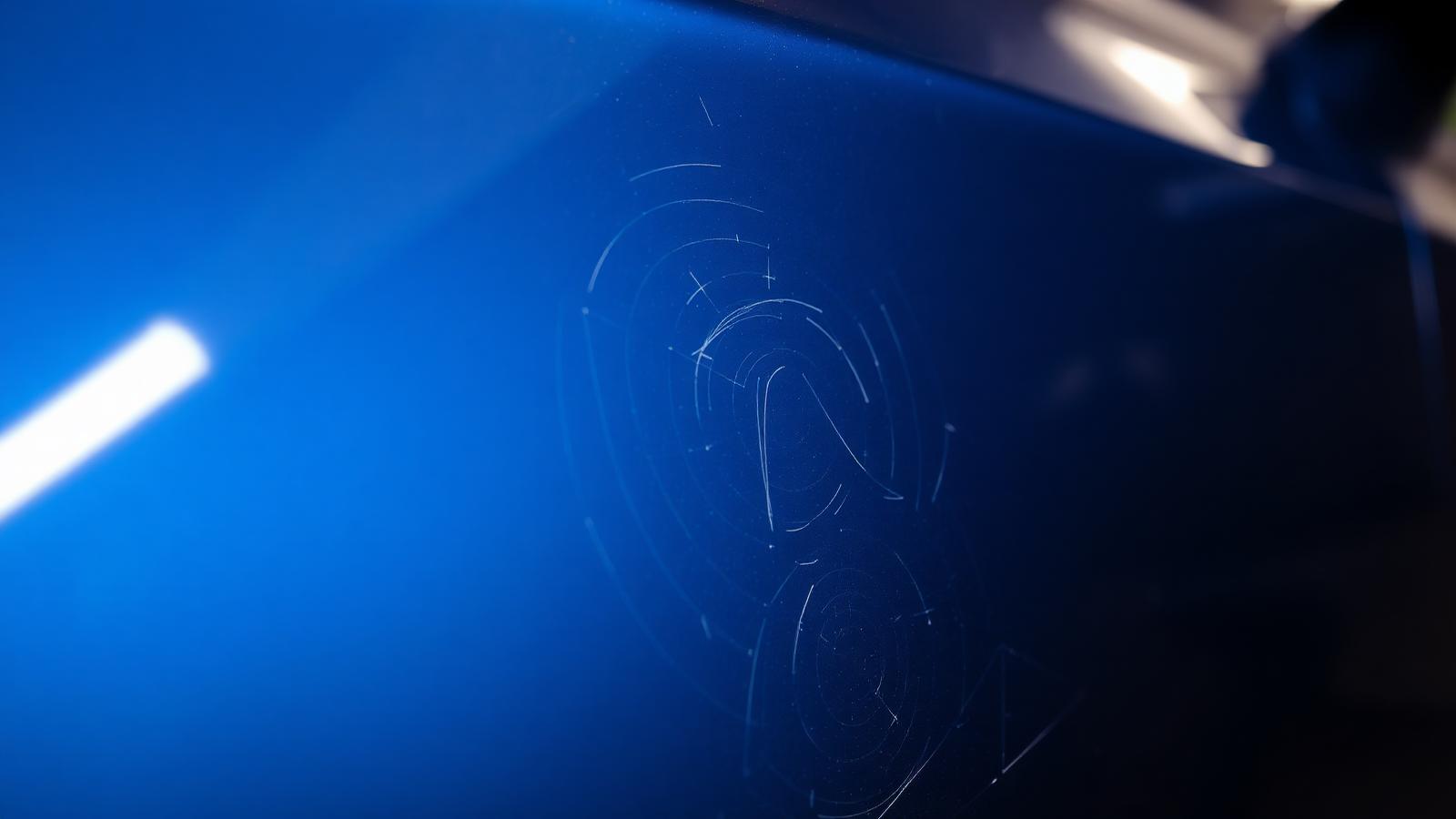
Signs Your Vehicle Needs Paint Correction.
Paint correction removes defects that sit in the clear coat, not dirt on the surface. This guide explains the signs to look for before booking work on your vehicle.
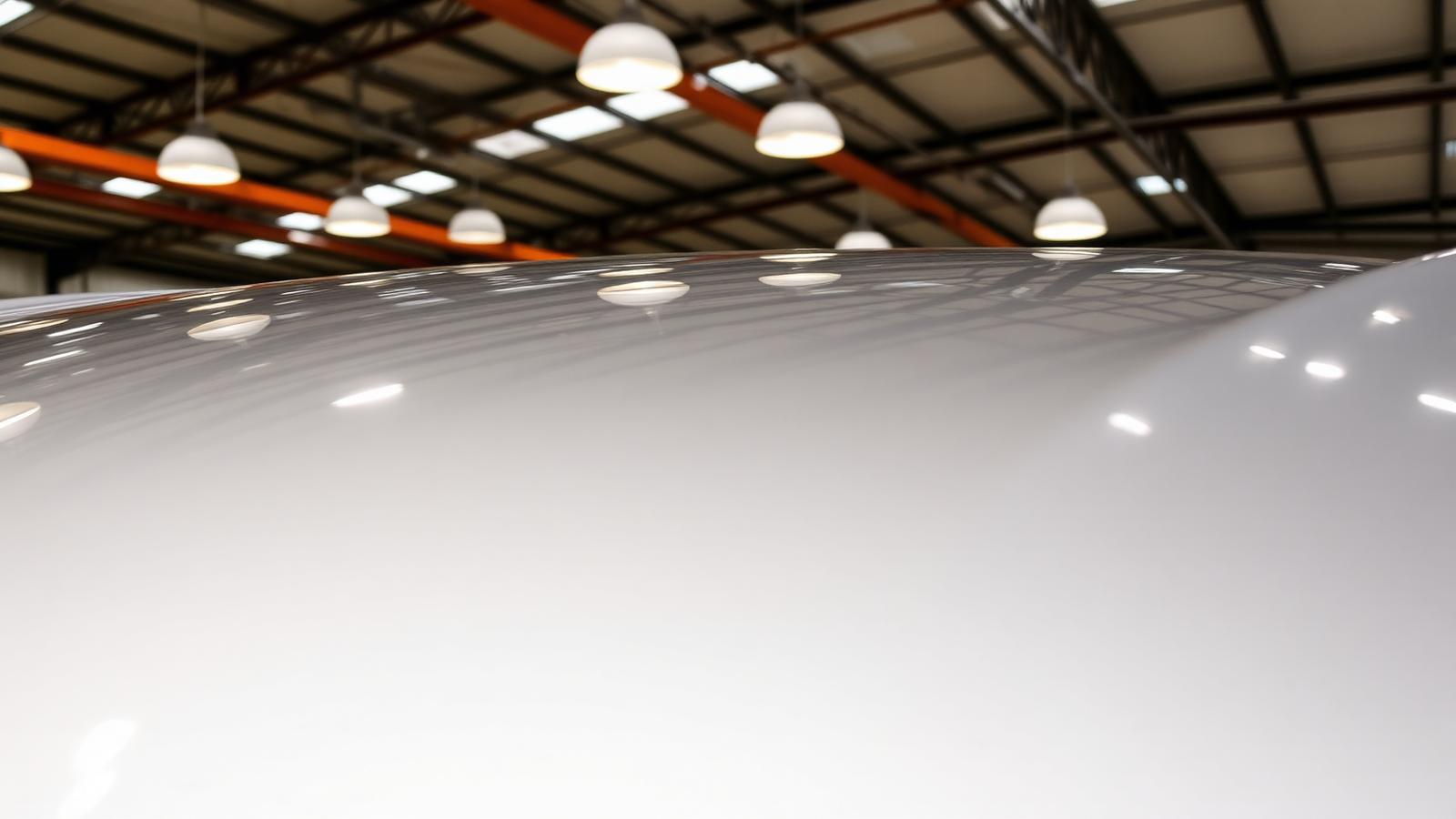
How Paint Correction Restores Gloss and Depth.
Paint correction restores gloss by refining the clear coat so light reflects cleanly again. The result depends on paint condition, defect depth and the level of correction chosen.