Signs Your Vehicle Needs Paint Correction.
How to recognise defects that washing and polishing alone will not properly resolve
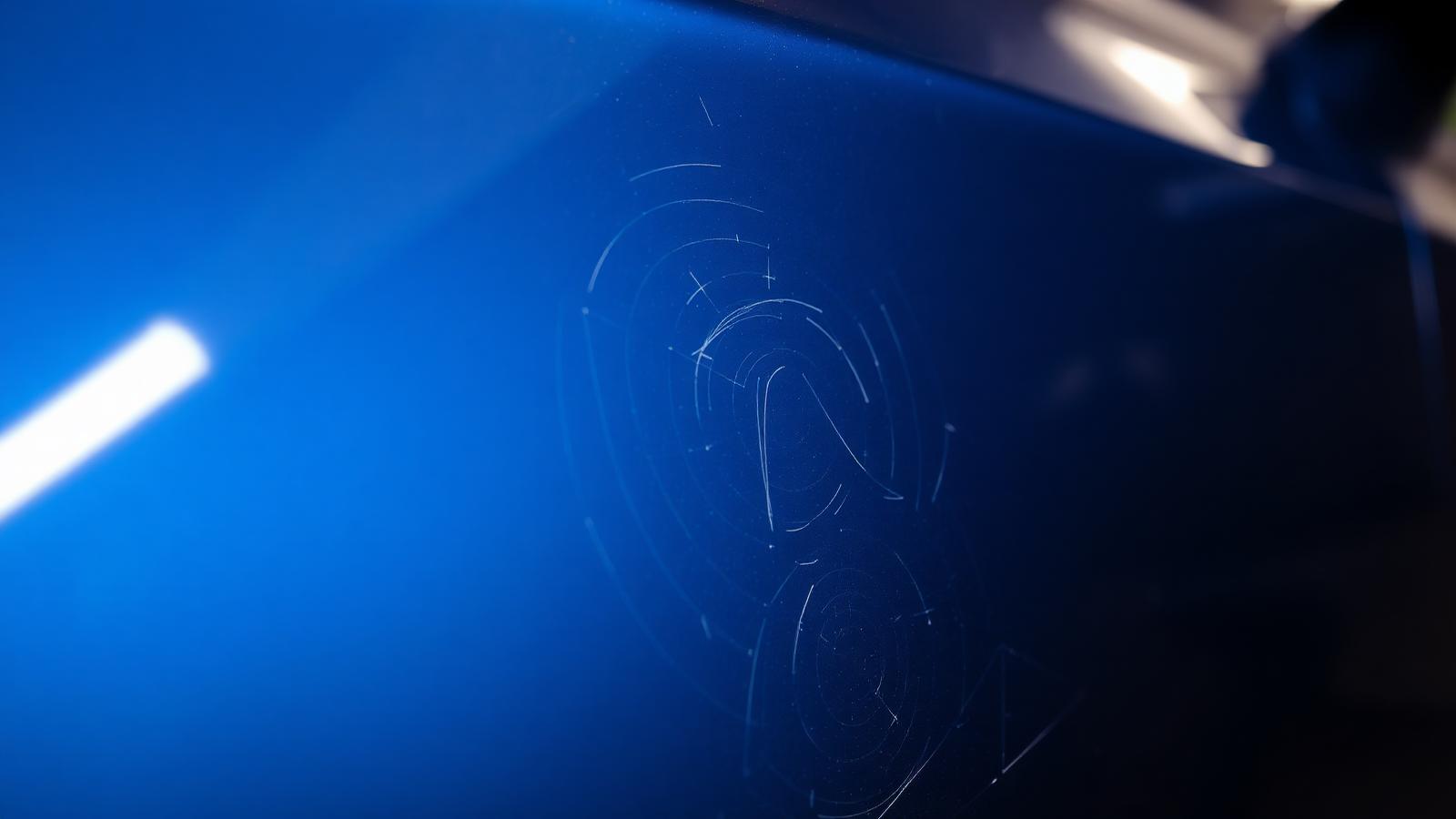
- Swirl marks are a common sign of paint defects.
- Dull paint can indicate marring or oxidation.
- Water spots may etch into the clear coat.
- Deep scratches may not be safely removable.
- Paint should be corrected before ceramic coating.
What Paint Correction Actually Fixes
Paint correction is the controlled removal of a very fine layer of clear coat to reduce visible defects in the paint. It is different from a wash, wax or standard detail because it addresses marks that have bonded into, or lightly cut into, the painted surface.
The most common signs of paint correction needed are visible under direct light. A vehicle can look acceptable in the shade, then show swirl marks, haze or scratches when parked in the sun or under workshop lighting. If you are unsure what the process involves, start with our guide to what paint correction is.
Paint correction can improve gloss, clarity and reflection, but it does not replace missing paint, repair stone chips or remove deep scratches that have gone through the clear coat.
Common Signs To Look For
You do not need specialist tools to notice many paint defects. A clean vehicle, bright daylight and a careful look across the panels are usually enough.
| Sign | What You May Notice | What It Usually Means |
|---|---|---|
| Swirl marks | Circular scratches visible in sunlight | Washing or drying marks in the clear coat |
| Haze or dullness | Paint looks flat even after washing | Fine marring, oxidation or product build-up |
| Random light scratches | Isolated lines around doors, boot or bonnet | Contact from clothing, bags, brushes or poor wash methods |
| Water spot etching | Spots remain after washing | Minerals or contaminants have marked the clear coat |
| Poor reflection | Edges and objects look blurry in the paint | Surface defects are scattering light |
If these marks return immediately after washing, the issue is usually not dirt. It is more likely to be a defect in the paint surface that needs machine correction rather than another layer of wax or sealant.
Why Auckland Vehicles Show These Marks
Auckland conditions are hard on vehicle paint. UV exposure, salt air, motorway grime, rain and hard water can all contribute to dullness and etching over time. Vehicles parked outside in Greenlane, central Auckland or near coastal areas often show water spotting and oxidisation sooner than garaged vehicles.
Traffic film is another common factor. Fine contamination from wet roads, brake dust and roadworks can bond to the paint. If that contamination is washed with a sponge or towel before being safely removed, it can create fine scratches across the panel.
This is why two vehicles of the same age can look very different. Paint condition depends on storage, washing habits, previous detailing work and how often the vehicle is exposed to harsh conditions.
When Detailing Is Not Enough
A full detail can make your vehicle cleaner, smoother and better presented, but it will not always restore paint clarity. If the surface defects are in the clear coat, they need correction rather than cleaning.
As a general guide:
- If the mark disappears when the panel is wet, paint correction may reduce it.
- If you can feel the scratch with your fingernail, it may be too deep to safely remove fully.
- If the paint still looks dull after decontamination, a machine polish may be needed.
- If the vehicle has been through automatic brush washes, swirl marks are likely.
- If you plan to apply ceramic coating, correction should usually be completed first.
For more detail on preparing paint before protection, see our article on paint correction before ceramic coating.
How Severity Affects The Process
Not every vehicle needs the same level of correction. Some paint only needs a light single-stage polish to improve gloss. Other vehicles need multi-stage correction to reduce heavier defects. The right approach depends on paint hardness, clear coat thickness, defect depth and your expectations.
A light correction may be suitable for newer vehicles with mild wash marks. A more involved correction may be needed for darker paint, older vehicles or panels with heavy swirling. Black, dark blue and deep grey paint often show defects more clearly because they reflect light sharply.
Paint correction in Auckland commonly ranges from about $600 to $1,800, depending on vehicle size and condition. Pricing should be based on inspection, not guesswork, because two similar vehicles can require very different preparation.
You can learn more about local considerations in our guide to paint correction in Auckland.
What To Do Before Booking
Before arranging paint correction, wash your vehicle carefully or have it professionally cleaned so the condition can be assessed properly. Avoid using filler-heavy polishes to hide defects before an inspection, as they can make the paint look better temporarily without showing the true condition.
A proper assessment should consider:
- Paint depth and panel history where relevant
- The type and severity of visible defects
- Whether the vehicle has previous polishing marks
- Your intended use of the vehicle
- Whether protection will be applied afterwards
After correction, many owners choose ceramic coating or other protection to help preserve the finish. Protection will not make paint scratch-proof, but it can make washing easier and reduce the chance of bonded contamination. You can review suitable options under paint protection.
If your vehicle is showing swirl marks, dullness or water spot etching, Carfē can inspect the paint at our Greenlane studio and recommend a measured correction plan. You can book an assessment when you are ready to understand what is realistic for your vehicle.
Frequently Asked Questions
What are the clearest signs of paint correction needed?
Swirl marks, haze, dullness, water spot etching and poor reflection are the most common signs. They are usually easiest to see in direct sunlight or under strong workshop lighting.
Can paint correction remove every scratch?
No. Paint correction can reduce many defects in the clear coat, but deep scratches that catch a fingernail may be too deep to remove safely.
Does a new vehicle ever need paint correction?
Yes, a new vehicle can still have wash marks, transport marks or dealership preparation defects. Inspection under proper lighting is the best way to confirm the paint condition.
Should I get paint correction before ceramic coating?
Usually, yes. Ceramic coating locks in the finish underneath, so correcting visible defects first gives a clearer and more refined result.
How much does paint correction cost in Auckland?
Paint correction in Auckland commonly ranges from about $600 to $1,800. The final cost depends on vehicle size, paint condition and the level of correction required.
Bring the depth back to your paintwork.
Our multi-stage paint correction removes swirls, holograms and light scratches, the essential foundation for any long-term protection.
Related Reading
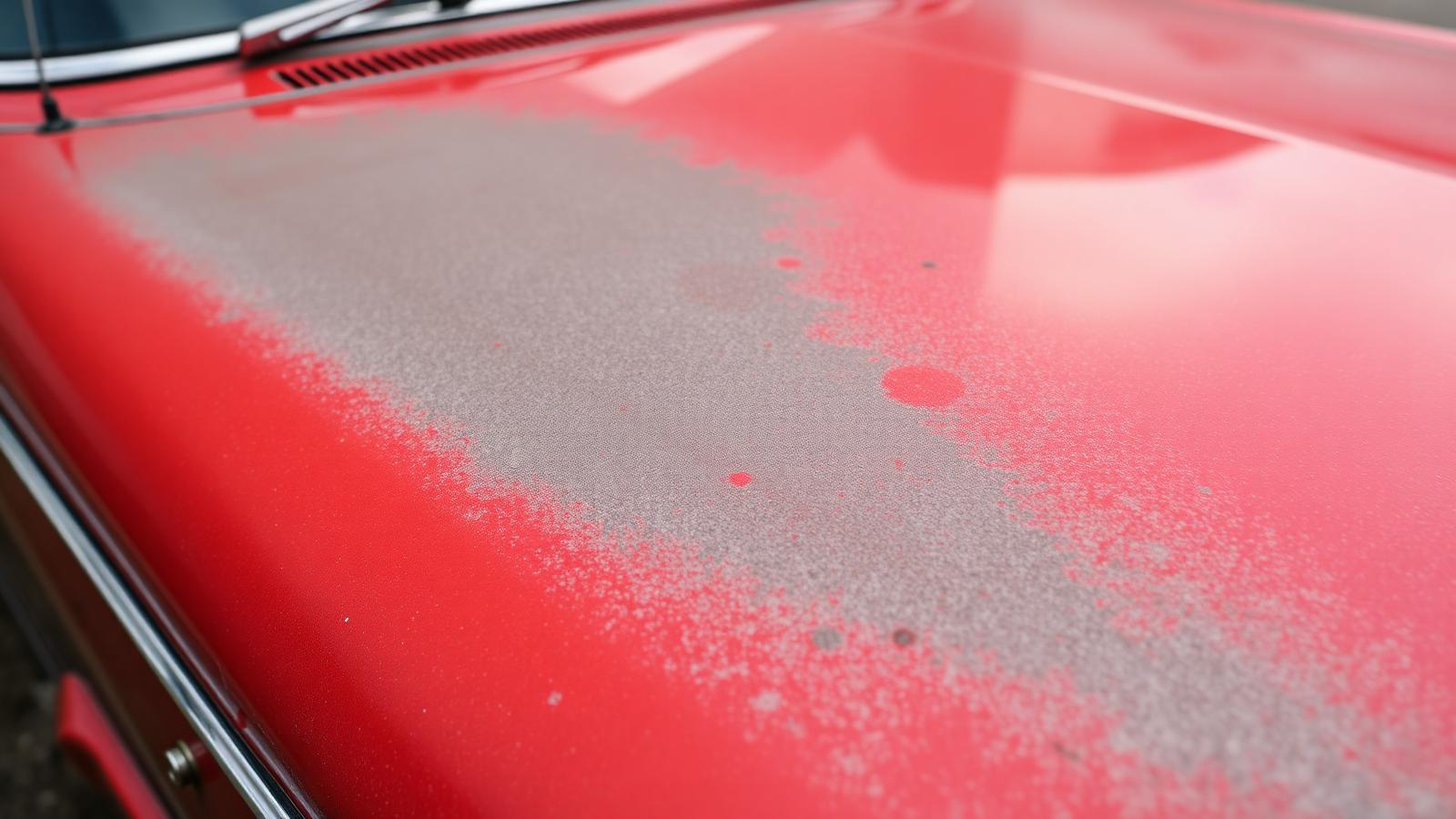
How Oxidised Paint Can Be Restored.
Oxidised paint can often be restored through careful decontamination, machine polishing and protection. The right approach depends on the depth of damage and the condition of the clear coat.
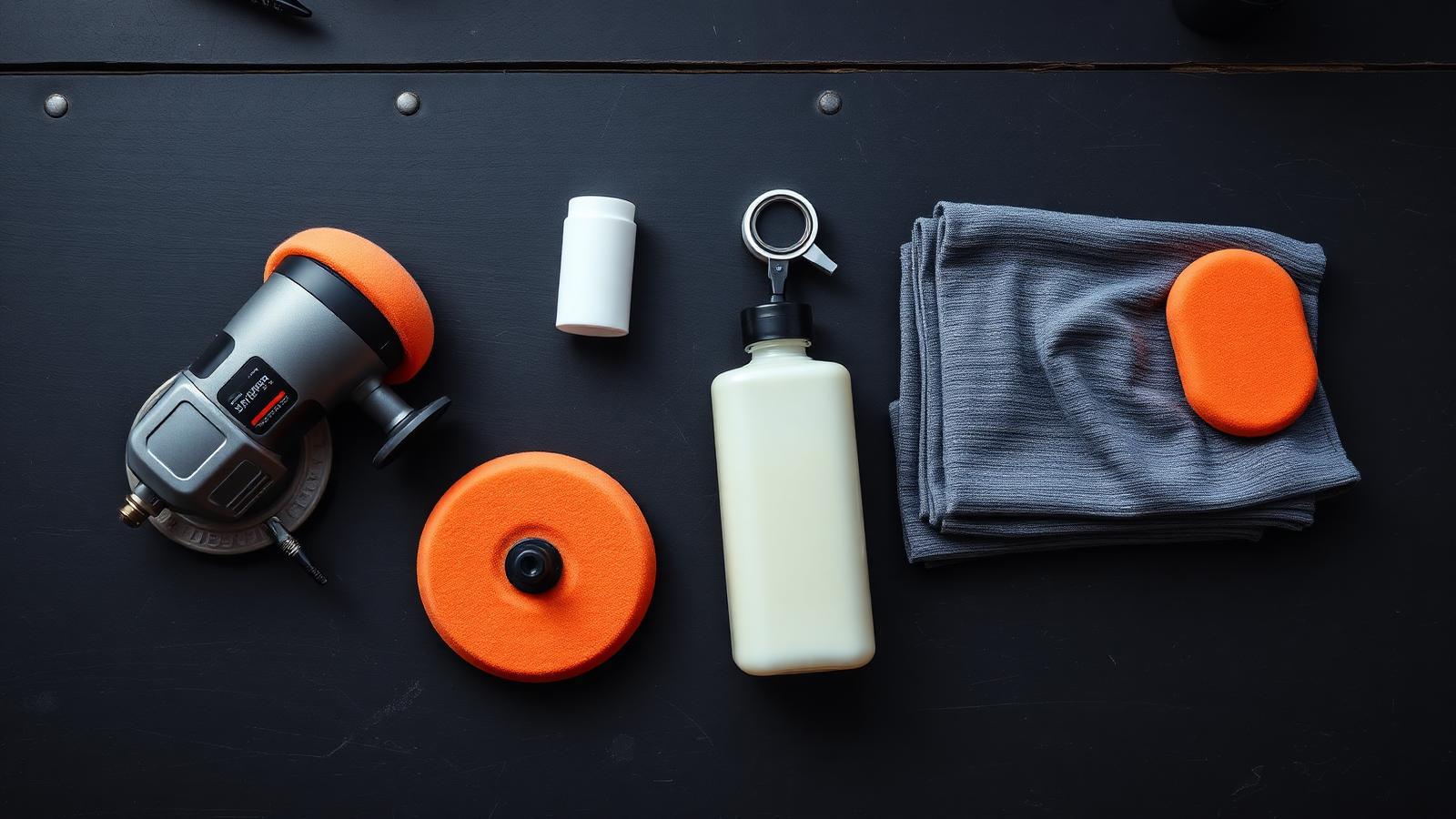
Machine Polishing vs Hand Polishing: What's the Difference?
Machine and hand polishing both improve paint, but they do very different jobs. This guide explains when each method is suitable and why correction usually needs a machine.
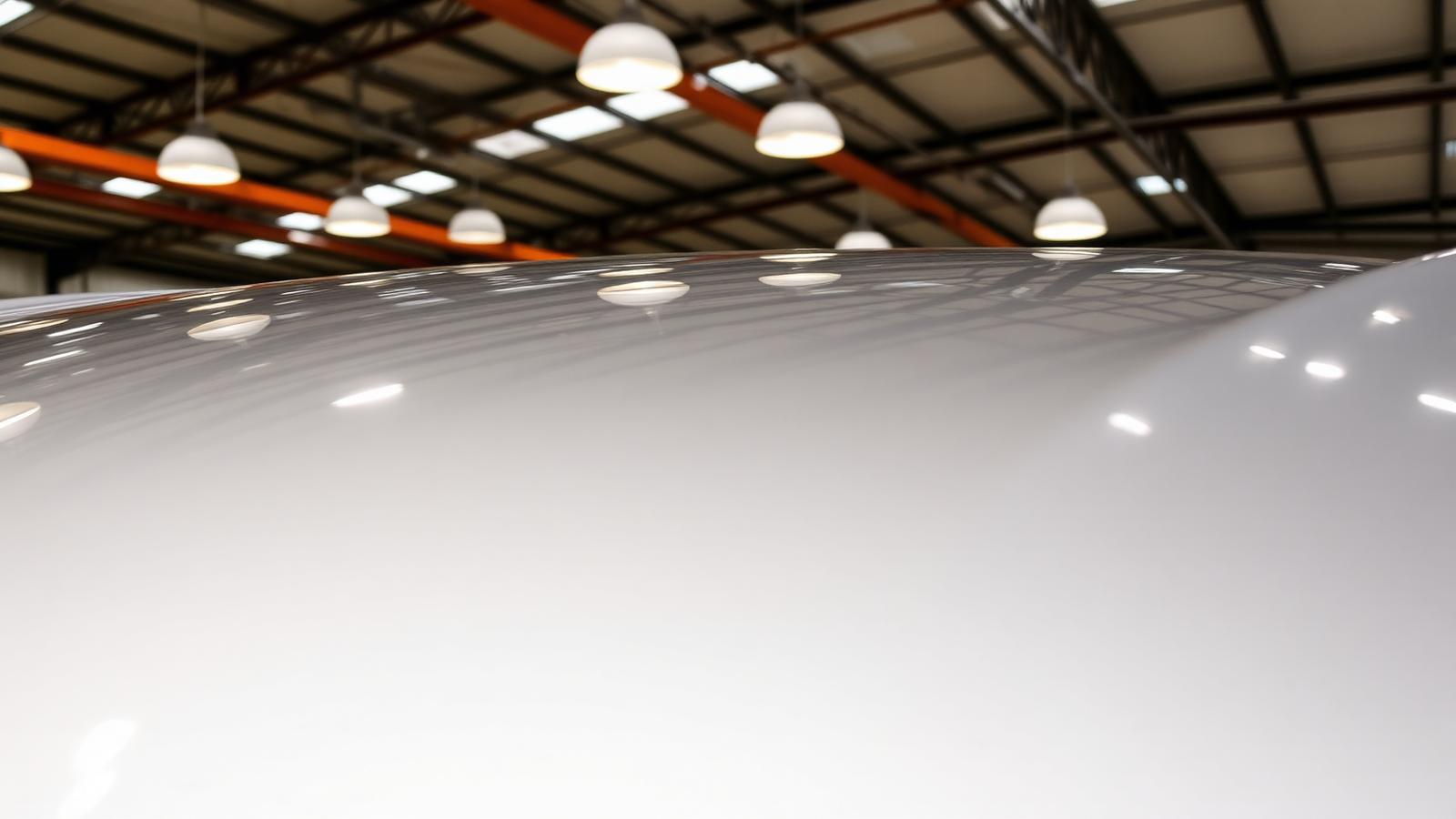
How Paint Correction Restores Gloss and Depth.
Paint correction restores gloss by refining the clear coat so light reflects cleanly again. The result depends on paint condition, defect depth and the level of correction chosen.