Does a New Car Need Ceramic Coating?
Why ceramic coating is often most effective when applied early, but still needs proper preparation
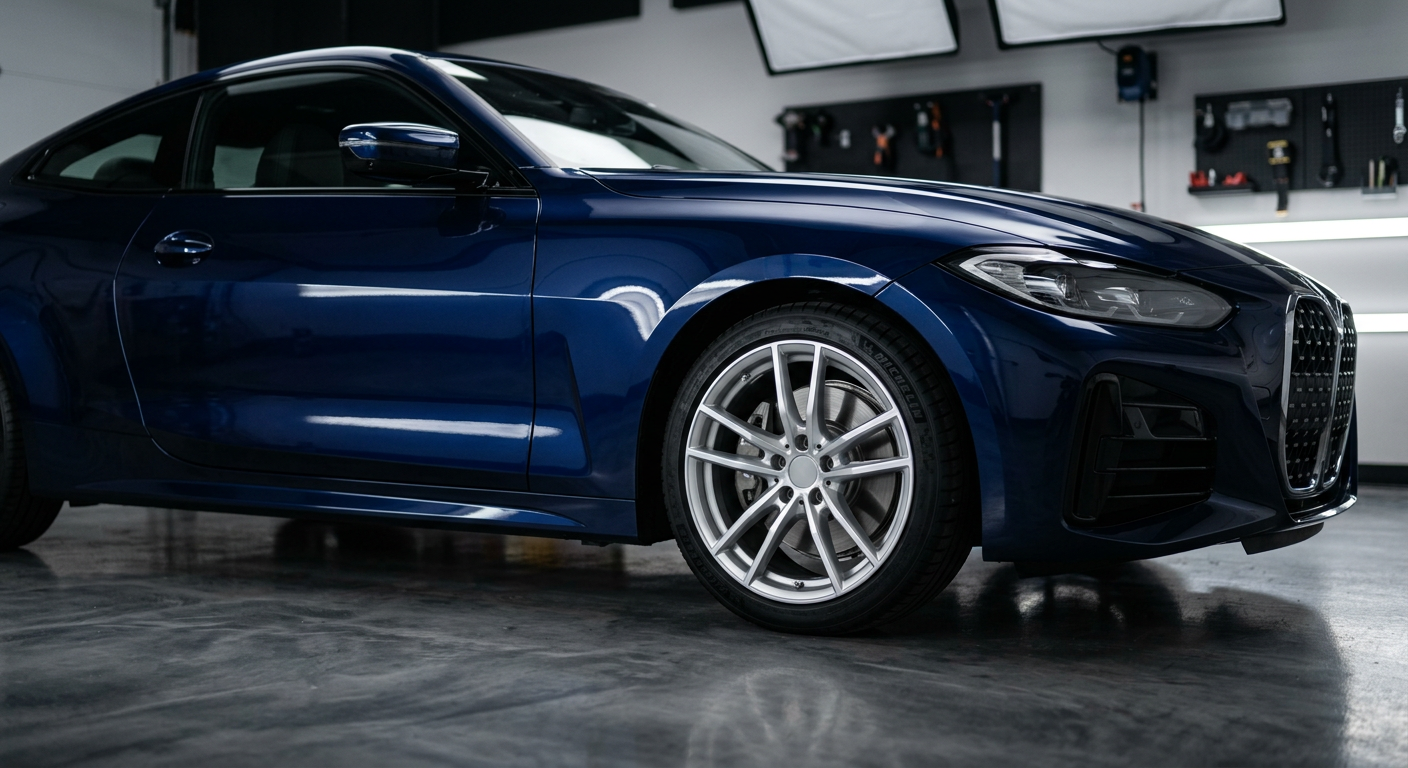
- New paint is not the same as protected paint.
- A new car may still need decontamination and polishing.
- Ceramic coating is most useful when applied early and maintained well.
- Preparation quality affects the final result and coating performance.
- Auckland conditions make early paint protection worth considering.
Why New Cars Still Need Protection
A new vehicle arrives with fresh paint, but that does not mean the surface is fully protected for Auckland use. Factory clear coat is designed to provide gloss and basic durability, not a dedicated barrier against UV, salt air, motorway grime, bird droppings, tree sap, hard water spotting and repeated washing.
New car ceramic coating is often a sensible option because the paint has not yet had years of wash marks, oxidation or environmental contamination. Applying protection early can make the vehicle easier to maintain and help preserve the finish from the start.
Ceramic coating is not a substitute for careful washing, and it does not make paint immune to scratches. It creates a harder, more chemical-resistant surface than wax or sealant, with strong water behaviour and easier cleaning. If you are new to the subject, this overview explains what ceramic coating is in more detail.
Why A New Car Is Not Always Coating-Ready
Many owners are surprised to learn that a new car can already have visible defects. These may come from transport, storage, dealership washing or delivery preparation. Under studio lighting, it is common to find light swirl marks, adhesive residue, water spots or bonded fallout on vehicles with very low kilometres.
Before coating, the paint should be assessed properly. If contamination or fine defects are sealed under the coating, they can remain visible for the life of the coating.
Common new-car preparation steps include:
- Pre-wash and contact wash to remove road film and delivery residue
- Chemical decontamination for iron fallout and tar where required
- Clay treatment if bonded contamination is present
- Paint inspection under controlled lighting
- Light machine polishing if gloss or clarity needs refinement
- Panel wipe to prepare the surface for coating adhesion
This is why many new vehicles still benefit from light correction before coating. The level of polishing is usually lower than on an older vehicle, but the inspection stage matters. You can read more about the process in paint correction before ceramic coating.
Ceramic Coating Compared With Leaving Factory Paint Alone
Whether a coating is worthwhile depends on how you use the vehicle, where it is parked and how you plan to maintain it. In Auckland, vehicles often see a mix of UV exposure, coastal air, rain, construction dust and motorway grime within the same week.
| Option | Main Benefit | Limitation | Best Suited To |
|---|---|---|---|
| Factory paint only | No extra upfront cost | Less resistance to contamination and harder cleaning | Short-term ownership or low concern for finish |
| Wax or sealant | Lower cost and improved gloss | Shorter durability and more frequent reapplication | Owners who enjoy regular maintenance |
| Ceramic coating | Longer-lasting protection and easier washing | Requires proper prep and safe wash habits | New vehicles kept for several years |
| Paint protection film plus coating | Stronger physical impact protection on selected areas | Higher cost and more complex installation | High-value vehicles or frequent motorway use |
For most new daily drivers, ceramic coating is chosen for ease of maintenance as much as appearance. Dirt releases more easily, drying is simpler, and the paint is less likely to hold onto grime after rain. However, poor washing can still create swirls, especially on darker colours.
When New Car Ceramic Coating Makes Sense
A coating is usually most worthwhile when you intend to keep the vehicle for a reasonable period and want a manageable care routine. It is especially relevant if your vehicle is parked outside, driven on motorways, exposed to coastal air or washed less often than ideal.
It can also be a good choice for darker paint, gloss black trims and premium finishes that show wash marks easily. A coating will not prevent every mark, but it can reduce how aggressively you need to clean the surface, which helps lower the risk of marring over time.
You may want to delay or avoid coating if the vehicle will be sold very soon, if you prefer a basic maintenance approach, or if you are not prepared to wash it carefully. Ceramic protection performs best when paired with pH-appropriate wash products, soft mitts and proper drying towels.
At Carfē, new car coatings are selected based on the vehicle, finish and intended use. Products from systems such as GTECHNIQ and Ceramic Pro may be suitable depending on the required durability and maintenance expectations. For a broader view of lifespan, see how long ceramic coating lasts.
What To Expect From The Process
A new car coating service is not simply coating applied over clean paint. The preparation is what determines the finish and supports coating performance. At Carfē's Greenlane studio, the process starts with inspection, because two new vehicles can arrive in very different condition.
A typical new car ceramic coating process includes:
- Initial inspection and discussion of how the vehicle will be used
- Safe wash and chemical decontamination
- Paint, glass and trim assessment under lighting
- Light polishing or refinement where required
- Surface preparation to remove polishing oils
- Ceramic coating application and controlled curing time
- Aftercare guidance for washing and maintenance
In Auckland, a professional new car ceramic coating package commonly sits in the $900-$3,500 range, depending on vehicle size, coating system, paint condition and whether wheels, glass or trim are included. If polishing requirements are higher than expected, this should be discussed before work begins.
The Best Time To Coat A New Car
The best time is usually soon after delivery, once the vehicle has been properly inspected. You do not need to wait months for modern factory paint to cure in normal circumstances, but you should avoid assuming the delivery finish is perfect.
If the vehicle has just been collected, avoid automatic brush washes and harsh dealership-style washing before its coating appointment. Keep the surface as clean as practical, remove bird droppings promptly and avoid applying unknown waxes or sealants that may need to be stripped later.
New car ceramic coating is not essential for every owner, but it is one of the more effective ways to protect a fresh finish early. If you would like your vehicle assessed, Carfē can inspect it at our Greenlane studio and recommend an appropriate preparation and coating approach. You can start by making an enquiry through booking a service.
Frequently Asked Questions
Does a brand new car need ceramic coating?
It does not strictly need ceramic coating, but it can benefit from it. Applying protection early helps preserve the finish before contamination, UV exposure and washing defects build up.
Should a new car be polished before ceramic coating?
Often, yes. Even new vehicles can have light swirl marks, water spots or bonded contamination, so a light refinement polish may be recommended before coating.
How soon can you ceramic coat a new car?
In most cases, a new car can be coated soon after delivery once it has been inspected and prepared correctly. The key is surface condition, not simply the age of the vehicle.
Will ceramic coating stop stone chips on a new car?
No. Ceramic coating improves chemical resistance, gloss and cleanability, but it does not provide meaningful impact protection from stones. Paint protection film is the more suitable option for chip-prone areas.
Is new car ceramic coating worth it in Auckland?
It can be worthwhile if the vehicle is exposed to UV, salt air, rain, motorway grime or outdoor parking. It is most valuable when you plan to keep the vehicle and maintain it with safe washing.
Book a GTECHNIQ ceramic coating at Carfē Greenlane.
Multi-stage decontamination, machine correction and professional-grade coatings, installed under studio lighting by accredited technicians.
Related Reading
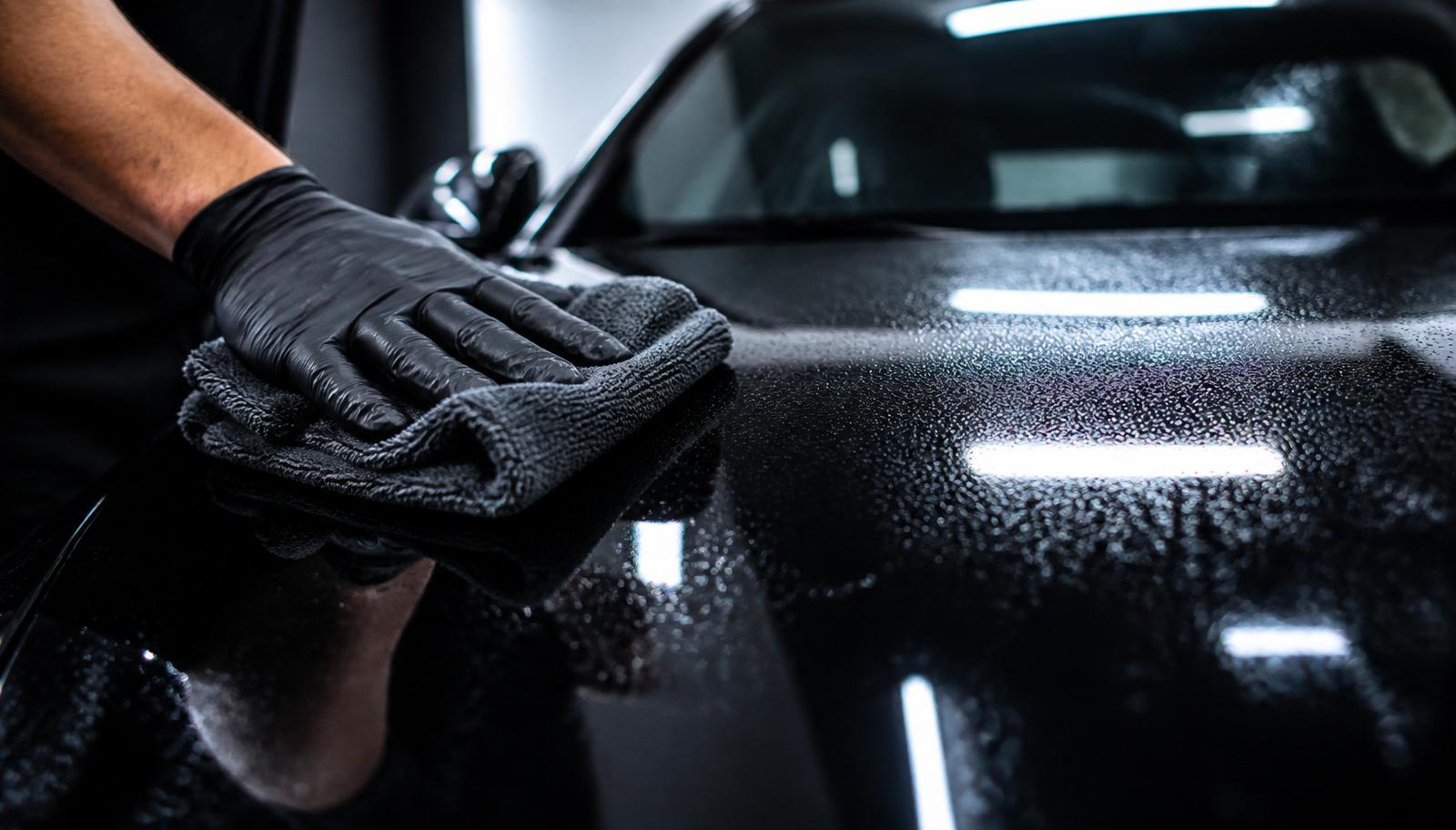
Why Preparation Is Critical Before Applying Ceramic Coating.
Ceramic coating preparation is the difference between a coating that bonds correctly and one that struggles from the start. Washing alone is not enough when paint has contamination, defects or polishing residue.
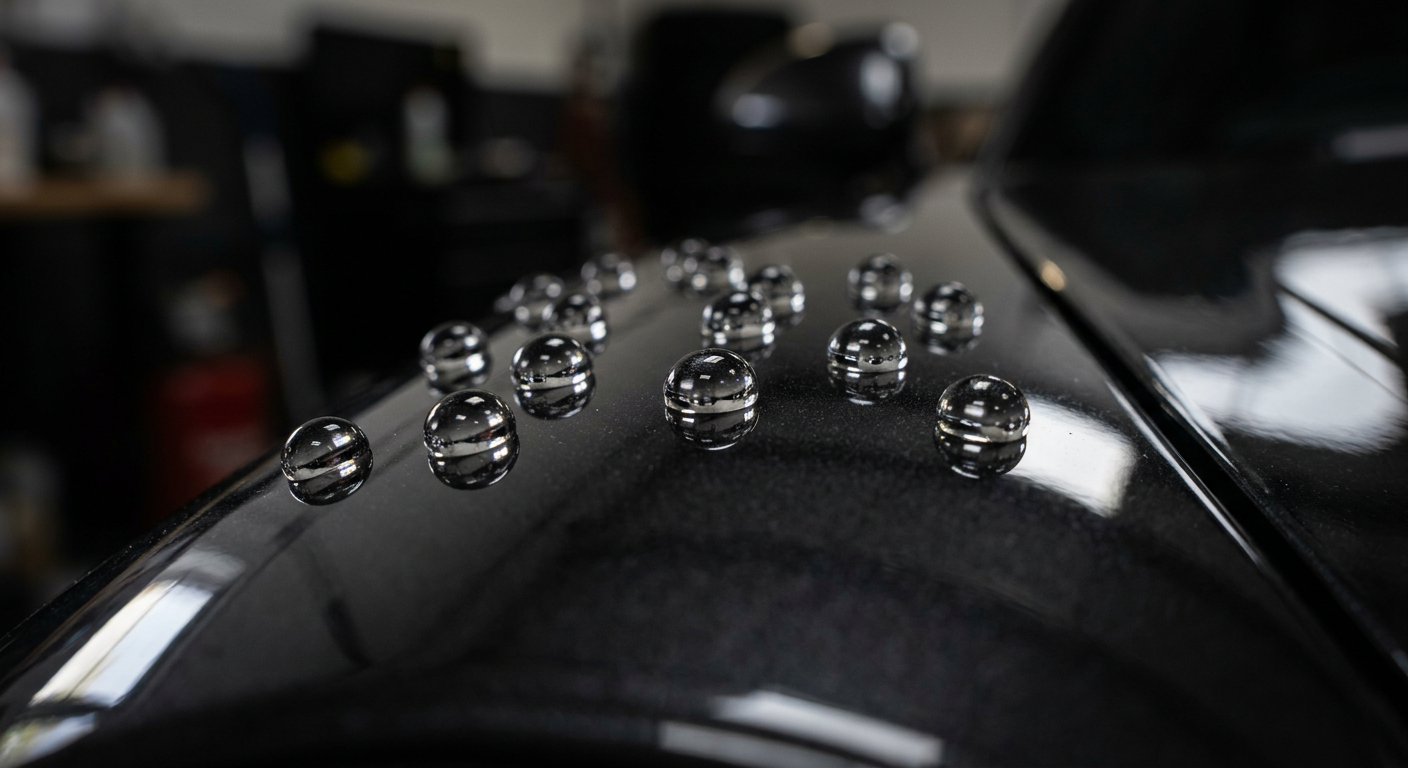
Can Ceramic Coating Prevent Scratches?
Ceramic coating does not prevent scratches in the way many people expect. It helps with chemical resistance, easier washing and reduced fine marring when maintained correctly.
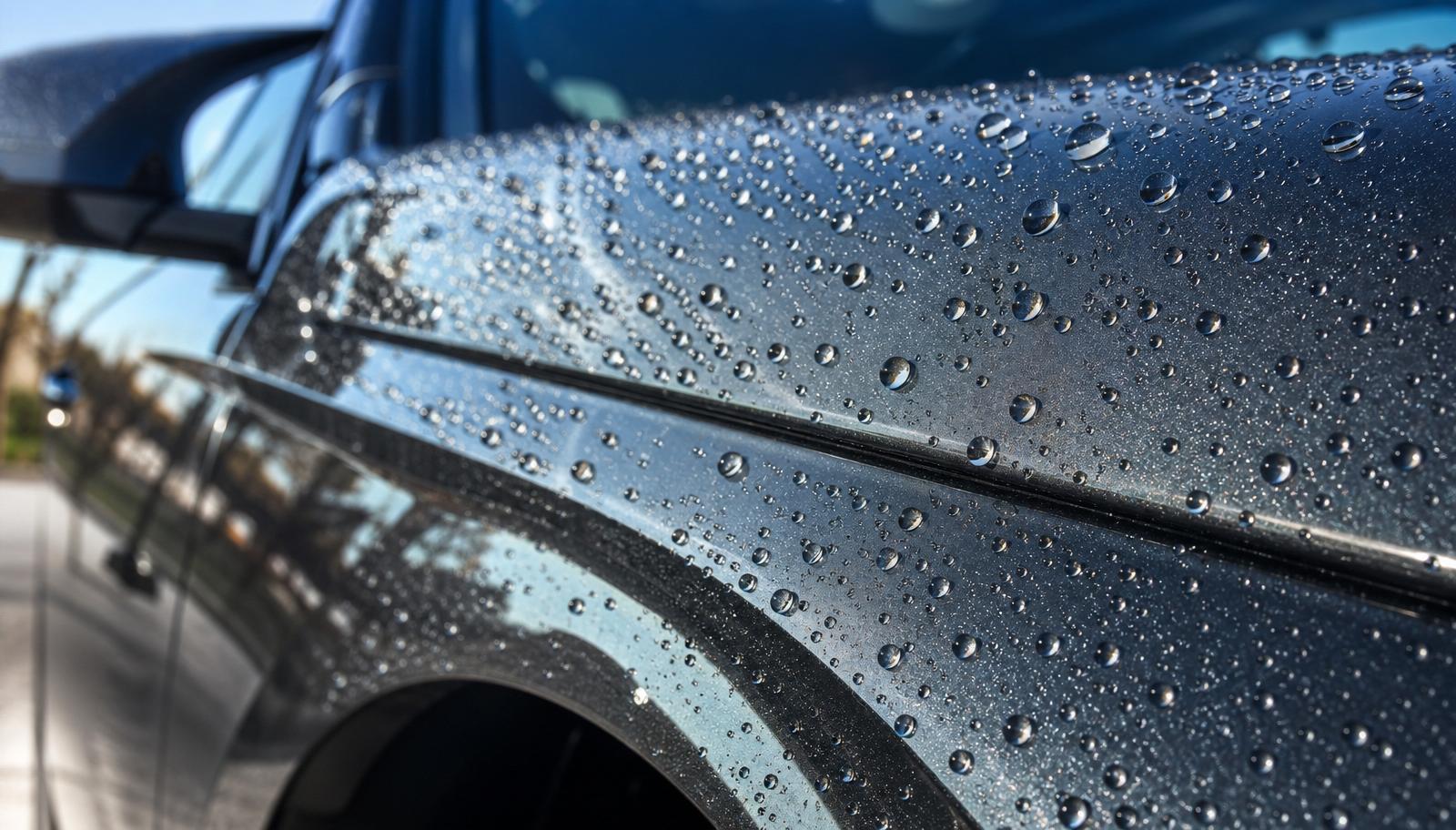
How Long Does Ceramic Coating Last? Realistic NZ Lifespan.
Ceramic coating lasts 2-9 years in NZ depending on product tier, preparation, wash habits, maintenance and exposure to Auckland conditions.