Can Ceramic Coating Prevent Scratches?
Ceramic coating can reduce fine wash marks, but it is not scratch-proof protection
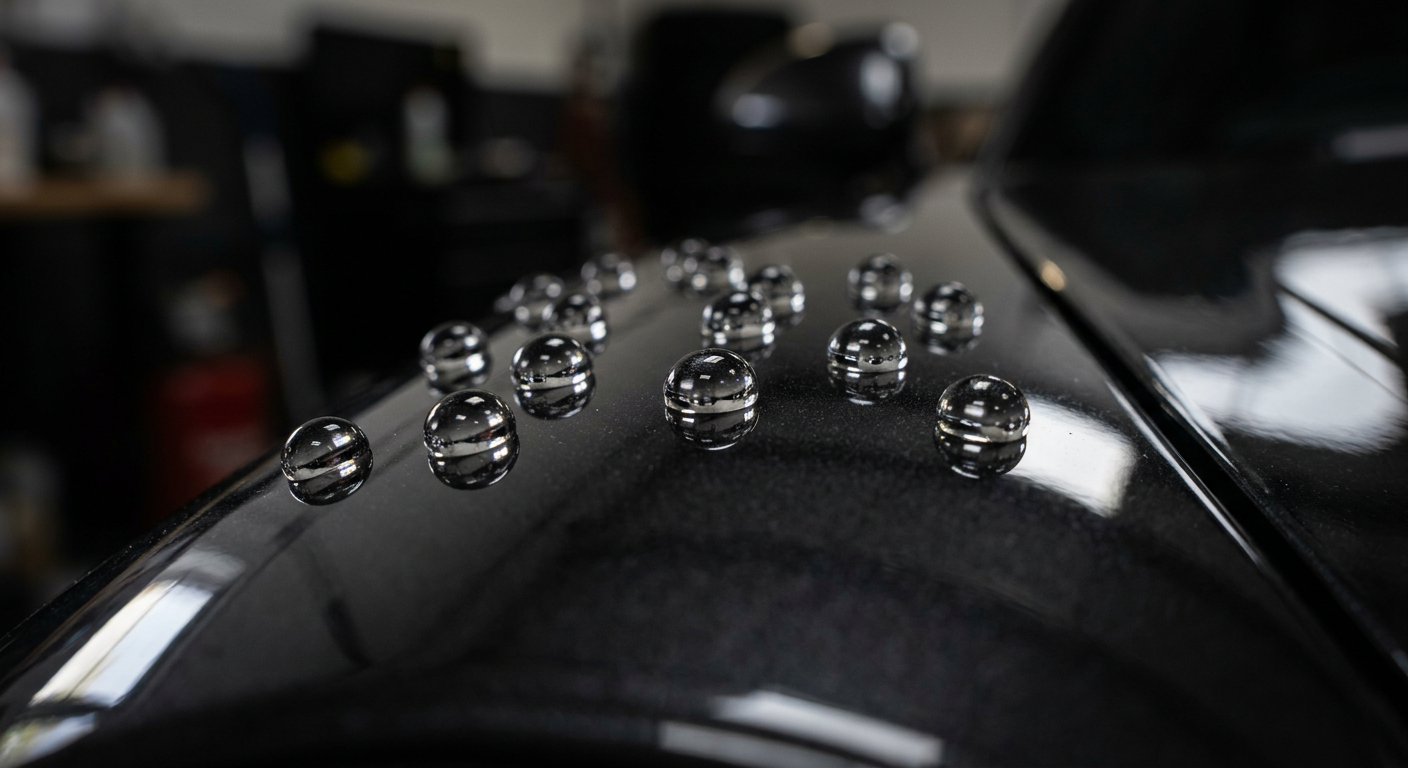
- Ceramic coating is not scratch-proof.
- It can reduce fine wash marring with proper care.
- Deeper scratches can still cut through the coating.
- Paint correction is usually needed before coating.
- PPF is better for impact and abrasion protection.
The Short Answer
If you are asking does ceramic coating prevent scratches, the honest answer is no - not completely. A ceramic coating is a hard, bonded protective layer over your paint, but it is still a thin surface coating. It cannot stop damage from keys, stones, branches, shopping trolleys, tight garage spaces or poor washing technique.
What it can do is reduce the likelihood of very fine wash marring when your vehicle is washed correctly. Because the surface becomes slicker and more resistant to dirt bonding, there is often less friction during maintenance washing. That can help your paint stay clearer for longer, especially in Auckland conditions where motorway grime, rain, salt air and hard water can build up quickly.
For a fuller explanation of how coatings work, see what is ceramic coating.
Why The Word Scratch Needs Context
Not all marks in paint are the same. Ceramic coating is often described as hard, but hardness does not mean scratch-proof. The type of contact matters more than the number used to describe the coating.
| Type Of Mark | Common Cause | Can Ceramic Coating Prevent It? |
|---|---|---|
| Fine wash marring | Dirty wash mitts, automatic brushes, poor drying towels | It may reduce the risk with proper washing |
| Light swirls | Repeated friction during washing and drying | It can help, but technique still matters |
| Deeper scratches | Keys, branches, bags, jewellery, fingernails | No, these can still cut through the coating |
| Stone chips | Motorway driving and loose road debris | No, impact protection requires a different solution |
| Water spotting etching | Minerals from hard water left to dry | It improves resistance, but spots should still be removed promptly |
This is why some coated vehicles still develop marks. The coating has not failed simply because a scratch appears. It may have protected the paint from lighter contamination, but it cannot absorb every form of physical contact.
What Ceramic Coating Is Best At
Ceramic coating is best understood as a chemical and maintenance protection system, not armour. At Carfē, coatings from brands such as GTECHNIQ and Ceramic Pro are used where they suit the vehicle, the finish and your ownership expectations.
A properly installed coating can help with:
- Easier washing - dirt, dust and road film release more readily.
- UV resistance - useful for vehicles parked outside in Auckland sun.
- Chemical resistance - helpful against bird droppings, bug residue and road grime when removed early.
- Water behaviour - water sheets or beads more effectively, making drying easier.
- Gloss retention - the paint can stay cleaner and sharper when maintained correctly.
These benefits can indirectly reduce scratching because less bonded grime needs to be scrubbed from the surface. The important point is that the coating supports good maintenance - it does not replace it.
Why Paint Preparation Matters
Ceramic coating locks in the condition of the surface underneath. If your vehicle already has swirls, haze or light scratches, coating over them will not remove those defects. In many cases, the coating can make the finish look glossier while the defects remain visible under sunlight or workshop lighting.
This is why paint correction is often recommended before coating. Correction refines the clear coat, removes or reduces visible defects, and gives the coating a cleaner surface to bond to. The level of correction depends on your paint condition, your expectations and the vehicle’s use.
A daily-driven SUV that lives outdoors may need a different approach from a weekend car kept in a garage. The goal is not always perfection - it is choosing the right preparation so the coating performs properly and the finish looks consistent. You can read more in paint correction before ceramic coating.
When You Need More Scratch Resistance
If your main concern is physical damage, ceramic coating may not be the right protection on its own. Paint protection film, often called PPF, is designed to provide a thicker sacrificial layer over the paint. It is better suited for high-impact and high-contact areas.
Common areas where PPF may be more appropriate include:
- Front bumper and bonnet edges exposed to motorway chips
- Door cups affected by fingernails and rings
- Boot ledges where bags and prams are loaded
- Door edges in tight parking spaces
- Side mirrors and lower panels exposed to road debris
Ceramic coating and PPF can also work together. PPF can protect the areas most likely to be physically damaged, while ceramic coating can make the rest of the vehicle easier to clean and maintain. For a practical comparison, see ceramic coating vs PPF.
How To Reduce Scratches After Coating
The way your vehicle is washed after coating has a major effect on how long it stays looking good. Even the best coating can be marked by grit dragged across the surface.
To reduce the risk of scratches:
- Rinse thoroughly before touching the paint
- Use a quality wash mitt and clean shampoo
- Avoid automatic brush washes
- Wash wheels and lower panels separately
- Dry with clean, soft towels or filtered air
- Remove bird droppings, sap and water spots as soon as practical
- Avoid wiping dust off a dry vehicle
Regular maintenance is especially important in Auckland, where alternating rain, sun and road film can leave contamination sitting on the surface. A coating makes cleaning easier, but it still needs careful washing.
If you want help choosing the right level of paint protection for your vehicle, Carfē can inspect the paint at our Greenlane studio and explain whether ceramic coating, correction, PPF, or a combination is most suitable. You can view our paint protection options or make an enquiry before booking.
Frequently Asked Questions
Does ceramic coating prevent scratches completely?
No. Ceramic coating can reduce very fine wash marring, but it cannot stop deeper scratches from keys, branches, stones or hard contact.
Will ceramic coating stop swirl marks?
It can reduce the risk of swirl marks when your vehicle is washed correctly. Poor washing or automatic brush washes can still mark a coated vehicle.
Can scratches be removed after ceramic coating?
Yes, but removing scratches usually means polishing the affected area, which can also remove or reduce the coating. The area may need to be recoated afterwards.
Is ceramic coating harder than paint?
Ceramic coating adds a harder protective layer on top of the paint, but it is still thin. Harder does not mean immune to scratches or impact damage.
Should I choose ceramic coating or PPF for scratch protection?
Choose ceramic coating for easier cleaning, gloss and chemical resistance. Choose PPF for stronger protection against chips, scuffs and high-contact areas.
Book a GTECHNIQ ceramic coating at Carfē Greenlane.
Multi-stage decontamination, machine correction and professional-grade coatings, installed under studio lighting by accredited technicians.
Related Reading
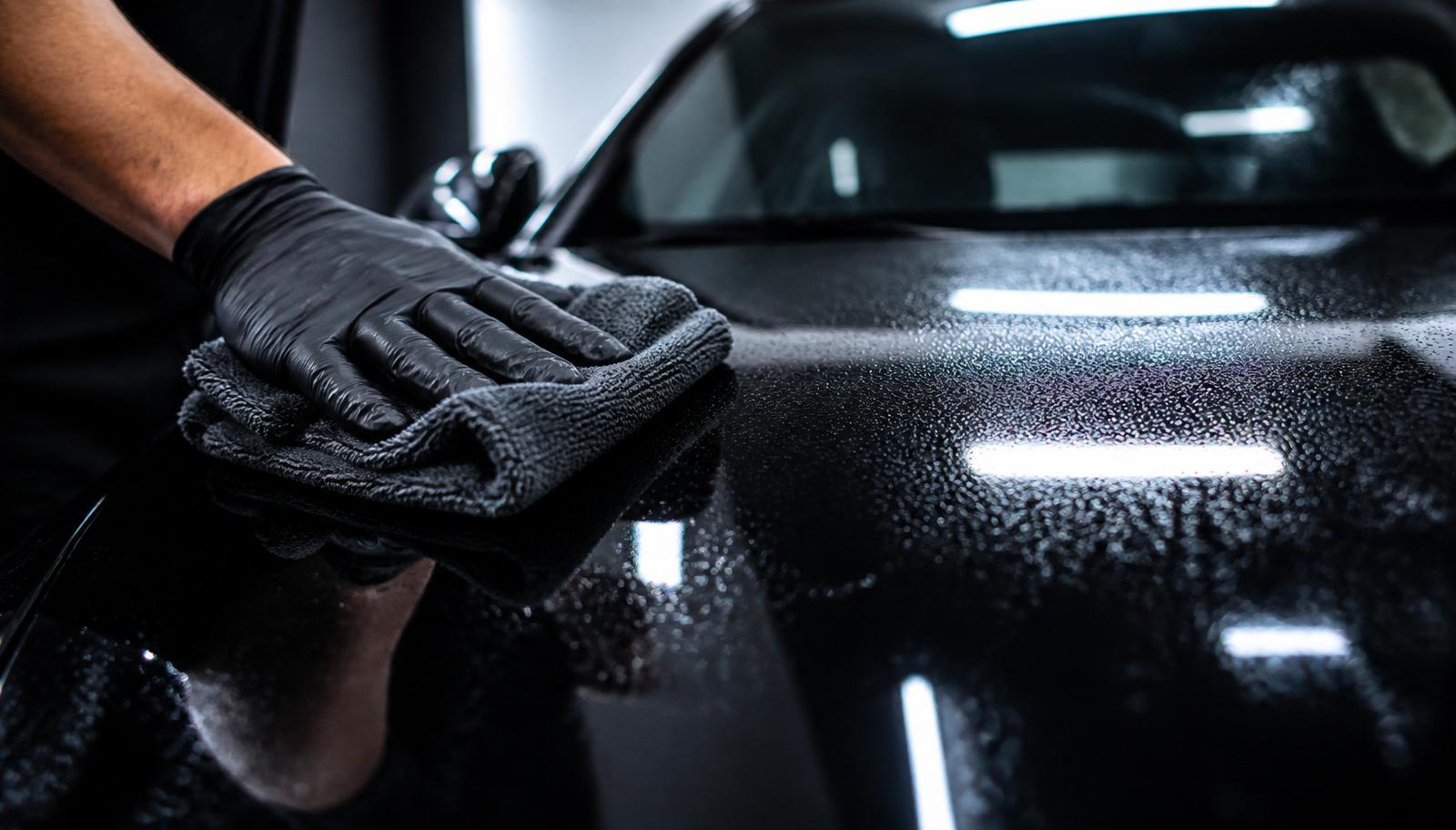
Why Preparation Is Critical Before Applying Ceramic Coating.
Ceramic coating preparation is the difference between a coating that bonds correctly and one that struggles from the start. Washing alone is not enough when paint has contamination, defects or polishing residue.
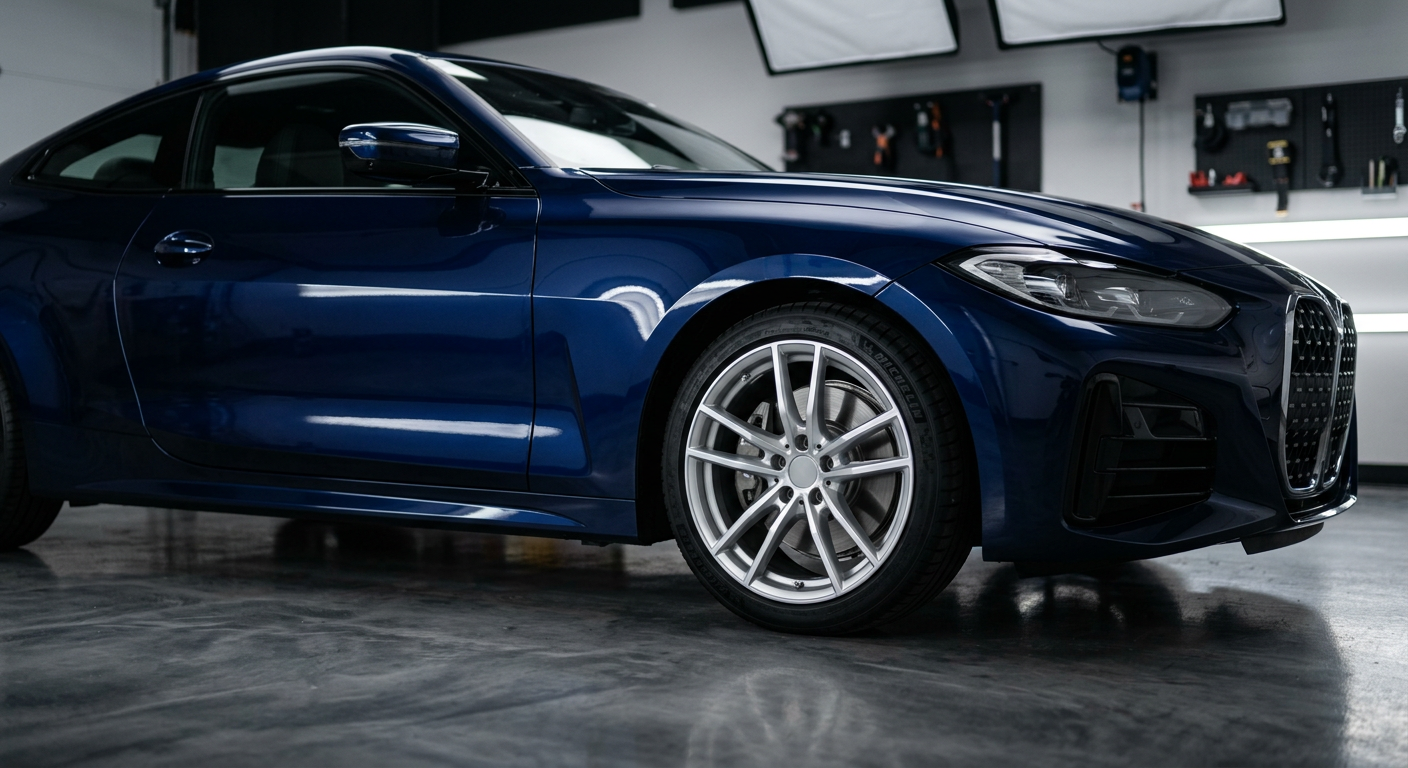
Does a New Car Need Ceramic Coating?
A new car can benefit from ceramic coating, but it is not always ready for coating straight from delivery. The finish should be inspected, decontaminated and refined first.
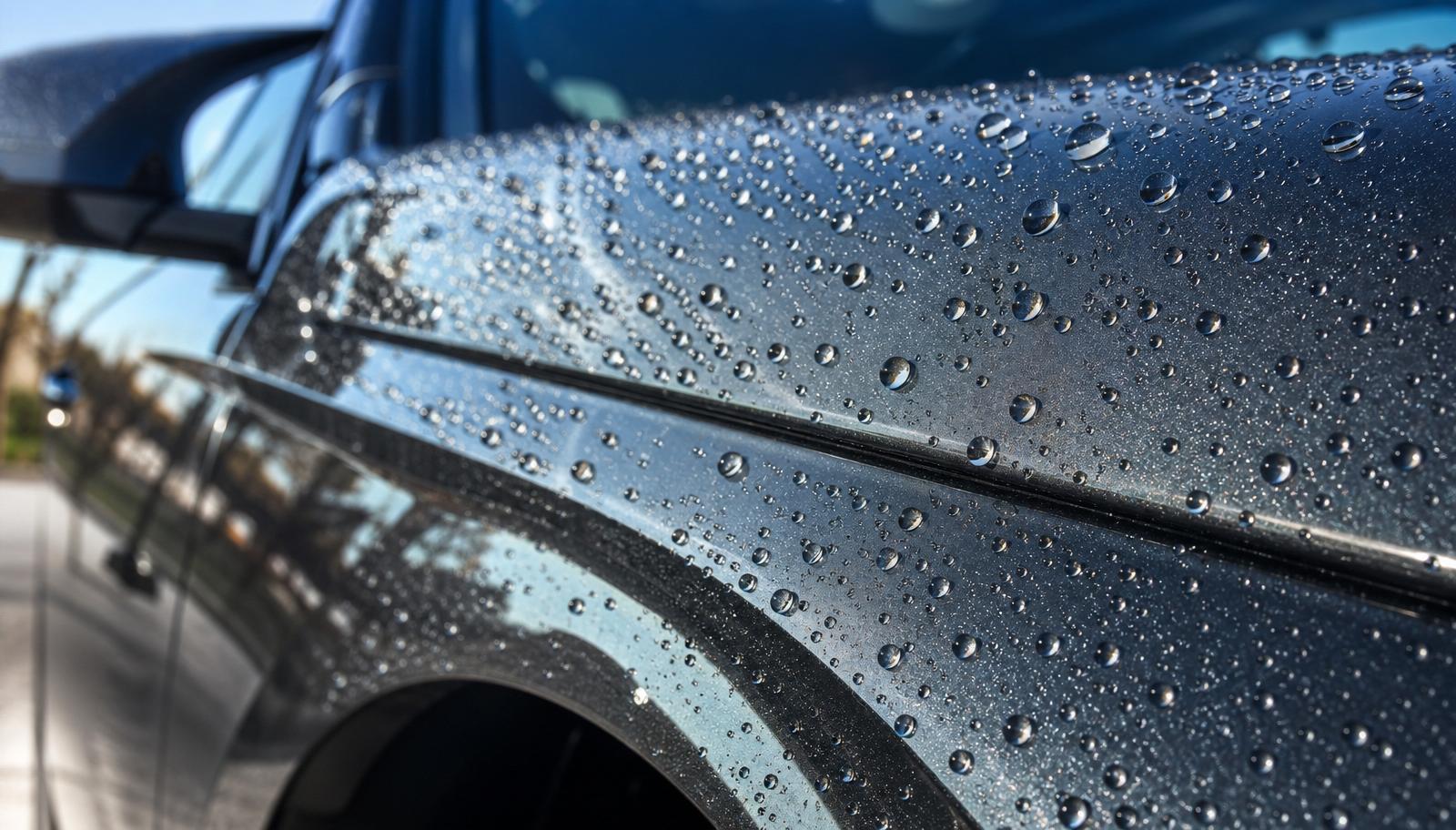
How Long Does Ceramic Coating Last? Realistic NZ Lifespan.
Ceramic coating lasts 2-9 years in NZ depending on product tier, preparation, wash habits, maintenance and exposure to Auckland conditions.