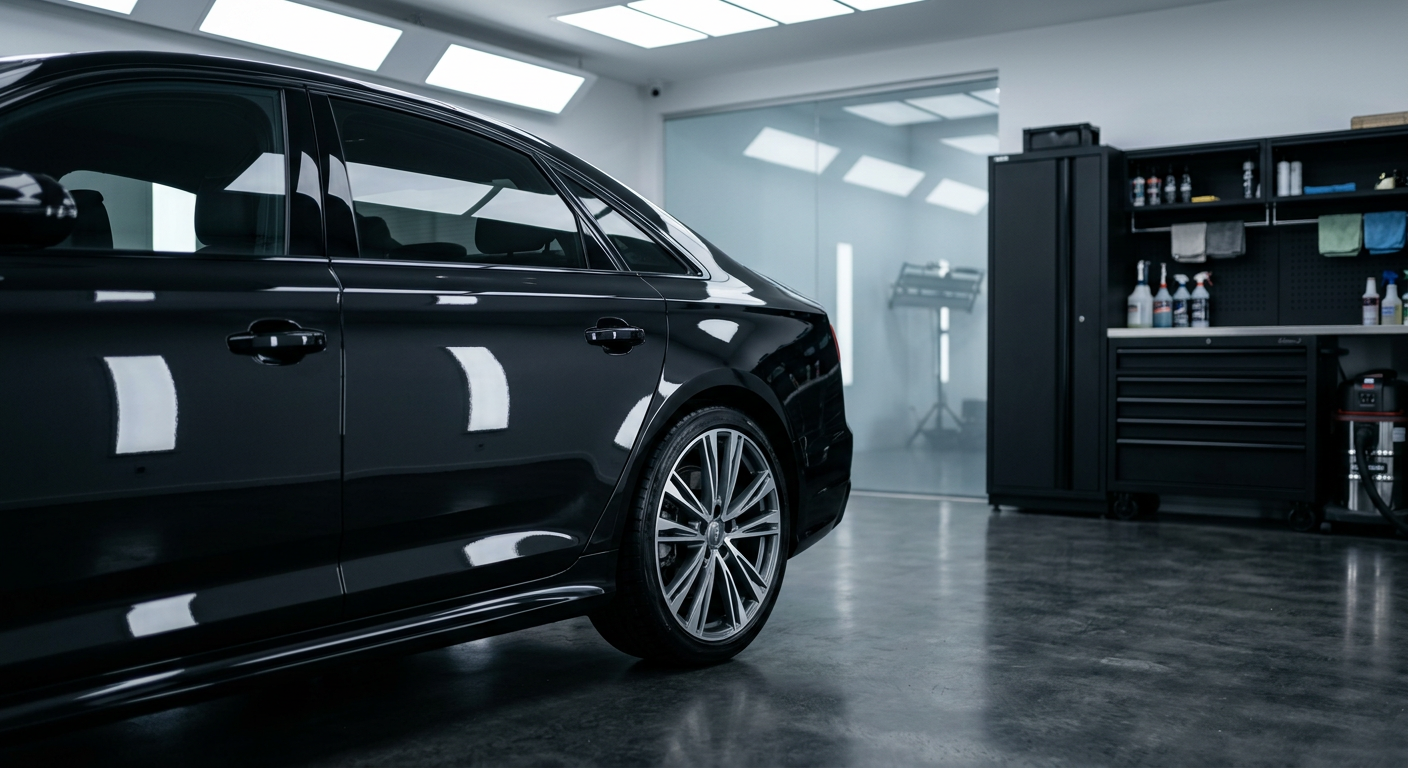
Ceramic Coating vs Paint Protection Film (PPF): Which Do You Need?
A practical guide to choosing chemical protection, physical impact protection, or a combined system for Auckland driving.
- Ceramic coating provides chemical, UV and hydrophobic protection.
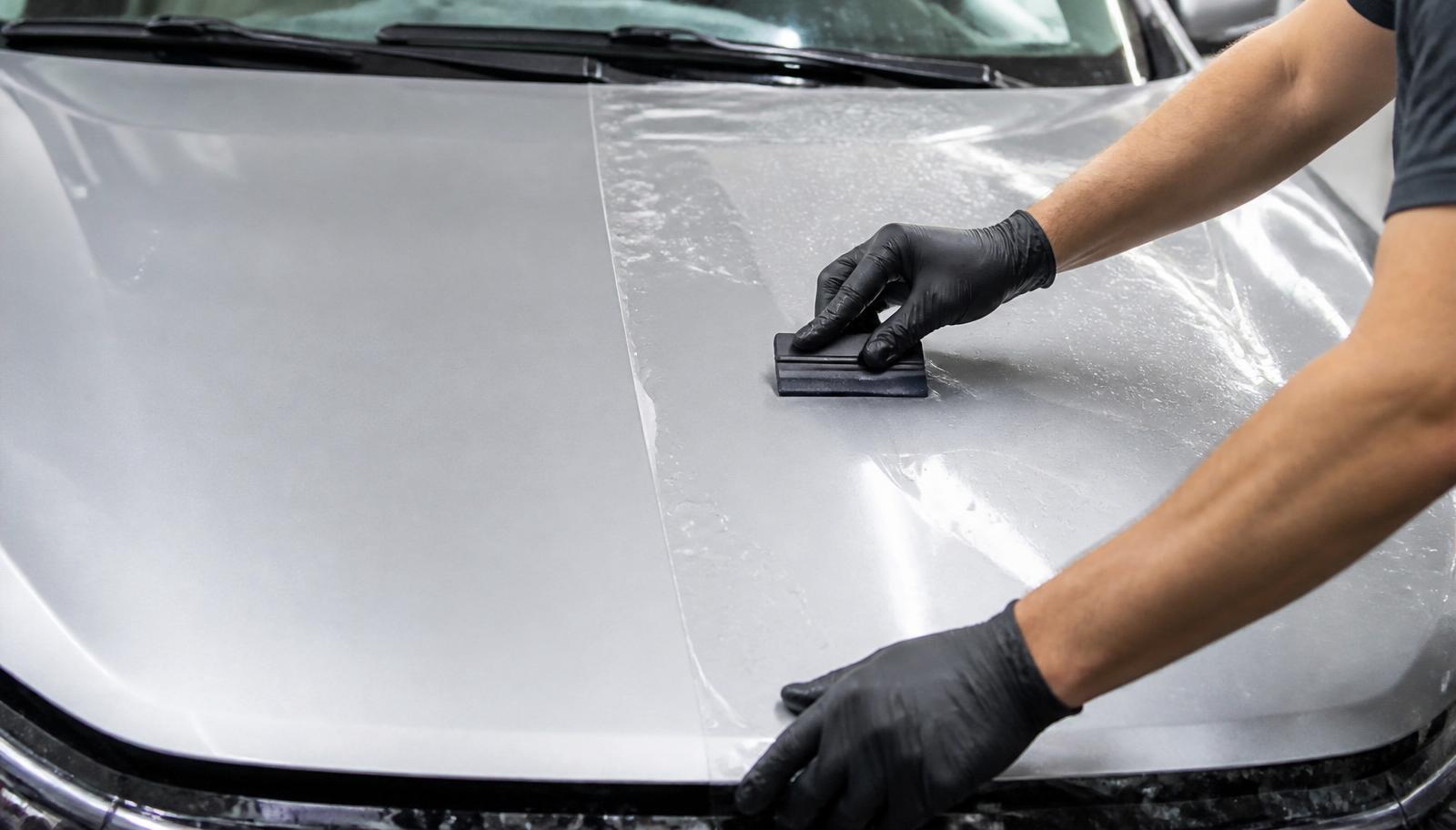
- PPF provides physical protection against chips and light scuffs.
- Ceramic coating does not replace PPF for impact resistance.
- PPF on high-impact zones plus ceramic coating is often the best balanced system.
- Neither option is ideal if paint is failing or ownership is short term.
Ceramic Coating Vs PPF: Chemical Protection Vs Physical Protection
Ceramic coating bonds to the paint as a hard, hydrophobic chemical layer. It improves washability, gloss, UV resistance and resistance to road film, bird droppings and mild chemicals. Paint protection film, or PPF, is a clear polyurethane film that absorbs physical impact from stone chips, light scuffs and road debris.
If you are comparing ceramic coating vs PPF, the key question is simple: do you mainly want easier maintenance, or do you need impact protection?
Full Comparison: Ceramic Coating Vs PPF
| Factor | Ceramic coating | Paint protection film (PPF) |
|---|---|---|
| Main purpose | Chemical and hydrophobic protection | Physical impact protection |
| Typical thickness | Microns | Around 150-200 microns depending on film |
| Stone chip defence | Minimal | Strong on covered areas |
| Self-healing | No true self-healing | Many premium films self-heal light marks with heat |
| Gloss impact | Adds clarity and slickness | Adds gloss or satin finish depending on film |
| Install time | Usually 1-3 days with prep | Usually 1-5 days depending on coverage |
| Cost | Lower than PPF | Higher due to material and installation time |
| Warranty | Product dependent, often multi-year | Product dependent, often multi-year |
When Ceramic Coating Makes Sense
Choose a ceramic coating if your priority is keeping the car cleaner for longer and making safe washing easier. It suits daily drivers, European vehicles with brake dust, EVs with large painted surfaces, and cars parked outside in Auckland’s UV, rain and coastal air.
A coating will not stop stone chips, but it does reduce how strongly grime bonds to the surface. At Carfē, coatings are supported by proper decontamination, machine polishing where needed, and proven systems from brands such as GTECHNIQ and Ceramic Pro. See our paint protection options for package guidance.
When PPF Makes Sense
Choose PPF if the car is new, high value, performance focused, or regularly driven on motorways and rural NZ roads. It is the correct solution for chip-prone paint, low front bumpers, wide guards and vehicles you plan to keep in excellent condition.
Common Auckland High-Impact Areas
- Front bumper, bonnet edge and headlights
- Mirror caps and front guards
- Door cups, sills and boot loading edges
- Full front end for performance and prestige vehicles
When To Choose Both, Or Neither
The best system for many cars is PPF on high-impact zones, then ceramic coating over the remaining paint and the film. This gives impact resistance where needed and easier washing across the whole vehicle. It is often the most balanced approach for new cars in Greenlane and wider Auckland.
You may choose neither if the paint is already failing, the vehicle is near end of ownership, or budget is better spent on correction and maintenance first. Our detailing services can help stabilise tired paint before protection is considered.
The Carfē Standard
At Carfē in Greenlane, we assess paint condition, usage, storage and ownership plans before recommending coating, PPF, both, or neither. We install with controlled prep, quality tools from Rupes and Koch-Chemie, and clear advice rather than overselling. If you want a tailored recommendation, you can book an assessment.
Frequently Asked Questions
Is ceramic coating better than PPF?
Not for impact protection. Ceramic coating is better for hydrophobic behaviour and chemical resistance, while PPF is better for stone chips and scuffs.
Can you put ceramic coating over PPF?
Yes. Ceramic coating can be applied over suitable PPF to improve slickness, water behaviour and ease of washing without replacing the film’s impact protection.
Does PPF make paint look glossier?
Gloss PPF can improve visual depth, especially on well-prepared paint. Satin or matte PPF changes the finish rather than adding traditional gloss.
How long does ceramic coating or PPF last?
Longevity depends on the product, prep, maintenance and exposure. Both can carry multi-year warranties when installed and maintained correctly.
Do I need PPF on the whole car?
Usually not. Many Auckland drivers choose PPF on high-impact areas such as the bumper, bonnet edge and mirrors, then ceramic coating over the rest.
Book a GTECHNIQ ceramic coating at Carfē Greenlane.
Multi-stage decontamination, machine correction and professional-grade coatings, installed under studio lighting by accredited technicians.