Paint Protection Auckland: A Complete Guide.
A practical guide to choosing the right paint protection for Auckland conditions
- Auckland conditions can quickly affect unprotected paint.
- Ceramic coating is suited to long-term ease of maintenance.
- PPF helps protect high-impact areas from abrasion.
- Paint preparation strongly affects the final result.
- Protected paint still needs safe regular washing.
Why Paint Protection Matters In Auckland
Paint protection Auckland searches often start after a new vehicle purchase, a fresh detail, or the first time you notice water spots and fine marks in the paint. Auckland conditions can be demanding on clear coat. UV exposure, salt air, frequent rain, motorway grime, tree sap and hard water can all affect how your vehicle looks and how easy it is to maintain.
Modern paint is durable, but the clear coat is still a relatively thin surface. Once it becomes etched, oxidised or heavily swirled, improving it usually requires machine polishing. Good paint protection does not make your vehicle immune to damage, but it gives the paint a more resilient, easier-to-clean surface and can slow down visible wear.
At a practical level, protection is about reducing how much contamination bonds to the paint and making washing safer. If you want to understand the service options in more detail, Carfē outlines them on the paint protection page.
Main Paint Protection Options
There is no single best product for every vehicle. The right option depends on how the vehicle is used, where it is parked, your expectations, and how long you intend to keep it.
| Option | Best Suited To | Typical Benefit | Considerations |
|---|---|---|---|
| Quality wax or sealant | Short-term gloss and easy maintenance | Adds slickness and basic protection | Needs regular reapplication |
| Ceramic coating | Daily drivers and long-term ownership | Strong chemical resistance and easier washing | Paint preparation is important |
| Paint protection film | High-impact areas such as bonnet edges and bumpers | Physical resistance to stone chips and abrasion | Higher cost and usually area-specific |
| Combined approach | Vehicles needing both gloss and impact resistance | Coating for broad coverage, film for vulnerable panels | Requires careful planning |
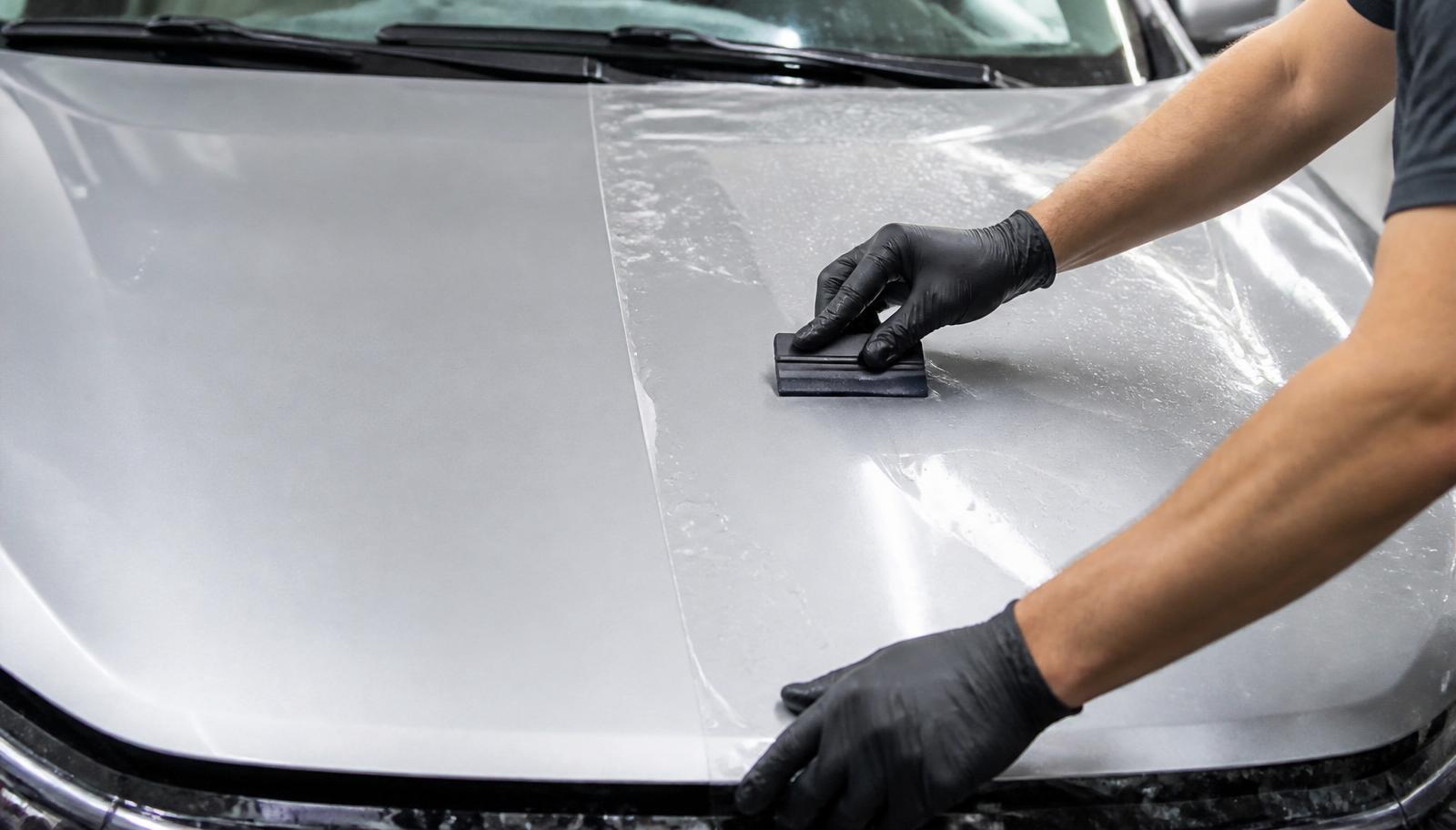
Wax and sealant are useful when you want shorter-term protection or are preparing a vehicle for sale. Ceramic coatings suit owners who want longer-lasting protection and easier washing. Paint protection film, often called PPF, is a physical film that suits areas exposed to stone chips, kerbside contact or road debris.
If you are comparing the two higher-protection options, this guide to ceramic coating vs PPF explains the differences in more depth.
Ceramic Coating For Auckland Vehicles
Ceramic coating is one of the most common paint protection choices for Auckland drivers. It bonds to the paint surface and helps resist dirt, water spotting, light chemical contamination and UV-related degradation. It also makes the paint easier to wash because grime has less ability to cling to the surface.
This is especially helpful if your vehicle spends time near the coast, under trees, on the motorway, or parked outside. Salt air, bird droppings, bug residue and industrial fallout should still be removed promptly, but a coated surface gives you more control during regular maintenance.
Preparation Is The Difference
The coating is only as good as the surface beneath it. If the paint has swirl marks, oxidation, dealership wash marks or water spotting, those defects may remain visible after the coating is applied. In many cases, a paint decontamination and machine polish is recommended before coating.
Professional ceramic coating packages in Auckland commonly sit between about $900 and $3500, depending on vehicle size, paint condition, coating choice and preparation required. A basic detail is not the same as a coating preparation process.
For a clearer explanation of the coating itself, see what is ceramic coating.
What To Consider Before Choosing Protection
Before booking paint protection, it helps to think about how your vehicle is actually used. A weekend vehicle kept in a garage has different needs from a motorway commuter parked outside in Greenlane, Ellerslie or the central suburbs.
Consider these points:
- Parking environment - outdoor parking increases exposure to UV, rain, sap and bird droppings.
- Driving conditions - motorway use increases contact with tar, brake dust and road film.
- Vehicle colour - darker colours tend to show wash marks and water spots more clearly.
- Ownership period - longer ownership usually supports a longer-term protection system.
- Maintenance habits - even the best protection needs safe washing to perform well.
If your vehicle already has visible swirls or dullness, paint correction may be needed before protection. This is not about chasing perfection on every vehicle; it is about creating a clean, stable surface so the protection can bond correctly and look consistent.
How To Maintain Protected Paint
Paint protection reduces maintenance effort, but it does not replace maintenance. Auckland rain can leave mineral deposits, and tap water can mark paint if it dries on the surface. Regular washing with the right method helps preserve the finish.
A simple maintenance routine is usually enough:
- Rinse thoroughly before touching the paint.
- Use a pH-appropriate wash rather than harsh household detergents.
- Wash from top to bottom with clean mitts and buckets.
- Dry the vehicle rather than letting water evaporate on the panels.
- Remove bird droppings, sap and bug residue as soon as practical.
- Avoid automatic brush washes, which can introduce swirl marks.
Coated vehicles may also benefit from periodic decontamination and coating-safe toppers. Products from specialist brands such as GTECHNIQ, Ceramic Pro and Koch-Chemie can be useful when matched correctly to the protection system, but product choice should support the coating rather than mask poor preparation.
Choosing A Paint Protection Studio
When assessing paint protection Auckland options, focus less on the product name alone and more on the process. The preparation, controlled application environment and aftercare guidance often determine the final result.
A good consultation should cover paint condition, previous polishing, vehicle use, parking, expected lifespan and realistic maintenance. It should also explain what the protection can and cannot do. Ceramic coating will not stop stone chips. PPF will not remove the need for washing. Wax will not provide years of protection.
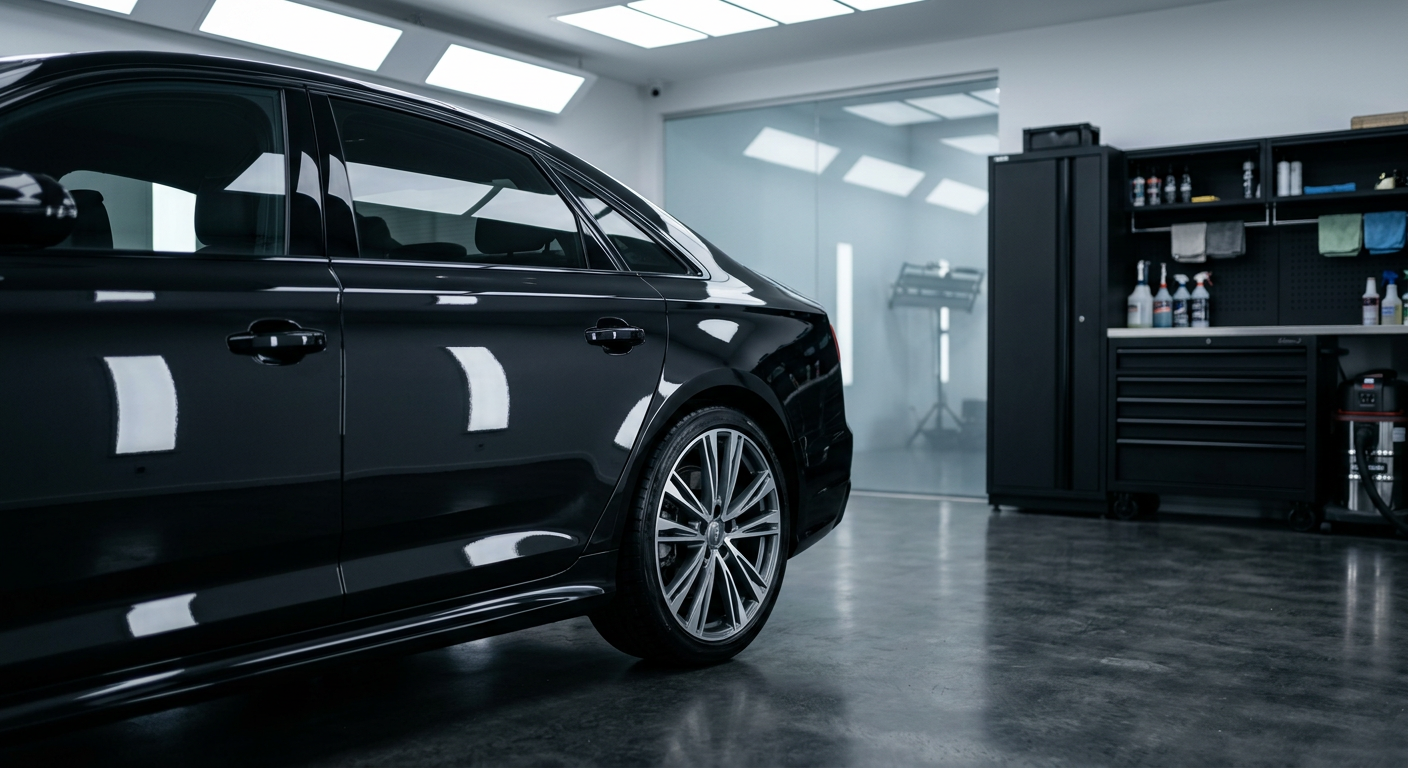
At Carfē, vehicles are assessed at our Greenlane studio so the recommendation matches the paint condition and your use of the vehicle. If you are considering protection for a new or existing vehicle, you can book an assessment and discuss the most suitable approach before committing to a package.
Frequently Asked Questions
What is the best paint protection for Auckland cars?
The best option depends on your vehicle use, parking and expectations. Ceramic coating suits many daily drivers, while PPF is better for high-impact areas exposed to stone chips and abrasion.
Does ceramic coating stop stone chips?
No. Ceramic coating improves chemical resistance and washability, but it is not a physical impact barrier. Paint protection film is the more suitable option for stone chip resistance.
How much does paint protection cost in Auckland?
Ceramic coating packages commonly range from about $900 to $3500 depending on vehicle size, paint condition and preparation. Paint correction or film installation can change the final cost.
Do new vehicles need paint correction before protection?
Some new vehicles still have wash marks, water spots or transport-related defects. A paint inspection determines whether polishing is needed before applying protection.
How should I wash a protected vehicle?
Rinse well, use a suitable automotive shampoo, wash with clean mitts and dry the vehicle properly. Avoid automatic brush washes and remove bird droppings or sap promptly.
Book a GTECHNIQ ceramic coating at Carfē Greenlane.
Multi-stage decontamination, machine correction and professional-grade coatings, installed under studio lighting by accredited technicians.