Single-Stage vs Multi-Stage Paint Correction: Which Do You Need?
How to choose the right correction level for your paint, expectations and Auckland driving conditions
- Single-stage correction suits lighter defects.
- Multi-stage correction is for heavier or more visible damage.
- Inspection is essential before choosing a correction level.
- Ceramic coating should follow suitable paint preparation.
- The safest result preserves clear coat while improving gloss.
What Paint Correction Actually Changes
Paint correction is the controlled polishing process used to remove or reduce defects in your vehicle's clear coat. These defects include wash swirls, light scratches, oxidation, water spotting and dullness caused by UV, rain, motorway grime and repeated washing.
The question of single vs multi stage paint correction is not about which option is better in every case. It is about how much correction your paint safely needs. A newer vehicle with light wash marks may not need the same process as a black SUV with years of swirl marks from tunnel washes and hard water drying.
Correction is different from filling or glazing. A proper correction process levels microscopic defects in the clear coat, then refines the finish so the paint reflects light more evenly. If you are new to the process, our guide to what paint correction is explains the fundamentals in more detail.
Single-Stage Paint Correction
Single-stage paint correction uses one main machine polishing step. The pad and polish combination is chosen to balance defect removal and finish quality in a single pass system.
This is often suitable when your paint has:
- Light wash swirls or mild hazing
- Good gloss but reduced clarity under direct light
- Minor oxidation or dullness
- No heavy scratches or sanding marks
- A finish that needs refinement before protection
A single-stage correction can make a noticeable difference to gloss and depth, especially on daily-driven vehicles. It is also commonly used before ceramic coating when the paint is already in reasonable condition. However, it will not remove every deeper scratch, and it should not be sold as a shortcut to a flawless finish.
For many Auckland vehicles, this level is a sensible option when the goal is clean, glossy paint without chasing every isolated defect.
Multi-Stage Paint Correction
Multi-stage paint correction uses two or more polishing stages. The first stage is usually more corrective, designed to reduce heavier swirls, scratches, oxidation or water marks. Later stages refine the finish, remove polishing haze and restore clarity.
This approach may be needed when your vehicle has:
- Heavy swirl marks visible in sunlight
- Deeper scratches that catch reflected light
- Noticeable paint haze or oxidation
- Water spotting from Auckland rain or hard water drying
- Dark paint that shows defects easily
- A high-value or enthusiast vehicle where finish quality matters more
Multi-stage correction takes more time because each panel is worked, checked and refined. It also requires more judgement. The aim is not to remove as much clear coat as possible - it is to achieve the best safe improvement while preserving the paint system.
If you are planning long-term protection, correction quality matters. Ceramic coatings lock in the finish beneath them, so defects should be addressed first where appropriate. See paint correction before ceramic coating for how the two services relate.
Single-Stage Vs Multi-Stage At A Glance
| Factor | Single-Stage Correction | Multi-Stage Correction |
|---|---|---|
| Best for | Light swirls, mild haze, newer vehicles | Heavier swirls, oxidation, deeper visible defects |
| Time required | Shorter | Longer, with more inspection and refinement |
| Finish goal | Strong gloss improvement | Higher defect reduction and clarity |
| Paint removal | Lower, when correctly performed | Higher than single-stage, but still controlled |
| Cost in Auckland | Usually lower | Usually higher due to labour time |
| Ideal before coating | Yes, if paint is already good | Yes, when defects need more correction first |
As a general guide, paint correction in Auckland commonly sits between about $600 and $1,800 depending on vehicle size, paint condition and the level of work required. A small hatchback with light swirls is very different from a large black wagon with heavy wash damage.
How To Choose The Right Level
The right choice depends on three things: paint condition, your expectations and how the vehicle will be used.
If your vehicle is a daily driver parked outside, a single-stage correction may give the best balance of improvement, cost and preservation. Auckland's UV exposure, salt air, rain and road film mean a perfect finish can be difficult to maintain without careful washing.
If your vehicle is darker, newer to you, or you want a sharper finish before ceramic coating, multi-stage correction may be more appropriate. It gives the technician more room to correct and refine, especially when defects are layered or uneven across the panels.
You should also consider what defects can realistically be removed. If a scratch has gone through the clear coat or into the colour layer, polishing cannot safely erase it. In that case, correction can improve the surrounding finish, but paint repair may be required for full removal.
Why Inspection Matters
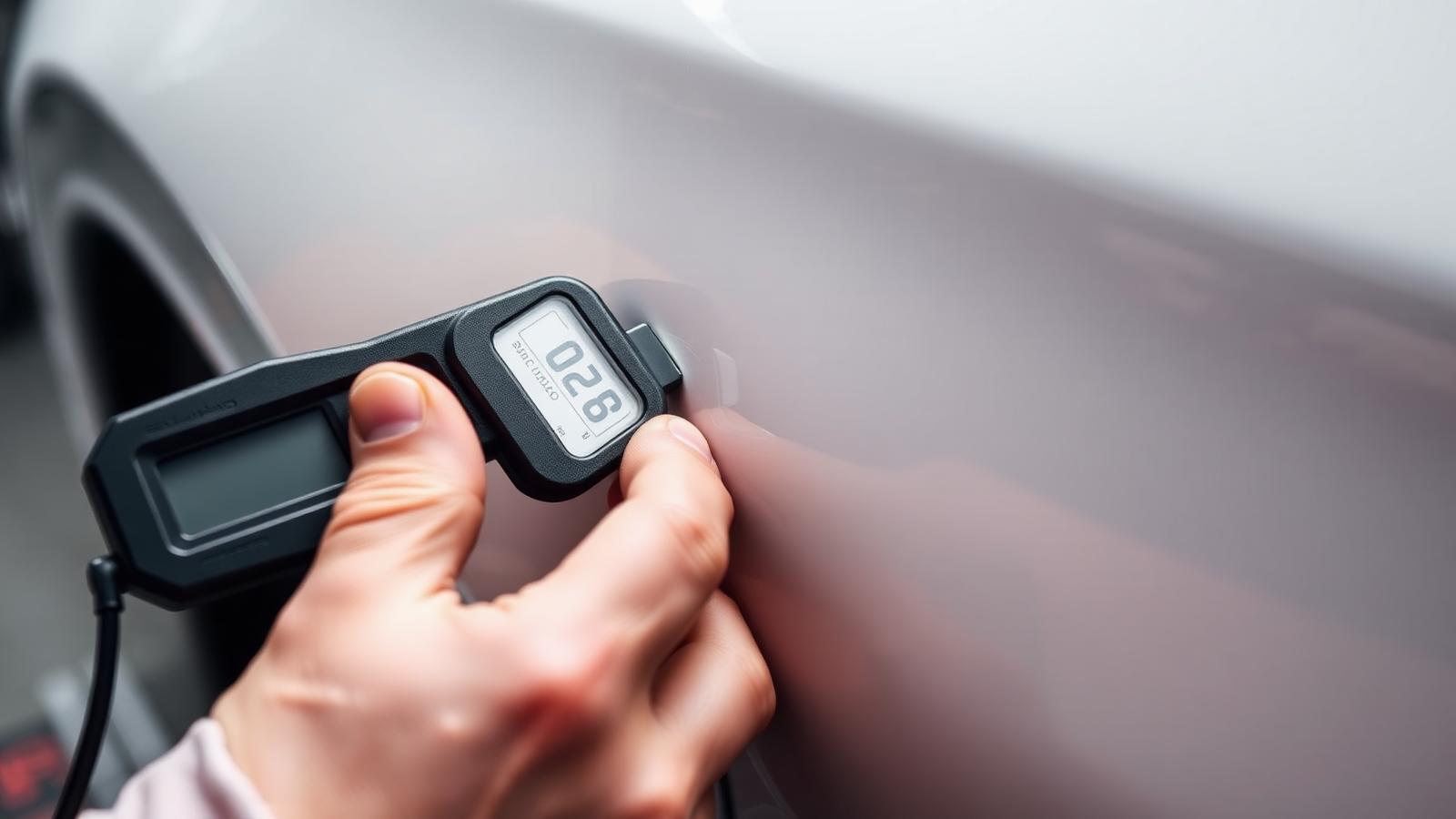
A proper recommendation should come after inspection, not guesswork. Under studio lighting, defects that are invisible in shade can become clear. Paint thickness, previous repairs, panel material and clear coat hardness all affect the safest correction plan.
At Carfē, inspection at our Greenlane studio helps determine whether single-stage or multi-stage correction is appropriate. Test spots are often used to confirm how the paint responds before committing to a process. Professional tools and products from brands such as Rupes and Koch-Chemie may be selected depending on the paint, but the method matters more than the label.
If you are comparing correction with protection options, start with our paint protection overview so you can plan the full sequence properly.
Choosing between single and multi-stage correction is ultimately about matching the process to your vehicle, not over-servicing the paint. If you would like your paint assessed in person, Carfē can inspect your vehicle at our Greenlane studio and recommend the most suitable correction level through our booking page.
Frequently Asked Questions
Is single-stage paint correction enough for most cars?
It is often enough for newer or well-maintained vehicles with light swirls and mild haze. Heavier scratches, oxidation or dark paint may need multi-stage correction.
Will multi-stage paint correction remove every scratch?
No. It can significantly reduce many defects, but scratches that are too deep or through the clear coat cannot be safely polished out.
Do I need paint correction before ceramic coating?
In most cases, some level of correction or refinement is recommended. Ceramic coating protects the finish underneath, so visible defects should be addressed first where practical.
How long does paint correction take?
A single-stage correction may be completed more quickly, while multi-stage work can take considerably longer. Timing depends on vehicle size, defect level and paint response.
How do I know which correction level my vehicle needs?
The best way is an in-person inspection under proper lighting. This allows the paint condition, depth of defects and safe correction options to be assessed.
Bring the depth back to your paintwork.
Our multi-stage paint correction removes swirls, holograms and light scratches, the essential foundation for any long-term protection.
Related Reading
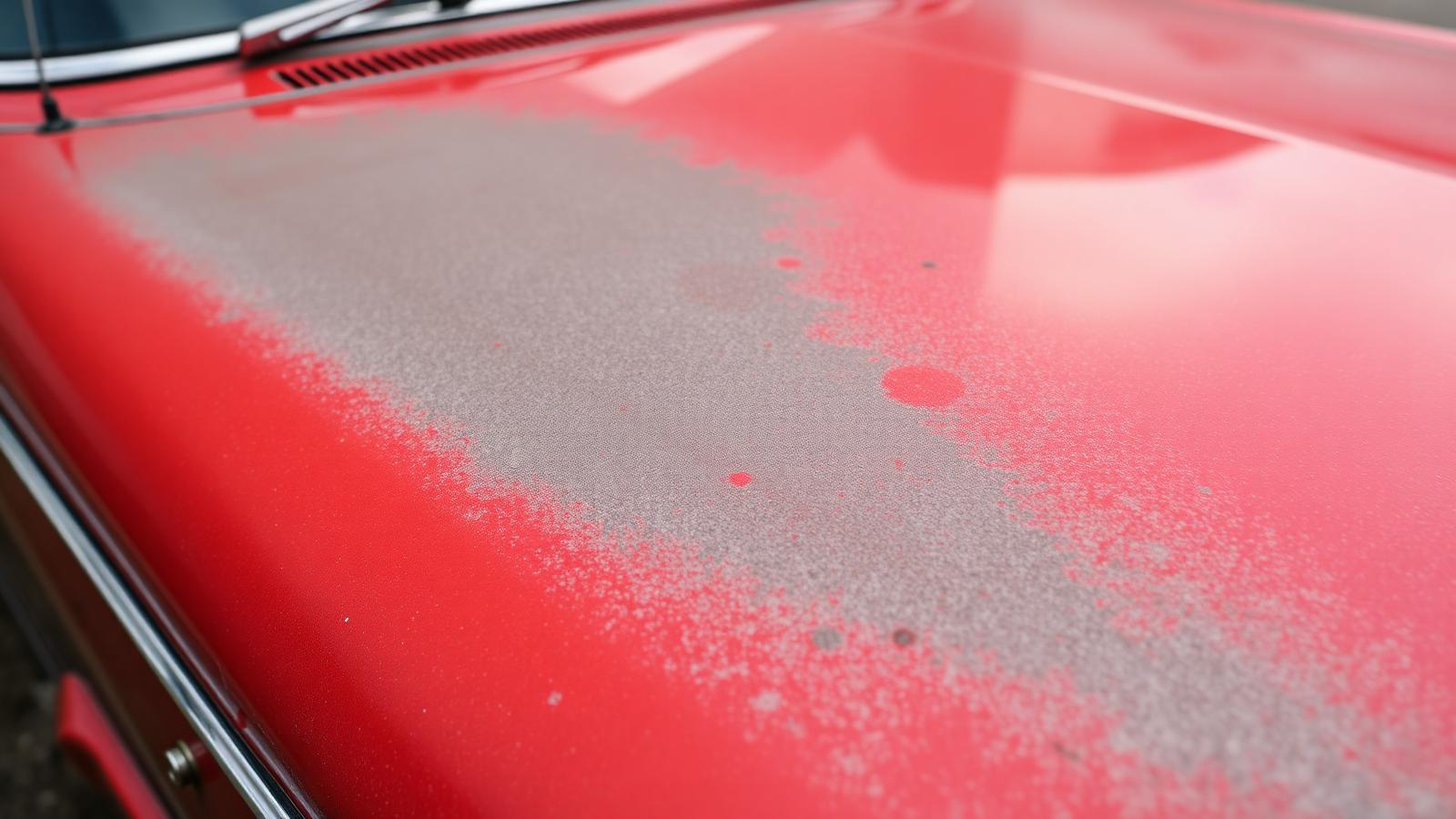
How Oxidised Paint Can Be Restored.
Oxidised paint can often be restored through careful decontamination, machine polishing and protection. The right approach depends on the depth of damage and the condition of the clear coat.
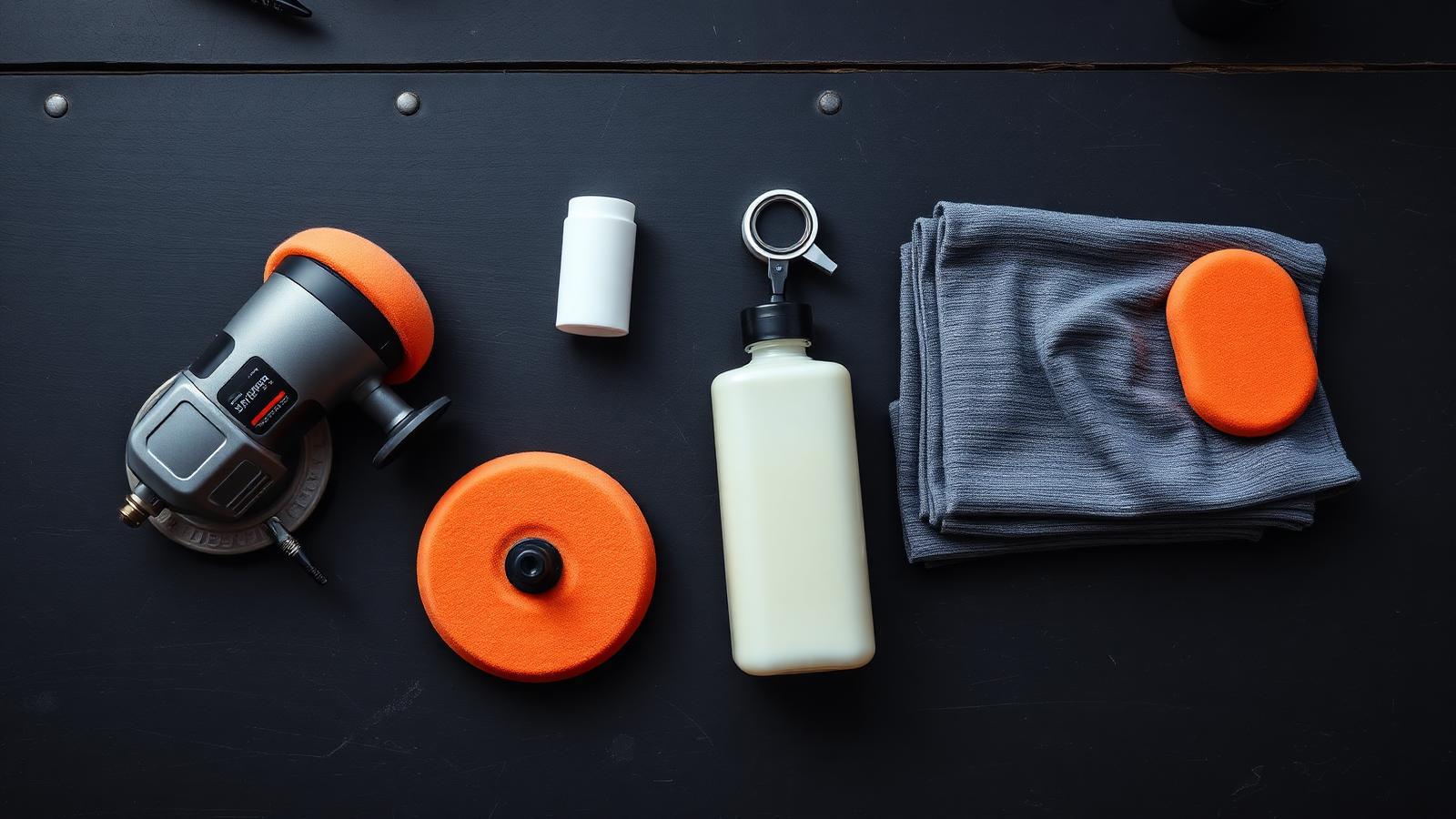
Machine Polishing vs Hand Polishing: What's the Difference?
Machine and hand polishing both improve paint, but they do very different jobs. This guide explains when each method is suitable and why correction usually needs a machine.
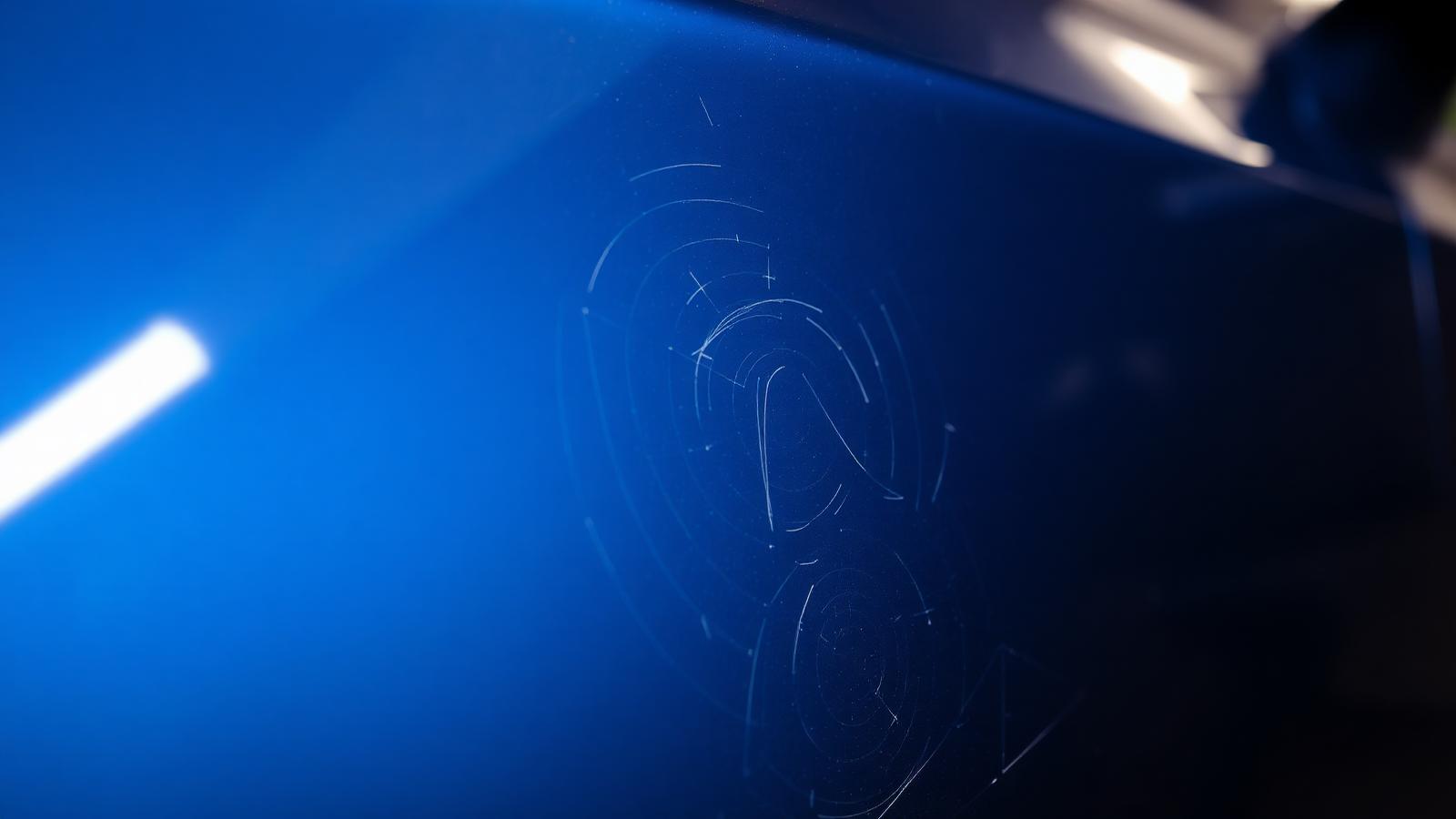
Signs Your Vehicle Needs Paint Correction.
Paint correction removes defects that sit in the clear coat, not dirt on the surface. This guide explains the signs to look for before booking work on your vehicle.