Why New Cars Still Benefit From Paint Correction.
New vehicles can arrive with swirl marks, haze, water spotting and handling marks that affect the finish
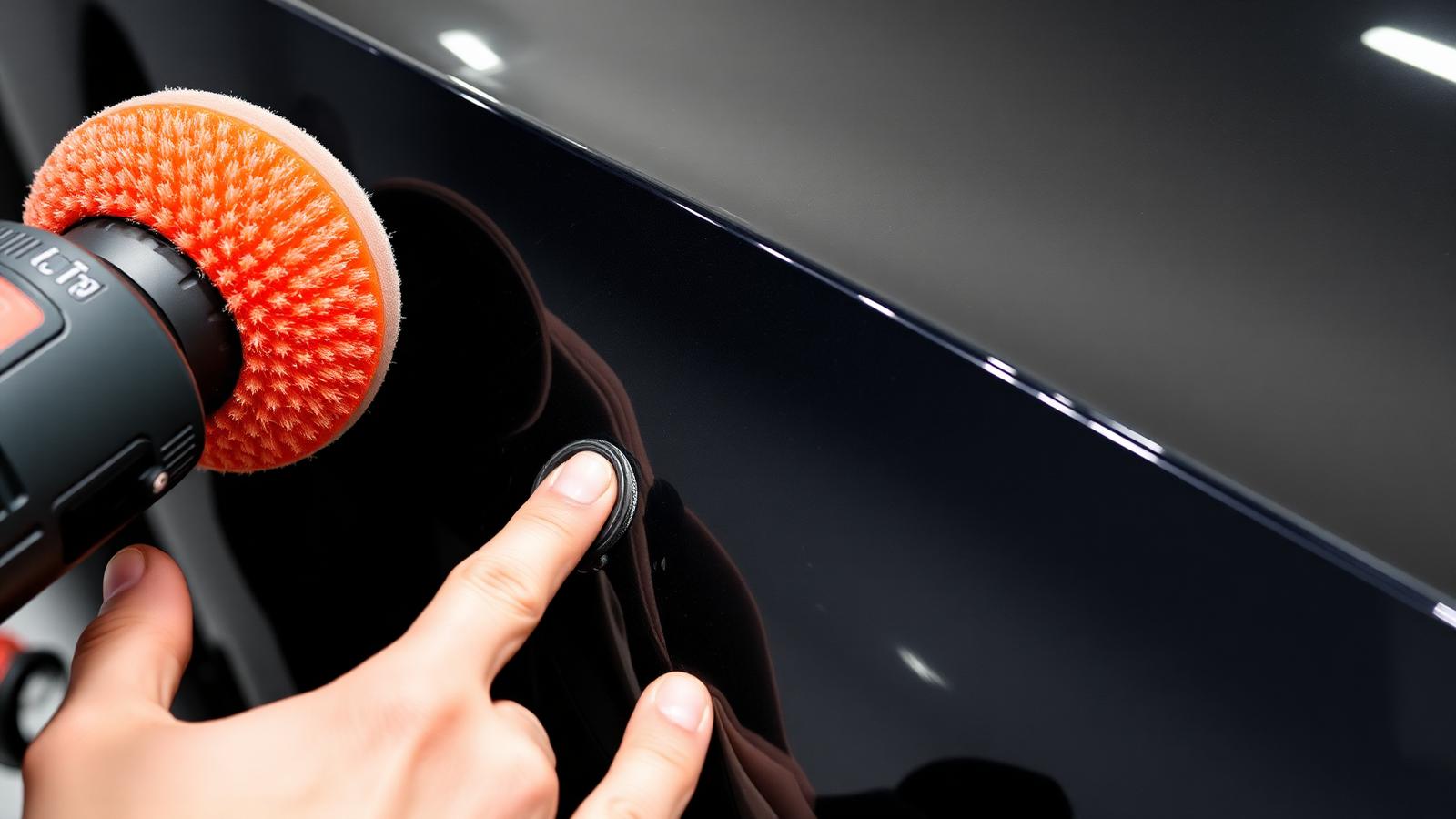
- New cars can still have visible paint defects.
- Correction improves clarity before protection is applied.
- Most new vehicles only need light refinement.
- Inspection should guide the level of correction.
- Early preparation helps protect the finish from Auckland conditions.
Why New Paint Is Not Always Perfect
A new vehicle can look clean and glossy at handover, but that does not always mean the paint is free from defects. Between the factory, transport, storage, grooming and dealership preparation, your vehicle may be washed, wiped, moved and exposed many times before you take delivery.
New car paint correction is the process of inspecting and refining the paint to remove minor defects before they become locked under wax, sealant or ceramic coating. It is not a criticism of the vehicle. It is simply a recognition that modern paint is easily marked, especially when it has been handled quickly or washed with unsuitable methods.
Under showroom lighting, many defects are difficult to see. Under direct Auckland sun, petrol station lighting or controlled inspection lights, the same paint may reveal swirl marks, light scratches, water spotting or machine haze.
Common Defects Found On New Cars
The most common defects on new vehicles are usually light, but they still affect clarity and gloss. Dark colours tend to show them more clearly, though silver, white and grey vehicles can also hold defects that only become obvious in certain light.
| Defect | How It Usually Appears | Why It Matters |
|---|---|---|
| Swirl marks | Circular marks visible in sunlight | Reduces clarity and gloss |
| Water spots | Mineral marks or rings on panels and glass | Can become harder to remove over time |
| Transport film marks | Straight lines or adhesive residue | May require careful polishing to refine |
| Light scratches | Isolated marks from washing or handling | Can remain visible under coating |
| Machine haze | Dull or cloudy areas from rushed polishing | Prevents a clean, crisp finish |
Auckland conditions can make these issues more noticeable. UV exposure, salt air, motorway grime, frequent rain and hard water can all leave residue on a new vehicle before it is properly protected.
Why Correction Matters Before Protection
Paint protection performs best when it is applied to properly prepared paint. If a ceramic coating is installed over swirl marks, haze or water spots, those defects can remain visible beneath the coating. The coating may add water behaviour and chemical resistance, but it does not make the surface optically perfect.
This is why paint correction and protection are often considered together. A light correction stage can refine the surface so the finish looks cleaner before long-term protection is applied. For a deeper explanation of the correction process, see what is paint correction.
If you are considering ceramic protection, preparation becomes even more important. Ceramic coatings bond to the surface, so the quality of the finish underneath affects the final result. You can also read more about this relationship in paint correction before ceramic coating.
How Much Correction Does A New Car Need?
Not every new vehicle needs heavy correction. In many cases, a single-stage polish is enough to remove light wash marks and improve gloss. Some vehicles, however, may need more detailed spot correction if there are deeper handling marks or visible haze.
A sensible approach is based on inspection, not assumption:
- The paint is washed and decontaminated safely.
- Panels are inspected under controlled lighting.
- Paint thickness and condition are assessed where appropriate.
- A test section is polished to confirm the least aggressive method.
- The level of correction is matched to your expectations and the vehicle.
For new cars, the goal is usually refinement rather than aggressive defect removal. Preserving clear coat is important. A measured polish with quality compounds, pads and machines such as Rupes equipment can improve the finish while avoiding unnecessary removal of paint.
When To Book New Car Paint Correction
The ideal time is before regular washing marks accumulate and before long-term protection is installed. If possible, arrange inspection soon after delivery. This gives you a clearer view of the actual condition and helps decide whether correction, ceramic coating or both are appropriate.
You may benefit from new car paint correction if:
- You can see swirl marks in direct sunlight.
- The paint looks slightly cloudy rather than crisp.
- There are water spots from storage or delivery.
- You plan to apply a ceramic coating.
- You want to start ownership with a properly prepared finish.
In Auckland, many owners choose to correct and protect their new vehicle early because the environment is demanding. UV, rain, road film and salt air can affect unprotected paint quickly, especially on vehicles parked outdoors or used daily on the motorway. For more context on coating suitability, see what is ceramic coating.
What To Expect From A Professional Assessment
A proper assessment should be practical and transparent. Some new vehicles only need a light polish and protection. Others may need additional time on selected panels. The aim is not to sell the most intensive service, but to recommend the level of correction that suits the paint condition and the way you use your vehicle.
For Auckland pricing, a new car correction and preparation service will often sit within broader paint correction and ceramic coating ranges. Light correction is typically less involved than multi-stage correction, while ceramic coating packages vary depending on vehicle size, coating choice and preparation required. As a general guide, paint correction in Auckland commonly ranges from around $600 to $1800, and ceramic coating packages from around $900 to $3500.
At Carfē, your vehicle is inspected at our Greenlane studio under controlled lighting before any recommendation is made. If you have just taken delivery of a new vehicle and want the finish assessed before protection, you can book an appointment for a measured inspection and preparation plan.
Frequently Asked Questions
Does a brand new car really need paint correction?
Sometimes, yes. New vehicles can arrive with swirl marks, water spots, haze or handling marks from transport, storage and preparation.
Is new car paint correction the same as heavy polishing?
No. New car paint correction is usually a light refinement process unless deeper defects are found during inspection.
Should paint correction be done before ceramic coating?
Yes, in most cases. Correction helps ensure defects are not sealed beneath the coating and gives the coating a cleaner surface to bond to.
Will paint correction remove too much clear coat from a new car?
A professional approach uses the least aggressive method needed. The aim is to refine the finish while preserving as much clear coat as possible.
When is the best time to correct a new car?
Soon after delivery is ideal, especially before ceramic coating or regular washing marks build up. Early inspection gives the clearest picture of the paint condition.
Get your new vehicle onto the Carfē Care programme.
Professional protection and ongoing maintenance to keep your vehicle in showroom condition for years to come.
Related Reading
The Essential New Car Detailing Checklist.
A new vehicle still benefits from careful inspection, decontamination and protection. This checklist helps you plan paint, glass, interior and wheel care before early damage sets in.
Protecting Your Investment From Day One.
New vehicles still need careful preparation and protection before daily use. Learn how to protect new car paint from UV, rain, salt air and motorway grime from the start.

The First Things to Do After Buying a New Car.
A new car checklist helps you catch delivery issues, protect the finish and set sensible ownership habits early. Here is what to do in the first days and weeks after collection.