Protecting Your Investment From Day One.
How to protect new car paint before Auckland conditions start leaving their mark
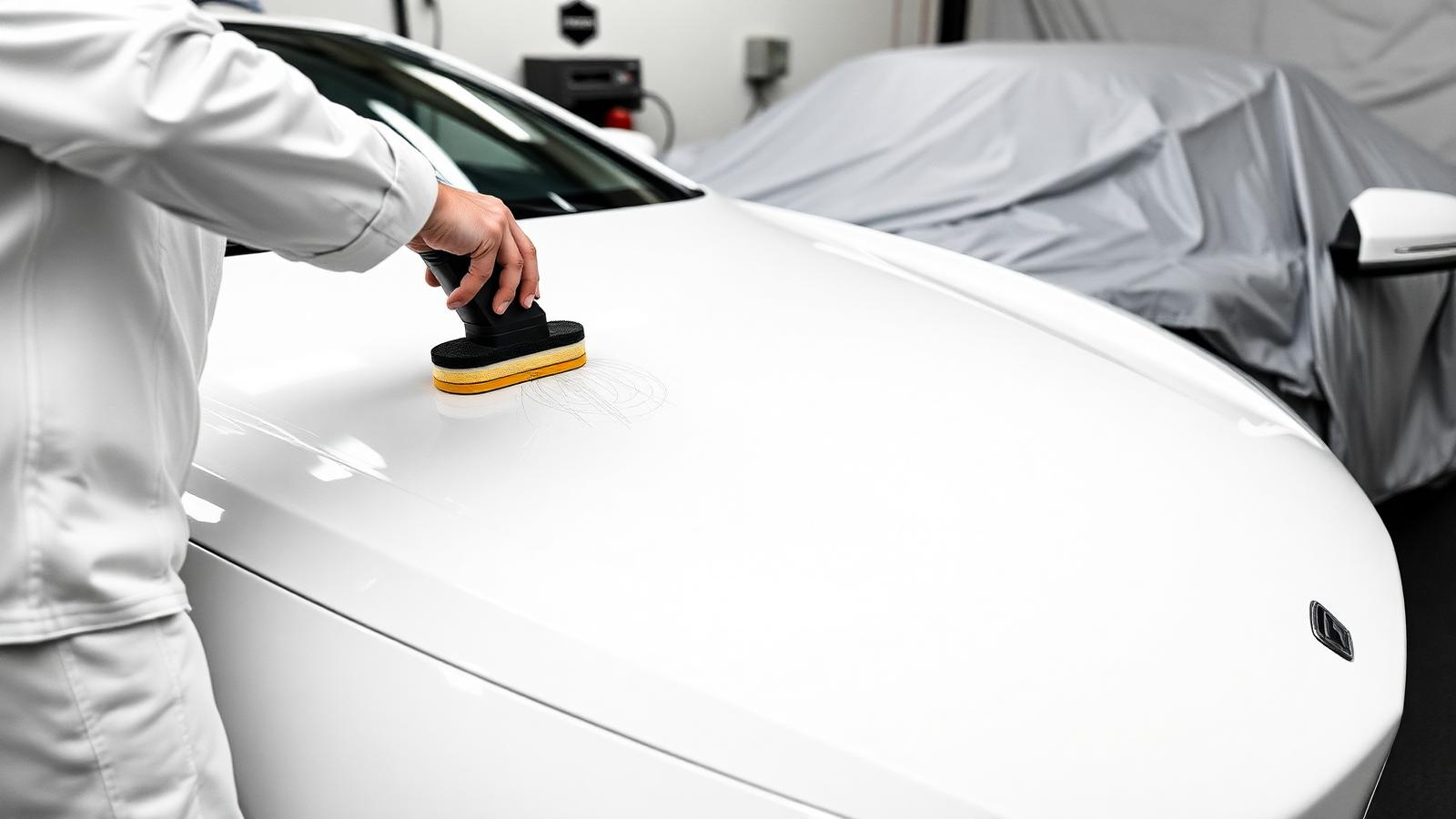
- New paint can still have defects from delivery.
- Early inspection helps prevent unnecessary correction later.
- Ceramic coating improves resistance and ease of washing.
- Paint protection film is best for impact-prone areas.
- Auckland conditions make early protection worthwhile.
Why New Paint Still Needs Protection
A new vehicle can look flawless at delivery, but new paint is not automatically protected. It may already have light wash marks, transport contamination, adhesive residue, water spotting or fine dust from storage. These issues are usually minor, but they are easier to address before the vehicle becomes part of your normal Auckland routine.
If you want to protect new car paint properly, the goal is not to over-service the vehicle. It is to start with a clean, inspected surface and apply the right level of protection before UV, salt air, rain, hard water and motorway grime begin to build up. This is especially relevant if your vehicle will be parked outside, driven daily, or used on motorways around Greenlane, Newmarket, Penrose or the Southern Motorway.
The First Week Matters
The first few days after delivery are the best time to set the standard for how your vehicle will age. Avoid assuming that dealership washing, transport film removal or a quick handover clean is the same as professional surface preparation.
A sensible first-week approach includes:
- Inspect the paint in good lighting - look for swirls, water spots, sanding marks, glue residue and overspray.
- Avoid automatic car washes - brushes and harsh detergents can mark soft paint very quickly.
- Do not apply random sealants over contamination - protection should bond to clean paint, not trapped grime.
- Book preparation early - the less damage present, the less correction is usually required.
- Plan your maintenance method - safe washing matters as much as the initial protection.
This is also the right time to decide whether you want a straightforward detail, ceramic coating, paint protection film, or a combination of services.
Protection Options For A New Vehicle
There is no single best option for every new vehicle. The right choice depends on how the car is used, where it is parked and how much maintenance you are prepared to do.
| Option | Best Suited To | Main Benefit | Typical Auckland Range |
|---|---|---|---|
| Quality wash and sealant | Short-term ownership or light use | Adds gloss and easier washing | $200–$600 |
| Ceramic coating | Daily drivers and long-term ownership | Durable chemical and UV resistance | $900–$3500 |
| Paint protection film | High-impact areas such as bonnet and bumper | Helps reduce stone chip damage | Varies by coverage |
| Coating plus film | Premium vehicles or motorway use | Combines surface protection and impact resistance | Depends on package |
A ceramic coating is a strong option when you want easier washing, better resistance to environmental fallout and a cleaner finish for longer. If you are comparing options, start with what ceramic coating is and how it fits your vehicle use.
Paint protection film is different. It is more focused on physical impact from road debris, especially on front-facing panels. For many Auckland drivers, a combined approach - film on impact zones and coating on painted surfaces - offers balanced protection.
Preparation Before Any Coating
Even a new vehicle should be cleaned, decontaminated and inspected before a ceramic coating is applied. This may include a safe wash, iron fallout removal, tar removal, clay treatment where appropriate, and paint depth-safe machine polishing.
Paint correction on a new car is not always extensive. Often, a light refinement is enough to remove dealership wash marks, improve clarity and create a clean surface for coating. In other cases, more correction may be needed if the vehicle has been poorly washed or stored outside.
Applying protection over defects can lock in what you can already see. That is why surface preparation is part of the result, not an optional extra. You can read more about this in our guide to paint correction before ceramic coating.
At Carfē, coatings are selected and applied according to the vehicle, paint condition and intended use. Products from established systems such as GTECHNIQ and Ceramic Pro may be used where appropriate, but the preparation and application process matter just as much as the product itself.
Auckland Conditions To Plan For
Auckland is not extreme in one single way, but it is demanding in several small ways that add up. Strong UV, coastal salt air, frequent rain, humid conditions and hard water spotting can all affect how paint looks over time.
Common risks for new vehicles include:
- UV exposure fading gloss and accelerating oxidation on unprotected surfaces.
- Salt air leaving fine residue, especially near coastal suburbs or when parked outside.
- Motorway grime building up quickly on lower panels, wheels and rear bumpers.
- Hard water spots forming after rain, sprinklers or poor drying methods.
- Bird droppings and tree sap etching paint if left too long.
Protection does not make your vehicle maintenance-free. It gives you more resistance, easier cleaning and more time to safely remove contamination before it becomes permanent. Safe washing and drying still remain essential.
A Sensible Day-One Plan
For most new car owners, the best plan is simple: inspect early, correct only what is necessary, protect the paint properly, then maintain it consistently. This avoids unnecessary polishing later and helps preserve the finish from the beginning of ownership.
A practical new-car protection plan may include:
- Initial paint inspection under controlled lighting.
- Decontamination to remove transport and environmental residue.
- Light machine refinement if wash marks or haze are present.
- Ceramic coating for painted surfaces, wheels or glass where suitable.
- Paint protection film on high-impact areas if stone chips are a concern.
- A clear maintenance routine for washing, drying and top-ups.
If you are still comparing protection levels, our paint protection services page outlines the main options available. The best decision is usually based on how long you plan to keep the vehicle, where it is parked and how often it is driven.
If you have just taken delivery of a new vehicle, Carfē can inspect and prepare it at our Greenlane studio before daily use begins. You can book a new-car protection consultation to choose a measured approach for your paint, wheels and glass.
Frequently Asked Questions
Should I protect new car paint immediately?
Yes, early protection is usually best because the paint has had less time to collect contamination or wash damage. The surface should still be inspected and prepared before any coating or film is applied.
Does a brand new car need paint correction?
Sometimes. Many new vehicles only need light refinement, but wash marks, water spots or transport-related defects can be present even at delivery.
Is ceramic coating suitable for a daily driven new car?
Yes, ceramic coating is well suited to daily drivers because it helps with washing, gloss retention and resistance to environmental grime. It still needs safe maintenance to perform well.
Can paint protection film and ceramic coating be used together?
Yes. Film can be applied to high-impact panels, while ceramic coating can be used on paint, film, wheels or glass depending on the package.
What should I avoid after collecting a new car?
Avoid automatic car washes, harsh cleaners and applying products over uninspected paint. A careful wash and inspection should come first.
Get your new vehicle onto the Carfē Care programme.
Professional protection and ongoing maintenance to keep your vehicle in showroom condition for years to come.
Related Reading
The Essential New Car Detailing Checklist.
A new vehicle still benefits from careful inspection, decontamination and protection. This checklist helps you plan paint, glass, interior and wheel care before early damage sets in.
Why New Cars Still Benefit From Paint Correction.
New car paint correction is not about fixing old paint - it is about refining a finish before protection is applied. Even a freshly delivered vehicle can benefit from careful inspection and polishing.

The First Things to Do After Buying a New Car.
A new car checklist helps you catch delivery issues, protect the finish and set sensible ownership habits early. Here is what to do in the first days and weeks after collection.