The First Things to Do After Buying a New Car.
A practical checklist to help you protect, document and set up your new vehicle properly
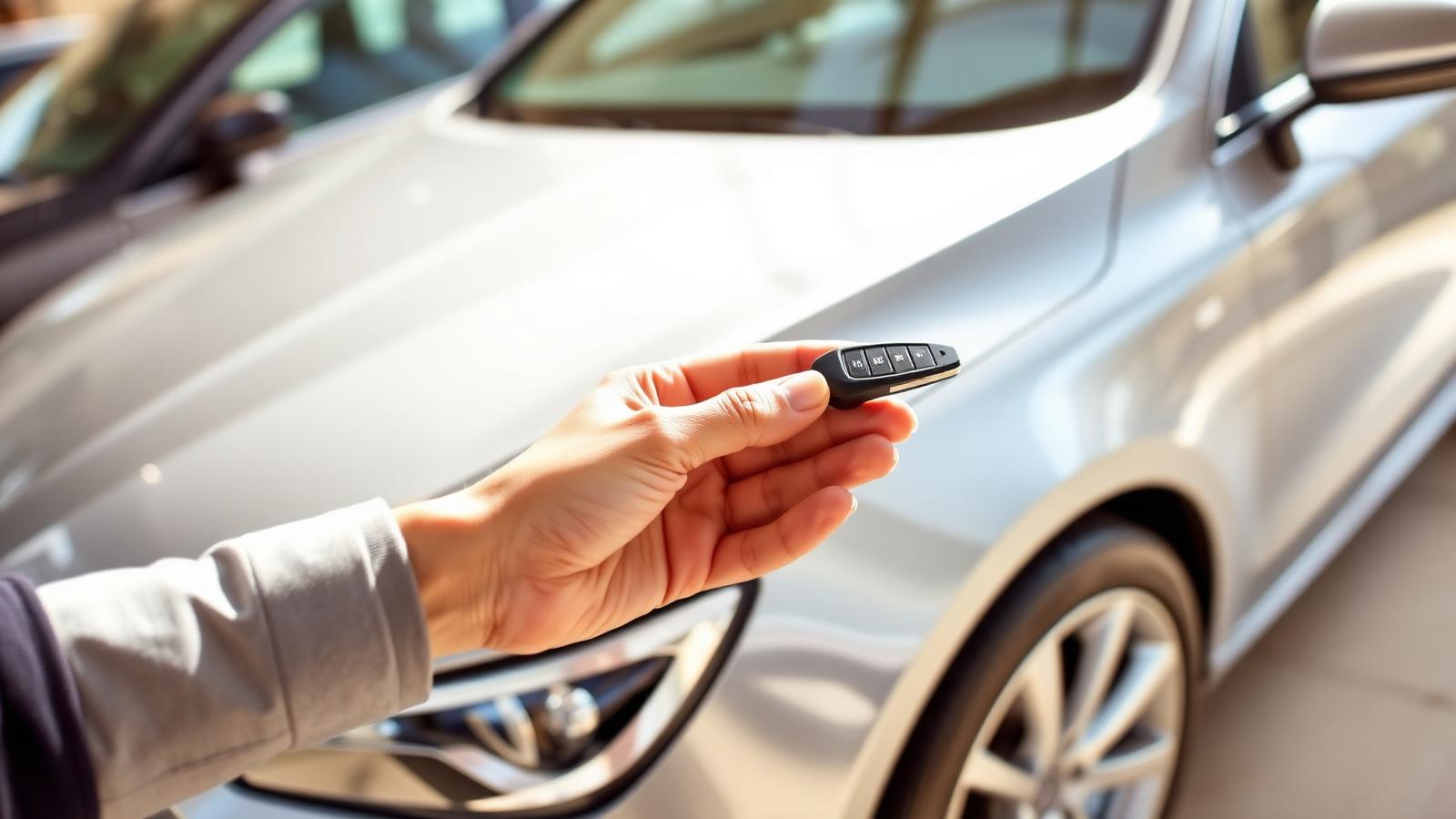
- Inspect the vehicle carefully before normal use.
- Document any delivery defects with photos.
- Protect new paint before contamination builds up.
- Set up safe washing habits from the start.
- Review the vehicle again after the first month.
Start With A Careful Delivery Check
Before you settle into daily driving, give your vehicle a slow inspection in good natural light. New does not always mean flawless - vehicles can pick up marks during transport, storage, grooming or handover.
Use this new car checklist as a first pass:
- Check paint under direct and shaded light for swirls, sanding marks, scratches or bird dropping etching.
- Inspect bumpers, door edges, mirror caps and lower sills, as these are easily marked in transit.
- Look at alloy wheels for kerb marks, staining or tyre dressing residue.
- Confirm panel gaps, trim alignment, badges and rubber seals look consistent.
- Test lights, wipers, infotainment, charging ports, cameras and driver assistance features.
- Photograph the odometer, exterior, interior and any concern before regular use.
If you find something, record it promptly and raise it with the seller before it becomes difficult to separate delivery condition from normal use.
Protect The Paint Before Auckland Conditions Set In
Auckland is hard on new paint. UV, salt air, motorway grime, rain, tree sap and hard water can all affect the finish earlier than many owners expect. Factory paint is durable, but it is not self-cleaning and it is not immune to staining or wash marks.
Your protection options depend on how you use the vehicle and how long you plan to keep it.
| Option | Best For | Notes |
|---|---|---|
| Quality wax or sealant | Short-term gloss and basic protection | Lower cost, but needs frequent reapplication |
| Ceramic coating | Longer-lasting chemical resistance and easier washing | Usually requires correct preparation first |
| Paint protection film | High-impact areas such as front bumper, bonnet edges and mirrors | Helps reduce stone chip damage |
| Ceramic plus film | Owners wanting both easier maintenance and impact protection | Often used on premium or daily motorway vehicles |
If you are comparing options, start with what ceramic coating does and how it differs from film in ceramic coating vs PPF. A ceramic coating in Auckland commonly sits around $900-$3500 depending on size, preparation and coating choice.
Do Not Assume New Paint Is Ready For Coating
Many new vehicles need some level of preparation before protection is applied. Even a car with delivery kilometres may have light marring from dealership washing, adhesive residue, rail dust, water spotting or transport film marks.
A professional inspection can identify whether your paint only needs decontamination and refinement, or whether localised correction is required. This matters because a ceramic coating locks in the appearance underneath. If swirls, haze or stains are present, they should be addressed first.
Early Paint Preparation Priorities
- Safely wash and chemically decontaminate the exterior.
- Assess paint under proper lighting, not only showroom lighting.
- Machine refine or correct defects where required.
- Remove polishing oils before applying long-term protection.
- Allow the coating to cure correctly before heavy washing or exposure.
For more context, read paint correction before ceramic coating. On a new car, the aim is usually refinement, not aggressive correction.
Set Up Your Interior And Ownership Basics
The first week is the best time to put simple systems in place. Small habits make the car easier to live with and help preserve its value.
Inside the vehicle, remove unnecessary dealer plastics once you have finished checking trim condition. Vacuum carefully if there is transport grit in the carpets, then consider fabric, leather or leather-look protection depending on the materials. Avoid strong household cleaners, glossy dressings or products that leave slippery residue on pedals, steering wheels or touch points.
Ownership basics are just as important:
- Save digital copies of purchase documents, warranty details and service schedules.
- Confirm tyre pressures when cold, including the spare if fitted.
- Pair phones and set up driver profiles while parked.
- Add insurance, roadside assistance and security details before daily commuting.
- Keep a simple maintenance log for washing, servicing and protection work.
If your vehicle is used around Greenlane, Newmarket, the Southern Motorway or coastal suburbs, regular cleaning will be more important than occasional heavy detailing.
Build A Safe Washing Routine Early
Most visible defects on modern paint come from washing and drying. The sooner you establish a safe routine, the easier your new car will be to maintain.
Use a pH-appropriate shampoo, quality wash mitts and clean drying towels. Pre-rinse thoroughly, especially after motorway driving or wet-weather commuting. Work from cleaner upper panels to dirtier lower panels, and keep wheel tools separate from paint tools. Avoid automatic brush washes, strong degreasers on exterior trim and drying with old bath towels.
A sensible home routine is:
- Rinse loose dirt from the vehicle.
- Clean wheels and tyres with dedicated tools.
- Pre-wash or foam if the car is heavily soiled.
- Contact wash with clean mitts and shampoo.
- Rinse thoroughly and dry with a soft towel or blower.
- Remove bird droppings, sap and water spots as soon as practical.
If you prefer not to manage this yourself, a professional full detail in Auckland often ranges from $200-$600 depending on size and condition. You can also review broader care options through our vehicle detailing Auckland guide.
Plan The First Month, Not Just The First Day
A new car checklist should cover more than collection day. The first month is when you learn where the vehicle is parked, how it gets dirty, whether it is exposed to hard water sprinklers, and how much motorway or coastal driving it sees.
After two to four weeks, inspect the paint again after a careful wash. Look for water spotting, bonded contamination, tar, wheel fallout and early wash marks. This is also a good time to decide whether basic maintenance is enough or whether paint protection is worthwhile for your usage.
If you would like an objective inspection, Carfē can assess your vehicle at our Greenlane studio and recommend a practical next step, from safe washing advice to correction and protection. You can view relevant options through our services page or contact us before making any irreversible decisions.
Frequently Asked Questions
What should be on a new car checklist?
Your new car checklist should include paint, wheels, trim, interior, electronics, documents, tyre pressures and protection planning. Photograph anything unusual before the car enters regular use.
Should I ceramic coat a brand-new car?
A ceramic coating can be worthwhile if you want easier washing and stronger resistance to grime, UV and water spotting. The paint should still be inspected and prepared before coating.
Can a new car already have swirl marks?
Yes. Swirl marks can occur during transport, dealer grooming or early washing. They are usually light, but should be corrected before long-term protection is applied.
How soon should I wash a new car?
You can wash it as soon as it needs cleaning, provided you use safe methods and appropriate products. Avoid automatic brush washes and harsh household cleaners.
What is the first protection to consider for Auckland driving?
For many Auckland vehicles, ceramic coating is a practical first step for easier maintenance. If you do frequent motorway driving, paint protection film on high-impact areas may also be worth considering.
Get your new vehicle onto the Carfē Care programme.
Professional protection and ongoing maintenance to keep your vehicle in showroom condition for years to come.
Related Reading
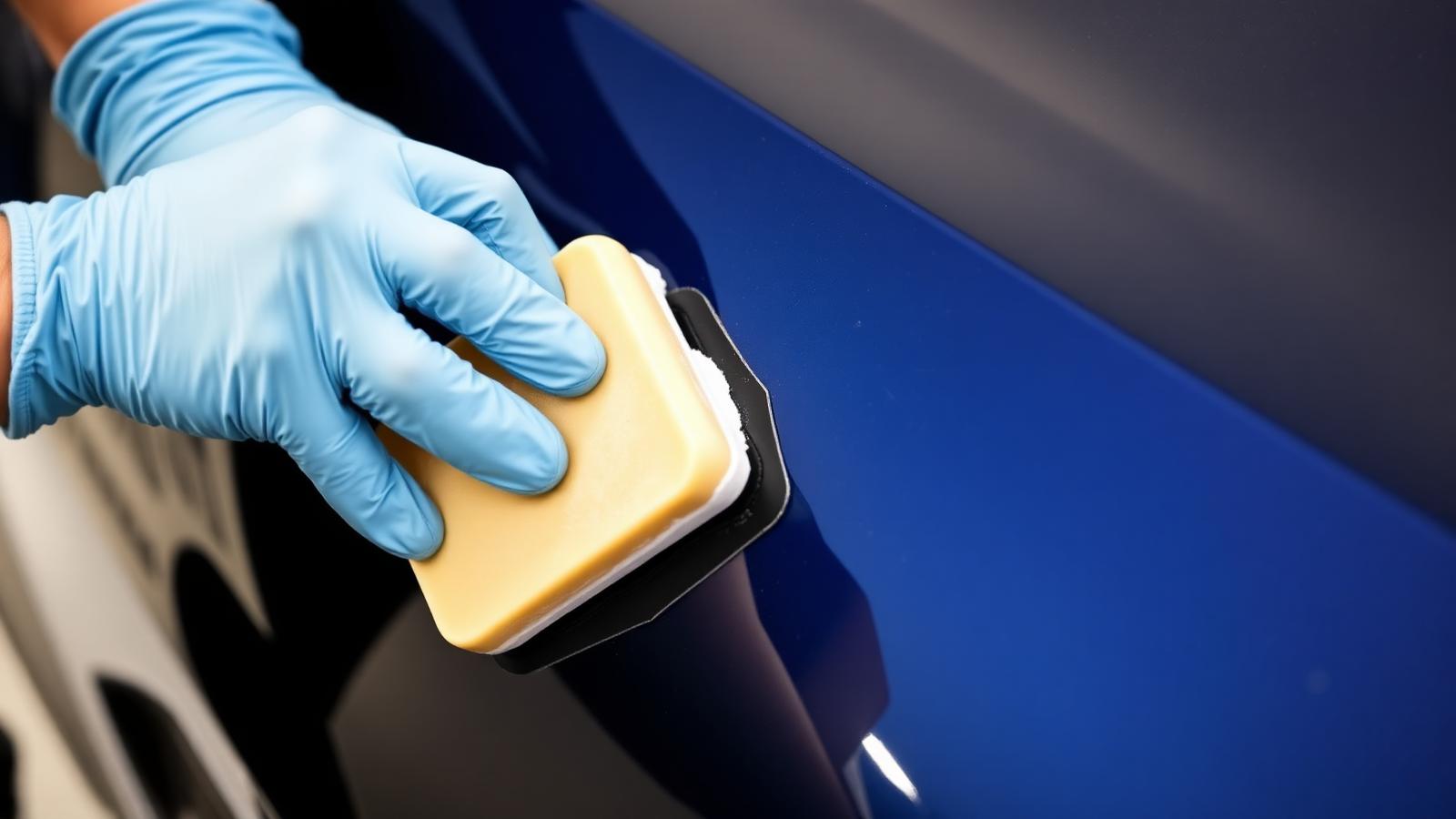
The Essential New Car Detailing Checklist.
A new vehicle still benefits from careful inspection, decontamination and protection. This checklist helps you plan paint, glass, interior and wheel care before early damage sets in.
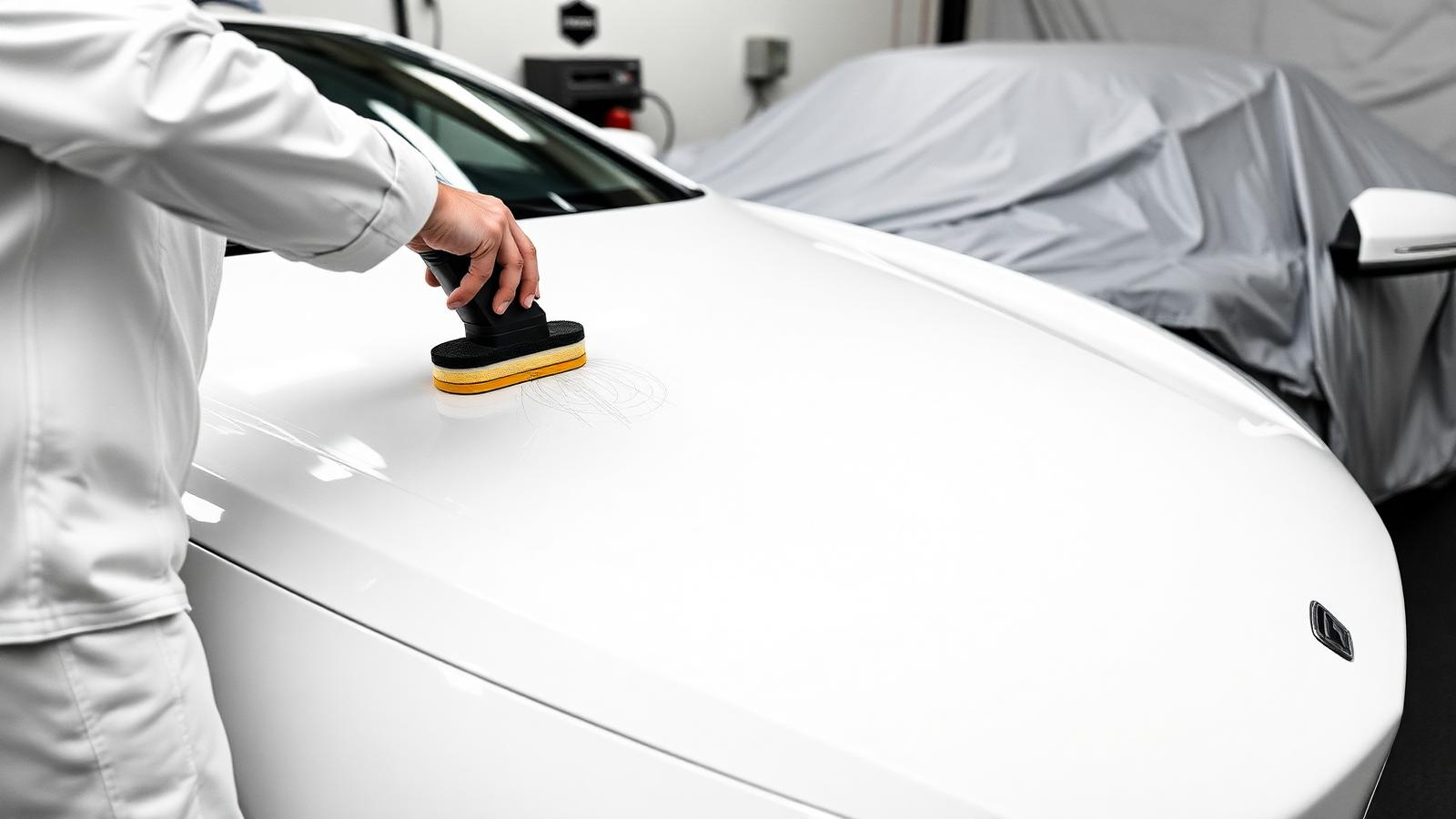
Protecting Your Investment From Day One.
New vehicles still need careful preparation and protection before daily use. Learn how to protect new car paint from UV, rain, salt air and motorway grime from the start.
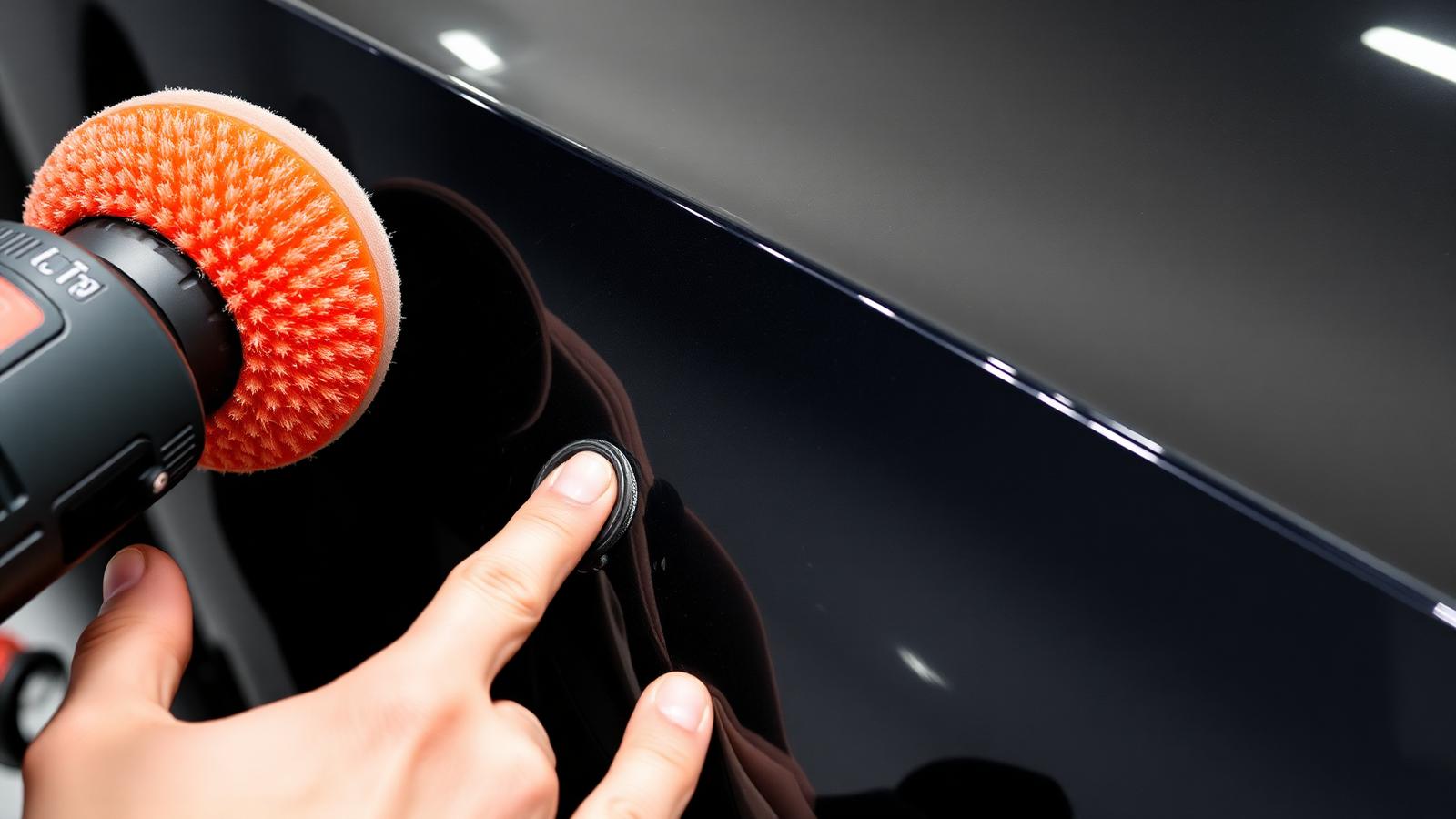
Why New Cars Still Benefit From Paint Correction.
New car paint correction is not about fixing old paint - it is about refining a finish before protection is applied. Even a freshly delivered vehicle can benefit from careful inspection and polishing.