The Essential New Car Detailing Checklist.
A practical first-week checklist to protect your new vehicle from Auckland conditions
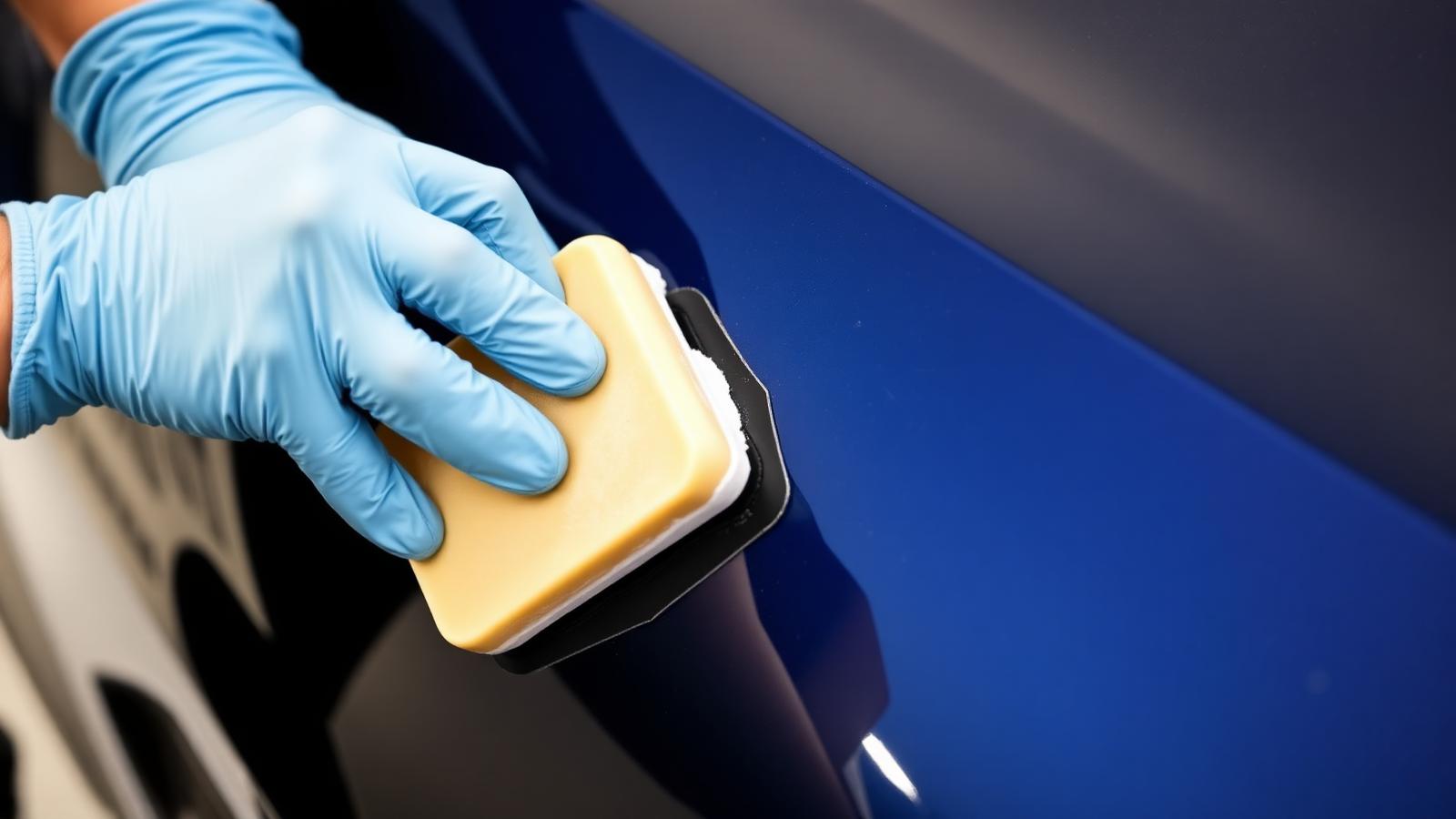
- New cars can still have paint and delivery defects.
- Inspect the vehicle before applying protection.
- Preparation determines how well protection performs.
- Interior protection is worth considering from day one.
- Safe washing habits preserve the finish long term.
Why New Cars Still Need Detailing
A new vehicle is not always delivered in perfect condition. It may have travelled by ship, sat outdoors, been washed quickly at a yard, or collected light contamination before you receive the keys. In Auckland, UV exposure, salt air, motorway grime, rain and hard water can begin affecting surfaces from the first week.
A new car detailing checklist helps you separate what needs immediate attention from what can wait. The aim is not to over-service the vehicle. It is to inspect it properly, remove bonded contamination safely, and protect the finishes before wash marks, water spots and interior wear become harder to manage.
If you are considering longer-term paint protection, it is worth reading about ceramic coating early, before the paint has been through repeated washing.
The First Inspection Checklist
Before any protection is applied, your vehicle should be assessed in good lighting. New paint can hide light marring, sanding marks, adhesive residue, transport film outlines and water spotting. These issues are easier to document and correct early.
Use this checklist during the first few days of ownership:
- Inspect paint in direct sun and shaded light.
- Check gloss black trims and B-pillars for wash marks.
- Look for water spots on glass, paint and mirrors.
- Check wheels for brake dust staining or adhesive residue.
- Inspect door jambs, fuel flap and boot edges.
- Check interior plastics for scuffs from delivery handling.
- Confirm leather, fabric or Alcantara areas are clean and even.
- Photograph any defects before correction or protection.
If visible defects are present, paint correction may be needed before coating or sealant. Even light machine polishing can improve clarity and remove minor delivery marks. You can learn more in what is paint correction.
Exterior Preparation Before Protection
The correct preparation depends on the vehicle, but most new cars benefit from a measured detail rather than a simple wash. Paint can feel smooth and still hold bonded fallout, tar, rail dust or mineral deposits.
A careful new vehicle preparation process may include:
- Pre-rinse and snow foam to loosen transport dust and road film.
- Contact wash using clean mitts and safe wash technique.
- Chemical decontamination for iron fallout and tar where required.
- Clay treatment only where bonded contamination remains.
- Spot correction or single-stage polish if the paint needs refinement.
- Panel wipe before applying protection.
The important point is restraint. New paint does not need aggressive polishing unless defects justify it. The goal is to preserve clear coat while improving the surface for protection.
| Area | What To Check | Recommended Action |
|---|---|---|
| Paint | Water spots, light swirls, adhesive residue | Decontaminate and correct only as needed |
| Glass | Mineral marks, poor water behaviour | Clean deeply and apply glass protection if useful |
| Wheels | Brake dust, glue marks, bare barrels | Clean and consider wheel coating |
| Trim | Faded residue, polish marks, delivery wax | Clean and protect suitable plastics |
| Door jambs | Dust, grease, water marks | Clean before dirt hardens in edges |
Protection Options For A New Vehicle
Once the vehicle is properly prepared, protection becomes more effective and easier to maintain. The right option depends on how long you keep your vehicles, where it is parked, and how much washing you want to do yourself.
Short-Term Protection
A quality wax or sealant can be suitable if you want a simple entry point. It improves water behaviour and makes washing easier, but it generally needs more frequent renewal. This can suit a vehicle that is garaged and lightly used.
Ceramic Coating
A ceramic coating offers stronger chemical resistance and longer service life than basic waxes or sealants. It can help reduce the impact of Auckland rain, UV, bird droppings and road film, but it does not make the vehicle maintenance-free. It still needs safe washing and periodic care.
For a new vehicle, the main advantage is timing. Applying protection before repeated washes and environmental fallout can reduce the amount of correction needed later. If you are comparing options, see is ceramic coating worth it.
Interior Protection
Interior care is often overlooked on a new vehicle. Fabric, carpet, leather and high-touch plastics can be protected early against spills, dye transfer, sunscreen residue and daily wear. This is especially useful for family vehicles, work vehicles and light-coloured interiors.
Your Ongoing Maintenance Checklist
The first detail is only part of ownership. How you wash and maintain the vehicle determines how long the finish stays in good condition.
For the first three months, focus on consistent habits:
- Wash every 2–4 weeks depending on use and weather.
- Rinse bird droppings, sap and heavy salt residue promptly.
- Avoid automatic brush washes and harsh roadside chemicals.
- Use separate wash media for paint, wheels and lower panels.
- Dry with clean microfibre towels to reduce water spotting.
- Keep a small interior towel for dust, fingerprints and spills.
- Do not apply random products over coatings unless compatible.
Hard water can leave visible mineral spotting in Auckland, particularly on dark colours and glass. Washing in shade, drying properly and avoiding late-afternoon sun can make a noticeable difference.
When To Book A New Car Detail
Ideally, book the first detail soon after delivery, before the vehicle has accumulated heavy contamination or wash damage. If you are waiting for accessories, tow bars or window tinting, it can be sensible to coordinate timing so the vehicle is protected after those installations are complete.
A practical order is:
- Take delivery and inspect the vehicle.
- Document any issues with the dealer if needed.
- Complete accessories or tinting.
- Detail, decontaminate and correct where required.
- Apply paint, glass, wheel and interior protection.
- Set a maintenance wash plan.
At Carfē, new vehicle preparation is tailored to the condition of the car rather than assumed from its age. Some new vehicles need only light preparation, while others benefit from careful correction before coating. You can view relevant options through our detailing and protection services.
If you would like your new vehicle assessed properly, Carfē can inspect it at our Greenlane studio and recommend a practical protection plan. To arrange a suitable time, use our booking page.
Frequently Asked Questions
Do new cars need detailing?
Yes, many new cars benefit from inspection, decontamination and protection. The amount of work depends on how the vehicle was transported, stored and prepared before delivery.
Should I ceramic coat a brand new car?
Ceramic coating can be a good option if you want longer-term protection and easier washing. The paint should still be inspected and prepared properly before any coating is applied.
Can a new car have swirl marks?
Yes. Swirl marks can occur during transport, dealership washing or delivery preparation. They are often most visible on dark paint and gloss black trim.
How soon should I detail a new car?
Ideally within the first few weeks of ownership, before repeated washing and Auckland road grime build up. If accessories or tinting are being installed, schedule detailing after those jobs are complete.
What should I avoid after buying a new car?
Avoid automatic brush washes, harsh household cleaners and letting bird droppings or water spots sit on the surface. Use proper wash tools or arrange a professional maintenance wash.
Get your new vehicle onto the Carfē Care programme.
Professional protection and ongoing maintenance to keep your vehicle in showroom condition for years to come.
Related Reading
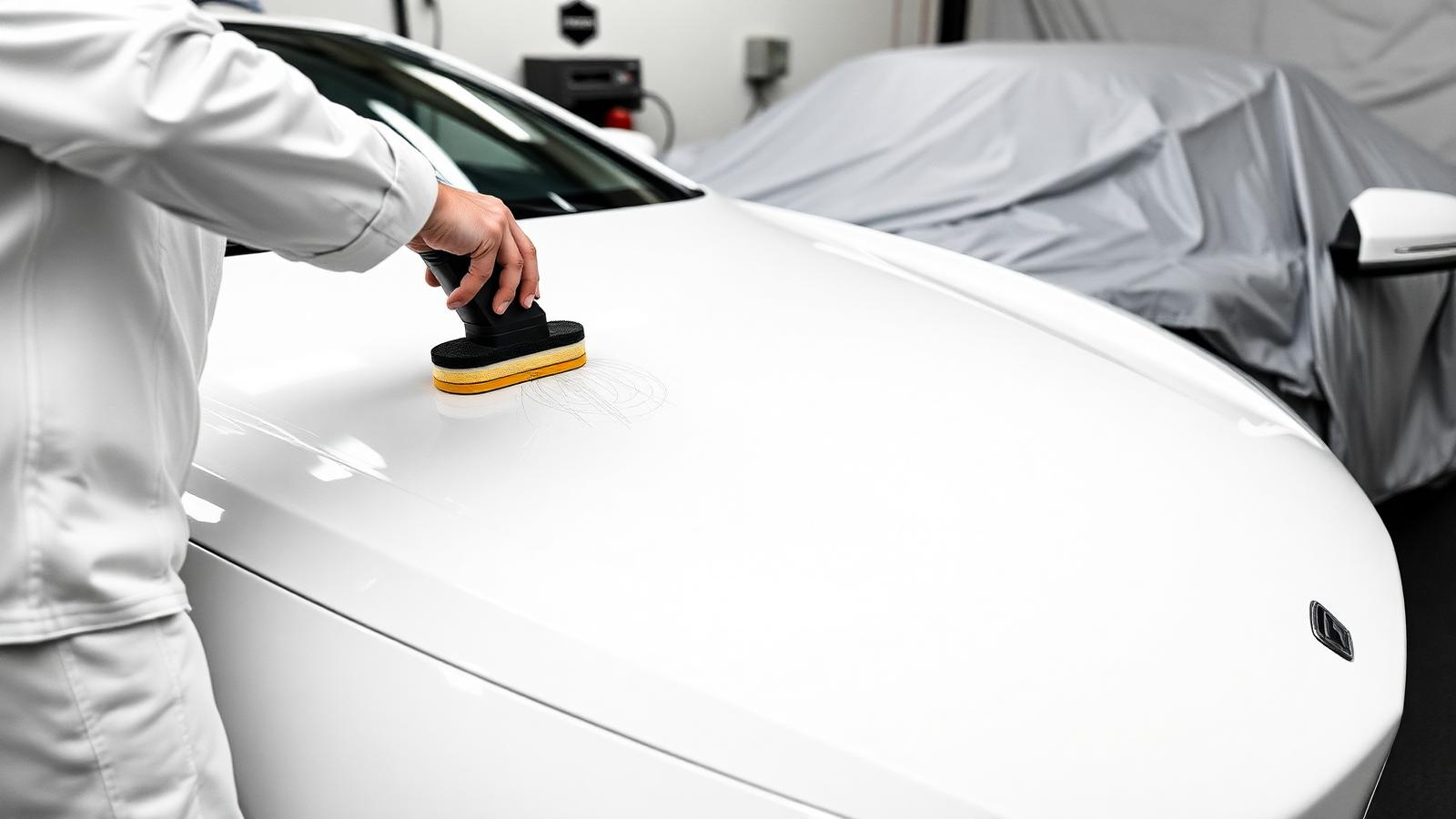
Protecting Your Investment From Day One.
New vehicles still need careful preparation and protection before daily use. Learn how to protect new car paint from UV, rain, salt air and motorway grime from the start.
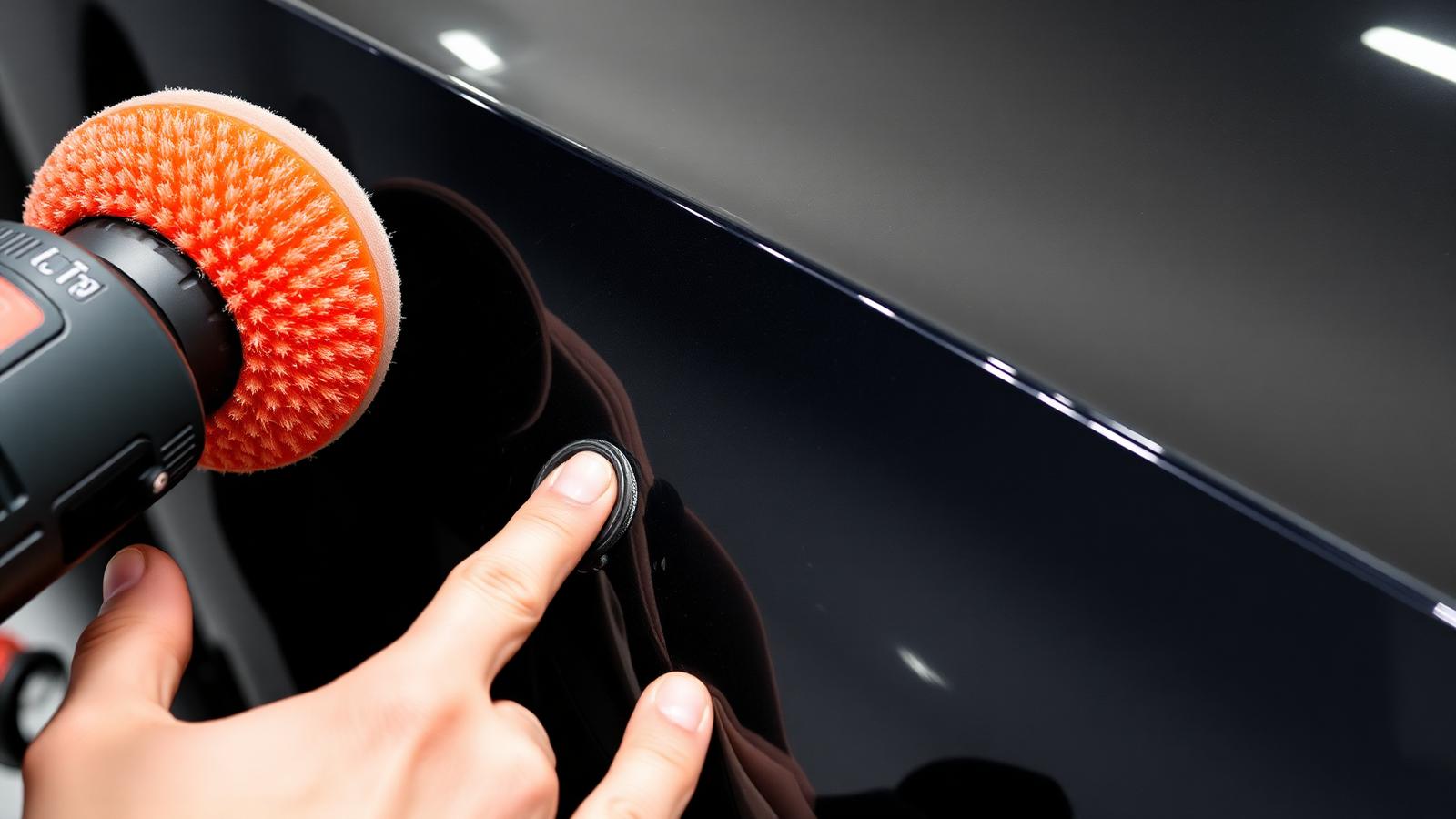
Why New Cars Still Benefit From Paint Correction.
New car paint correction is not about fixing old paint - it is about refining a finish before protection is applied. Even a freshly delivered vehicle can benefit from careful inspection and polishing.

The First Things to Do After Buying a New Car.
A new car checklist helps you catch delivery issues, protect the finish and set sensible ownership habits early. Here is what to do in the first days and weeks after collection.