Why High-End Vehicles Need Specialist Care.
How careful products, process and assessment help protect premium vehicles in Auckland
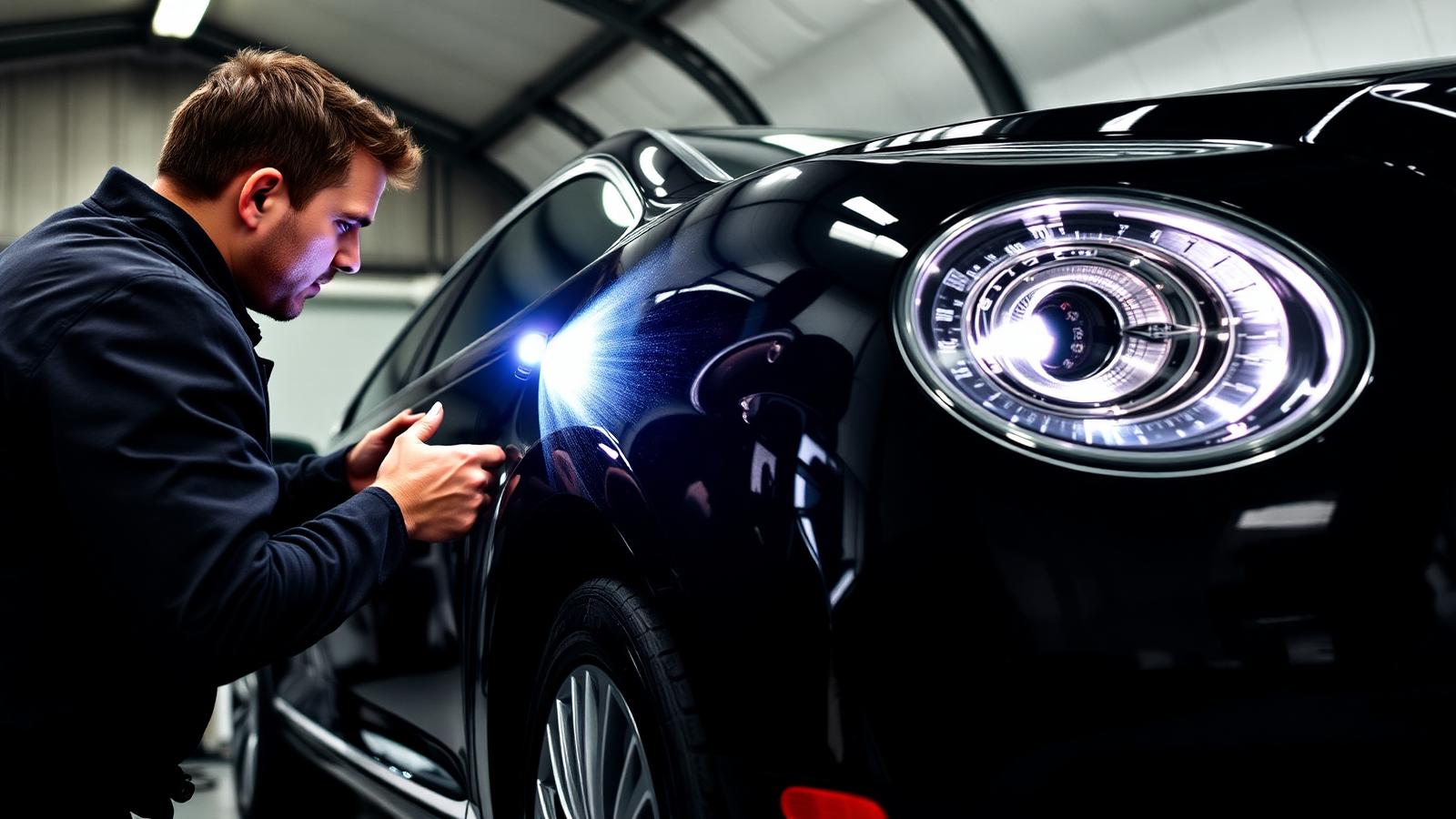
- High-end vehicles benefit from careful surface assessment.
- Specialist car care protects delicate paint and trim.
- Auckland conditions can accelerate contamination and wear.
- Protection should match how the vehicle is used.
- Good maintenance reduces the need for heavy correction.
Why Specialist Car Care Matters
High-end vehicles are often built with finer paint systems, more complex trim and a greater mix of materials than everyday vehicles. That does not mean they are fragile, but it does mean they respond best to careful assessment rather than a one-process-fits-all detail.
Specialist car care is about using the right method for the surface in front of you. Your vehicle may have soft gloss black pillars, carbon fibre trim, matte interior finishes, piano black controls, coated wheels, sensitive leather or large aluminium brake components. Each area needs a different combination of chemistry, tools and pressure.
In Auckland, the environment adds another layer. UV exposure, salt air, motorway grime, rain and hard water can all affect paint, glass, wheels and exterior trim. A premium vehicle that is washed incorrectly can show marring quickly, especially under direct sun or studio lighting.
High-End Finishes Need Proper Assessment
Before any polishing, coating or deep cleaning, the vehicle should be inspected properly. This includes paint condition, previous correction work, contamination, wash marks, stone chips and the condition of exterior plastics and rubber.
A careful assessment helps answer important questions:
- Is the paint original, resprayed or previously corrected?
- Are swirl marks shallow or does the finish need staged correction?
- Are there water spots, fallout or bonded contaminants?
- Is the interior leather coated, semi-aniline, Alcantara or synthetic?
- Are wheels painted, diamond-cut, polished, matte or satin?
This is especially important before paint correction. Removing defects requires measured polishing, not aggressive cutting. On some vehicles, the best result is not maximum removal - it is improving clarity while preserving as much clear coat as practical.
Standard Detailing Vs Specialist Car Care
The difference is usually not one product. It is the standard of inspection, surface knowledge and control through each stage of the process.
| Area | Standard Approach | Specialist Approach |
|---|---|---|
| Washing | General shampoo and mitt use | Pre-rinse, safe contact wash and separate tools for high-risk areas |
| Paint | Single-stage polish where needed | Test section, controlled correction and finish refinement |
| Wheels | Strong cleaner on all wheel types | Chemistry matched to finish, brake dust load and tyre condition |
| Interior | Universal cleaner across surfaces | Material-specific cleaning for leather, Alcantara, screens and trim |
| Protection | Wax or sealant applied broadly | Protection selected for use, finish and maintenance expectations |
For example, a high-gloss black vehicle may need a different wash and drying process from a silver SUV. A matte wheel finish should not be treated like a polished face. A soft leather bolster needs a different approach from a coated steering wheel. These small decisions affect the result.
Protection Should Match How You Use The Vehicle
Paint protection is often valuable for high-end vehicles, but it should be chosen according to your vehicle, storage and driving pattern. A weekend car kept under cover has different needs from a daily-driven SUV travelling Auckland motorways.
Ceramic coatings can make maintenance easier and help protect against environmental contamination, provided the preparation is correct. They do not make paint immune to scratches or poor washing, but they can support a cleaner, more consistent finish. If you are considering this, it is worth reading more about what ceramic coating is and when paint correction before ceramic coating is appropriate.
Common Protection Choices
- Ceramic coating for gloss paint, wheels and glass where easier cleaning is a priority.
- Interior protection for leather, fabric or Alcantara where staining and dye transfer are concerns.
- Regular maintenance detailing for vehicles that are used often or stored outdoors.
- Targeted correction for localised defects rather than unnecessary full-vehicle polishing.
Products from established systems such as GTECHNIQ, Ceramic Pro and Koch-Chemie can be useful, but the product is only one part of the result. Preparation, application environment and ongoing care matter just as much.
Interior Materials Require Restraint
Luxury interiors are often where specialist care is most noticeable. Modern cabins combine leather, open-pore trim, delicate screens, brushed aluminium, gloss plastics and textured switchgear. Strong cleaners, heavy agitation or excess moisture can create uneven finishes, staining or premature wear.
A good interior process is controlled and restrained. Dust is removed before wet cleaning. Leather is cleaned with appropriate tools rather than scrubbed aggressively. Screens and digital clusters are treated carefully to avoid marks. High-contact areas such as steering wheels, armrests and bolsters are cleaned without making the surface artificially shiny.
This matters because the goal is not to make your interior look dressed or overly treated. It is to return it to a clean, natural finish that suits the vehicle.
Maintenance Preserves The Result
Specialist car care does not end after a detail. The way your vehicle is washed, dried and stored will decide how long the finish remains crisp. This is particularly true for dark paint, soft clear coats and high-use vehicles.
A practical maintenance plan may include:
- Safe wash methods using clean mitts and separate wheel tools.
- Avoiding automatic brush washes and harsh roadside chemicals.
- Drying with quality towels or filtered air where appropriate.
- Removing bird droppings, sap and water spots promptly.
- Scheduling maintenance details before contamination builds heavily.
For high-end vehicles, regular light maintenance is usually better than infrequent heavy correction. It reduces the need for aggressive polishing and keeps the paint, trim and interior in a more stable condition over time. You can also review broader options for vehicle detailing in Auckland if you are unsure where your vehicle fits.
If you want a careful assessment of your vehicle, Carfē can inspect the paint, interior and protection needs at our Greenlane studio and recommend an approach through our services without unnecessary work.
Frequently Asked Questions
What is specialist car care?
Specialist car care is a measured detailing approach that considers paint type, trim materials, interior finishes and how the vehicle is used. It focuses on using the correct process rather than the strongest product.
Do luxury vehicles always need paint correction?
No. Some vehicles only need decontamination and light refinement, while others may need staged correction to improve swirl marks and haze. The right option depends on the paint condition and your expectations.
Is ceramic coating suitable for high-end vehicles?
Often, yes. A ceramic coating can help with easier cleaning and environmental protection, but it should be applied after proper preparation and matched to the way you maintain the vehicle.
Can specialist detailing damage delicate interiors?
A careful specialist process should reduce the risk of damage. The key is using suitable cleaners, controlled moisture and appropriate tools for leather, Alcantara, screens and trim.
How often should a premium vehicle be detailed?
It depends on use, storage and exposure. Many high-end vehicles benefit from regular maintenance detailing, with deeper correction or protection work only when the condition requires it.
Get your new vehicle onto the Carfē Care programme.
Professional protection and ongoing maintenance to keep your vehicle in showroom condition for years to come.
Related Reading
Ceramic Coating for Luxury Vehicles: Is It Worth It?
Ceramic coating luxury cars can be worthwhile when the paint is properly prepared and maintained. It helps reduce staining, wash effort and UV exposure, but it is not a substitute for careful use.
Looking After Matte Paint: The Do's and Don'ts.
Matte paint care is different from looking after gloss paint because the finish cannot be polished in the usual way. This guide explains what to do, what to avoid, and when to seek professional help.
Detailing Performance Cars: What's Different.
Performance car detailing requires more care around paint, brakes, aero parts and interiors. The right process protects your vehicle without compromising its finish or usability.