Looking After Matte Paint: The Do's and Don'ts.
How to wash, protect, and maintain matte paint without adding unwanted gloss
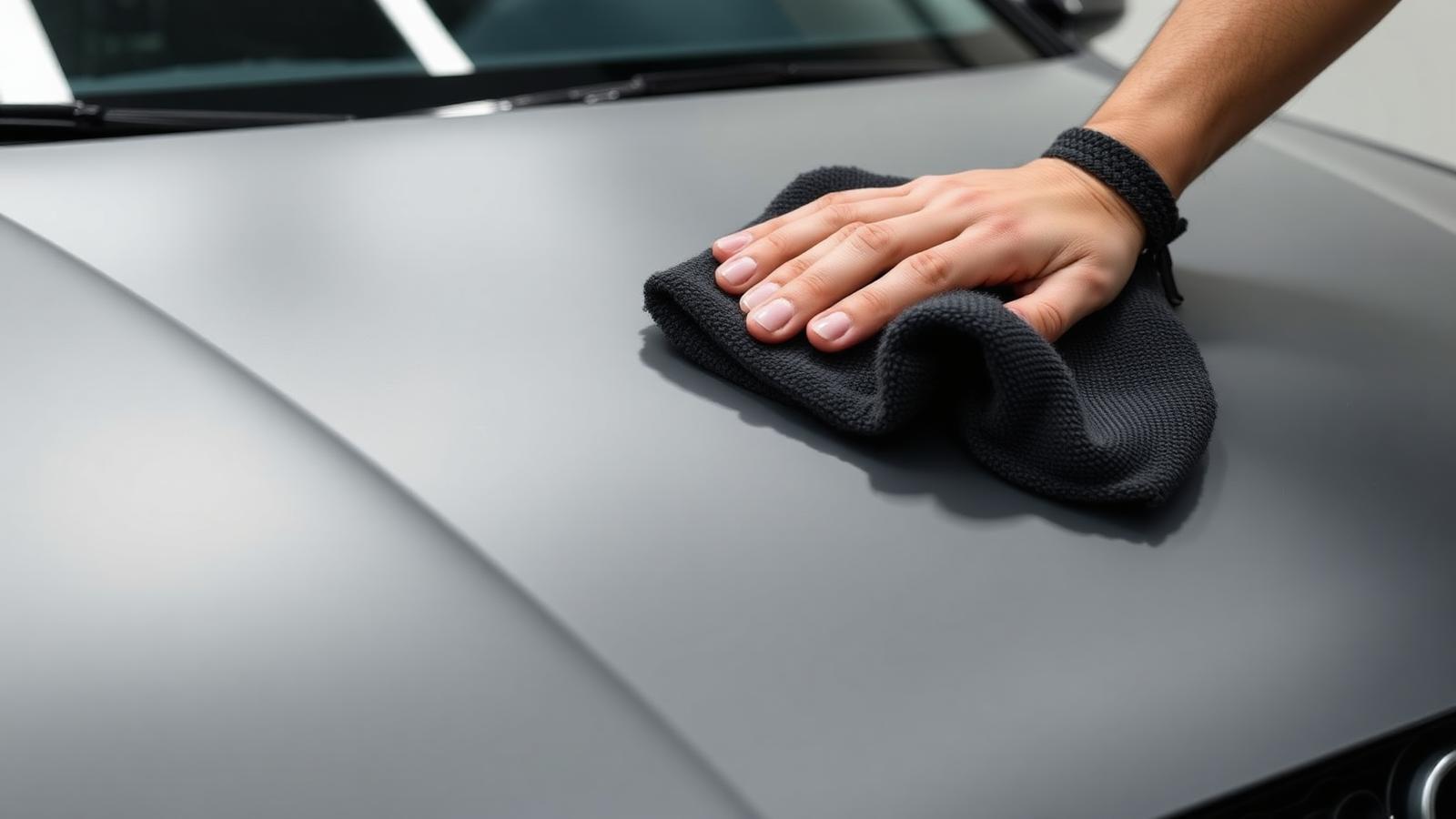
- Matte paint should not be polished like gloss paint.
- Use only matte-safe shampoos, sealants, and coatings.
- Remove bird droppings, sap, and hard water quickly.
- Avoid waxes and products that add gloss.
- Professional advice is best for stains or shiny patches.
Why Matte Paint Needs Different Care
Matte paint care requires a more cautious approach because the finish is designed to scatter light rather than reflect it sharply. That soft, non-gloss appearance comes from the texture of the clear coat or matte wrap surface. If that texture is polished, filled, or coated with the wrong product, the panel can become patchy or noticeably glossier.
On Auckland roads, matte finishes also deal with UV exposure, salt air, motorway grime, rain spots, and hard water. These contaminants can mark the surface if they are left sitting for too long. The aim is to clean regularly, touch the surface as little as possible, and avoid anything that changes the appearance of the finish.
Unlike gloss paint, defects on matte paint are difficult to correct invisibly. A small scratch, bird dropping mark, or polished edge can stand out because you cannot simply machine polish the area back to uniform gloss. Prevention matters more than correction.
The Do's Of Matte Paint Care
A careful wash routine is the foundation of keeping matte paint looking consistent. You do not need aggressive products - you need clean tools, controlled contact, and products made for matte surfaces.
| Do | Why It Matters |
|---|---|
| Rinse thoroughly before washing | Removes grit that can scratch the surface |
| Use a matte-safe shampoo | Cleans without adding gloss enhancers |
| Wash with clean microfibre or a soft mitt | Reduces friction and marring |
| Dry with a soft towel or filtered air | Helps prevent water spotting |
| Remove bird droppings promptly | Limits staining and etching |
| Use matte-specific protection | Preserves the finish without altering sheen |
A safe routine is simple:
- Pre-rinse the vehicle well, including lower panels and wheel arches.
- Use a dedicated wash solution suited to matte paint or matte film.
- Wash from top to bottom with light pressure.
- Rinse thoroughly so no residue dries on the surface.
- Dry gently with a clean, high-quality towel.
If your vehicle is driven daily across Auckland motorways, fortnightly washing is often more effective than waiting for heavy grime to build up. Frequent light cleaning is safer than infrequent aggressive cleaning.
The Don'ts That Cause Problems
The main risk with matte paint is accidentally increasing gloss or creating uneven patches. Many normal detailing products are designed to enhance shine, which is exactly what matte paint does not need.
Avoid these common mistakes:
- Do not polish matte paint with compound or finishing polish.
- Do not use waxes designed for gloss paint.
- Do not use ceramic sprays unless they are approved for matte finishes.
- Do not clay the surface unless advised by a professional.
- Do not scrub stubborn marks with pressure.
- Do not use automatic brush washes.
- Do not let hard water dry in direct sun.
- Do not use abrasive sponges, household detergents, or general-purpose cleaners.
The risk is not only scratching. Some products contain fillers, gloss agents, or oils that can leave a darker, shinier patch. Once this happens, it may not be reversible without panel refinishing or replacing matte film.
Bird droppings, insect residue, and tree sap should be treated carefully. Soften the contamination first with an appropriate cleaner, then lift it away rather than rubbing. If the mark has already stained, it is safer to get advice before trying stronger chemicals.
Protection Options For Matte Finishes
Matte surfaces can be protected, but the product must suit the finish. The goal is to improve resistance to grime, UV exposure, water marking, and washing damage without changing the appearance.
Matte-Safe Sealants And Coatings
Some ceramic coatings and sealants are formulated for matte paint or satin film. Used correctly, they can make washing easier and reduce the chance of contamination bonding to the surface. Products from specialist ranges, including brands such as Ceramic Pro and GTECHNIQ, may be suitable depending on the exact material and finish.
The surface must be assessed first. Factory matte paint, satin paint protection film, and matte vinyl wrap can all respond differently. A coating that works well on one surface may not be the right choice for another.
For a broader explanation of ceramic protection, see what ceramic coating is. If you are comparing protection types, ceramic coating vs PPF is also useful.
Washing And Maintenance In Auckland Conditions
Auckland's mix of coastal air, rain, road film, and sun exposure means matte finishes should not be left dirty for long periods. Salt and road grime can sit on horizontal panels and lower doors, while hard water can leave marks if the vehicle dries in the sun.
A practical maintenance schedule:
- Weekly or fortnightly: gentle wash if the vehicle is driven regularly.
- After coastal drives: rinse salt and road film from lower panels.
- After rain followed by sun: check for water spotting.
- Immediately: remove bird droppings, sap, and insect residue.
- Every few months: inspect protection and replenish with matte-safe products if suitable.
If you store your vehicle outdoors, shade helps, but it does not remove the need for washing. Contaminants can still sit on the surface and become harder to remove over time. If the car is garaged and driven occasionally, a lighter wash schedule may be enough, but dust should still be removed safely rather than wiped dry.
For owners who want professional maintenance without risking the finish, our vehicle detailing in Auckland guide explains how a careful detailing process differs from a basic clean.
When To Get Professional Advice
You should seek advice before attempting any correction or strong decontamination on matte paint. This is especially important if you notice shiny patches, staining, water marks, scuffs, or inconsistent panel appearance.
Professional assessment can confirm whether the surface is factory matte paint, matte clear coat, satin PPF, or wrap. That matters because each surface has different safe cleaning limits. In some cases, careful chemical cleaning can improve the appearance. In other cases, trying to fix the issue at home may make it worse.
Matte paint care is mainly about restraint. Use the correct products, keep the vehicle clean, and avoid polishing or gloss-enhancing treatments. If you are unsure, it is better to test safely or ask first.
Carfē can assess matte and satin finishes at our Greenlane studio and recommend a maintenance or protection approach suited to your vehicle. You can view our detailing and protection options through our services or make an enquiry when you are ready to book.
Frequently Asked Questions
Can matte paint be ceramic coated?
Yes, but only with a coating that is suitable for matte or satin finishes. The product and preparation must preserve the original sheen rather than adding gloss.
Can you polish scratches out of matte paint?
Generally no. Polishing changes the texture of matte clear coat and can create shiny patches, so scratches need professional assessment before any repair is attempted.
How often should I wash a matte car in Auckland?
For a regularly driven vehicle, weekly or fortnightly washing is sensible. Coastal air, motorway grime, rain, and hard water can mark the finish if left too long.
Is matte paint harder to maintain than gloss paint?
It is less forgiving because defects cannot be corrected in the same way as gloss paint. With the right wash routine and products, it can still be maintained safely.
Can I use a pressure washer on matte paint?
Yes, if used carefully with appropriate distance and pressure. Avoid forcing water into edges, badges, film seams, or damaged areas.
Get your new vehicle onto the Carfē Care programme.
Professional protection and ongoing maintenance to keep your vehicle in showroom condition for years to come.
Related Reading
Why High-End Vehicles Need Specialist Care.
High-end vehicles often use softer finishes, complex materials and sensitive trim that need specialist car care. A measured detailing approach helps protect value, finish and usability.
Ceramic Coating for Luxury Vehicles: Is It Worth It?
Ceramic coating luxury cars can be worthwhile when the paint is properly prepared and maintained. It helps reduce staining, wash effort and UV exposure, but it is not a substitute for careful use.
Detailing Performance Cars: What's Different.
Performance car detailing requires more care around paint, brakes, aero parts and interiors. The right process protects your vehicle without compromising its finish or usability.