Ceramic Coating for Luxury Vehicles: Is It Worth It?
How ceramic coating protects premium paintwork in Auckland conditions
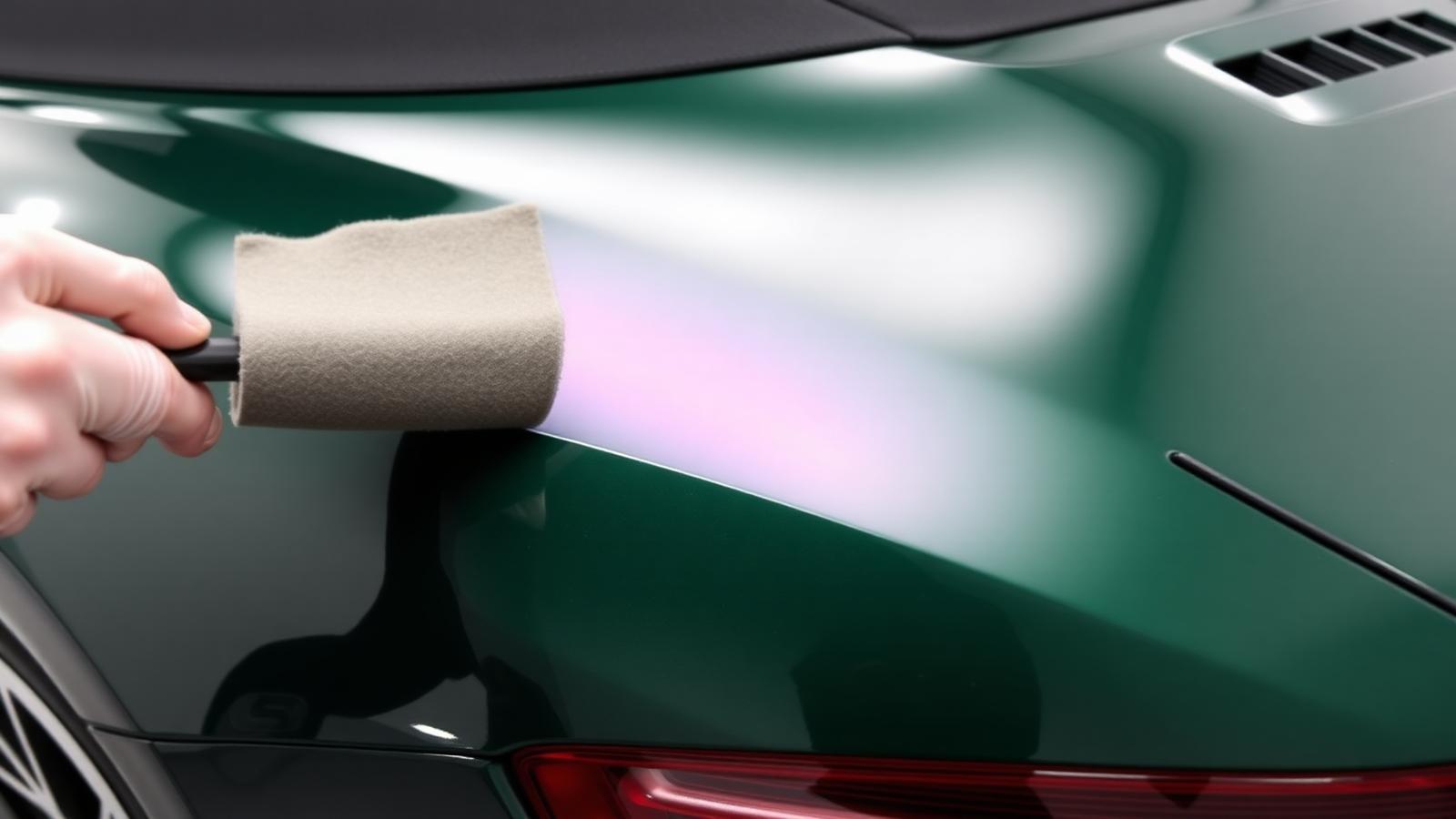
- Ceramic coating helps preserve luxury paintwork.
- Preparation is more important than product choice.
- A coating does not prevent stone chips.
- Auckland conditions make protection more valuable.
- Safe washing is still essential.
Why Luxury Vehicles Need A Different Approach
Ceramic coating luxury cars is not simply about adding shine. Premium vehicles often have complex paint systems, soft gloss black trims, carbon fibre accents, large wheels and sensitive exterior finishes that show poor preparation quickly.
In Auckland, your vehicle is also exposed to strong UV, salt air, motorway grime, frequent rain and hard water. These conditions can leave mineral spotting, traffic film and dullness if the surface is not maintained. A ceramic coating gives your paintwork a harder, more chemically resistant surface than wax or a short-term sealant, making it easier to wash and less likely to hold contamination.
It will not stop stone chips, hide deep scratches or make your vehicle maintenance-free. Its value comes from preserving the finish you already have - or the finish achieved through proper paint correction.
What Ceramic Coating Actually Does
A ceramic coating bonds to exterior surfaces and forms a durable protective layer. If you are new to the topic, our guide to what ceramic coating is explains the basics in more detail.
For a luxury vehicle, the main benefits are practical:
- Slower buildup of road film, dust and grime
- Easier washing and drying when correct methods are used
- Better resistance to bug residue, bird droppings and water spotting
- Improved gloss and clarity on well-prepared paint
- Added protection for wheels, glass and selected trim when coated appropriately
The coating does not replace safe washing. If your vehicle is washed with dirty mitts, harsh brushes or strong chemicals, marring and coating degradation can still occur.
Where It Adds Value On A Luxury Car
Different areas of a premium vehicle benefit in different ways. A tailored coating package is usually more useful than applying one product to every surface without considering the material.
| Area | Main Benefit | Important Note |
|---|---|---|
| Paintwork | Easier washing and improved gloss retention | Best applied after machine polishing |
| Wheels | Helps brake dust release more easily | Useful on performance vehicles with large brakes |
| Glass | Improves water behaviour in Auckland rain | Wipers and glass still need regular cleaning |
| Gloss black trim | Reduces staining and helps maintenance | Scratches can still occur if washed poorly |
| Carbon fibre | Helps protect the clearcoat over the weave | Preparation must be gentle and controlled |
At Carfē, coating decisions are made after inspecting the vehicle under proper lighting at our Greenlane studio. This is especially important on dark colours, metallic finishes and piano black trim where defects can be obvious.
Preparation Matters More Than The Coating Name
The most important part of any ceramic coating package is the work before the coating is applied. Luxury paintwork can show swirl marks, sanding haze, water spotting and dealership wash marks even on relatively new vehicles.
A proper process usually includes:
- Safe pre-wash and contact wash
- Iron, tar and bonded contamination removal
- Paint inspection under detailing lights
- Single-stage or multi-stage machine polishing
- Panel wipe to remove polishing oils
- Controlled coating application and curing
If the paint has visible swirls, they should be corrected before coating. Otherwise, the coating can lock in defects and make them more obvious under sun or showroom lighting. You can read more in our article on paint correction before ceramic coating.
For Auckland luxury vehicles, realistic pricing often depends on size, paint condition and the surfaces being coated. Paint correction commonly sits around $600-$1800, while ceramic coating packages are often around $900-$3500. Wheel, glass and trim coatings can affect the final scope.
Carfē may use coatings from GTECHNIQ or Ceramic Pro where suited to the vehicle, with preparation supported by professional systems such as Koch-Chemie and Rupes. The product matters, but careful inspection, polishing and application matter more.
Ceramic Coating Compared With Other Protection
Ceramic coating is one option within a broader paint protection approach. It is often chosen for gloss, washability and chemical resistance, while other products may suit different priorities.
| Option | Best For | Limitations |
|---|---|---|
| Wax | Short-term gloss and simple upkeep | Low durability in Auckland conditions |
| Sealant | Budget-friendly protection | Less chemical resistance than ceramic |
| Ceramic coating | Long-term gloss, easier washing and contamination resistance | Does not stop stone chips or impact damage |
| Paint protection film | High-impact areas such as bumpers and bonnet edges | Higher cost and visible edges may be possible on some panels |
For many luxury vehicles, ceramic coating is a strong choice when you want the car to look well kept without excessive maintenance. For high-impact areas, paint protection film may be worth considering separately.
Is It Worth It For Your Vehicle?
Ceramic coating is usually worth it if you plan to keep your luxury vehicle for several years, care about the finish and want maintenance to be more manageable. It is especially useful if your vehicle is parked outside, driven regularly on Auckland motorways or exposed to coastal air.
It may not be the right first step if the paint is already heavily scratched and you do not want correction work, or if the vehicle will continue to be washed through automatic brush systems. A coating performs best when your maintenance is consistent.
To keep the coating working well, you should:
- Wash with pH-appropriate shampoo and clean wash media
- Avoid harsh wheel acids unless advised
- Dry the vehicle to reduce hard water spotting
- Remove bird droppings and bug residue promptly
- Book periodic maintenance details when water behaviour declines
If you are considering ceramic coating for a luxury vehicle, Carfē can inspect your paintwork at our Greenlane studio and recommend a suitable preparation and protection plan. You can book an assessment to confirm what your vehicle actually needs before committing to a coating package.
Frequently Asked Questions
Is ceramic coating worth it on a new luxury car?
Yes, if the paint is inspected and lightly corrected first where needed. New vehicles can still have wash marks, water spotting or transport contamination before delivery.
Will ceramic coating stop stone chips?
No. Ceramic coating improves chemical resistance and washability, but it does not absorb impact damage. Paint protection film is the better option for chip-prone areas.
How long does ceramic coating last on a luxury car?
Longevity depends on the coating system, preparation, storage and maintenance. Regular safe washing and periodic maintenance details help the coating perform properly.
Can ceramic coating be applied to wheels and glass?
Yes, dedicated coatings can be used on wheels and glass when the surfaces are prepared correctly. This can be useful for brake dust, rain and motorway grime in Auckland.
Does my car need paint correction before ceramic coating?
In most cases, some level of polishing is recommended. The coating will not hide swirls, so correction helps ensure the finish is clear before it is protected.
Get your new vehicle onto the Carfē Care programme.
Professional protection and ongoing maintenance to keep your vehicle in showroom condition for years to come.
Related Reading
Why High-End Vehicles Need Specialist Care.
High-end vehicles often use softer finishes, complex materials and sensitive trim that need specialist car care. A measured detailing approach helps protect value, finish and usability.
Looking After Matte Paint: The Do's and Don'ts.
Matte paint care is different from looking after gloss paint because the finish cannot be polished in the usual way. This guide explains what to do, what to avoid, and when to seek professional help.
Detailing Performance Cars: What's Different.
Performance car detailing requires more care around paint, brakes, aero parts and interiors. The right process protects your vehicle without compromising its finish or usability.