Detailing Performance Cars: What's Different.
How higher heat, softer finishes and tighter tolerances change the detailing approach
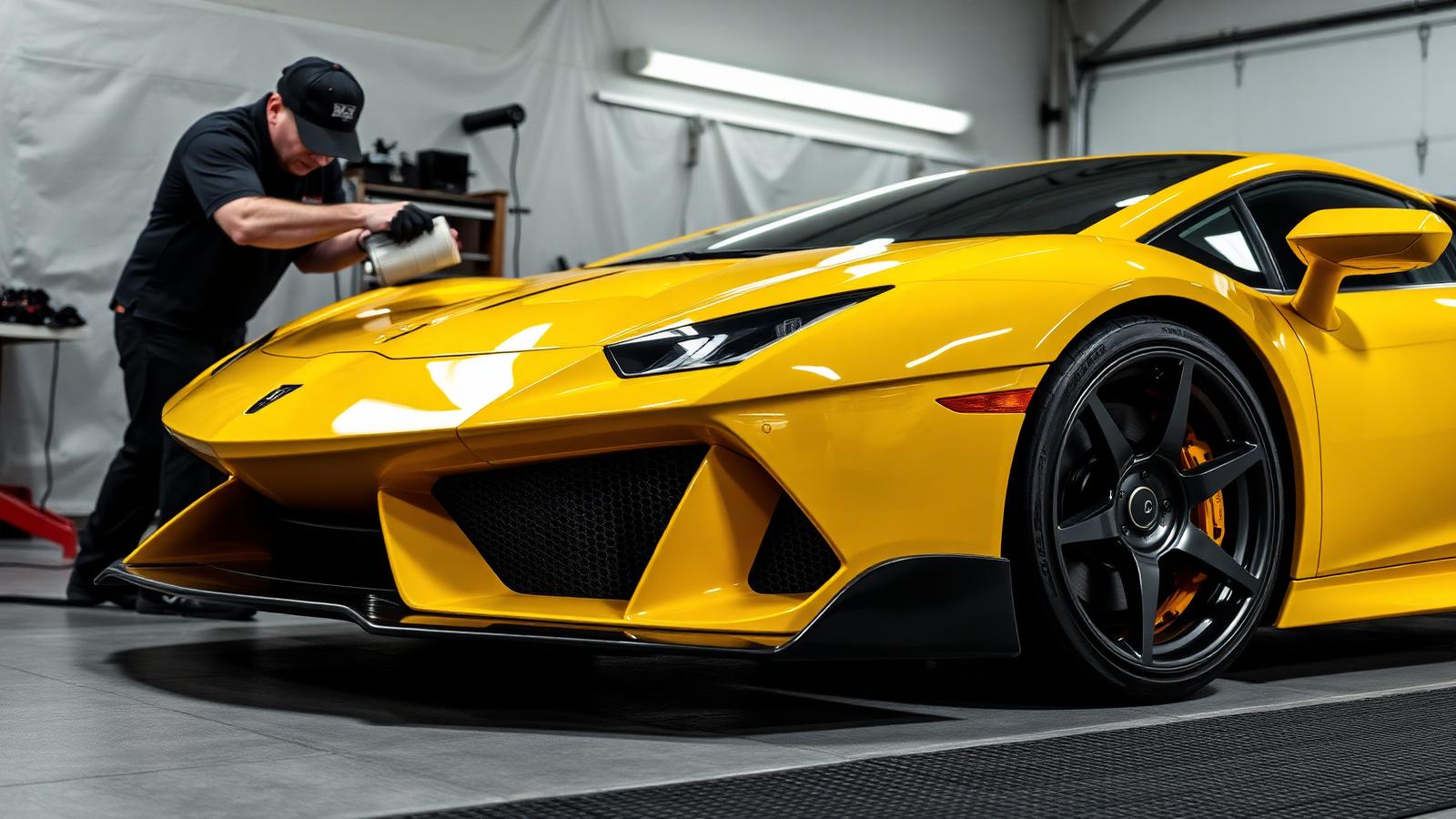
- Performance cars need a more material-specific detailing process.
- Brake dust and heat require careful wheel and lower panel care.
- Low aero parts and carbon fibre surfaces need controlled handling.
- Protection should match how and where your vehicle is driven.
- Interior finishes should be cleaned without greasy residues.
Why Performance Car Detailing Is Different
Performance car detailing is not simply a more intensive version of a standard wash. These vehicles often have wider wheels, larger brakes, lower ride height, softer paint systems, carbon fibre trim and interiors designed for driving feedback rather than easy cleaning.
In Auckland, they also face the same daily conditions as any other vehicle - UV exposure, rain, motorway grime, salt air and hard water spotting. The difference is that performance vehicles often show damage more clearly, especially on dark colours, gloss black trim and exposed carbon.
A proper detail is about working with the vehicle's materials and tolerances. The aim is to improve presentation, reduce avoidable wear and preserve the surfaces you interact with most.
Paintwork, Heat And Brake Dust
Performance cars often generate more brake dust and heat than ordinary road cars. Dust from large brake systems can bond quickly to wheels, callipers and lower body panels, particularly after spirited driving or motorway use. If it is left in place, it can become harder to remove safely.
Paintwork can also vary significantly. Some performance cars have very soft clear coat that marks easily, while others have harder paint that requires more time during correction. A measured inspection is important before polishing, because the same machine, pad and compound combination will not suit every vehicle.
Key areas that need careful assessment include:
- Front bumper, bonnet and mirror caps, where stone chips and bug residue collect
- Lower doors and rear arches, where road film and tar build up
- Gloss black trim, which can mark even from poor drying technique
- Wheels and callipers, where brake dust and heat are concentrated
- Exhaust surrounds, where soot and staining can accumulate
If the paint has visible swirl marks, haze or wash marring, paint correction may be needed before applying longer-term protection.
Low Clearance And Sensitive Surfaces
Low splitters, side skirts, diffusers and wide arches change the way a vehicle is washed and dried. Access is more limited, and careless contact can mark edges, painted lips or carbon fibre parts. Even moving around the vehicle requires more awareness when doors are long, wheels protrude and kerbs have already left marks on lower edges.
Carbon fibre and aluminium trim also need appropriate products. Some pieces are clear-coated like paint, while others have satin or textured finishes. Treating them as generic plastic or aggressively polishing them can create uneven gloss or permanent staining.
A careful performance detail usually involves:
- Pre-rinsing to remove loose grit before contact washing.
- Using dedicated wheel and brake-safe cleaners where appropriate.
- Cleaning lower panels separately from upper paintwork.
- Drying with soft towels and air where water traps are common.
- Inspecting edges, vents and grilles for trapped residue.
The process is slower, but it reduces avoidable contact on surfaces that are expensive to repair or replace.
Protection Choices For Fast Road Cars
Protection should match how your vehicle is used. A weekend car stored indoors has different needs from a daily-driven performance SUV or coupe that sees Auckland motorways, rain and coastal air.
| Protection Option | Best Suited To | Main Benefit | Consideration |
|---|---|---|---|
| Wax or sealant | Occasional use vehicles | Short-term gloss and easier washing | Needs regular reapplication |
| Ceramic coating | Regular road use | Chemical resistance and easier maintenance | Paint preparation matters |
| Paint protection film | High-impact areas | Physical resistance to stone chips | Usually focused on selected panels |
| Combined approach | High-value daily drivers | Stronger overall protection strategy | Requires careful planning |
A ceramic coating can make washing easier and help resist grime, water spotting and UV-related degradation, but it will not stop stone chips. For impact-prone areas, it is worth comparing ceramic coating vs PPF before deciding.
For many performance cars, the best result is a staged approach: correct the paint where needed, protect high-impact zones if required, then apply a coating to painted and exterior surfaces. You can learn more about local coating considerations in our guide to ceramic coating in Auckland.
Interior Materials And Driving Use
Performance car interiors often use leather, Alcantara, suede-like fabrics, carbon fibre, piano black trim and textured plastics. These materials do not respond well to heavy product use or greasy dressings.
Bolsters usually need the most attention, because they see friction every time you enter or exit the vehicle. Steering wheels, gear selectors, paddles and seat centres also collect oils from your hands. On Alcantara-style surfaces, gentle cleaning and controlled moisture are important to avoid matting or tide marks.
A good interior detail should leave controls clean, dry and natural to the touch. In a performance vehicle, slippery pedals, glossy steering wheels or over-dressed seats are not only unpleasant - they can affect the way the vehicle feels to drive.
How Often Should You Detail A Performance Car
The right interval depends on use, storage and finish. A garaged weekend car may only need maintenance detailing a few times a year, while a daily driver exposed to Auckland rain, motorway film and hard water may need more frequent care.
As a general guide:
- Wash carefully every 1-3 weeks if the vehicle is driven regularly.
- Remove brake dust before it becomes bonded to wheels.
- Decontaminate paint when it feels rough after washing.
- Inspect protection every 6-12 months.
- Consider correction only when defects justify removing clear coat.
Costs vary with size, condition and goals. In Auckland, a quality full detail commonly sits around $200-$600, paint correction around $600-$1800, and ceramic coating packages around $900-$3500. The most suitable option depends on the level of preparation required, not just the badge on the vehicle.
If you want a careful assessment of your performance car, Carfē can inspect it at our Greenlane studio and recommend a process that suits its finish, use and condition. You can start with our booking page to arrange a time.
Frequently Asked Questions
Is performance car detailing different from normal detailing?
Yes. The process is usually slower and more specific because performance cars often have sensitive paint, larger brakes, low aero parts and specialised interior materials.
Should a performance car have paint correction before coating?
If the paint has swirl marks, haze or wash marring, correction is usually recommended before coating. A coating will protect the surface, but it will not hide defects underneath.
How often should I wash a performance car in Auckland?
For regular road use, every 1-3 weeks is sensible. Brake dust, rain, motorway grime and salt air can build up quickly, especially on wheels and lower panels.
Can ceramic coating stop stone chips?
No. Ceramic coating helps with chemical resistance, easier washing and gloss retention, but it does not provide the impact resistance of paint protection film.
Is Alcantara safe to clean during detailing?
Yes, when it is cleaned gently with suitable products and controlled moisture. Heavy scrubbing or over-wetting can flatten the fibres or leave marks.
Get your new vehicle onto the Carfē Care programme.
Professional protection and ongoing maintenance to keep your vehicle in showroom condition for years to come.
Related Reading
Why High-End Vehicles Need Specialist Care.
High-end vehicles often use softer finishes, complex materials and sensitive trim that need specialist car care. A measured detailing approach helps protect value, finish and usability.
Ceramic Coating for Luxury Vehicles: Is It Worth It?
Ceramic coating luxury cars can be worthwhile when the paint is properly prepared and maintained. It helps reduce staining, wash effort and UV exposure, but it is not a substitute for careful use.
Looking After Matte Paint: The Do's and Don'ts.
Matte paint care is different from looking after gloss paint because the finish cannot be polished in the usual way. This guide explains what to do, what to avoid, and when to seek professional help.