Preparing Your Vehicle for Summer.
A practical guide to keeping your vehicle clean, protected, and comfortable through Auckland summer
- Wash before applying any summer protection.
- UV and heat make contamination more urgent.
- Interior surfaces need regular gentle cleaning.
- Tyres, glass, and wipers should be checked before trips.
- Professional preparation can make summer washing easier.
Why Summer Changes Vehicle Care
Summer car care in Auckland is not only about making your vehicle look tidy. Higher UV, warmer panels, salt air from coastal driving, dusty roads, and sudden rain all affect how contamination bonds to paint, glass, wheels, and exterior trim.
Heat can also make minor issues more noticeable. Water spots can mark faster, bird droppings can become more aggressive on warm clear coat, and sunscreen or body oils can transfer onto leather, vinyl, and interior plastics. If your vehicle spends time outside at work, near the beach, or on the motorway, a little preparation before summer usually makes ongoing maintenance easier.
Start With A Proper Exterior Wash
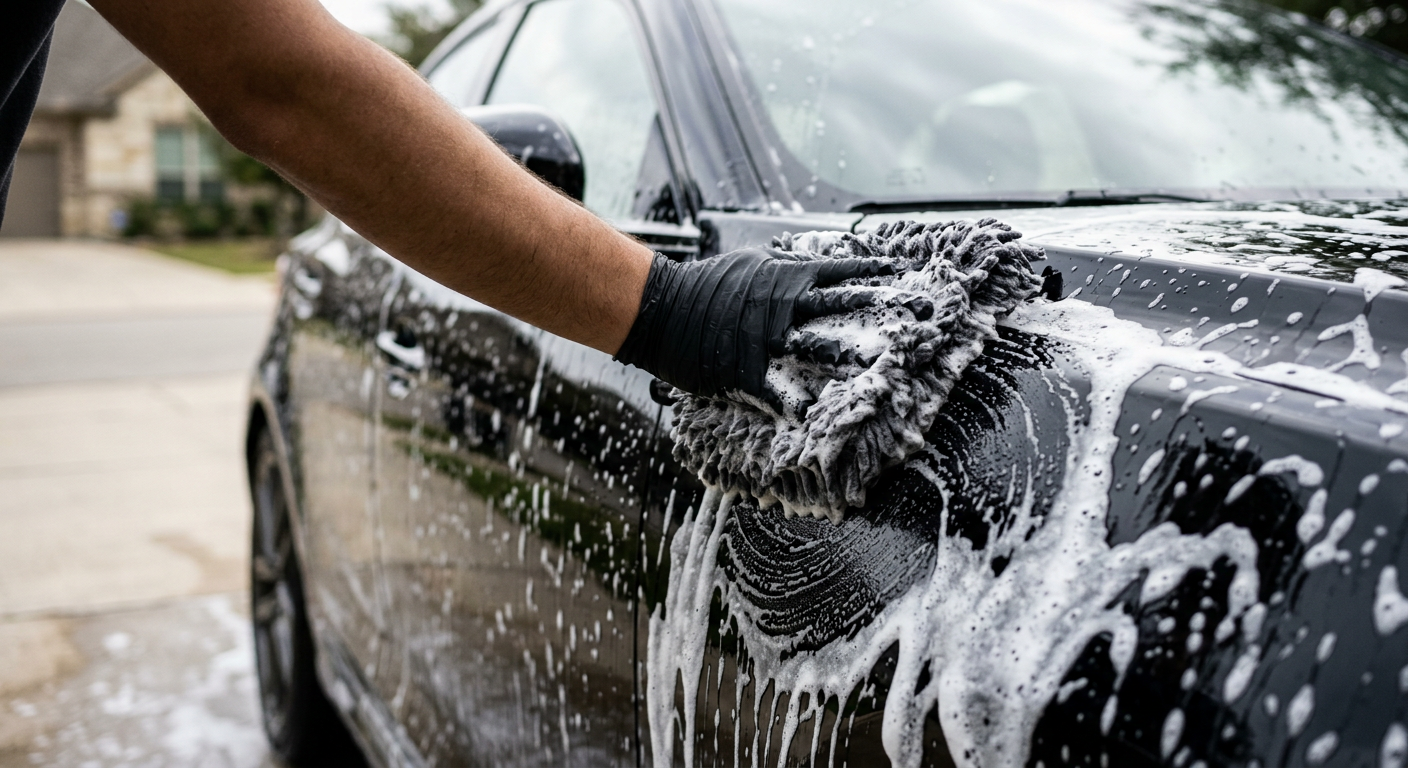
Before applying any protection, your vehicle should be washed thoroughly. The aim is to remove loose dirt, road film, old residue, and grime from areas that are often missed during quick washes.
A good pre-summer wash should include:
- A thorough rinse, including lower panels, wheel arches, and behind the wheels
- A pH-appropriate shampoo wash using clean wash media
- Separate cleaning for wheels, tyres, and exhaust tips
- Removal of visible tar, bug residue, and sap where safe
- Careful drying to reduce hard water spotting
Avoid washing in direct sun where possible. Hot panels make shampoo dry too quickly, which can leave streaking or water marks. If you do not have shaded space at home, wash early in the morning or later in the day.
| Area | Summer Risk | Practical Response |
|---|---|---|
| Paint | UV, bird droppings, sap, water spots | Wash regularly and add suitable protection |
| Glass | Salt film, rain spotting, wiper haze | Deep clean and inspect wiper blades |
| Wheels | Brake dust and motorway grime | Clean separately with the right brushes and chemicals |
| Interior | Heat, sunscreen, body oils | Clean high-touch surfaces and protect trim |
| Tyres | Heat and pressure changes | Check pressure and sidewall condition |
For a deeper clean before the season, a professional detail can reset the vehicle and make regular washing more straightforward. You can view detailing options through our vehicle detailing services.
Protect Paint, Glass, And Exterior Trim
Once the vehicle is clean, protection becomes the main part of summer car care. Wax, sealants, ceramic coatings, and paint protection film each have different roles. The right choice depends on how the vehicle is used, how often it is washed, and how long you want the protection to last.
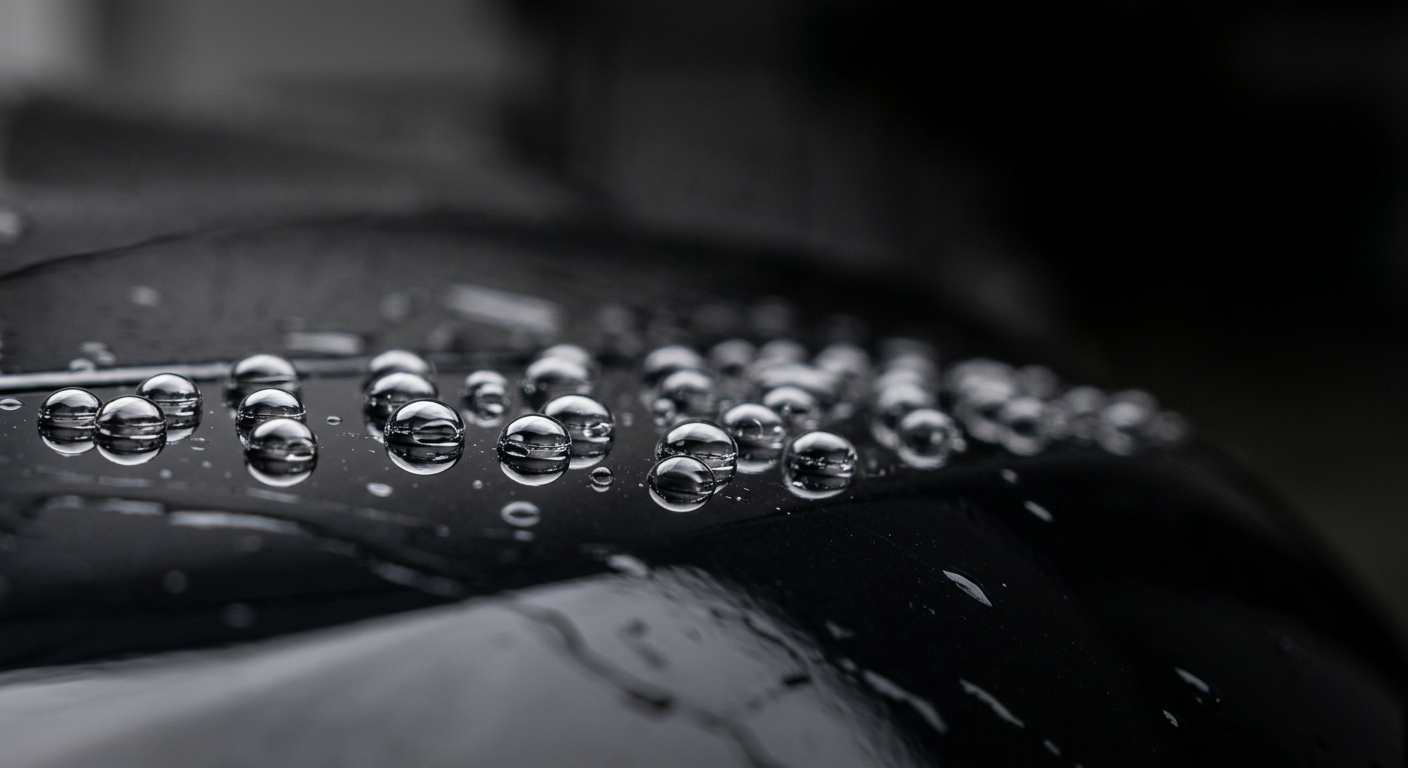
A ceramic coating can help reduce how strongly dirt, rain residue, and road film bond to the paint. It does not make your vehicle maintenance-free, but it can make washing easier and help preserve gloss when maintained correctly. If you are considering this option, our guide to what ceramic coating is explains the basics in more detail.
Paint protection film is a separate form of protection for impact-prone areas such as the front bumper, bonnet edges, mirrors, and door cups. It is useful where stone chips and physical abrasion are a bigger concern than general contamination. You can compare the two options in our article on ceramic coating vs PPF.
Exterior plastics and rubber trims should not be ignored. UV can fade unprotected trim, especially on vehicles parked outside. A suitable trim dressing or coating can help maintain an even appearance without leaving a greasy finish.
Prepare The Interior For Heat And UV
The cabin often sees the most direct summer wear. Steering wheels, gear selectors, armrests, door pulls, and seat bolsters collect sunscreen, sweat, dust, and oils. If left to build up, these can make surfaces feel sticky and can accelerate wear on leather and soft-touch materials.
Focus on the areas you touch most:
- Vacuum seats, carpets, boot space, and under mats.
- Clean leather, vinyl, and plastics with an appropriate interior cleaner.
- Avoid shiny dressings on steering wheels, pedals, and controls.
- Clean glass inside and out to reduce glare.
- Use a sunshade when parked outside for long periods.
If your vehicle has leather or light-coloured upholstery, regular gentle cleaning is better than waiting until staining becomes visible. Fabric seats can also benefit from a proper clean before beach trips, pets, or summer holiday driving.
Check Wheels, Tyres, Glass, And Wipers
Summer preparation should include practical checks, not just detailing. Tyre pressure can change with temperature, and long trips place more heat into tyres. Check pressures when the tyres are cold and follow the vehicle manufacturer’s recommendation, not the number printed on the tyre sidewall.
Inspect tyre sidewalls for cracks, cuts, bulges, or uneven wear. If you are planning a road trip, check the spare wheel or repair kit as well. Clean wheels properly so brake dust and tar do not continue to bake onto the finish during hot weather.
Glass also deserves attention. Auckland rain can arrive quickly, and summer glare can make hazy windscreens tiring to drive with. Clean the windscreen thoroughly, inspect wiper blades, and top up washer fluid. If you notice heavy water spotting, a deeper glass clean may be needed before applying any water-repellent treatment.
Build A Simple Summer Maintenance Routine
The best routine is one you can maintain. For most vehicles, a fortnightly wash during summer is sensible, with sooner attention after beach parking, bird droppings, sap, long motorway drives, or heavy rain.
A practical routine is:
- Remove bird droppings and sap as soon as possible using safe methods.
- Rinse salt and sand from lower panels after coastal trips.
- Wash in shade and dry properly to reduce water spotting.
- Keep a clean microfibre towel and quick detailer for fresh marks.
- Book more involved work before the busiest summer travel period.
Paint that is already dull, swirled, or oxidised may need polishing before protection is applied. Protection locks in the surface condition, so preparation matters. If you are unsure whether your vehicle needs polishing first, our guide to paint correction before ceramic coating is a useful place to start.
If you would like your vehicle prepared before summer driving, Carfē can assess the paint, glass, wheels, and interior at our Greenlane studio and recommend a suitable level of care. You can book an appointment when you are ready.
Frequently Asked Questions
How often should I wash my vehicle in summer?
For most Auckland vehicles, every two weeks is a practical starting point. Wash sooner after coastal driving, bird droppings, sap, motorway grime, or heavy rain.
Is ceramic coating useful for summer car care?
Yes, if you want easier washing and longer-lasting paint protection. It still needs regular maintenance and should be applied to properly prepared paint.
Should I wash my car after going to the beach?
Yes. Rinse and wash the lower panels, wheels, tyres, and arches to remove salt and sand, which can hold moisture and grime against the vehicle.
Can summer sun damage my interior?
UV and heat can fade plastics, dry leather, and make oils or sunscreen build up faster. Regular cleaning and sensible protection help reduce wear.
Do I need paint correction before summer protection?
If the paint has swirl marks, oxidation, or dullness, correction may be worthwhile before applying a coating or sealant. Protection works best over a clean, well-prepared surface.
Ready to see the Carfē difference?
Book a service at our Greenlane, Auckland studio, or talk to our team about the right package for your vehicle.