Protecting Your Vehicle During Winter.
Practical winter car care for Auckland rain, grime, salt air and reduced drying time
- Winter rain does not properly clean your vehicle.
- Lower panels collect the most winter road grime.
- Drying is important to reduce water spotting.
- Clean glass improves winter visibility and demisting.
- Protection works best with regular maintenance washing.
Why Winter Car Care Matters In Auckland
Winter car care in Auckland is less about snow and road salt, and more about persistent rain, motorway grime, salt air, low sun and slower drying. Your vehicle may look cleaner after regular rain, but rainwater often moves dirt around rather than removing it. Once moisture sits in trims, badges, wheel arches and door shuts, it can hold contamination against the surface for longer.
Cold weather also changes how you use your vehicle. Demisters run more often, windows fog, floor mats stay damp and exterior surfaces may not dry properly after a wash. If your vehicle is parked outside, winter UV can still affect exposed paint, plastics and rubber, especially when combined with water spotting and fallout.
A good winter routine does not need to be complicated. It should focus on safe washing, moisture control and checking the protective layers already on your vehicle.
Exterior Protection Before The Weather Sets In
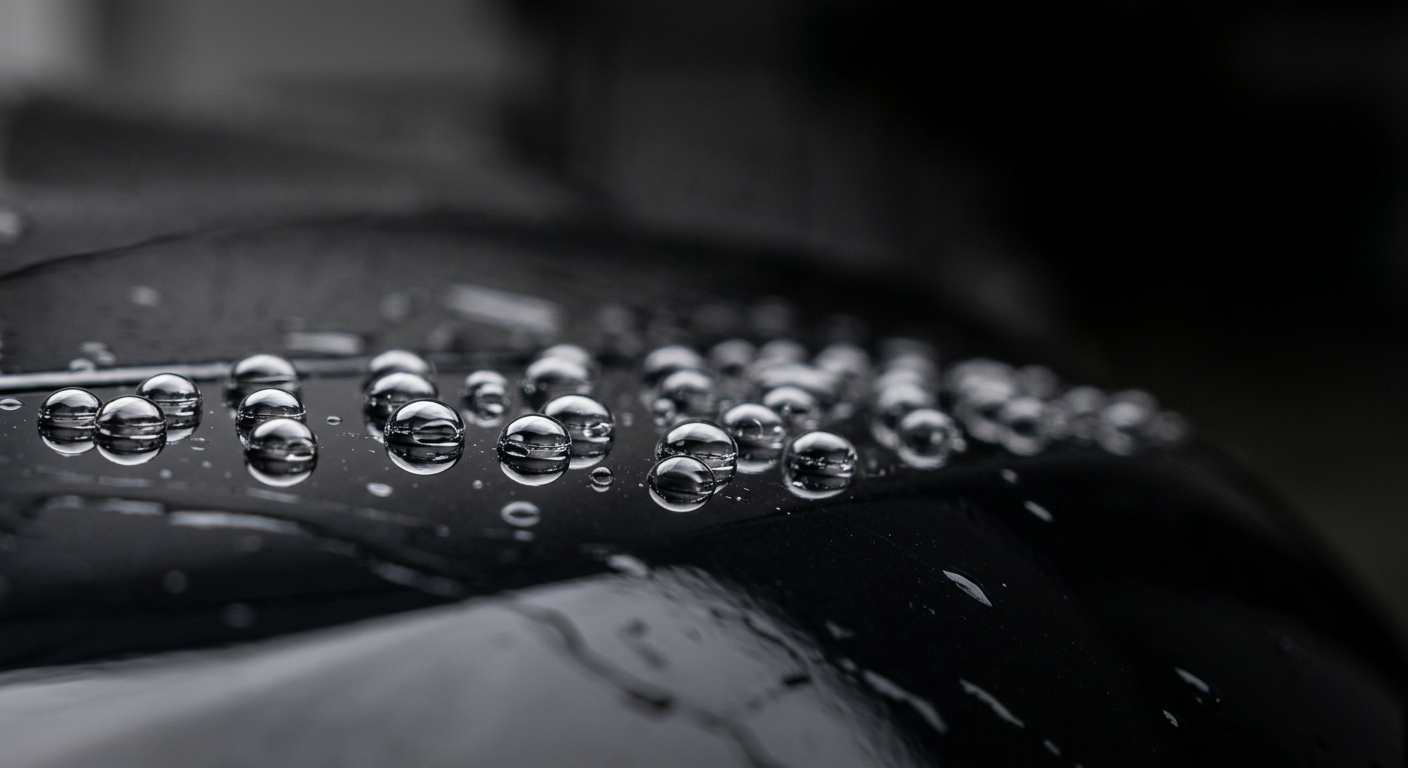
The best time to prepare is before winter grime has built up. A thorough wash, decontamination and inspection will show whether your paint still has protection or whether water is sitting flat on the panels.
Key areas to check include:
- Lower doors and sills, where road film collects.
- Wheel faces, barrels and brake dust-prone areas.
- Rear bumper and boot lid, especially on SUVs and hatchbacks.
- Windscreen and side glass, where oily film affects visibility.
- Door shuts, fuel flap and boot channels, where water can sit.
If the paint feels rough after washing, bonded contamination may already be present. Removing it correctly helps prevent you from grinding contaminants into the paint during future washes. If the finish is dull or heavily marked, you may want to understand what paint correction involves before applying longer-term protection.
A wax, sealant or ceramic coating can all help reduce how strongly grime bonds to your vehicle. The right option depends on your expectations, vehicle use and how often you maintain it.
Winter Protection Options Compared
| Protection Type | Best For | Winter Benefit | Typical Consideration |
|---|---|---|---|
| Wax | Short-term gloss and basic protection | Adds a sacrificial layer against light grime | Needs more frequent reapplication |
| Paint sealant | Practical seasonal protection | Good water behaviour and easier washing | Usually less durable than ceramic |
| Ceramic coating | Longer-term surface protection | Stronger resistance to grime, water spotting and wash wear | Requires correct prep and maintenance |
| Paint protection film | High-impact areas | Helps defend against chips and abrasion | Best used selectively on vulnerable panels |
Ceramic coatings are often useful for Auckland winter driving because they make washing easier and help reduce contamination bonding. They do not make your vehicle maintenance-free, but they can make a proper wash routine more effective. If you are comparing options, see our guide to ceramic coating in Auckland.
Washing Safely In Cold And Wet Conditions
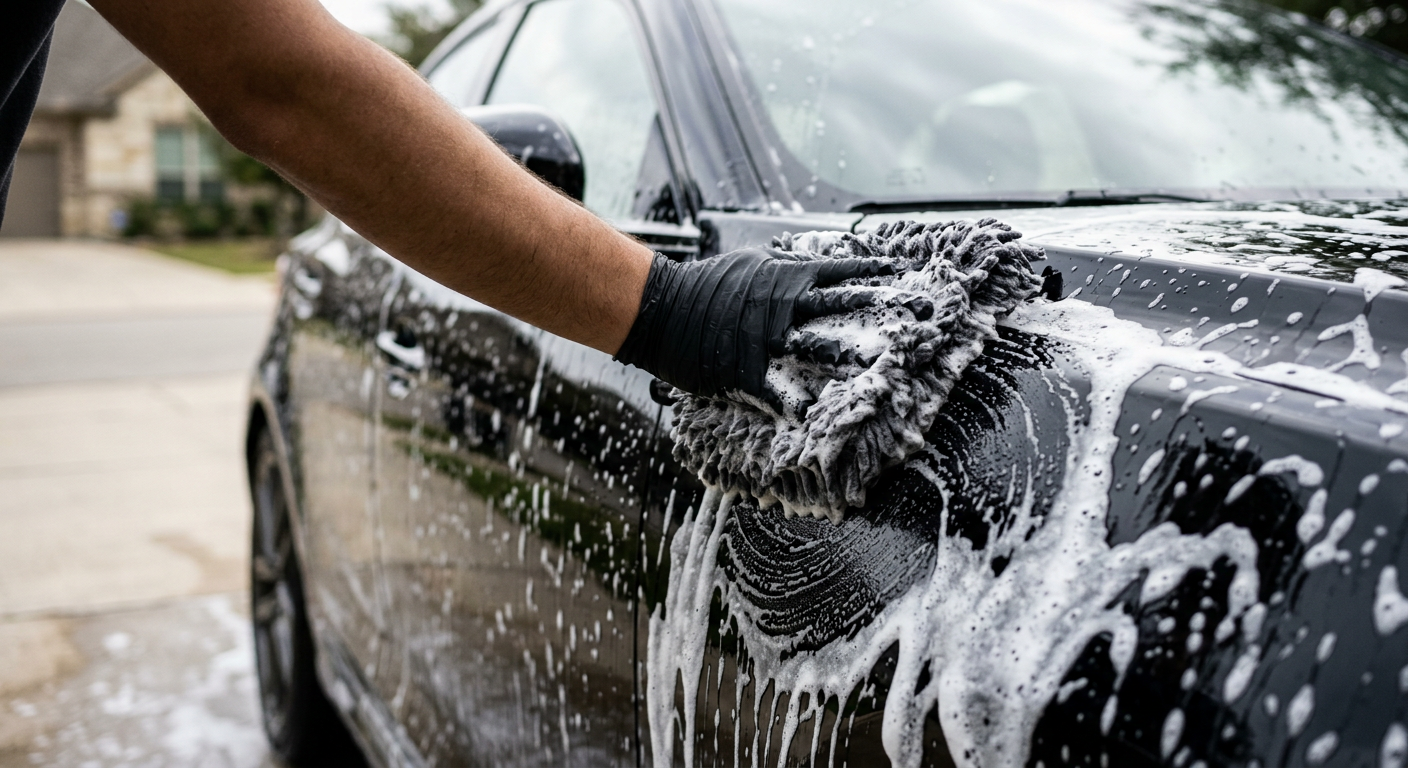
Winter washing should be gentle, regular and thorough. Leaving grime for too long increases the chance of marring when the vehicle is finally washed. The aim is to remove loose dirt first, then wash with minimal friction.
A Practical Winter Wash Routine
- Rinse thoroughly, especially the lower panels, tyres and wheel arches.
- Pre-wash where possible to soften road film before contact washing.
- Use a clean wash mitt and pH-neutral shampoo.
- Wash from the top down, leaving the dirtiest areas until last.
- Rinse carefully around trims, mirrors and badges.
- Dry with clean microfibre towels or filtered air where suitable.
Avoid washing in direct low winter sun if the panels are warm, as hard water spotting can still occur quickly. Auckland water can leave mineral marks if it dries on paint or glass, particularly on dark colours. If you cannot dry the vehicle properly, focus on a more controlled wash when time and weather allow.
For vehicles with coatings, maintenance should be consistent rather than aggressive. Strong chemicals used too often can reduce the performance of protective layers. If you are unsure how your coating should behave, our article on how long ceramic coating lasts explains the role of care and maintenance.
Glass, Wheels, Tyres And Interior Moisture
Winter safety is closely linked to visibility and contact with the road. Exterior protection is important, but glass, tyres and interior moisture often need just as much attention.
Windscreens can develop an oily film from traffic pollution, heater use and interior vapours. Cleaning both the outside and inside of the glass improves demister performance and night visibility. Wiper blades should also be checked for skipping, smearing or hard edges.
Wheels and tyres collect brake dust, grime and standing water. Regular cleaning helps reduce staining on painted, gloss black or aluminium finishes. Tyre sidewalls should be cleaned before any dressing is applied so the product bonds evenly and does not sling onto the paint.
Inside, damp mats and carpets can lead to odour and fogging. Remove wet items promptly, vacuum debris from carpets and make sure rubber mats are cleaned underneath as well as on top. If water is repeatedly appearing inside the cabin, it is worth checking door seals, boot seals and drainage areas rather than only treating the smell.
When To Book Professional Winter Care
Professional detailing is useful when your vehicle needs more than a maintenance wash. This may include bonded contamination, staining, water spots, dull paint, interior dampness or a coating that no longer performs as expected.
For many Auckland vehicles, a winter preparation service may include:
- Safe exterior wash and chemical decontamination.
- Clay treatment where appropriate.
- Light machine polishing or paint correction if needed.
- Glass cleaning and exterior glass treatment.
- Wheel and tyre cleaning.
- Interior vacuuming, mat cleaning and moisture checks.
- Wax, sealant or ceramic coating application.
A full detail in Auckland commonly sits around $200–$600 depending on size and condition. Paint correction may range from $600–$1800, while ceramic coating packages can range from $900–$3500 where preparation and coating system are included.
If you want your vehicle assessed before the worst of the wet season, Carfē can inspect the paint, glass, wheels and interior at our Greenlane studio and recommend a winter car care plan that suits how you drive and store your vehicle. You can view our detailing options through our services.
Frequently Asked Questions
How often should I wash my vehicle in winter?
For most Auckland vehicles, every two to four weeks is a practical interval. If you drive daily on motorways or park near the coast, washing more often can help control grime and salt air contamination.
Does rain damage car paint in winter?
Rain itself is not usually the main issue. The problem is the dirt, minerals and contamination it carries or leaves behind as it dries on paint, glass and trims.
Should I apply ceramic coating before winter?
Applying ceramic coating before winter can make maintenance easier and reduce how strongly grime bonds to the surface. The paint should be properly cleaned and prepared first.
Why does my windscreen fog up more in winter?
Fogging usually comes from moisture inside the cabin meeting cold glass. Damp mats, wet clothing, dirty interior glass and blocked ventilation can all make it worse.
Can I use the same wash method in winter as summer?
The basic safe wash method is similar, but winter usually needs more attention to pre-rinsing, lower panels and drying. Avoid letting hard water dry on the vehicle, even in cooler weather.
Ready to see the Carfē difference?
Book a service at our Greenlane, Auckland studio, or talk to our team about the right package for your vehicle.