Professional Car Wash Greenlane: The Carfē Standard.
A safer exterior wash standard for vehicles driven in Greenlane and wider Auckland
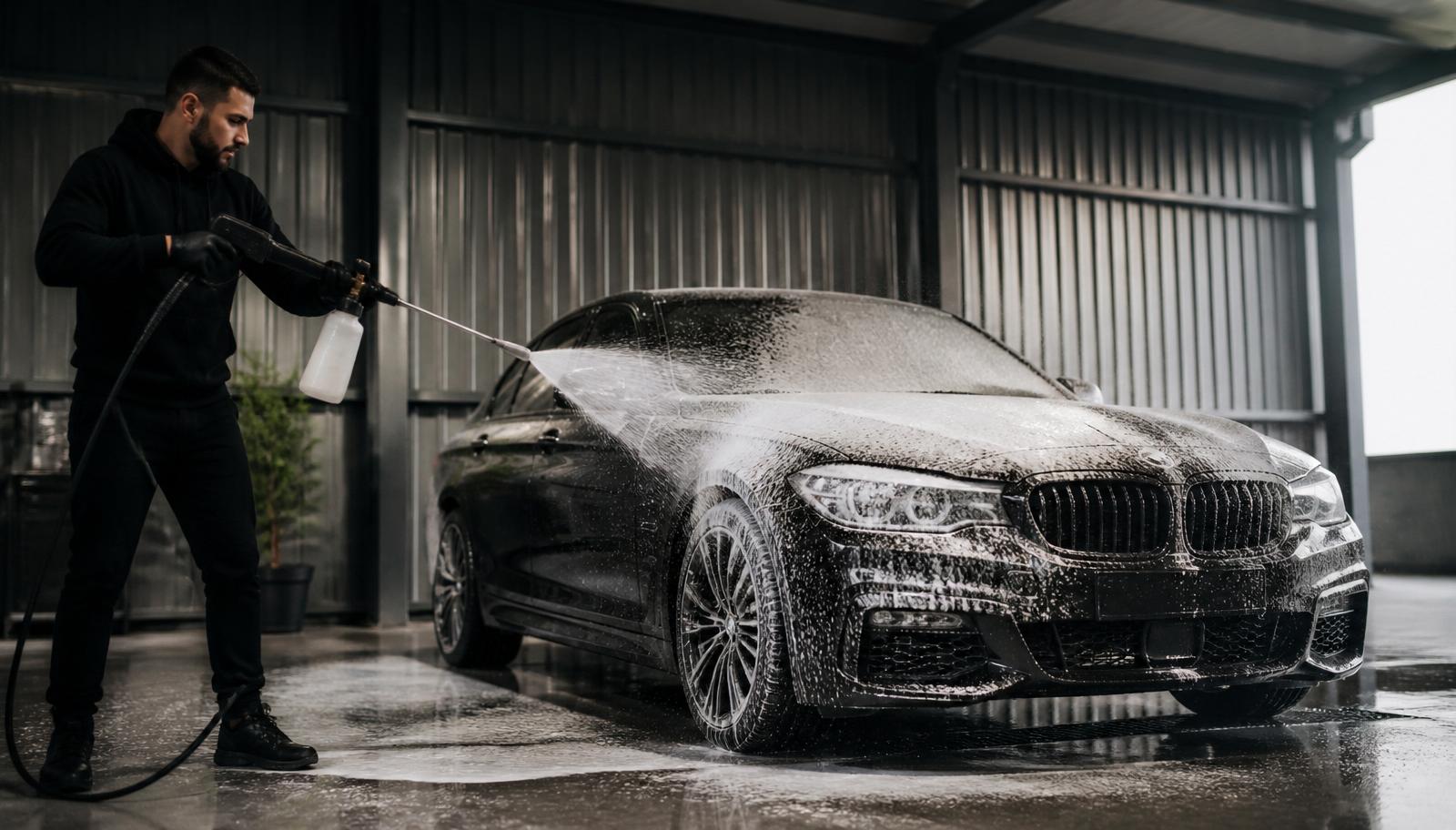
- Professional washing reduces avoidable paint marking.
- Greenlane vehicles collect motorway grime quickly.
- Pre-washing is important before contact washing.
- Some defects need detailing, not just washing.
- Safe maintenance keeps your finish cleaner for longer.
What A Professional Car Wash Should Do
A professional car wash Greenlane drivers can rely on should remove road film, dust, insect residue and grime without adding avoidable marks to the paint. The goal is not simply to make your vehicle look clean for a day - it is to protect the surface each time it is washed.
Auckland vehicles are exposed to strong UV, salt air, motorway grime, frequent rain and hard water spotting. These conditions can leave a bonded film on paint, glass, wheels and trim. If that film is rubbed away with poor technique, it can create swirl marks and fine scratches, especially on darker colours.
At Carfē, washing is treated as a controlled detailing process. The products, tools and contact stages are chosen to suit the condition of your vehicle, rather than using one approach for every car.
Why Greenlane Vehicles Need Careful Exterior Washing
Greenlane sits close to busy arterial roads and motorway routes, so daily-driven vehicles often collect contamination quickly. Even if your vehicle looks clean from a distance, the lower panels, rear bumper and wheels may hold heavier grime.
Common local wash challenges include:
- Motorway film - oily residue and fine dirt that can cling to paint and glass.
- Brake dust - metallic contamination around wheels and lower panels.
- Hard water marks - spotting that can become more difficult to remove if left to bake in the sun.
- Salt air and rain residue - a dulling film that builds up over time.
- UV exposure - heat and sunlight that can accelerate oxidation on neglected surfaces.
Regular, careful washing helps keep these contaminants under control. It also makes it easier to inspect your paint for defects, chips, tar, sap or early signs of staining.
The Carfē Exterior Wash Process
Every vehicle is assessed before washing. A lightly dusty garaged car does not need the same level of cleaning as a work vehicle that has been driven in rain for two weeks. The process is adjusted, but the core standard remains consistent.
A typical exterior wash may include:
- Pre-rinse and inspection - loose grit is removed and sensitive areas are checked.
- Pre-wash application - traffic film and heavier grime are softened before contact washing.
- Wheel and tyre cleaning - wheels, barrels where accessible, tyres and arches are cleaned with suitable brushes and cleaners.
- Contact wash - paint is washed methodically with clean media and safe technique.
- Detail rinse - gaps, trims and badges are cleared of remaining residue.
- Careful drying - soft drying towels and controlled air are used to reduce water spotting.
- Final checks - glass, mirrors, trims and visible edges are reviewed before handover.
Where appropriate, Carfē may use professional products from partners such as Koch-Chemie or Ceramic Pro. Product choice depends on your vehicle's finish, protection level and contamination, not on a fixed formula.
Professional Wash Vs Basic Wash
A basic wash can be useful when speed is the only priority, but it may not suit vehicles with soft paint, ceramic coatings, gloss black trim or sensitive wheels. The difference is usually in the preparation, contact method and drying stage.
| Area | Basic Wash | Carfē Professional Wash |
|---|---|---|
| Pre-wash | Often minimal or skipped | Used to soften grime before contact |
| Contact method | General wash media | Controlled technique with clean wash media |
| Wheels | Quick visible clean | Tyres, faces and accessible areas cleaned carefully |
| Drying | May leave water trails or towel marks | Careful drying to reduce spotting and marring |
| Paint safety | Varies by process | Prioritises minimising wash-induced defects |
| Finish | Clean appearance | Cleaner, more even and better inspected finish |
This is especially important if your vehicle has been ceramic coated or paint corrected. A poor wash can quickly reduce gloss and make the finish look tired, even when the underlying protection is still present.
When Washing Is Not Enough
A professional wash can remove loose and surface-level contamination, but it cannot correct every paint issue. If your paint feels rough after washing, has visible swirl marks, or shows water spots that do not wipe away, the vehicle may need a deeper detailing process.
For bonded contaminants, a decontamination wash and clay treatment may be suitable. For scratches, haze and dullness, paint correction is the process used to refine the clear coat and improve gloss. If you want easier ongoing washing and stronger resistance to environmental contamination, you may also consider paint protection, including ceramic coating options.
If you are unsure what level of service your vehicle needs, reviewing the broader vehicle detailing services available can help you compare a maintenance wash with deeper exterior detailing.
Maintaining Your Vehicle After A Professional Wash
The way your vehicle is washed between studio visits matters. Even a well-protected finish can be marked by dirty sponges, dry wiping, harsh detergents or repeated washing in direct sun.
To maintain the finish:
- Rinse heavy grit before touching the paint.
- Use clean wash mitts and towels.
- Avoid household detergents on paint and trim.
- Dry the vehicle rather than letting hard water sit.
- Wash more often during wet motorway driving or after coastal exposure.
A professional wash is a sensible foundation for keeping your vehicle presentable and reducing long-term surface damage. If you are looking for a careful car wash in Greenlane, Carfē's Greenlane studio can assess your vehicle and recommend the right exterior wash or detailing option. You can book a visit when you are ready.
Frequently Asked Questions
Is a professional car wash safer for my paint?
Yes, when it uses proper pre-washing, clean wash media and careful drying. These steps reduce the chance of swirl marks and fine scratches compared with rushed or poorly controlled washing.
How often should I wash my vehicle in Greenlane?
Most daily-driven vehicles benefit from regular washing, especially after wet motorway driving, coastal exposure or heavy dust. The right frequency depends on how and where your vehicle is used.
Can you wash a ceramic coated vehicle?
Yes. A ceramic coated vehicle still needs safe washing to remove grime and maintain water behaviour. Harsh detergents and poor technique should be avoided.
Will a wash remove water spots or swirl marks?
A wash may remove fresh mineral residue, but etched water spots and swirl marks usually need paint correction or a more detailed treatment. Carfē can assess this during inspection.
Do I need to book a car wash at Carfē?
Booking is recommended so your vehicle can be given the right time and process. You can arrange a visit to the Greenlane studio through the booking page.
Give your vehicle a genuinely professional clean.
From express washes to full interior and exterior detailing, and every package delivered by trained detailers at our Greenlane studio.
Related Reading
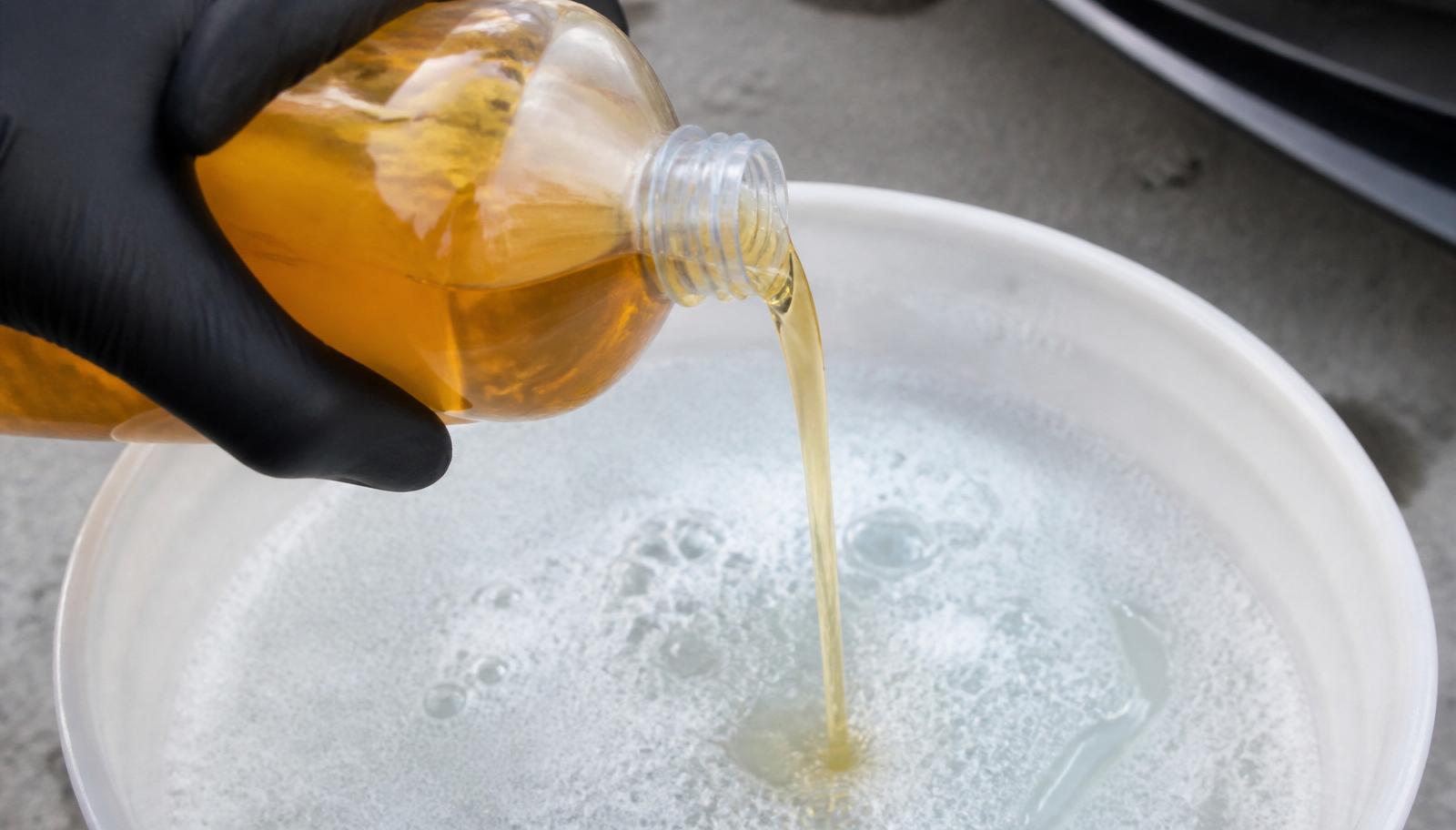
Why pH-Neutral Shampoo Matters for Your Paint.
A ph neutral car shampoo cleans road film without relying on harsh acidity or alkalinity. Used correctly, it helps protect paint, coatings and trim in Auckland conditions.
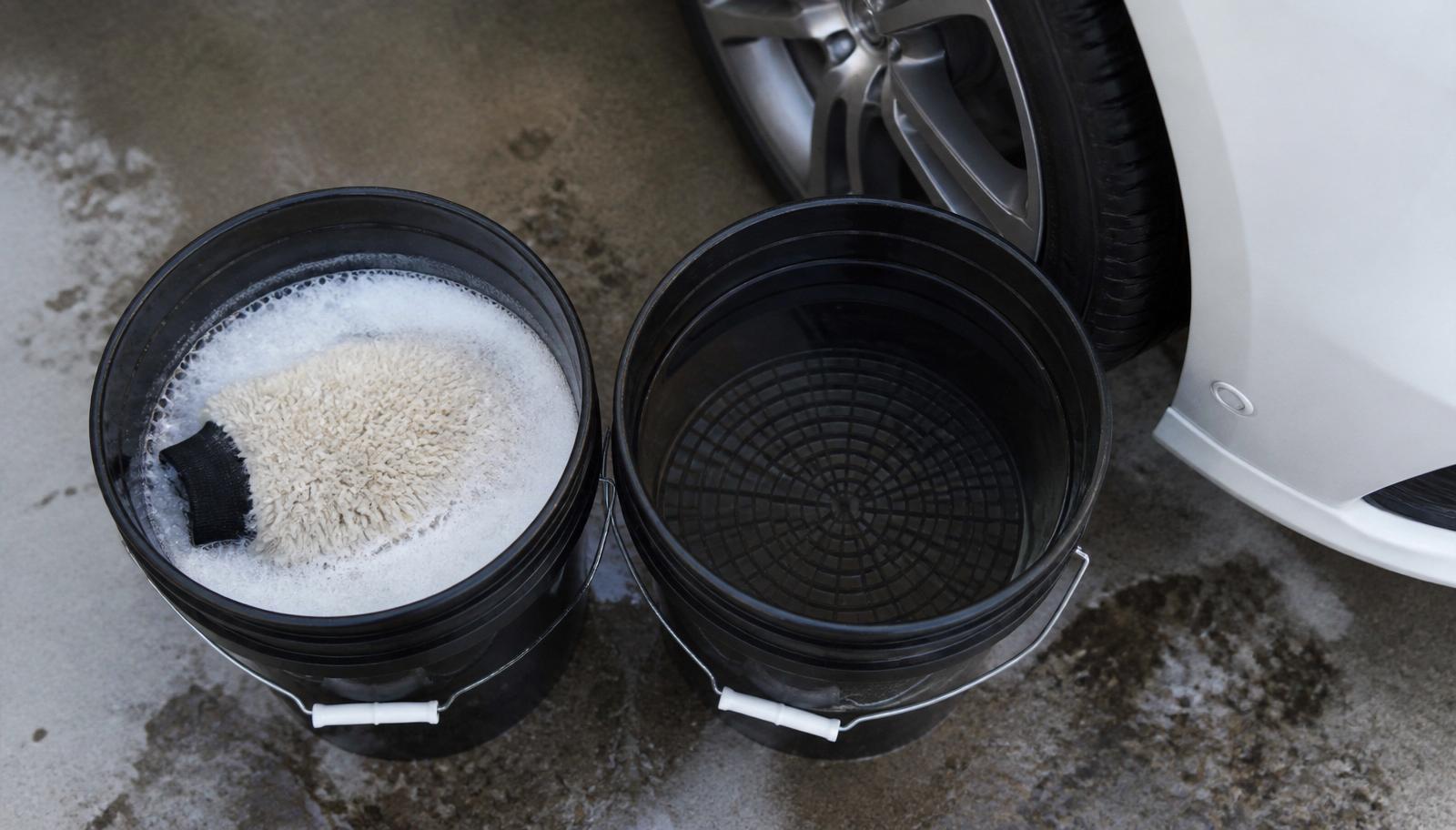
The Two-Bucket Wash Method Explained.
The two bucket wash method reduces wash-induced marks by separating clean shampoo from dirty rinse water. It is a simple, disciplined process suited to Auckland grime, rain and salt air.
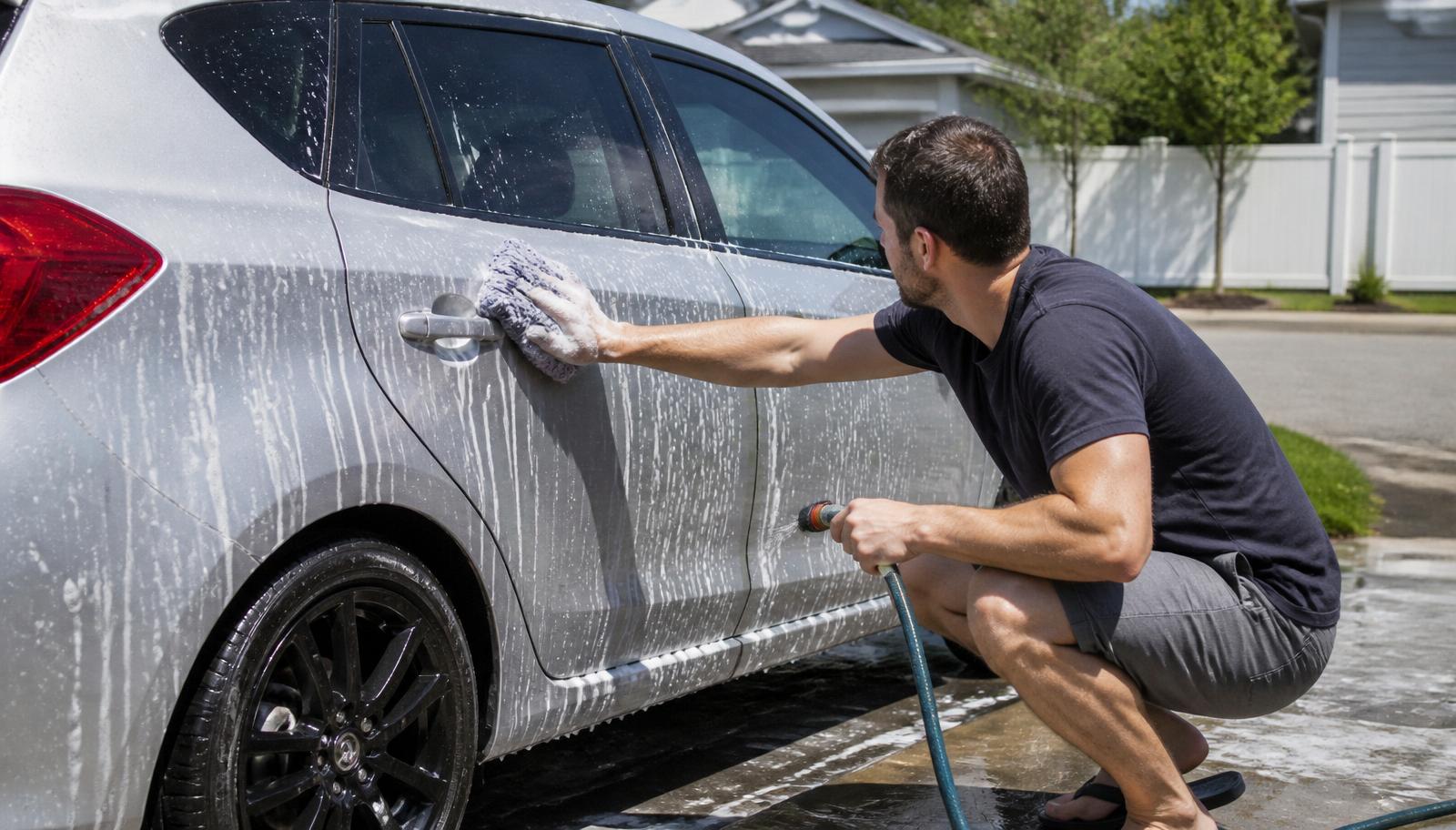
How to Safely Wash Your Vehicle at Home.
Learning to safely wash a car starts with the right process, not just the right shampoo. This guide explains how to wash at home while reducing scratches, water spots and trim staining.