The Two-Bucket Wash Method Explained.
A simple wash technique that helps reduce swirl marks and keep exterior paint cleaner for longer
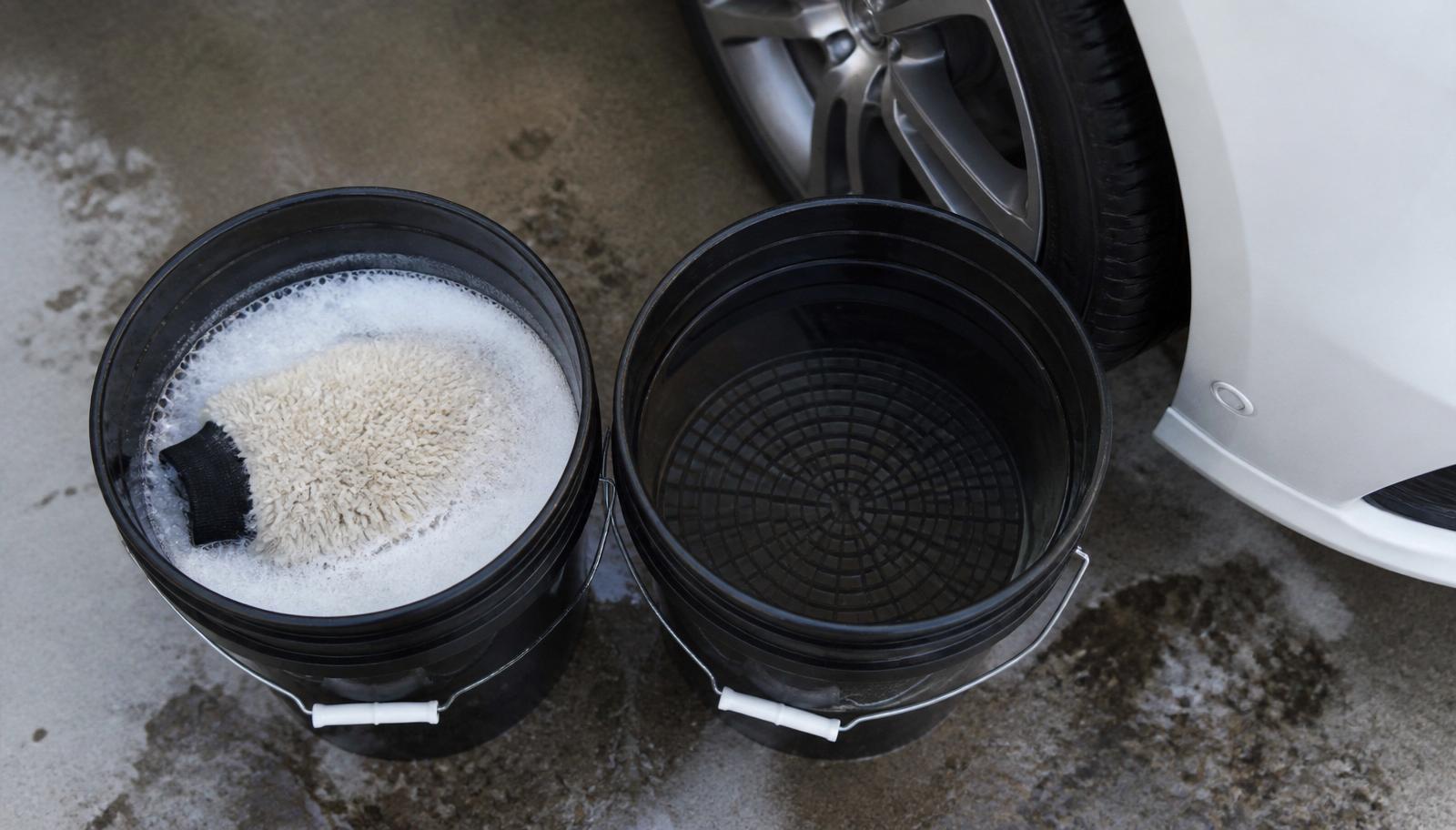
- The two bucket wash method separates clean shampoo from dirty rinse water.
- A pre-rinse is essential before touching the paint.
- Use separate tools for wheels and paintwork.
- Light pressure is safer than scrubbing.
- Safe washing helps preserve gloss but cannot remove existing defects.
What The Two-Bucket Wash Method Does
The two bucket wash method is a safer way to hand wash your vehicle. One bucket holds clean shampoo solution, while the second bucket holds plain rinse water. After each section of the vehicle is washed, the mitt is rinsed in the rinse bucket before it goes back into the shampoo bucket.
This matters because most wash marks come from grit being dragged across the paint. Road film, dust, brake residue and small particles can sit on the surface even when the vehicle looks only lightly dirty. If that contamination stays in your wash mitt, it can create fine swirl marks and dull the finish over time.
The method is simple, but it relies on consistency. Two buckets alone will not protect your paint if the mitt is not rinsed properly, if the vehicle is washed in direct sun, or if drying is done with an old towel.
Why It Matters In Auckland Conditions
Auckland vehicles deal with a mix of motorway grime, rain, salt air and UV exposure. In areas near the coast, salt residue can build up quickly. Around Greenlane and central motorway routes, traffic film and rubber residue can settle across lower panels, rear bumpers and wheels.
On darker colours, poor washing technique is usually visible first as circular marring under sunlight. On lighter colours, the damage may be less obvious, but the surface can still lose clarity. If your vehicle has a ceramic coating, safe washing is still important. Coatings help with cleaning and contamination resistance, but they are not a licence to scrub the paint. For background, see our guide to what ceramic coating is.
What You Need Before You Start
| Item | Purpose | Notes |
|---|---|---|
| Wash bucket | Holds shampoo solution | Use a clean bucket reserved for paintwork |
| Rinse bucket | Releases dirt from the mitt | This should become the dirty bucket |
| Grit guards | Help keep particles at the bottom | Useful in both buckets |
| pH-neutral shampoo | Lubricates the wash process | Quality products from Ceramic Pro or Koch-Chemie are suitable |
| Microfibre wash mitt | Carries shampoo safely | Avoid old sponges, which can trap grit near the surface |
| Drying towel | Reduces water spotting | Use clean, soft microfibre only |
| Hose or pressure washer | Removes loose dirt first | Keep pressure sensible around trims, badges and edges |
Use separate tools for wheels and tyres. Brake dust is abrasive and should not be introduced to your paint wash mitt or paint buckets.
Step-By-Step Two-Bucket Wash Method
1. Rinse Thoroughly First
Start with a full rinse from the roof down. The goal is to remove loose grit before any contact is made. Pay attention to lower doors, sills, rear panels and behind the wheels, where Auckland road grime tends to collect.
2. Load The Mitt With Shampoo
Dip your clean wash mitt into the shampoo bucket and let it take up enough solution. Work on one small section at a time, using light straight-line movements rather than heavy circular scrubbing.
3. Rinse The Mitt Before Reloading
After each section, place the mitt into the rinse bucket. Agitate it gently against the grit guard to release dirt. Wring it lightly, then return it to the shampoo bucket. This is the key habit that makes the two bucket wash method effective.
4. Wash From Cleanest To Dirtiest
Work from the top of the vehicle down:
- Roof and glass
- Bonnet and upper panels
- Doors and guards
- Rear bumper and boot area
- Lower panels and sills last
Leave wheels, tyres and exhaust tips for separate tools and chemicals.
5. Rinse And Dry Carefully
Rinse the vehicle fully, then dry with a clean microfibre drying towel. Do not let Auckland hard water or summer sun dry water on the surface, as this can leave mineral spotting. If the vehicle is coated, a compatible drying aid may help reduce towel friction.
Common Mistakes To Avoid
The process is straightforward, but small shortcuts can undo the benefit:
- Using one sponge for the whole vehicle, including wheels.
- Washing in direct sunlight or on hot paint.
- Letting the rinse bucket become so dirty that it contaminates the mitt.
- Pressing hard to remove bonded contamination.
- Drying with bath towels, chamois or old microfibre cloths.
- Skipping the pre-rinse because the vehicle looks only dusty.
If contamination does not wash away with light contact, it may be bonded to the paint. Tar, tree sap, overspray and iron fallout need the right decontamination process rather than more pressure.
When Washing Is Not Enough
A safe wash can prevent a lot of avoidable marking, but it cannot remove existing swirl marks, oxidation or deeper scratches. Those defects sit in the paint surface and usually require machine polishing. If your paint already looks hazy under sunlight, our article on what paint correction is explains the process.
For many vehicles, a careful wash is part of a wider maintenance routine. A full exterior detail in Auckland commonly sits around $200–$600 depending on condition, while paint correction is more involved. You can learn more in our guide to vehicle detailing in Auckland.
If you want your wash method assessed, or you would prefer your vehicle maintained professionally, Carfē can help from our Greenlane studio. You can view available options or make an enquiry through our booking page.
Frequently Asked Questions
Is the two bucket wash method necessary?
It is not the only way to wash a vehicle safely, but it is a practical method for reducing wash-induced marks. It is especially useful if you regularly hand wash your vehicle at home.
Can I use one bucket with a grit guard instead?
One bucket with a grit guard is better than no system, but it still mixes clean shampoo with released dirt. Two buckets give you a clearer separation between washing and rinsing.
Does the two bucket wash method prevent all scratches?
No. It reduces risk when used correctly, but poor drying, dirty towels, bonded contamination or heavy pressure can still mark the paint.
How often should I wash my vehicle in Auckland?
For regular use, every two to four weeks is a sensible guide. Vehicles exposed to salt air, tree sap, motorway grime or frequent rain may need more frequent washing.
Should I use the two bucket wash method on a ceramic coated vehicle?
Yes. Ceramic coatings still benefit from careful washing because the coating surface can be marred by grit and poor technique. Safe washing helps maintain the coating and the finish underneath.
Give your vehicle a genuinely professional clean.
From express washes to full interior and exterior detailing, and every package delivered by trained detailers at our Greenlane studio.
Related Reading
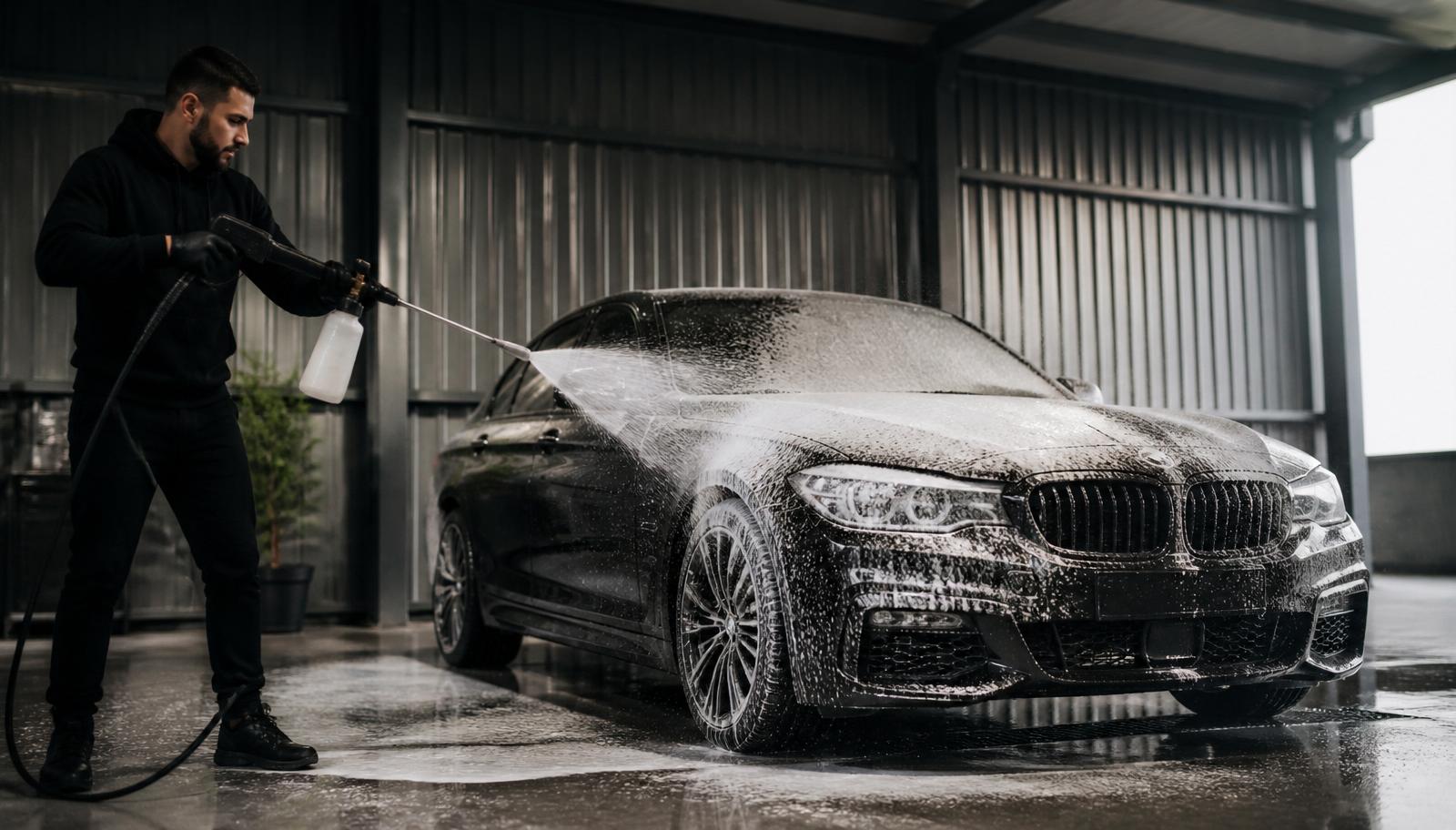
Professional Car Wash Greenlane: The Carfē Standard.
A professional wash is about controlled cleaning, not just making paint look wet. This guide explains how Carfē approaches exterior washing at its Greenlane studio.
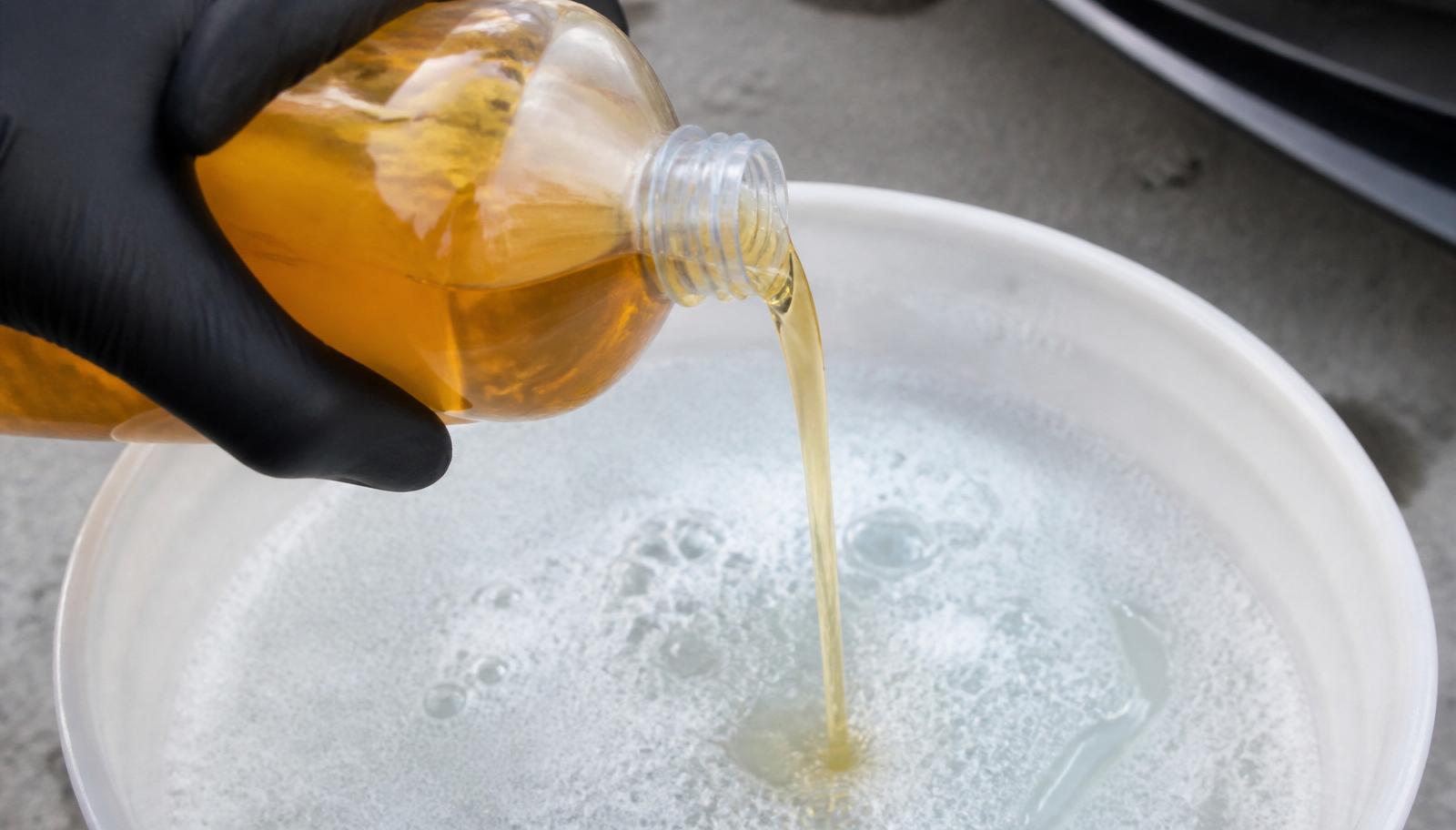
Why pH-Neutral Shampoo Matters for Your Paint.
A ph neutral car shampoo cleans road film without relying on harsh acidity or alkalinity. Used correctly, it helps protect paint, coatings and trim in Auckland conditions.
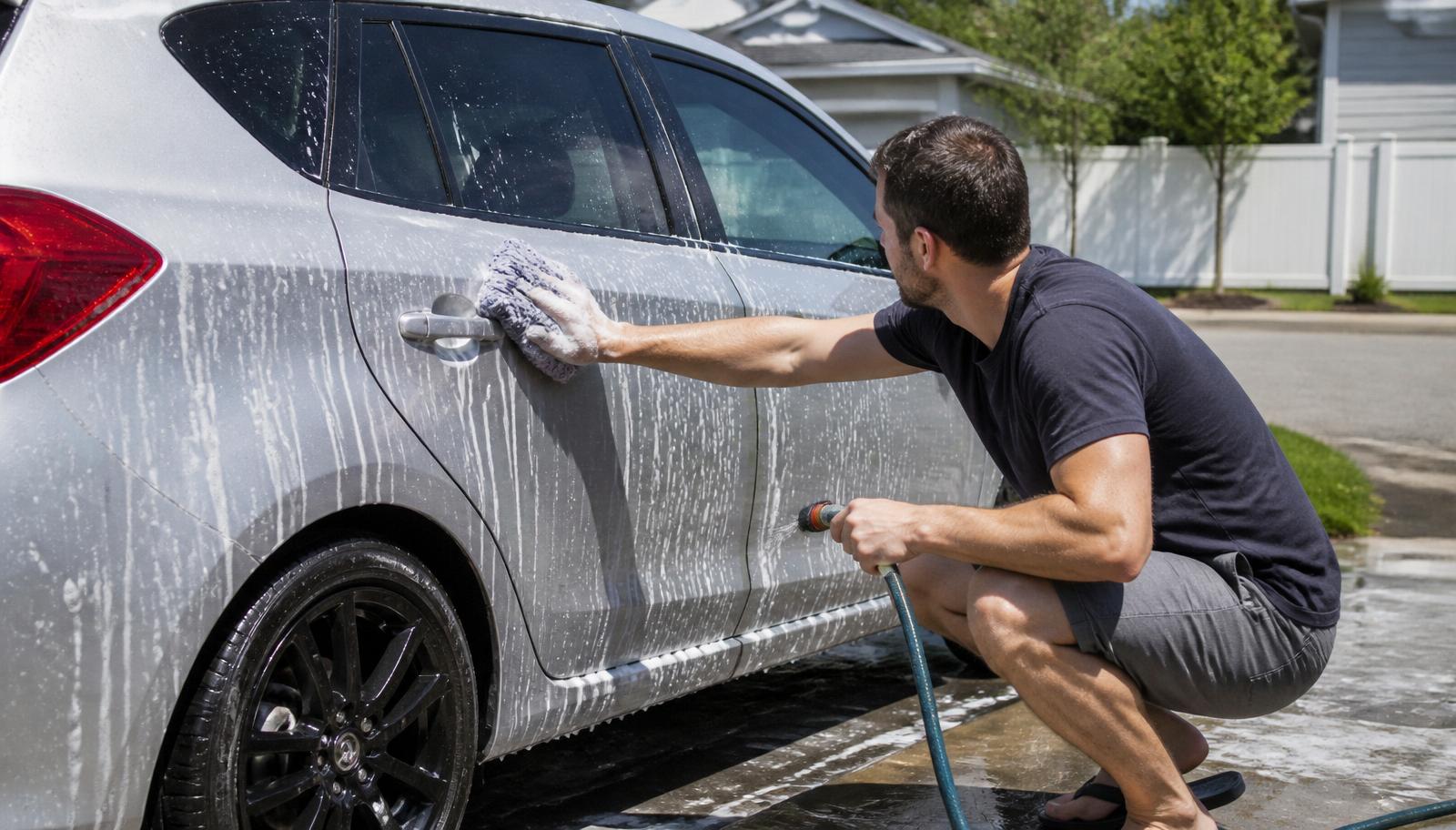
How to Safely Wash Your Vehicle at Home.
Learning to safely wash a car starts with the right process, not just the right shampoo. This guide explains how to wash at home while reducing scratches, water spots and trim staining.