Paint Restoration Explained: Bringing Neglected Paint Back to Life.
How careful paint restoration can improve gloss, clarity and long-term protection for neglected vehicle paint
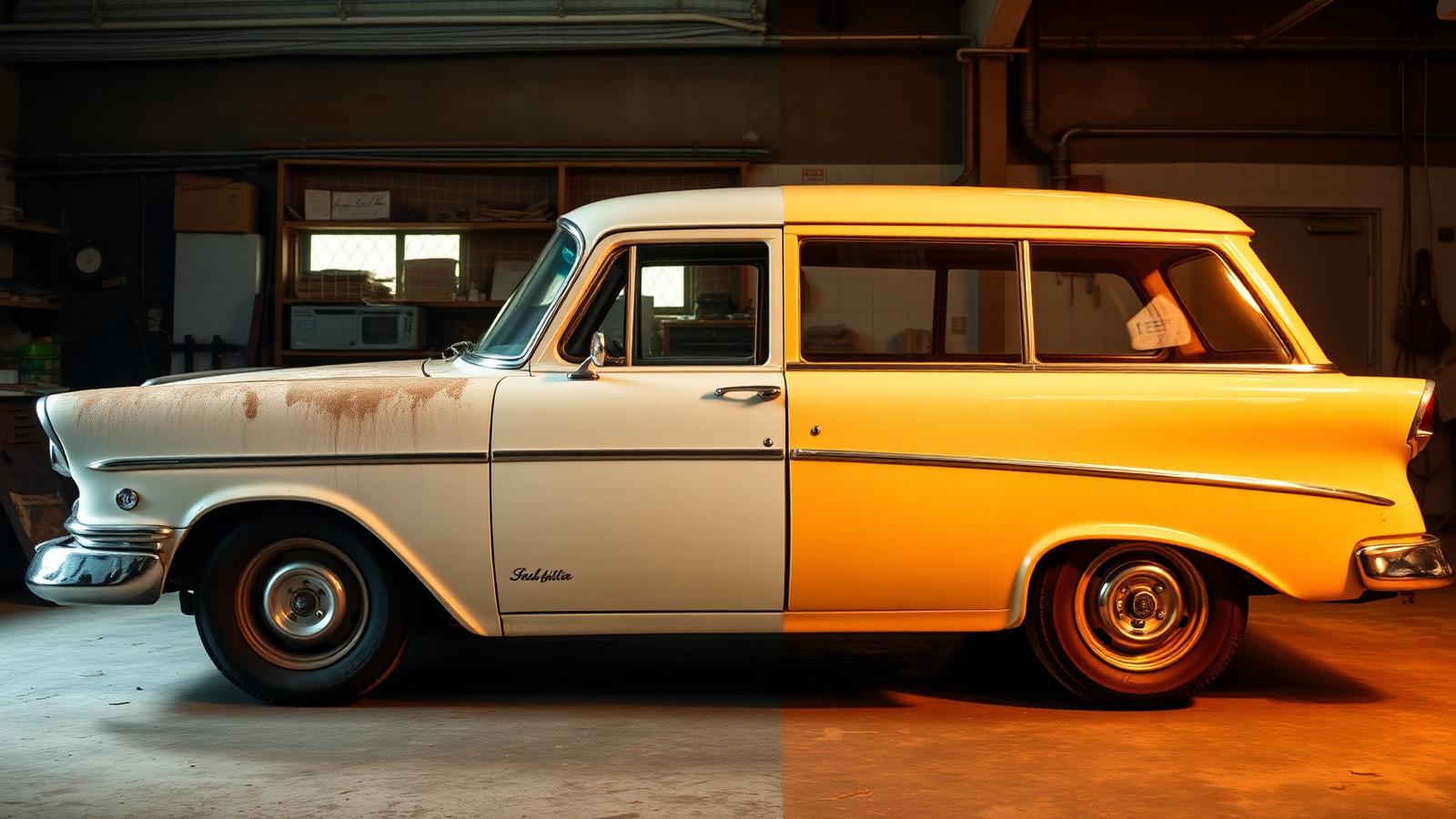
- Paint restoration improves neglected paint safely.
- Not every defect can be fully removed.
- Preparation is as important as polishing.
- Clear coat condition determines the result.
- Protection helps maintain restored paint.
What Paint Restoration Means
Paint restoration is the careful process of improving neglected vehicle paint by cleaning, decontaminating, machine polishing and protecting the surface. It is most often needed when paint has become dull, oxidised, water-spotted, scratched or heavily contaminated.
Unlike a basic wash or maintenance detail, paint restoration focuses on the condition of the clear coat. Modern vehicles usually have a clear coat over the colour layer, and most visible defects sit within that clear coat. The aim is to remove or reduce defects only where it is safe to do so, while preserving as much paint thickness as possible.
For many Auckland vehicles, neglect is not always obvious at first. UV exposure, salt air, motorway grime, rain, tree sap and hard water can slowly reduce gloss. Over time, the paint can look flat even after washing. A proper assessment helps determine whether the finish needs a deep clean, paint correction, or a more involved restoration approach.
Common Signs Of Neglected Paint
Paint restoration may be suitable if your vehicle shows several visible signs of deterioration. Some issues are cosmetic and correctable. Others may indicate deeper damage that can only be improved, not fully removed.
| Paint Condition | What You May Notice | Typical Restoration Outcome |
|---|---|---|
| Oxidation | Chalky or faded panels, often on roofs and bonnets | Gloss can often be significantly improved |
| Swirl marks | Circular scratches under sunlight or fuel station lighting | Usually reduced through machine polishing |
| Water spots | Etched or mineral-marked paint after rain or hard water drying | Light marks may polish out, deeper etching may remain |
| Road film | Grey, dull finish from motorway grime and residue | Often improved with decontamination and polishing |
| Bird dropping marks | Stains or dull patches in the clear coat | Can sometimes be reduced if not too deep |
| Clear coat failure | Peeling, flaking or milky patches | Not repairable by detailing alone |
The key difference is whether the defect sits on the surface, within the clear coat, or through the clear coat. Paint restoration is effective for the first two situations when there is enough safe paint depth to work with.
Paint Restoration Vs Paint Correction
The terms paint restoration and paint correction are often used together, but they are not always identical. Paint correction is the controlled removal of defects through machine polishing. Paint restoration may include paint correction, but it also includes earlier preparation steps such as chemical decontamination, clay treatment, tar removal and trim-safe cleaning.
A useful way to think about it:
- Paint correction focuses on refining the paint surface.
- Paint restoration focuses on bringing neglected paint back to a healthier overall condition.
- Detailing focuses on cleaning, presentation and ongoing maintenance.
For a lightly marked late-model vehicle, a single-stage correction may be enough. For an older or poorly maintained vehicle, restoration may involve multiple steps to safely remove bonded contaminants and gradually improve the finish. If you are considering long-term protection afterwards, it is worth understanding why paint correction before ceramic coating matters.
The Paint Restoration Process
A proper paint restoration process starts with assessment, not polishing. Every vehicle is different, and the safest method depends on paint type, age, prior repairs and how much damage is present.
A typical process may include:
- Pre-wash and contact wash - removes loose dirt safely before any polishing work begins.
- Chemical decontamination - targets iron fallout, tar, road film and bonded residue common on Auckland roads.
- Clay treatment where needed - removes remaining bonded contamination that washing cannot shift.
- Paint inspection - checks defects under appropriate lighting and identifies sensitive areas.
- Test polishing section - confirms the least aggressive method needed to achieve a sound result.
- Machine polishing - refines the clear coat in one or more stages, depending on the condition.
- Panel wipe and protection - prepares the surface for wax, sealant or ceramic protection.
The safest restoration is not always the most aggressive one. Removing too much clear coat for a small visual gain can shorten the life of the finish. At Carfē, the goal is to improve clarity and gloss while working within the limits of the paint, not to chase every last mark at the expense of long-term durability.
When Restoration Has Limits
Paint restoration can make a substantial difference, but it cannot repair every form of damage. It is important to set realistic expectations before work begins, especially on older vehicles, imported vehicles or cars with unknown repair history.
Paint restoration may not fully resolve:
- clear coat peeling or delamination
- deep scratches that catch your fingernail
- stone chips through to primer or metal
- severe bird dropping etching
- heavily faded single-stage paint with very low film build
- poor previous repainting or sanding marks under the clear coat
In these cases, restoration can still improve the surrounding finish and make the vehicle more presentable, but repainting may be the only permanent repair for failed paint. A professional inspection helps avoid unnecessary polishing where the coating system has already broken down.
Pricing also depends on condition. In Auckland, paint correction and restoration work commonly sits in the $600-$1800 range, depending on vehicle size, paint hardness and the number of polishing stages required. Protection such as a ceramic coating may be additional, particularly when the goal is to maintain the restored finish for longer.
Maintaining Restored Paint
Once the paint has been restored, maintenance becomes more important. Freshly polished paint has better clarity, but it still needs protection from UV, salt air, rain, road grime and mineral-rich water. A suitable wax, sealant or ceramic coating helps reduce contamination bonding and makes washing easier.
Good maintenance habits include:
- washing with a pH-appropriate shampoo and clean wash media
- drying the vehicle rather than allowing hard water to sit
- removing bird droppings and sap as soon as practical
- avoiding automatic brush washes
- using safe drying towels and avoiding dry wiping
- topping up protection when water behaviour starts to decline
If you want longer-lasting protection after restoration, a ceramic coating or other paint protection option may be suitable. The right choice depends on how the vehicle is used, stored and maintained.
If your vehicle's paint looks flat, oxidised or heavily marked, Carfē can assess it at our Greenlane studio and explain what level of paint restoration is realistic. You can book an assessment to understand the safest path before committing to correction or protection work.
Frequently Asked Questions
What is paint restoration?
Paint restoration is the process of cleaning, decontaminating, polishing and protecting neglected paint. It aims to improve gloss, clarity and surface condition while preserving as much clear coat as possible.
Is paint restoration the same as paint correction?
Paint correction is usually part of paint restoration, but restoration is broader. It may also include deep cleaning, contamination removal, oxidation reduction and final protection.
Can paint restoration fix faded paint?
It depends on why the paint is faded. Oxidised or contaminated clear coat can often be improved, but peeling clear coat or failed paint generally requires repainting.
How long does paint restoration take?
Most restoration work takes at least a full day, and more involved correction can take longer. The timeframe depends on vehicle size, paint condition and how many polishing stages are required.
Should I ceramic coat the car after paint restoration?
A ceramic coating can help protect the restored finish and make maintenance easier. It is most worthwhile when the paint has been properly prepared and you are prepared to wash it correctly.
Bring the depth back to your paintwork.
Our multi-stage paint correction removes swirls, holograms and light scratches, the essential foundation for any long-term protection.
Related Reading
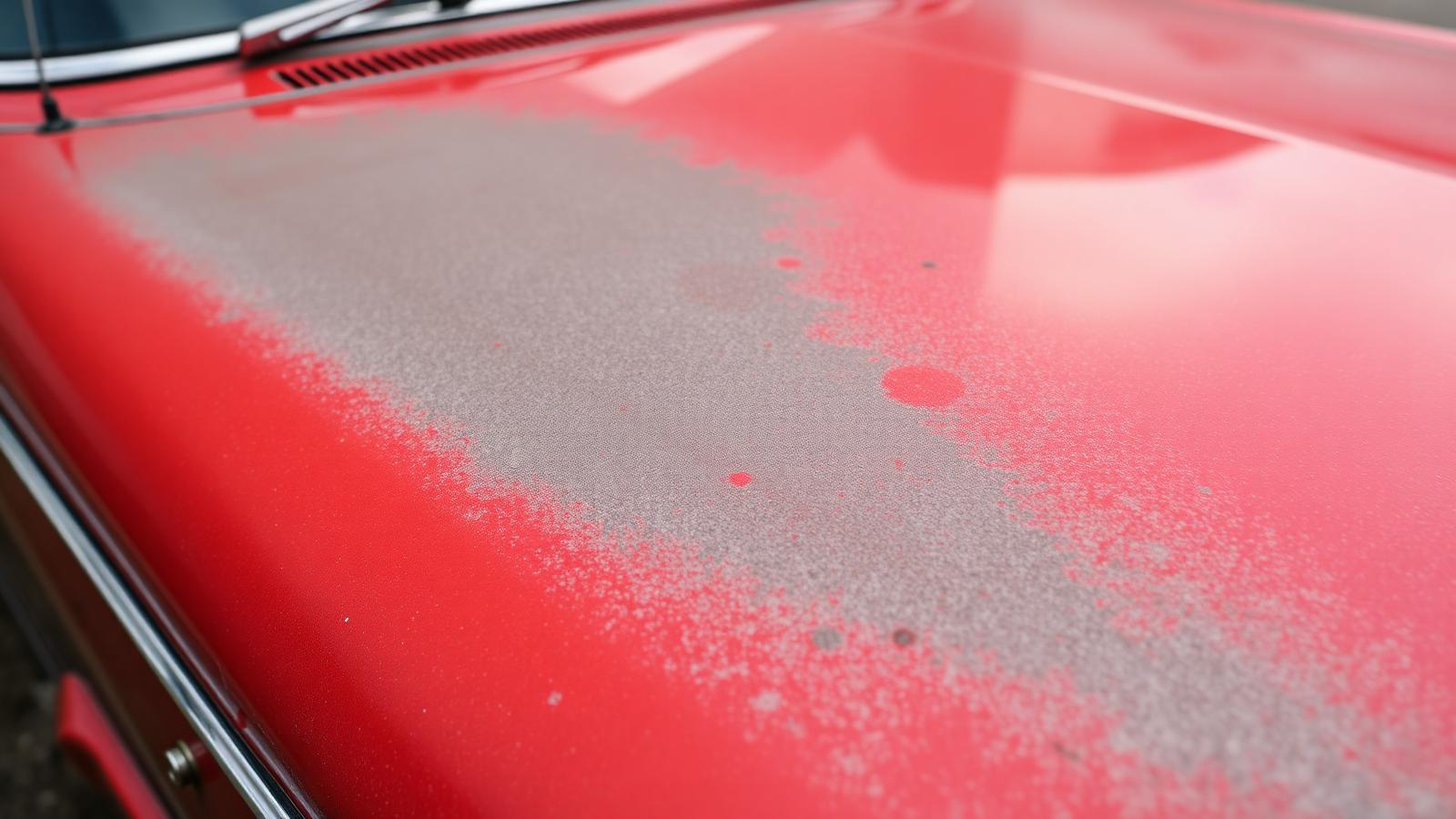
How Oxidised Paint Can Be Restored.
Oxidised paint can often be restored through careful decontamination, machine polishing and protection. The right approach depends on the depth of damage and the condition of the clear coat.
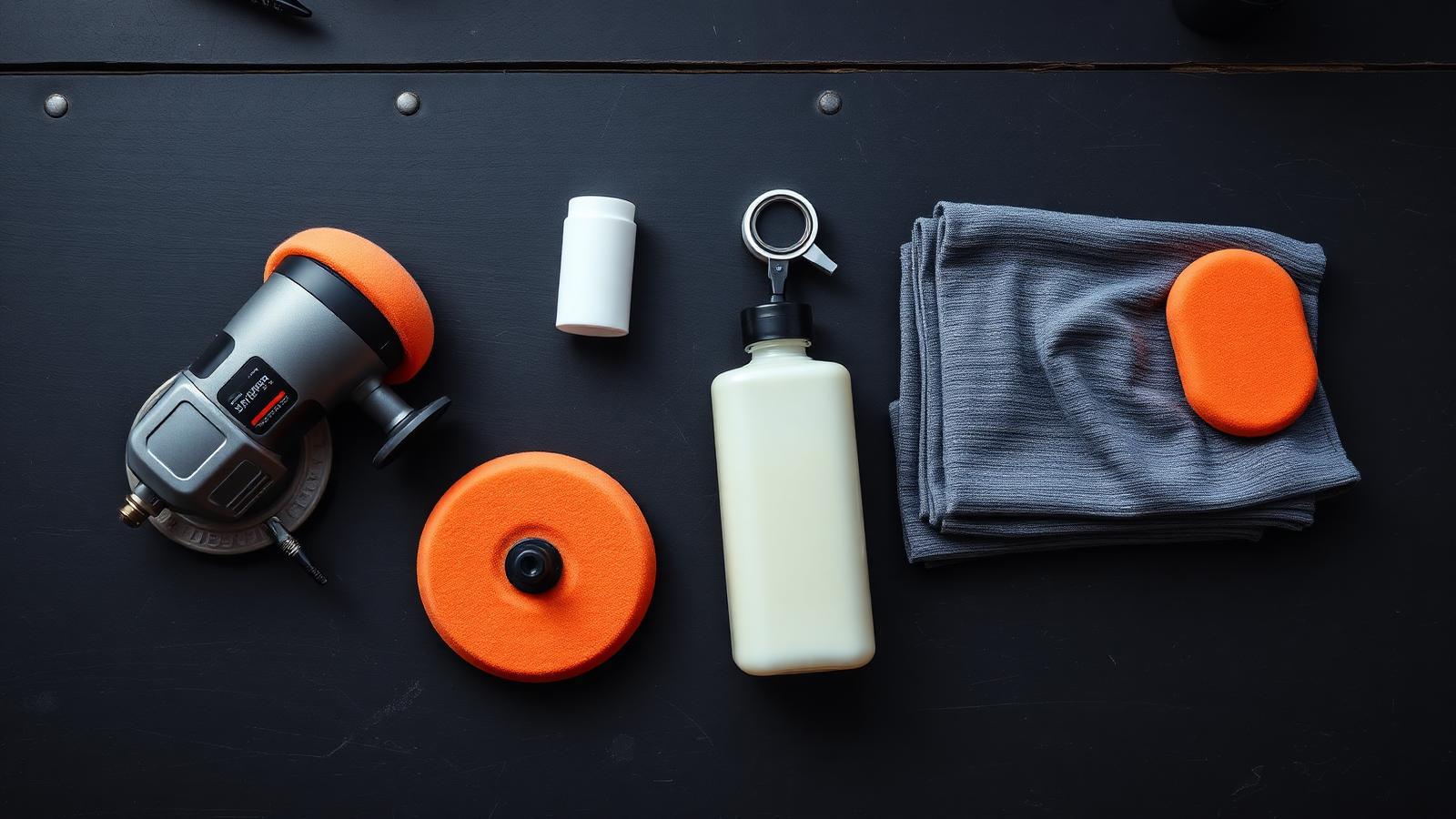
Machine Polishing vs Hand Polishing: What's the Difference?
Machine and hand polishing both improve paint, but they do very different jobs. This guide explains when each method is suitable and why correction usually needs a machine.
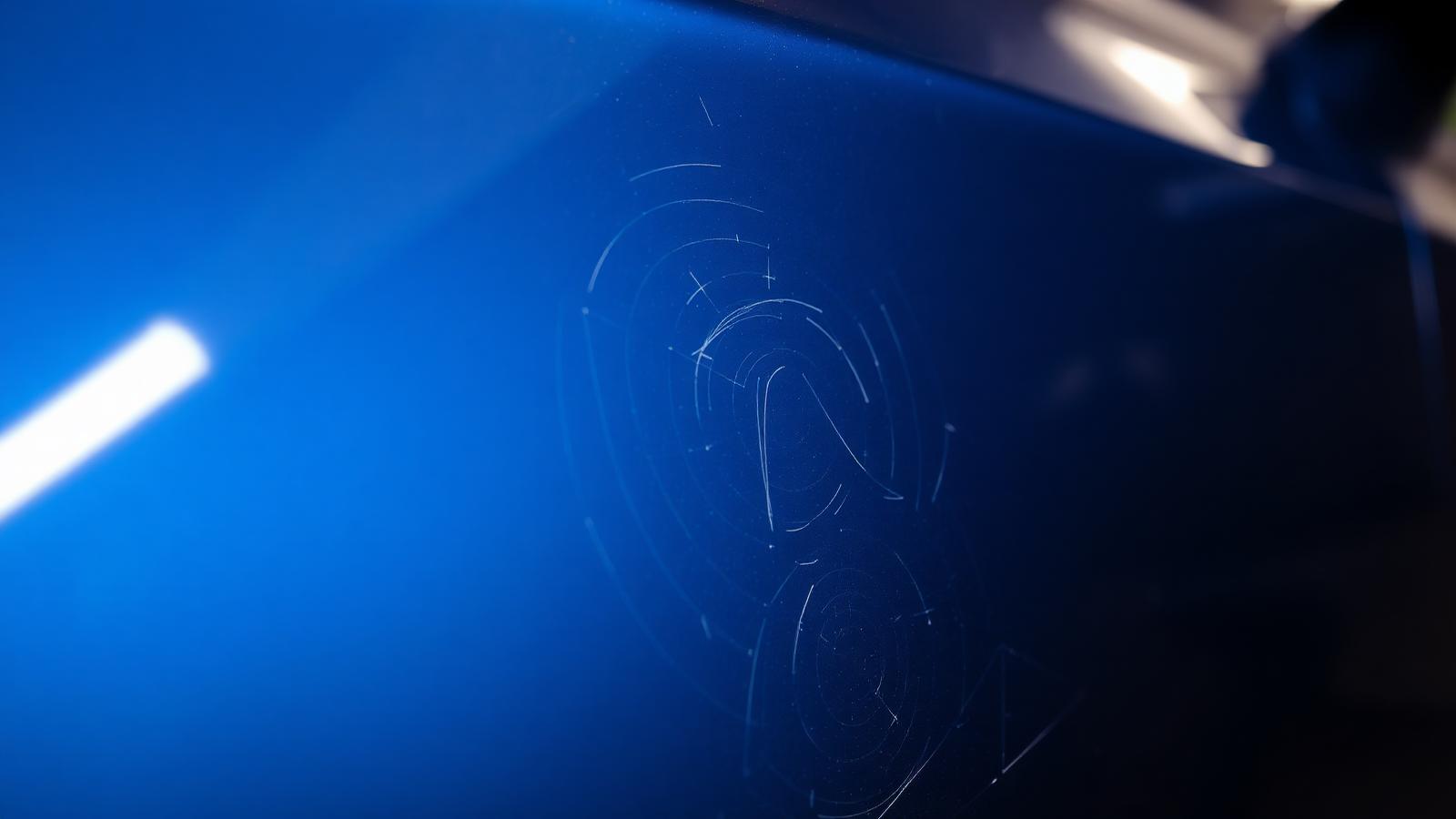
Signs Your Vehicle Needs Paint Correction.
Paint correction removes defects that sit in the clear coat, not dirt on the surface. This guide explains the signs to look for before booking work on your vehicle.