How to Care for Prestige Vehicles.
A practical guide to protecting paint, interiors and finishes on high-value vehicles in Auckland
- Use safe wash methods to avoid swirl marks.
- Protect paint before Auckland conditions cause damage.
- Inspect paint before applying long-term protection.
- Clean interior materials with surface-specific methods.
- Build maintenance around how the vehicle is used.
Prestige car care requires a more careful approach than a standard wash and vacuum. High-value vehicles often have softer paint, complex interior materials, large wheels, performance brakes and sensitive trim finishes that can be damaged by harsh products or poor technique.
In Auckland, your vehicle also faces strong UV, salt air, motorway grime, heavy rain and hard water spotting. A consistent maintenance plan helps protect the finish without over-cleaning or introducing avoidable wear.
Start With A Safe Wash Routine
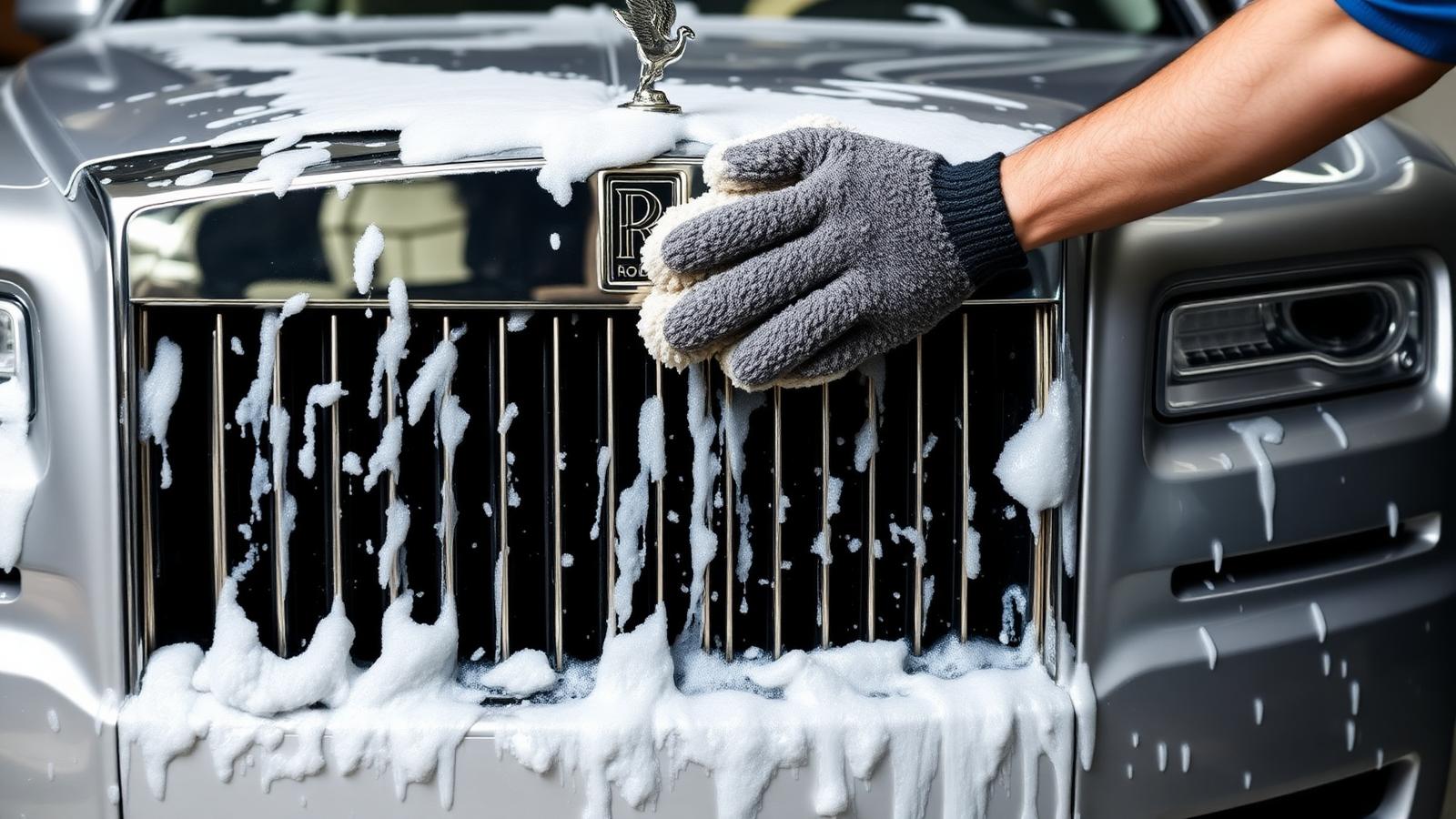
Most visible damage on prestige vehicles comes from routine washing rather than driving. Swirl marks, towel marring and gloss loss are usually caused by dirt being dragged across the paint.
A safe wash routine should include:
- Pre-rinsing thoroughly before any contact wash
- Using a pH-balanced shampoo rather than household detergents
- Washing from the top down, leaving lower panels until last
- Using clean microfibre wash media and drying towels
- Drying with care to reduce water spotting, especially in summer
Avoid automatic brush washes, stiff sponges and dirty chamois cloths. These can quickly mark clear coat, piano black trim and gloss wheels. If your vehicle has a ceramic coating, correct washing is still important - the coating reduces bonding of contamination, but it does not make the surface immune to abrasion.
For a broader view of professional maintenance options, see our guide to vehicle detailing in Auckland.
Protect Paint Before It Deteriorates
Prestige vehicles often use deep metallic, pearl, tri-coat or soft clear coat finishes. These can look exceptional when maintained correctly, but they also reveal poor washing and environmental damage quickly.
Protection should be chosen based on how the vehicle is used, stored and maintained.
| Protection Option | Best Suited To | Typical Benefit | Main Limitation |
|---|---|---|---|
| Quality wax or sealant | Light use and garaged vehicles | Adds gloss and short-term water behaviour | Requires frequent reapplication |
| Ceramic coating | Daily drivers and long-term ownership | Better chemical resistance and easier washing | Needs proper preparation and maintenance |
| Paint protection film | High-impact areas such as bumpers and sills | Helps reduce stone chip damage | Higher cost and visible edges on some panels |
A ceramic coating is often a practical choice for Auckland prestige vehicles because it helps reduce the bonding of grime, salt residue and water minerals. It should not be treated as a substitute for careful washing, but it can make maintenance more predictable. If you are comparing options, read what ceramic coating is before deciding.
Address Paint Correction Carefully
Before any long-term protection is applied, the paint should be inspected under proper lighting. Even new vehicles can arrive with wash marks, transport film residue, sanding marks or dealer-applied marring.
Paint correction removes or refines defects in the clear coat to improve clarity and gloss. On prestige vehicles, the goal is not always maximum defect removal. A measured approach protects paint thickness and avoids unnecessary cutting.
When Paint Correction May Be Needed
Paint correction is worth considering if your vehicle has:
- Swirl marks visible in direct sunlight
- Holograms from previous machine polishing
- Water spot etching that does not wash away
- Dull paint on high-contact areas
- Fine scratches around handles, boot openings or sills
Professional correction may range from a light enhancement to multi-stage work depending on paint condition and expectations. In Auckland, realistic pricing for quality paint correction commonly sits between $600 and $1800. For more detail on the process, see what paint correction involves.
Maintain Interior Materials Correctly
Prestige car interiors often combine leather, Alcantara, suede-like materials, open-pore wood, aluminium, carbon fibre, gloss black trim and high-resolution displays. Each surface needs a different method.
Leather should be cleaned gently and protected before dye transfer, body oils and sunscreen build up. Alcantara and similar materials should not be saturated or scrubbed aggressively. Gloss black trim should be dusted and wiped with clean, soft microfibre only, as it marks easily.
A sensible interior schedule includes:
- Weekly light vacuuming to remove grit from carpets and seat seams.
- Fortnightly dust removal from screens, vents and gloss trim.
- Monthly leather and steering wheel cleaning where required.
- Periodic deep cleaning for mats, pedals and high-touch surfaces.
- Immediate attention to spills, sunscreen marks and dye transfer.
Avoid strong fragrances, greasy dressings and shiny interior products. Prestige interiors generally look best when finishes are clean, natural and non-reflective.
Pay Attention To Wheels, Brakes And Lower Areas
Performance wheels and large brake systems collect heavy contamination. Brake dust can be corrosive if left to sit, especially on satin, matte, diamond-cut or polished wheel finishes.
Use a dedicated wheel cleaner suitable for the finish, soft brushes and separate towels. Do not use acidic cleaners unless the product is appropriate and the finish is known to tolerate it. Tyres should be cleaned before dressing so the finish is even and not overly glossy.
Lower panels, wheel arches and rear bumpers also collect motorway grime and tar. These areas benefit from periodic decontamination, especially after winter driving, coastal parking or long trips. A professional detail can safely remove bonded contamination without harsh scrubbing.
Build A Maintenance Plan Around Use
The right prestige car care routine depends on how your vehicle is driven. A garaged weekend vehicle does not need the same schedule as a daily-driven SUV used on wet motorways.
As a guide:
- Wash weekly to fortnightly for daily drivers exposed to rain and motorway grime.
- Wash monthly for lightly used garaged vehicles, or sooner after coastal drives.
- Inspect paint protection every few months for water spotting or contamination.
- Deep clean interiors every 3–6 months depending on use.
- Book professional detailing when washing no longer restores a clean, smooth finish.
If you want a structured plan for your vehicle, Carfē can assess its paint, trim, wheels and interior materials at our Greenlane studio and recommend a maintenance approach that suits how you use it. You can start by viewing our detailing and protection options on the services page.
Frequently Asked Questions
How often should a prestige vehicle be washed?
Most daily-driven prestige vehicles should be washed weekly to fortnightly, depending on rain, motorway grime and storage. Garaged weekend vehicles may only need monthly washing, provided contamination is not left sitting on the paint.
Is ceramic coating suitable for prestige car care?
Yes, ceramic coating can be a practical option when the paint is properly prepared. It helps with easier washing and chemical resistance, but it still requires safe maintenance.
Should a new prestige vehicle need paint correction?
Sometimes. New vehicles can have wash marks, transport residue or light defects before delivery, so the paint should be inspected before coating or protection work.
How should leather seats be maintained?
Leather should be cleaned gently and regularly to remove body oils, sunscreen and dye transfer. Avoid greasy dressings, harsh cleaners and excessive moisture.
What is the best way to protect wheels on a prestige vehicle?
Keep brake dust from building up and use cleaners that suit the wheel finish. A wheel coating can also make maintenance easier, especially on performance vehicles with heavy brake dust.
Get your new vehicle onto the Carfē Care programme.
Professional protection and ongoing maintenance to keep your vehicle in showroom condition for years to come.
Related Reading
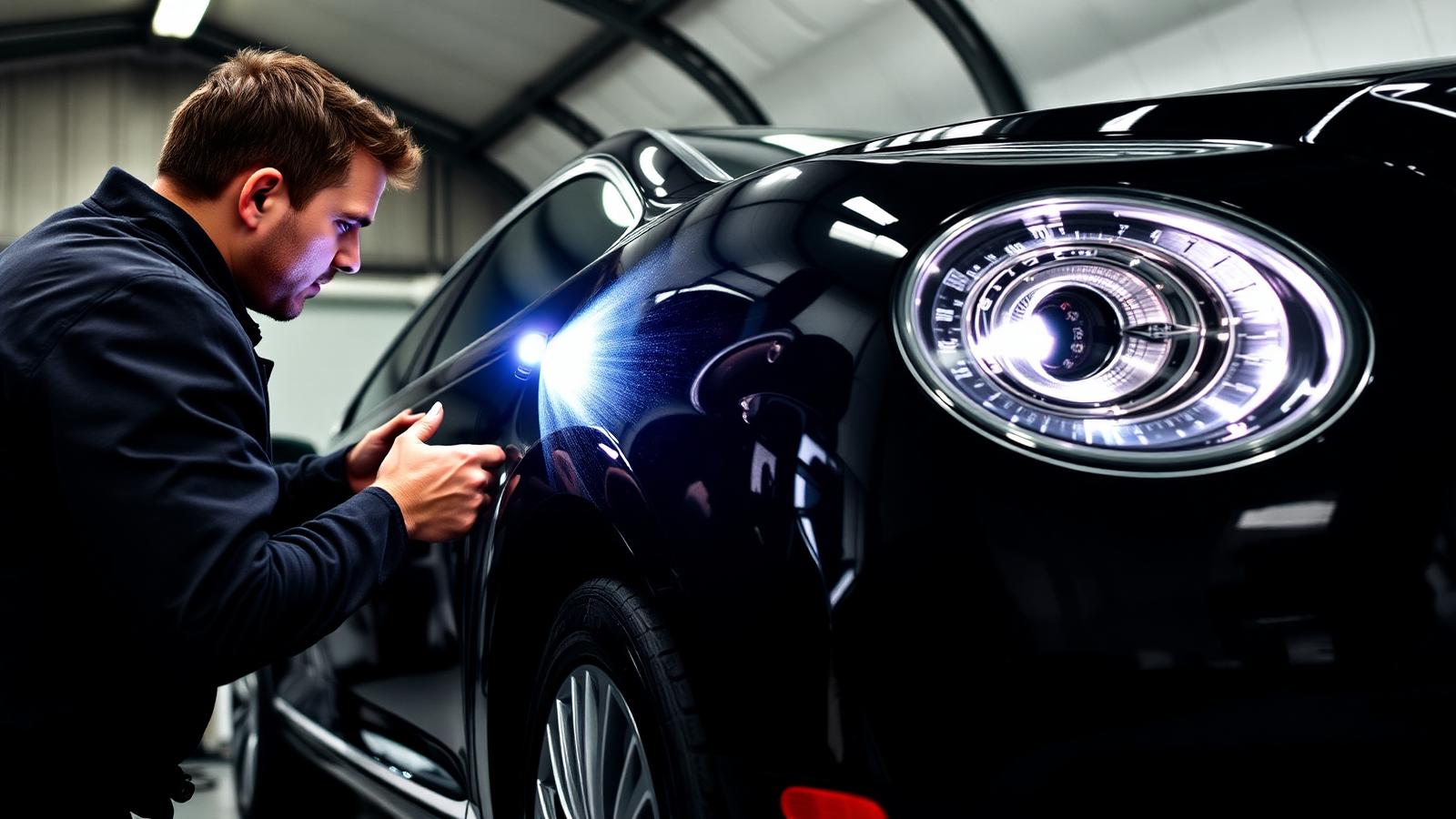
Why High-End Vehicles Need Specialist Care.
High-end vehicles often use softer finishes, complex materials and sensitive trim that need specialist car care. A measured detailing approach helps protect value, finish and usability.
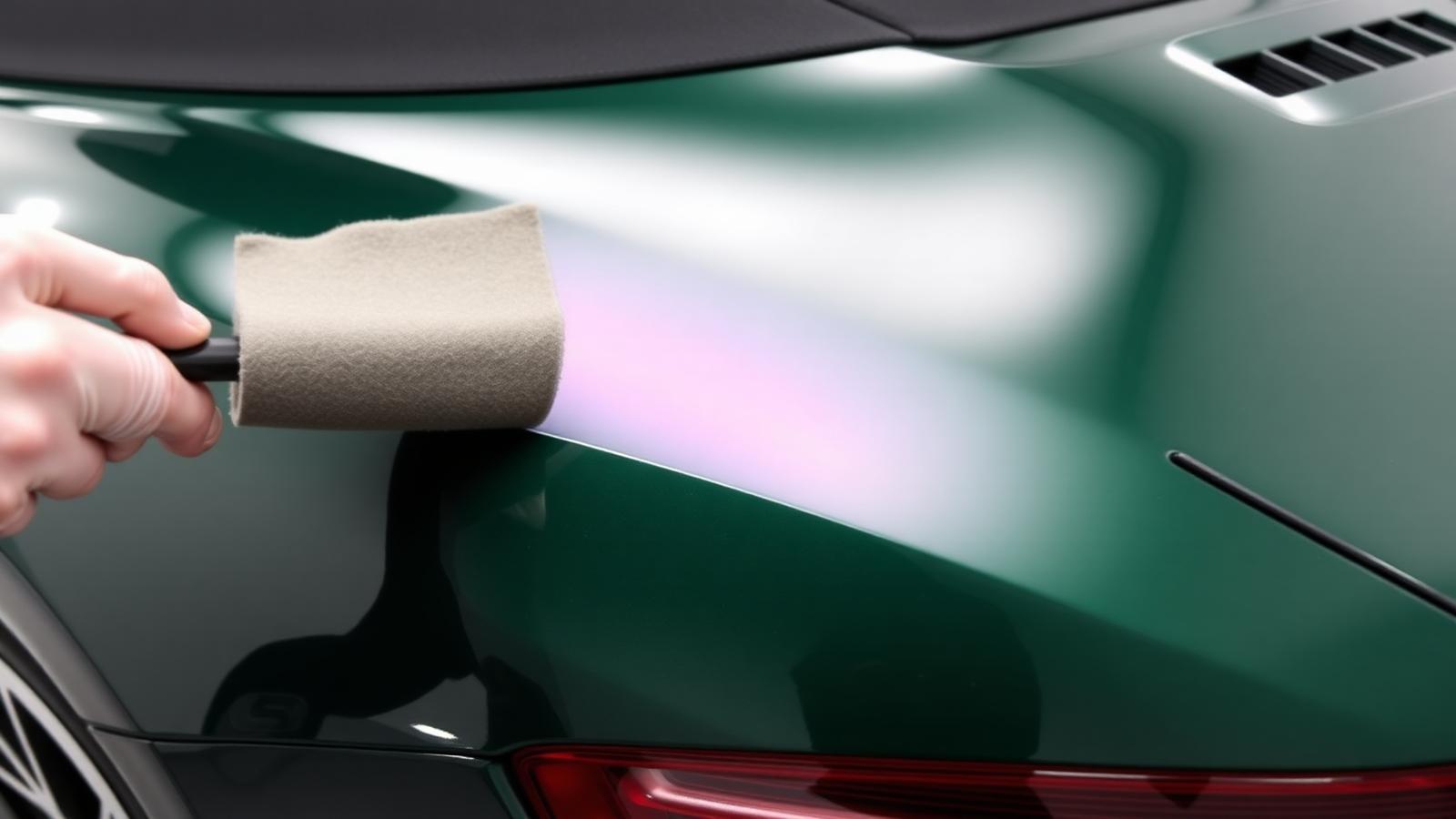
Ceramic Coating for Luxury Vehicles: Is It Worth It?
Ceramic coating luxury cars can be worthwhile when the paint is properly prepared and maintained. It helps reduce staining, wash effort and UV exposure, but it is not a substitute for careful use.
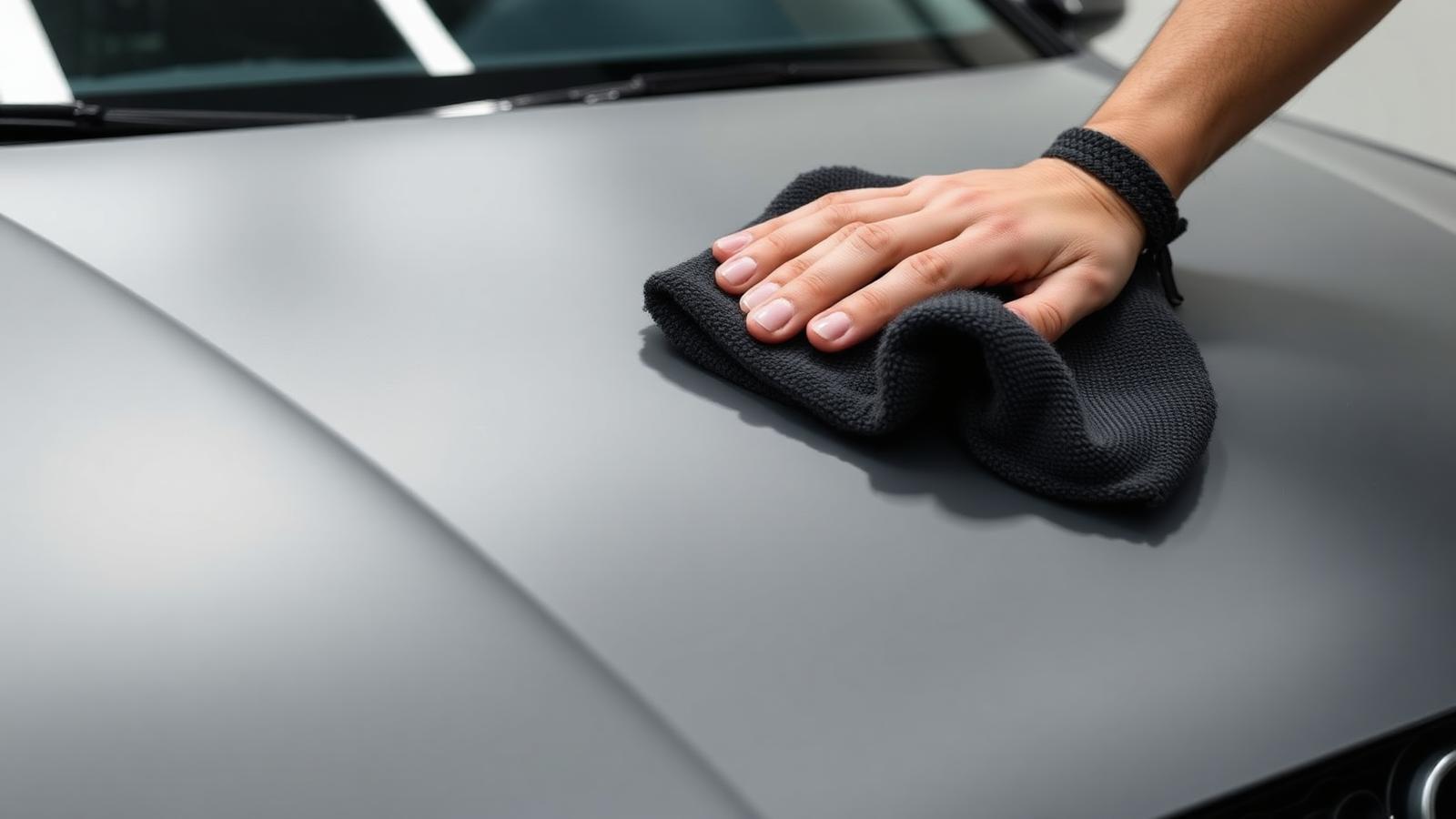
Looking After Matte Paint: The Do's and Don'ts.
Matte paint care is different from looking after gloss paint because the finish cannot be polished in the usual way. This guide explains what to do, what to avoid, and when to seek professional help.