Common Car Detailing Myths, Debunked.
Clear, practical guidance on what actually matters when caring for your vehicle
- A wash is not the same as a detail.
- More foam does not always mean safer cleaning.
- New cars can still need preparation.
- Wax does not remove paint defects.
- Ceramic coating still needs maintenance.
Car detailing myths are common because vehicle care is often judged by what looks clean on the day, not by what protects the surfaces over time. Auckland conditions add another layer - UV, salt air, motorway grime, rain and hard water can all affect paint, glass, wheels and trim.
A good detail is not about using the strongest product or the glossiest finish. It is about choosing the right process for your vehicle's condition, materials and use.
Myth 1: A Car Wash Is The Same As Detailing
A quick wash and a professional detail both aim to improve appearance, but they are not the same service. A wash removes loose dirt from visible areas. Detailing is more methodical and can include decontamination, polishing, interior cleaning, fabric care, leather cleaning, wheel treatment and protection.
| Service Type | Main Purpose | Typical Result | Limitations |
|---|---|---|---|
| Basic wash | Remove loose dirt | Cleaner paint and glass | Does not remove bonded contamination or defects |
| Interior clean | Improve cabin hygiene | Fresher surfaces and less dust | May not address stains, odour or deep soil |
| Full detail | Clean and refine multiple areas | More consistent finish inside and out | Results depend on vehicle condition |
| Paint correction | Remove or reduce paint defects | Improved clarity and gloss | Requires skill, time and paint-safe judgement |
| Ceramic coating prep | Clean, correct and protect paint | Easier maintenance and longer-term protection | Needs proper preparation and curing |
If your vehicle has rough-feeling paint, visible swirls or staining, a wash alone will not resolve the underlying issue. A professional vehicle detailing service in Auckland is designed to assess and treat these areas properly.
Myth 2: More Foam Means A Better Wash
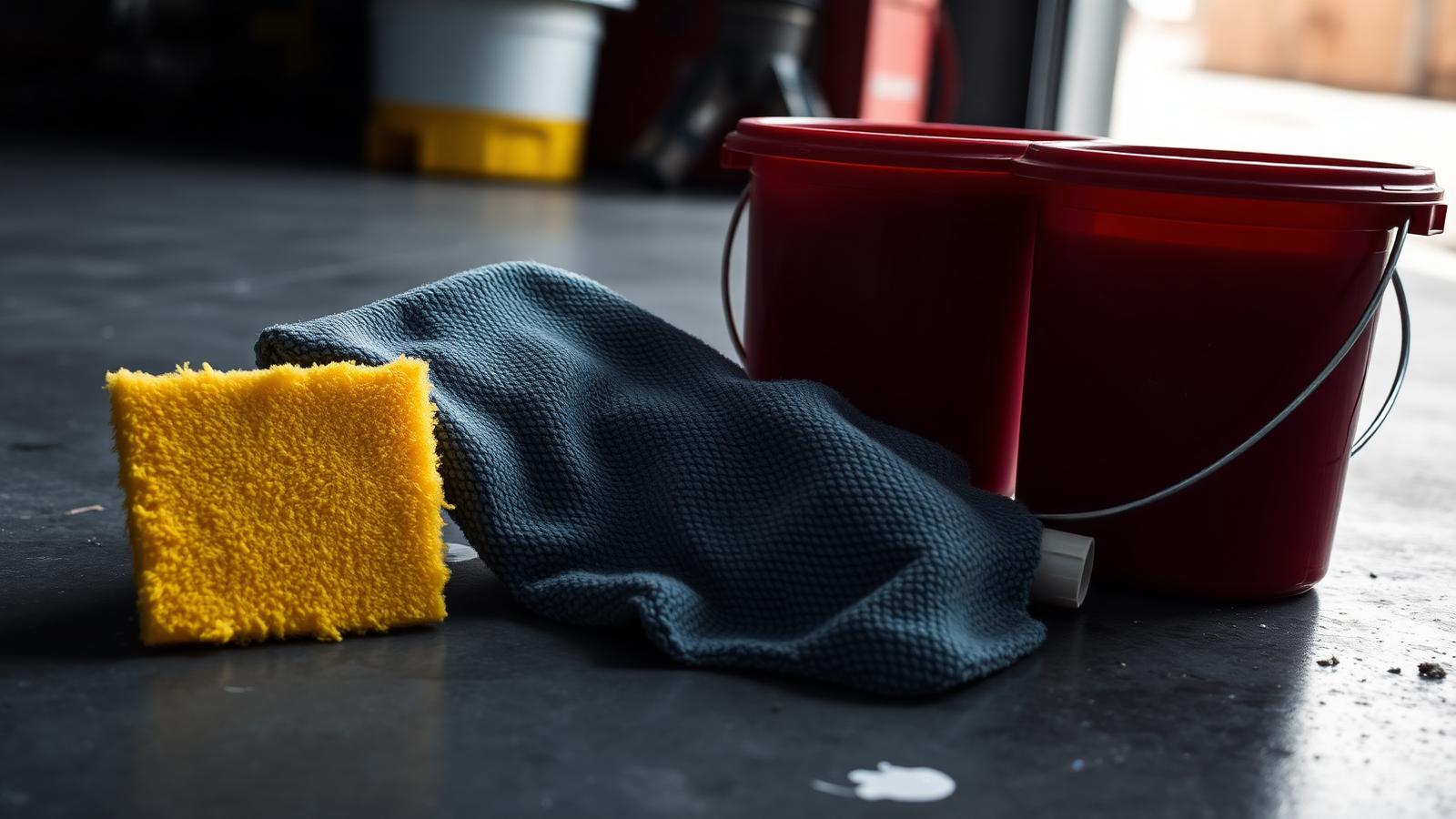
Foam can be useful because it helps loosen dirt and provides lubrication before contact washing. However, thick foam by itself does not guarantee a safer or better wash. The important factors are wash technique, product choice, mitt condition and how much grit is allowed to touch the paint.
A safe wash usually includes:
- Pre-rinsing to remove loose grit
- A suitable pH-balanced shampoo where appropriate
- Clean microfibre or wash media
- Separate care for wheels and lower panels
- Gentle drying with clean towels or filtered air
In Auckland, vehicles often collect fine road film from motorway use and wet weather. That film can remain even after heavy foaming, so a careful contact wash is still needed. The aim is not to avoid touching the vehicle at all costs - it is to touch it safely.
Myth 3: New Cars Do Not Need Detailing
A new vehicle can still benefit from detailing. Transport, dealership washing, storage, rain, hard water and handling can all leave minor marks or contamination before you take delivery. This does not mean the vehicle is defective; it simply means the paint may not be in its best condition.
New cars commonly need one or more of the following:
- Safe wash and chemical decontamination
- Clay treatment for bonded contaminants if required
- Light machine polishing to refine gloss
- Panel wipe before protection
- Paint, glass or wheel protection suited to the vehicle's use
If you are considering a coating, preparation is especially important. Ceramic coatings bond to the surface beneath them, so any haze, water spotting or wash marring can be locked in visually if not corrected first. You can read more about this in paint correction before ceramic coating.
Myth 4: Polishing And Waxing Are The Same
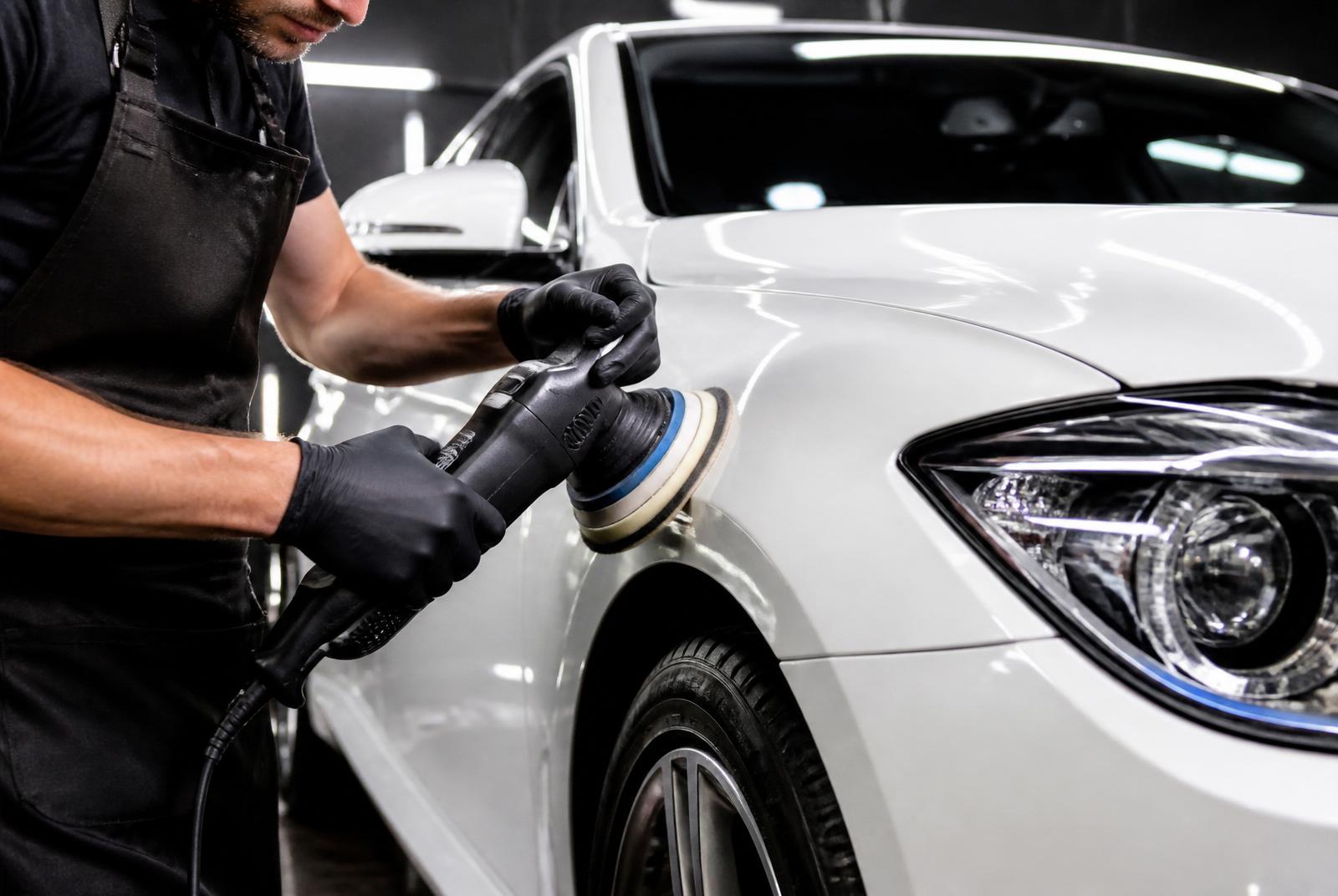
Polishing and waxing are often confused, but they do different jobs. Polishing is an abrasive refinement process used to improve paint clarity by reducing oxidation, swirl marks, fine scratches or haze. Waxing is a protective step that sits on the surface and adds temporary water behaviour and gloss.
A wax can make paint look better, but it will not remove defects. If your paint looks dull because of micro-scratches or oxidation, polishing is usually required. If the paint is already in good condition, a wax, sealant or ceramic coating may be enough to help protect it.
Modern detailing often uses machine polishers, quality compounds and controlled lighting to assess results. At Carfē, tools and products from professional systems such as Rupes, Koch-Chemie, Ceramic Pro and GTECHNIQ may be used where they suit the surface and objective.
For a deeper explanation of defect removal, see what is paint correction.
Myth 5: Ceramic Coating Means No Maintenance
Ceramic coating is one of the most misunderstood areas of vehicle care. A coating can make washing easier, improve chemical resistance and help protect against environmental contamination, but it does not make your vehicle self-cleaning or scratch-proof.
Coated vehicles still need regular maintenance because Auckland roads and weather can leave:
- Salt residue and coastal fallout
- Mineral spotting from rain and hard water
- Brake dust on wheels
- Pollen, sap and bird droppings
- Oily road film from wet motorway driving
The advantage is that contamination is usually easier to remove when the coating is healthy. Poor washing, harsh chemicals or long periods without cleaning can still reduce performance. If you are deciding whether coating suits your vehicle, start with what is ceramic coating.
What Actually Matters In Detailing
Rather than following shortcuts, focus on the fundamentals. The right process depends on your paint condition, vehicle age, storage, driving habits and expectations. A daily-driven SUV parked outside in Epsom will need a different plan from a garaged weekend coupe used mainly in dry weather.
Good detailing is built around:
- Inspection before recommending work
- Safe cleaning before any polishing
- The least aggressive correction method that achieves the goal
- Protection matched to how the vehicle is used
- Clear aftercare instructions you can maintain
This is also why pricing varies. In Auckland, a full detail commonly sits around $200-$600, paint correction around $600-$1800, and ceramic coating packages around $900-$3500 depending on preparation, size and protection level.
If you are unsure which car detailing myths are affecting how you care for your vehicle, Carfē can inspect it at our Greenlane studio and recommend a practical approach. You can view suitable options through our detailing and protection services.
Frequently Asked Questions
Are automatic car washes bad for your paint?
They can increase the risk of wash marring if brushes or contact materials are dirty or aggressive. A careful hand wash with clean microfibre and proper lubrication is usually safer for well-maintained paint.
Does detailing remove every scratch?
No. Paint correction can reduce or remove many defects, but deep scratches that pass through the clear coat may remain. A proper inspection is needed before setting expectations.
How often should your vehicle be detailed in Auckland?
Many vehicles benefit from a proper detail every 6-12 months, depending on storage, driving and exposure. Regular maintenance washes between details are still important.
Is ceramic coating worth it if your car lives outside?
It can be worthwhile because it helps with easier cleaning and environmental resistance. Outdoor vehicles still need regular washing to prevent water spotting, fallout and grime build-up.
Can you detail your vehicle yourself?
Yes, basic maintenance can be done well at home with the right products and technique. Professional detailing is more suitable for paint correction, coating preparation and deep interior or exterior restoration.
Give your vehicle a genuinely professional clean.
From express washes to full interior and exterior detailing, and every package delivered by trained detailers at our Greenlane studio.
Related Reading
Car Grooming Auckland: What to Expect From a Professional Service.
Professional car grooming in Auckland should be systematic, safe for modern finishes, and matched to how you use your vehicle. This guide explains the typical process, options, timeframes and pricing.

How to Prepare Your Car for a Professional Detail.
Preparing your car for detailing does not mean cleaning it fully beforehand. A few practical steps help your detailer inspect, clean and protect your vehicle properly.

The Benefits of Regular Vehicle Detailing.
Regular detailing keeps your vehicle cleaner, safer and easier to maintain over time. It also helps protect paint, trim and interior surfaces from Auckland UV, rain and road grime.