How to Prepare Your Car for a Professional Detail.
Simple steps to help your detailer work efficiently and protect your vehicle
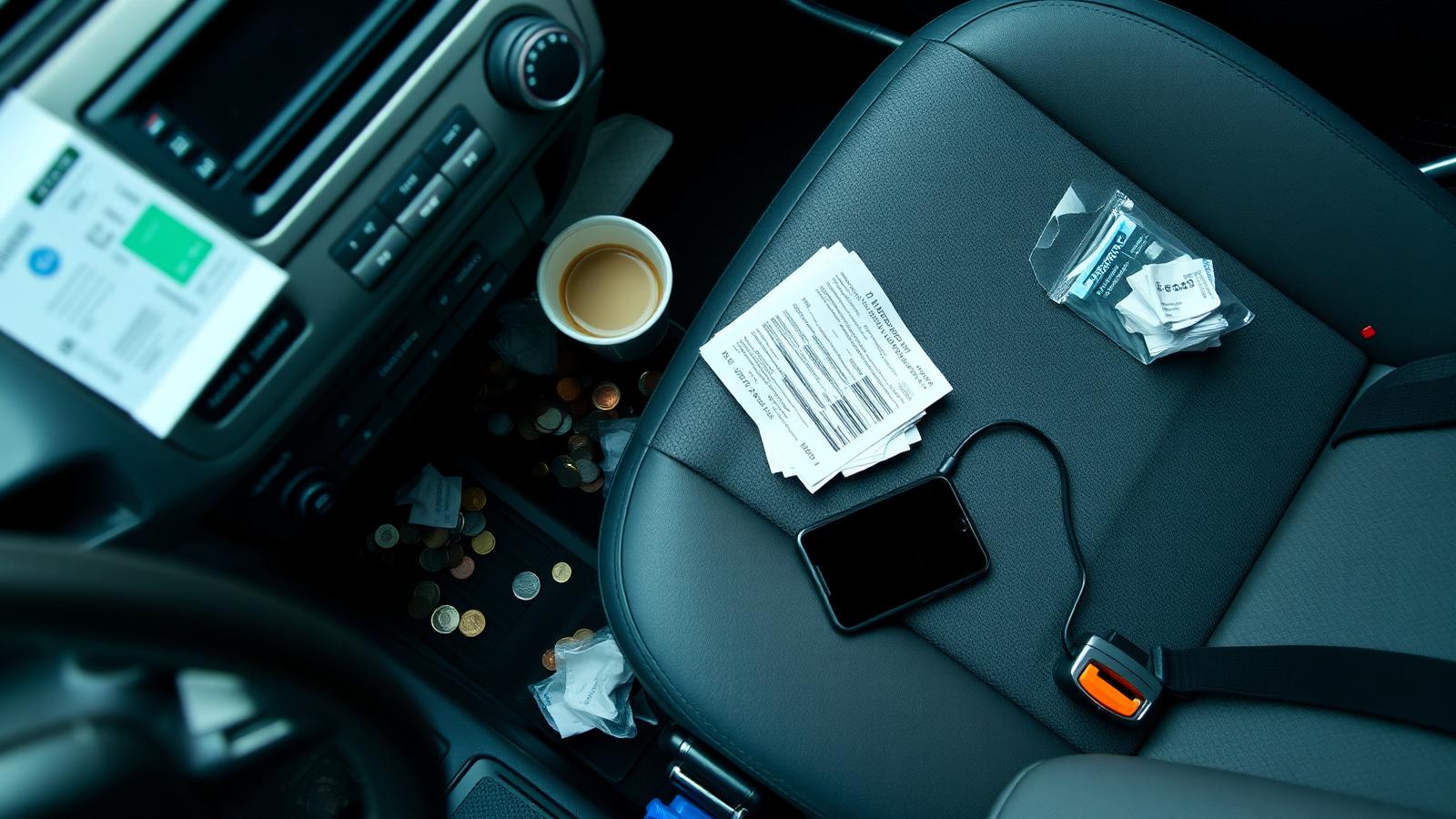
- Remove personal items before your appointment.
- Do not wash or polish the car beforehand.
- Tell your detailer about stains, repairs and concerns.
- Bring a wheel lock key if wheel work is included.
- Arrive with the vehicle in its normal condition.
Why Preparation Matters
Knowing how to prepare car for detailing helps your appointment run smoothly, especially when your vehicle is booked for a full interior and exterior service. You do not need to wash, vacuum or polish the car before you arrive. In most cases, it is better not to, as incorrect washing can add fine scratches or disturb contamination that should be handled professionally.
Preparation is mainly about access, safety and communication. Your detailer needs to see the vehicle as it is, assess paint condition honestly and work around fewer personal items. This is particularly useful in Auckland, where motorway grime, rain, salt air and hard water can leave mixed contamination across paint, glass, wheels and trim.
If you are unsure what level of detail your vehicle needs, our overview of vehicle detailing in Auckland explains how different services are approached.
What To Remove Before Your Appointment
The most helpful step is to remove personal belongings from the cabin and boot. A professional studio can clean around some items, but loose property slows the process and limits access to carpets, storage areas, cup holders and seat rails.
| Area | What To Remove | Why It Helps |
|---|---|---|
| Cabin | Bags, clothing, receipts, bottles and loose coins | Allows proper vacuuming and interior cleaning |
| Boot | Sports gear, tools, boxes and prams where practical | Gives access to carpet, trims and spare wheel areas |
| Child seats | Remove if you want the seat area cleaned | Allows cleaning of crumbs, marks and pressure points |
| Door pockets | Rubbish, wipes, cables and personal items | Prevents items being missed or damaged |
| Centre console | Cards, keys, sunglasses and electronics | Reduces risk and improves access |
If you cannot remove larger items, let the studio know when you arrive. For child seats, it is usually best for you to remove and reinstall them yourself, as correct fitting is a safety matter.
What Not To Do Before A Detail
It is common to want the vehicle to look presentable before arriving, but some pre-cleaning can make the job harder or increase the risk of defects.
Avoid these steps before your booking:
- Do not run the car through an automatic brush wash.
- Do not apply tyre shine, wax or spray coatings.
- Do not use household cleaners on leather, screens or interior trim.
- Do not scrub stains aggressively before they are assessed.
- Do not attempt spot polishing unless you are experienced.
A quick rinse is acceptable if the car is heavily muddy, but avoid wiping the paint while it is dirty. Fine dust and grit can act like sandpaper, particularly on darker colours. If your paint already shows swirl marks, haze or wash marring, you may want to read about what paint correction is before deciding on protection or enhancement work.
Information To Tell Your Detailer
Clear information helps the studio choose the right process and avoid surprises. You do not need technical knowledge - just mention anything you have noticed.
Useful details include:
- Recent paint or panel work - fresh paint may require different handling before polishing or protection.
- Known leaks or electrical issues - this affects interior cleaning and water use around seals.
- Previous coatings or waxes - old protection can change how the paint behaves during washing and decontamination.
- Stains or spills - coffee, milk, sunscreen and pet accidents need different approaches.
- Areas of concern - kerb marks, bird droppings, tree sap, water spots or scratches.
Auckland vehicles often carry a mix of contaminants from coastal air, road film, construction dust and frequent rain. Mention where the car is usually parked, such as outside, under trees, near the coast or in a basement. This helps identify likely causes of staining, spotting or odour.
Preparing For Paint Protection Or Correction
If your appointment includes machine polishing, ceramic coating or other protection, preparation becomes more important. The vehicle should arrive with enough time available for inspection, washing, decontamination and drying before any correction or coating work begins.
For ceramic coating, the paint surface needs to be properly cleaned and prepared so the coating can bond as intended. That does not mean you should polish the car yourself first. In most cases, paint preparation is part of the professional process, using controlled washing, chemical decontamination, clay where suitable and machine polishing if required.
If you are considering longer-term protection, our paint protection page outlines available options. For many vehicles, especially those exposed to Auckland UV, motorway grime and hard water, paint correction before coating may be recommended to improve clarity and remove defects rather than sealing them in.
Arrival Checklist For The Day
Before you leave for your appointment, a short checklist is usually enough:
- Remove valuables and personal items.
- Empty the boot where practical.
- Remove child seats if you want those areas cleaned.
- Make a note of stains, scratches or concerns.
- Bring any wheel lock key if wheel work is included.
- Allow enough time at drop-off for a condition check.
- Avoid applying last-minute dressings or cleaners.
Try to arrive with the vehicle in its normal condition. This gives your detailer the most accurate view of the paint, interior and contamination. If rain is forecast, do not worry. A professional detail process accounts for wet weather, and arriving with rain on the vehicle is normal in Auckland.
Preparing well does not mean doing the detail yourself beforehand. It simply helps the studio work carefully and efficiently. If you would like guidance before your appointment, Carfē can assess your vehicle at our Greenlane studio and recommend the right service through our booking page.
Frequently Asked Questions
Should I wash my car before a professional detail?
Usually, no. It is better to let the studio wash the vehicle using the correct process, as pre-washing can add scratches or hide issues that need assessment.
Do I need to empty the whole car before detailing?
Remove valuables, loose items and anything from areas you want cleaned. If larger items cannot be removed, tell your detailer at drop-off.
Should I remove child seats before detailing?
Yes, if you want the seat area cleaned properly. You should also reinstall child seats yourself, as correct fitting is a safety responsibility.
Can I bring my car in if it is raining?
Yes. Rain is normal in Auckland, and a professional detail process includes washing, drying and inspection before any finishing work.
What should I mention when I drop the vehicle off?
Mention stains, scratches, recent paintwork, leaks, previous coatings and any areas you are concerned about. This helps the detailer choose the right process.
Give your vehicle a genuinely professional clean.
From express washes to full interior and exterior detailing, and every package delivered by trained detailers at our Greenlane studio.
Related Reading
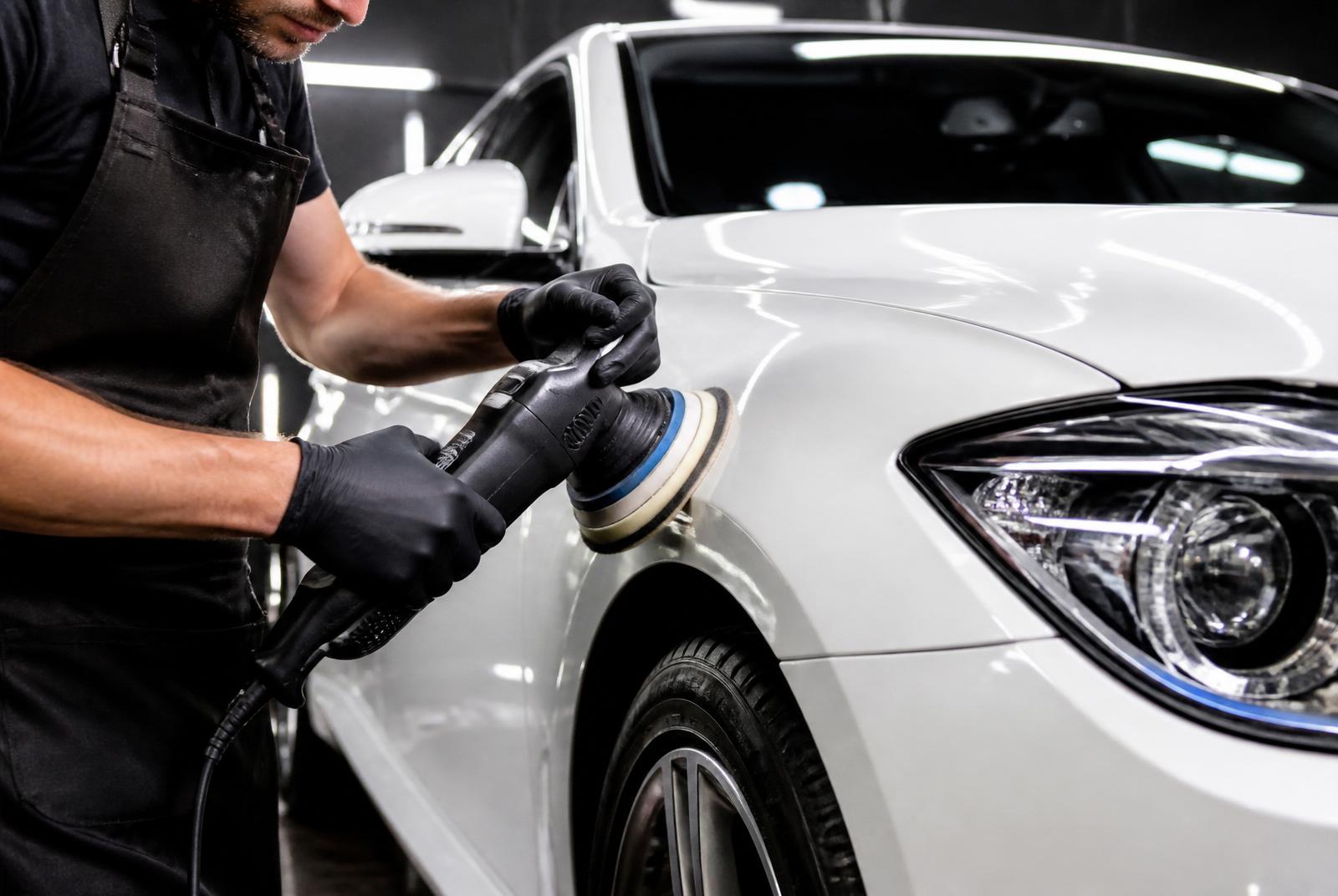
Car Grooming Auckland: What to Expect From a Professional Service.
Professional car grooming in Auckland should be systematic, safe for modern finishes, and matched to how you use your vehicle. This guide explains the typical process, options, timeframes and pricing.
Common Car Detailing Myths, Debunked.
Car detailing myths can lead to poor washing habits, wasted money and avoidable paint damage. This guide explains what is true, what is not, and how to care for your vehicle in Auckland conditions.

The Benefits of Regular Vehicle Detailing.
Regular detailing keeps your vehicle cleaner, safer and easier to maintain over time. It also helps protect paint, trim and interior surfaces from Auckland UV, rain and road grime.