The Benefits of Regular Vehicle Detailing.
How consistent detailing helps protect your vehicle from daily Auckland driving conditions

- Regular detailing helps prevent contamination from building up.
- Auckland conditions make consistent exterior care important.
- Interior detailing protects high-touch surfaces and comfort.
- Detailing frequency depends on use, storage and protection.
- Good maintenance reduces the need for heavy correction.
Why Regular Detailing Matters
The benefits of regular detailing are most noticeable over months and years, not just on the day your vehicle is cleaned. Detailing is a structured maintenance process for your paint, glass, wheels, tyres, trim and interior surfaces. It removes contamination that normal washing often leaves behind, then protects vulnerable surfaces before they become harder to restore.
In Auckland, vehicles deal with strong UV, salt air, frequent rain, motorway grime, tree sap, bird droppings and hard water spotting. These contaminants can bond to paint and exterior trim, while dust, sunscreen, food residue and moisture affect the interior. Regular detailing helps keep these issues under control rather than waiting until they require heavier correction.
If you are comparing general cleaning with a professional maintenance approach, our guide to vehicle detailing in Auckland explains what a full detailing process typically involves.
What Regular Detailing Includes
A regular detail should be matched to the vehicle, its use and its condition. A daily-driven SUV parked outside in Ellerslie will usually need a different schedule from a garaged weekend vehicle used around Greenlane and Remuera.
Common inclusions are:
- Safe exterior wash to reduce swirl marks and wash-induced scratching
- Wheel, tyre and arch cleaning to remove brake dust and road film
- Paint decontamination where required, including tar and iron removal
- Glass cleaning for clearer visibility in wet conditions
- Interior vacuuming, dust removal and surface cleaning
- Leather, vinyl, fabric and plastic care appropriate to the material
- Application or maintenance of wax, sealant or ceramic protection
Not every visit needs to be a full reset. Often, the most effective approach is a deeper detail at set intervals, supported by careful maintenance washing between visits.
Key Benefits For Your Vehicle
Regular detailing helps preserve both appearance and condition. It does not make a vehicle immune to wear, but it slows the rate at which contamination and neglect affect surfaces.
| Benefit | What It Helps With | Why It Matters |
|---|---|---|
| Cleaner paint | Road film, sap, dust and water spotting | Contamination is easier to remove before it bonds strongly |
| Better gloss | Dullness from grime and light contamination | The vehicle presents more consistently between washes |
| Easier maintenance | Dirt release from protected surfaces | Washing takes less effort and is safer for the paint |
| Interior comfort | Dust, odour, spills and skin oils | You spend time in a cleaner, more pleasant cabin |
| Long-term value | General wear and presentation | A well-maintained vehicle is easier to assess and prepare for resale |
A clean interior is not only about appearance. Dust in vents, residue on controls and moisture in carpets can make the cabin feel tired quickly. Regular interior detailing keeps high-touch areas such as steering wheels, gear selectors, door handles and seat bolsters in better condition.
How Often Should You Detail Your Vehicle?
There is no single interval that suits every vehicle. The right frequency depends on how often you drive, where you park, the colour of the paint, whether you have pets or children, and whether the vehicle has paint protection.
As a general guide for Auckland conditions:
| Vehicle Use | Suggested Detailing Interval |
|---|---|
| Daily driver parked outside | Every 3–4 months |
| Garaged daily driver | Every 4–6 months |
| Family vehicle with heavy interior use | Every 3–4 months, with interior attention as needed |
| Weekend or collector vehicle | Every 6–12 months |
| Ceramic-coated vehicle | Maintenance detail every 3–6 months |
If the paint already feels rough after washing, the glass is difficult to clear, or the interior has built-up residue, it is usually time for more than a basic wash. A full detail in Auckland commonly sits around $200–$600 depending on size and condition. More involved services, such as paint correction, are separate and typically cost more because they address defects in the paint itself.
Detailing, Paint Correction And Protection
Regular detailing and paint correction are related, but they are not the same. Detailing focuses on cleaning, decontaminating and protecting. Paint correction uses machine polishing to reduce swirl marks, oxidation, haze and other paint defects. If your vehicle has lost clarity or shows visible wash marks in sunlight, you may need correction before protection is applied.
You can learn more in our article on paint correction in Auckland. For vehicles that are in good condition, regular detailing can reduce the need for frequent correction by supporting safer washing and better contamination control.
Protection is another part of the maintenance plan. Wax, sealant and ceramic coatings all create a sacrificial layer between the paint and the environment. Ceramic coatings are more durable than traditional waxes, but they still require proper washing and periodic maintenance. If you are considering longer-term exterior protection, see our paint protection services.
How To Support Detailing Between Visits
What happens between professional details has a major effect on the result. A good detail can be compromised by harsh washing, dirty sponges or automatic brush washes.
Practical habits include:
- Rinse heavy grit before touching the paint.
- Use a quality wash mitt and separate wheel tools.
- Dry the vehicle to reduce hard water spotting.
- Remove bird droppings and sap promptly.
- Avoid household cleaners on interior materials.
- Keep sunscreen and hand sanitiser residue away from leather and plastics where possible.
For many owners, the aim is not to keep the vehicle perfect every day. It is to prevent avoidable deterioration and make each clean easier. Consistent detailing gives you a better baseline, especially in Auckland conditions where rain, UV and road grime can change quickly from week to week.
If your vehicle is due for a proper clean or you are unsure what level of detailing is suitable, Carfē can assess it at our Greenlane studio and recommend a practical maintenance plan. You can start by making an enquiry or booking through our booking page.
Frequently Asked Questions
What are the main benefits of regular detailing?
The main benefits are cleaner paint, easier washing, better interior condition and improved long-term presentation. It helps remove contaminants before they become difficult to treat.
How often should I detail my vehicle in Auckland?
Most daily drivers benefit from detailing every 3–6 months. Vehicles parked outside or used heavily may need more frequent attention.
Is regular detailing worth it for an older vehicle?
Yes, provided the vehicle is in usable condition. Regular detailing can make an older vehicle cleaner, more comfortable and easier to maintain, even if some wear cannot be removed.
Does detailing remove scratches?
Standard detailing may improve the look of very light marks, but it does not properly remove scratches. Paint correction is required for swirl marks, haze and many visible paint defects.
Can I detail my vehicle if it has a ceramic coating?
Yes. Ceramic-coated vehicles still need safe washing and maintenance detailing to remove road film, water spotting and contamination from the coating surface.
Give your vehicle a genuinely professional clean.
From express washes to full interior and exterior detailing, and every package delivered by trained detailers at our Greenlane studio.
Related Reading
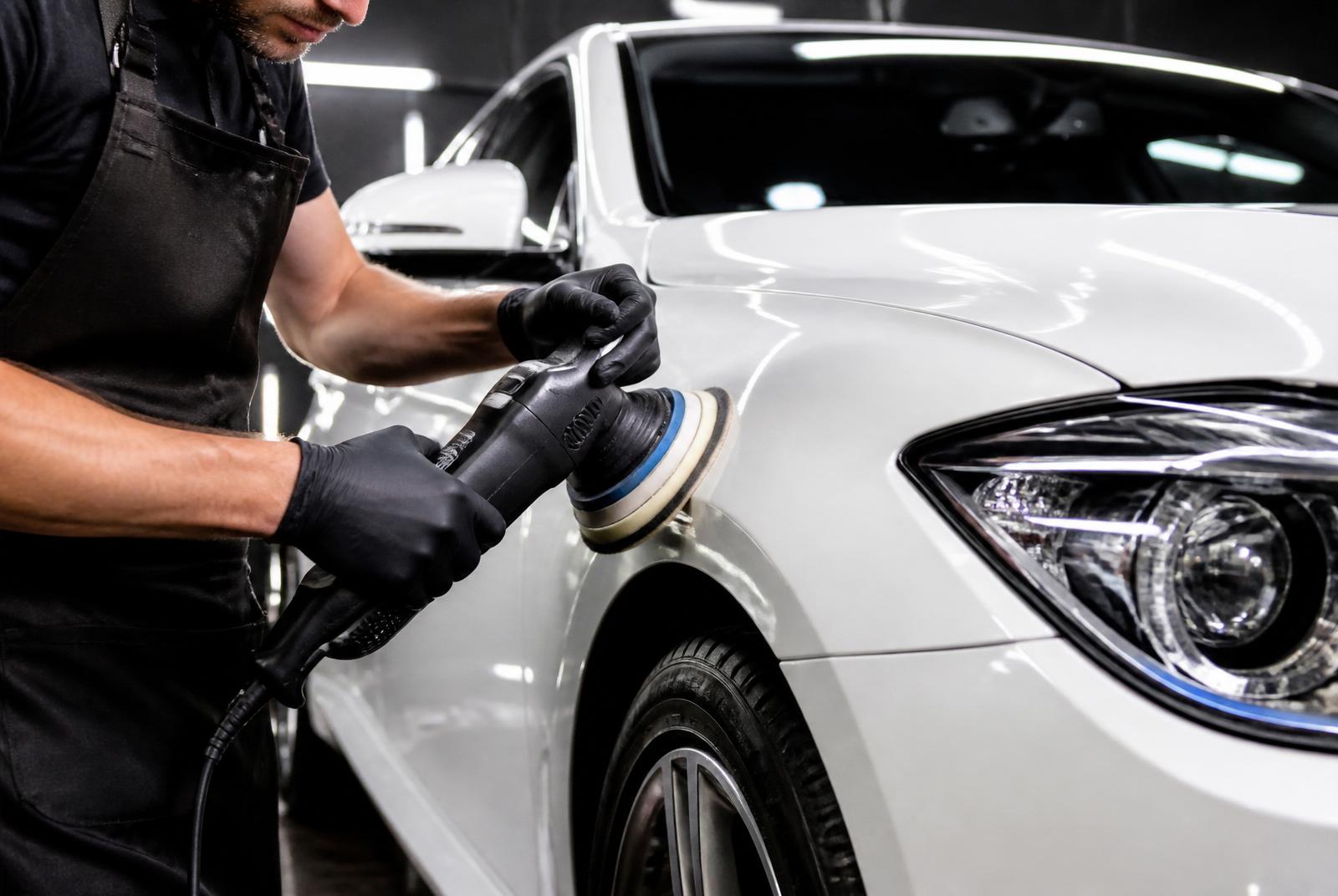
Car Grooming Auckland: What to Expect From a Professional Service.
Professional car grooming in Auckland should be systematic, safe for modern finishes, and matched to how you use your vehicle. This guide explains the typical process, options, timeframes and pricing.

How to Prepare Your Car for a Professional Detail.
Preparing your car for detailing does not mean cleaning it fully beforehand. A few practical steps help your detailer inspect, clean and protect your vehicle properly.
Common Car Detailing Myths, Debunked.
Car detailing myths can lead to poor washing habits, wasted money and avoidable paint damage. This guide explains what is true, what is not, and how to care for your vehicle in Auckland conditions.