The Ultimate Guide to Professional Car Detailing.
A practical guide to what professional detailing includes and when your vehicle may need it

- Professional detailing is more than a standard car wash.
- Auckland conditions can accelerate contamination and paint dullness.
- Paint correction and ceramic coating are separate detailing stages.
- The right service depends on condition, use and expectations.
- Good maintenance helps a professional detail last longer.
What Professional Car Detailing Means
This professional car detailing guide explains what is usually included, why the process matters, and how to decide what your vehicle actually needs. Detailing is not simply a more expensive wash. It is a structured approach to cleaning, restoring and protecting the exterior and interior surfaces of your vehicle.
In Auckland, vehicles deal with strong UV, coastal salt air, motorway grime, frequent rain and occasional hard water spotting. These conditions can dull paint, mark glass, stain trim and accelerate wear if contamination is left in place. A professional detail is designed to remove this build-up safely and leave the vehicle easier to maintain.
The right service depends on condition, age, use and your expectations. A daily-driven SUV parked outside will usually need a different approach from a garaged weekend vehicle.
What Is Usually Included
Professional detailing is generally divided into exterior, interior and protection work. Not every detail includes every step, so it is worth understanding the difference before booking.
| Area | Typical Work | Why It Matters |
|---|---|---|
| Exterior wash | Pre-rinse, snow foam, contact wash and wheel cleaning | Removes loose grime before touching paint |
| Decontamination | Tar removal, iron fallout removal and clay treatment where required | Clears bonded contamination that washing cannot remove |
| Paint refinement | Machine polishing or targeted correction | Improves gloss and reduces visible defects |
| Interior cleaning | Vacuuming, plastics, leather or fabric cleaning | Restores hygiene and presentation |
| Protection | Wax, sealant or ceramic coating | Helps resist UV, grime and water spotting |
A maintenance detail may focus on careful cleaning and light protection. A more involved service may include paint correction, fabric extraction, leather care, engine bay cleaning or glass polishing.
For a broader view of available options, you can compare Carfē's detailing services at /services.
Detailing, Paint Correction And Ceramic Coating
These terms are often used together, but they are not the same service.
Detailing
Detailing is the overall cleaning and preparation process. It can be simple or comprehensive, depending on the condition of the vehicle. A good detail should remove contamination safely and improve the appearance without creating wash marks or staining.
Paint Correction
Paint correction is the controlled machine polishing process used to reduce swirl marks, oxidation, water spotting and light scratches. It is more technical than a standard detail and depends on paint thickness, hardness and defect depth. If your paint looks hazy in direct sunlight, this may be the step that makes the largest visible difference. You can read more in /knowledge/what-is-paint-correction.
Ceramic Coating
Ceramic coating is a longer-lasting protective layer applied after the paint has been properly cleaned and, in many cases, corrected. It does not make the vehicle maintenance-free, but it can make washing easier and improve resistance to grime, UV and chemical staining. For more detail, see /knowledge/what-is-ceramic-coating.
How To Choose The Right Detail
The best choice is usually based on condition, not just vehicle size. Before booking, consider these points:
- How the vehicle is used - motorway driving, school runs, pets and outdoor parking all increase contamination.
- How the paint looks in sunlight - visible swirl marks or dullness may require polishing, not just cleaning.
- Whether protection is already present - old waxes or weak coatings may need removal or renewal.
- Interior condition - spills, sunscreen marks and food residue often require more than a quick wipe-down.
- Your maintenance routine - a protected vehicle is easier to wash, but only if it is cared for correctly.
If the vehicle is relatively new, a decontamination detail with protection may be enough. If it has been washed through harsh methods or parked outside for years, paint correction may be more appropriate before any long-term protection is applied.
Typical Costs And Timeframes In Auckland
Professional detailing varies because labour time changes significantly between vehicles. A small hatchback in tidy condition may take only a few hours. A large SUV with embedded dog hair, tar, iron fallout and paint defects may require a full day or more.
As a realistic Auckland guide:
- A full detail commonly sits around $200-$600, depending on size and condition.
- Paint correction is often around $600-$1800, depending on the number of stages and defect level.
- Ceramic coating packages generally range from $900-$3500, depending on preparation, coating type and surfaces protected.
Price should reflect preparation, care and time, not just the name of the package. A lower-priced service may be suitable for regular maintenance, but it may not include decontamination, correction or durable protection.
How To Maintain A Detailed Vehicle
A professional detail gives your vehicle a cleaner starting point. The result lasts longer when the wash routine is gentle and consistent.
Use a pH-appropriate shampoo, separate wash media for wheels and paint, and soft drying towels. Avoid automatic brush washes, harsh household cleaners and wiping dust from dry paint. If your vehicle has a ceramic coating, use products compatible with coated surfaces, such as suitable maintenance washes from GTECHNIQ, Ceramic Pro or Koch-Chemie where appropriate.
In Auckland, rinsing after long motorway trips or exposure to salt air can help reduce grime build-up. Rain will not clean the vehicle properly, and hard water can leave mineral marks if it dries on warm panels.
For most daily-driven vehicles, a maintenance wash every two to four weeks is sensible. Interior cleaning can be less frequent, but sunscreen, coffee, food and body oils should be addressed before they stain.
If you are unsure whether your vehicle needs a maintenance detail, paint correction or longer-term protection, Carfē can inspect it at the Greenlane studio and recommend a measured approach. You can start with our overview of /knowledge/vehicle-detailing-auckland or contact the studio when you are ready to plan the next step.
Frequently Asked Questions
How often should you get a professional car detail?
Most daily-driven vehicles benefit from a professional detail every 6 to 12 months. Vehicles parked outside or used heavily may need more frequent maintenance.
Is professional detailing worth it for a new vehicle?
Yes, if you want the vehicle properly decontaminated and protected from the beginning. New vehicles can still have transport film residue, iron fallout or dealer wash marks.
Does detailing remove scratches?
Standard detailing may improve light marks, but true scratch reduction usually requires paint correction. Deep scratches that catch a fingernail may not be safely removable by polishing.
How long does a professional detail take?
A maintenance detail may take a few hours, while correction or coating preparation can take a full day or longer. Timing depends on size, condition and the level of work required.
Can you detail a ceramic coated vehicle?
Yes, coated vehicles still need safe washing and periodic maintenance. The process should use coating-safe products and avoid abrasive steps unless correction is intentionally being carried out.
Give your vehicle a genuinely professional clean.
From express washes to full interior and exterior detailing, and every package delivered by trained detailers at our Greenlane studio.
Related Reading
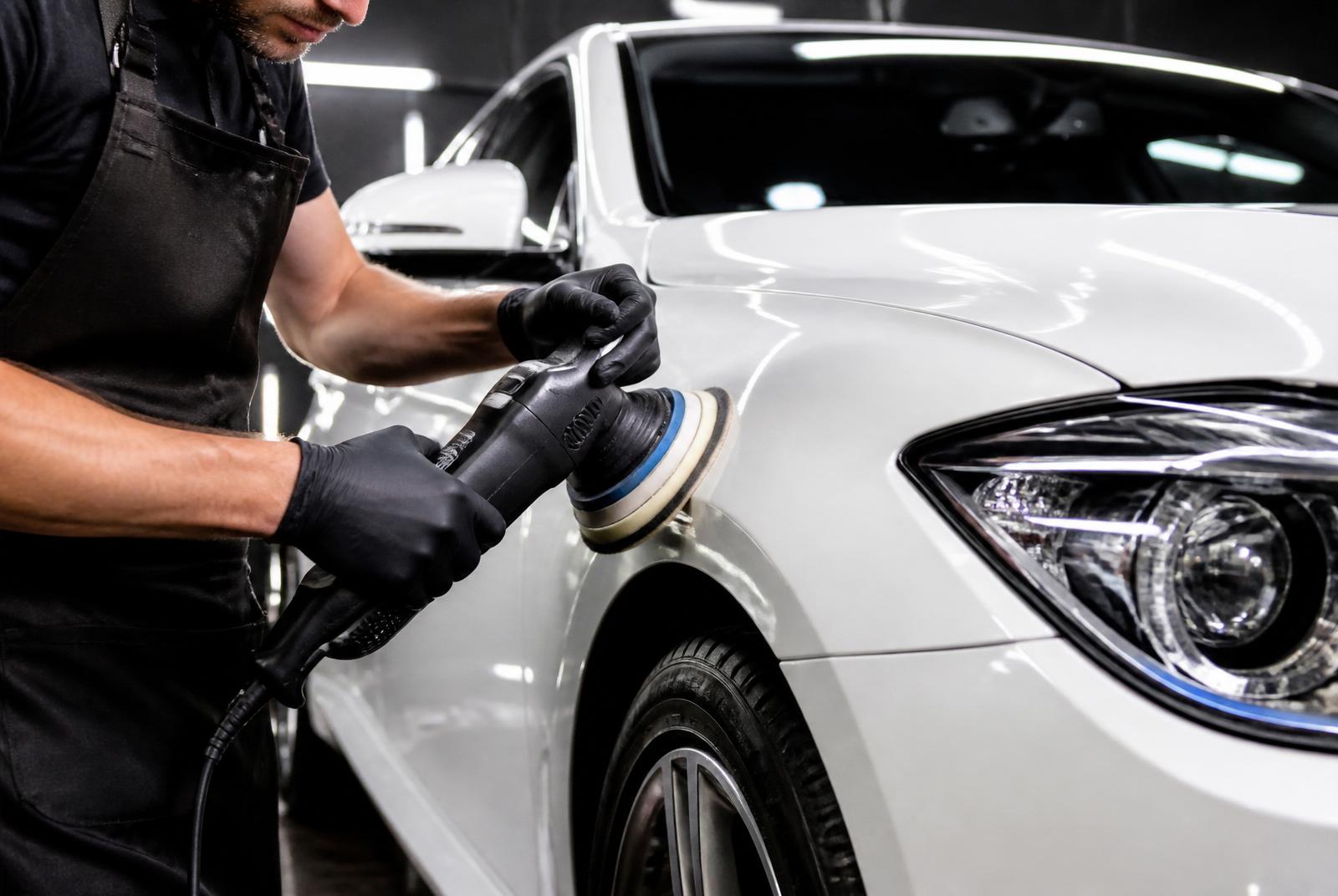
Car Grooming Auckland: What to Expect From a Professional Service.
Professional car grooming in Auckland should be systematic, safe for modern finishes, and matched to how you use your vehicle. This guide explains the typical process, options, timeframes and pricing.
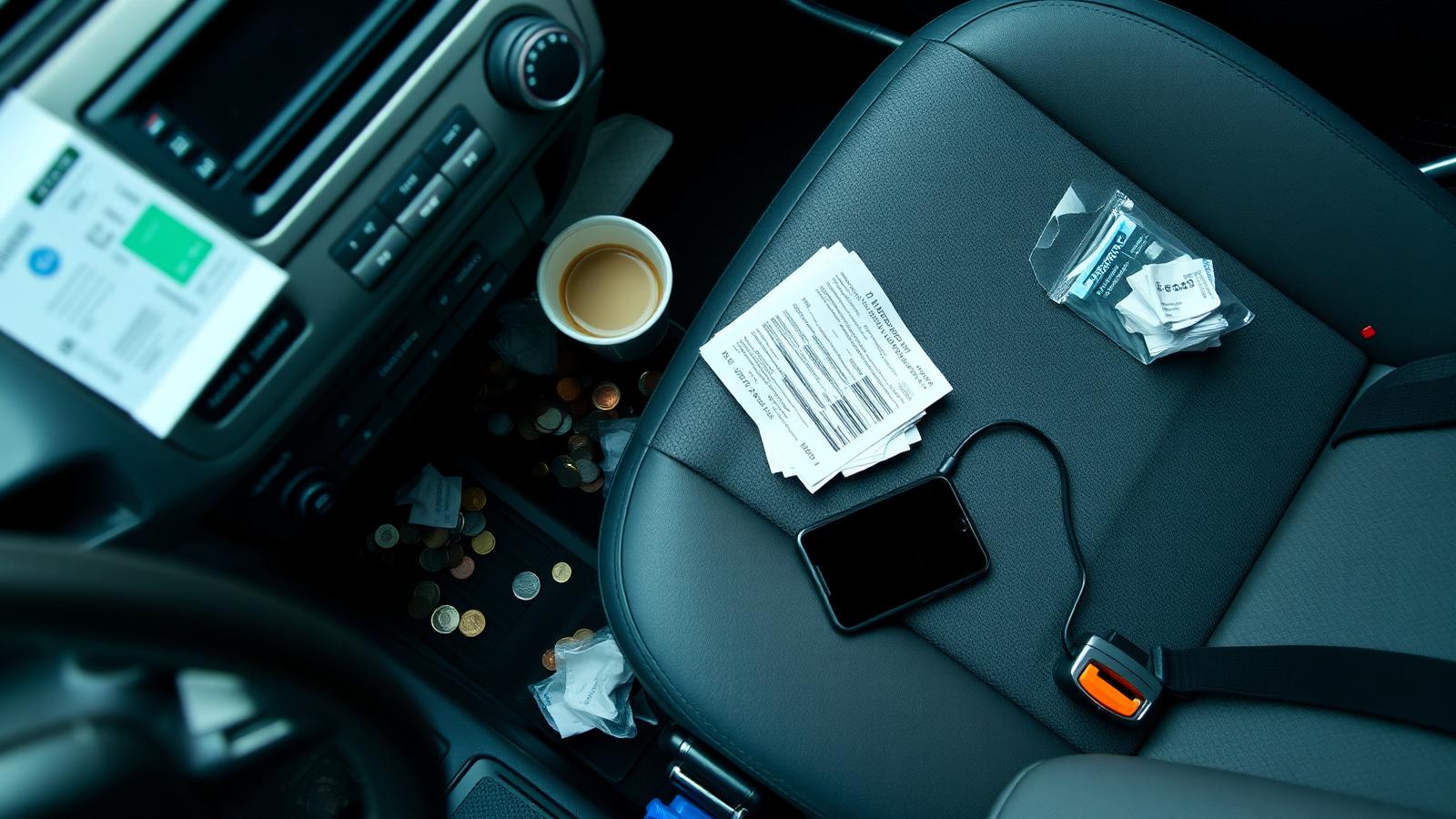
How to Prepare Your Car for a Professional Detail.
Preparing your car for detailing does not mean cleaning it fully beforehand. A few practical steps help your detailer inspect, clean and protect your vehicle properly.
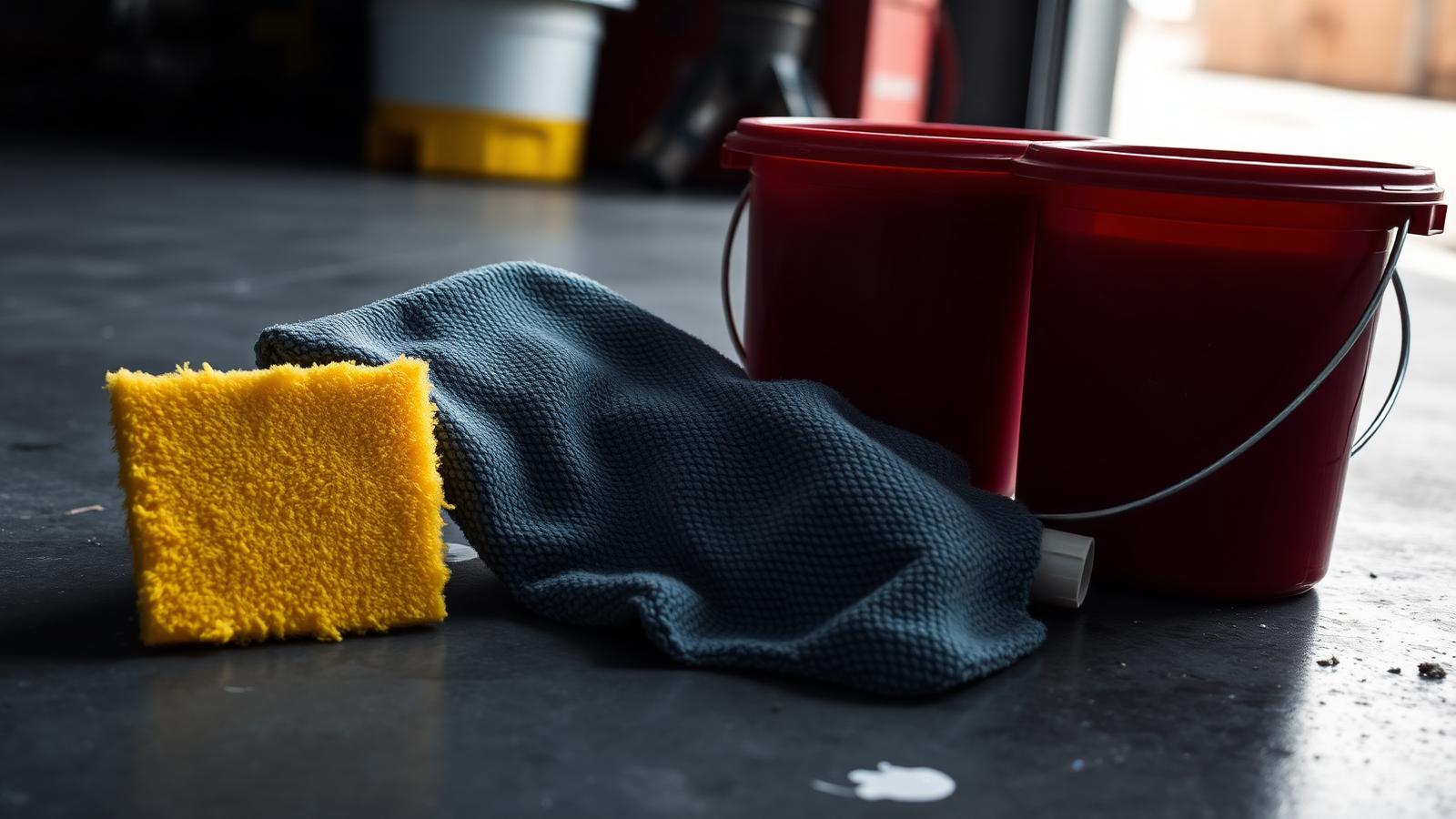
Common Car Detailing Myths, Debunked.
Car detailing myths can lead to poor washing habits, wasted money and avoidable paint damage. This guide explains what is true, what is not, and how to care for your vehicle in Auckland conditions.