How to Remove Pet Hair From Your Vehicle.
Practical methods for lifting embedded pet hair from carpet, seats and boot trim
- Pet hair should be loosened before vacuuming.
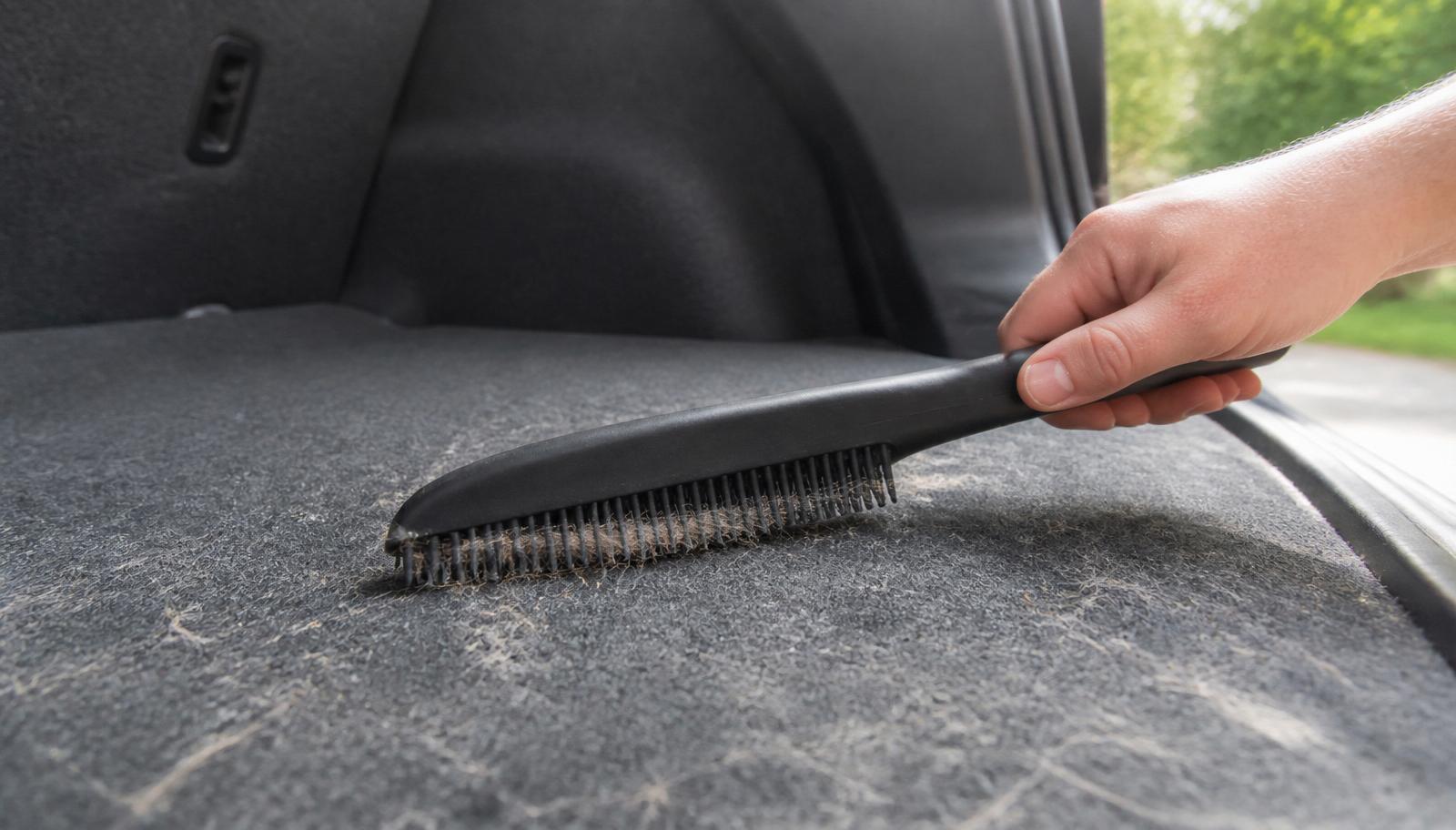
- Rubber tools are usually safer than stiff brushes.
- Work in small sections for the best result.
- Avoid excess water and aggressive scraping.
- Prevention makes future cleaning much easier.
Pet hair can be one of the most stubborn interior contaminants in your vehicle. It clings to carpet, fabric seats, boot liners and seatbelt webbing, often resisting a normal vacuum because the fibres are barbed, oily or held in place by static.
If you need to remove pet hair from car upholstery, the safest approach is to loosen the hair first, then vacuum it away in controlled sections. This reduces abrasion, avoids pushing hair deeper into the pile, and gives a cleaner result across the full cabin.
Why Pet Hair Is Hard To Remove
Vehicle interiors are not designed like household furniture. Carpet and boot trim often have a short, dense pile that traps hair close to the backing. Fabric seats can hold hair in the weave, while plastic trim can create static that pulls fine hair back onto nearby surfaces.
In Auckland, rain and humidity can make the issue worse. Damp coats, sand from beaches, salt air and motorway grime can combine with pet hair to form a film that standard vacuuming struggles to lift. If the vehicle is used for school runs, weekend walks or regular trips with a dog in the boot, hair can quickly spread into seams, seat rails and under mats.
It is best to treat pet hair removal as an interior detailing task rather than a quick vacuum. You are not just removing visible hair - you are also reducing odour, dander and soil that can sit underneath it.
Tools That Work Safely
The right tool depends on the surface. Aggressive brushing may remove hair quickly, but it can also fuzz carpet, mark leather coatings or damage delicate trim. Start gently and only increase pressure where the material allows it.
| Surface | Best Starting Method | Use With Care |
|---|---|---|
| Fabric seats | Rubber pet hair brush and vacuum | Stiff bristle brushes |
| Carpet and mats | Crevice vacuum tool, then rubber blade | Metal scrapers or razors |
| Boot liner | Rubber squeegee and repeated vacuum passes | Excess moisture |
| Leather or vinyl | Soft microfibre towel and vacuum | Abrasive brushes |
| Seatbelts | Light brushing with vacuum support | Harsh chemicals or soaking |
Useful tools include:
- A strong vacuum with a crevice tool and upholstery head
- A rubber pet hair brush or rubber squeegee
- A clean microfibre towel, slightly dampened if needed
- Low-tack masking tape for small isolated areas
- A soft detailing brush for seams and seat edges
Avoid household lint rollers as your main method. They can help with a final pass, but they often leave adhesive residue and are inefficient on coarse vehicle carpet.
Step-By-Step Method For Most Interiors
Work one area at a time, starting from the top of the cabin and moving down. This prevents loosened hair from falling back onto areas you have already cleaned.
- Remove loose items, mats, child seats and pet blankets.
- Vacuum the area slowly to collect loose hair and grit.
- Use a rubber brush or squeegee in short strokes to gather embedded hair.
- Vacuum the lifted hair immediately before it redistributes.
- Brush seams, seat rails and corners with light pressure.
- Repeat the process in opposite directions if the fabric pile allows it.
- Finish with a clean microfibre towel to collect fine residue.
For carpet and boot liners, short firm strokes are usually more effective than long sweeping motions. For fabric seats, reduce pressure and work with the weave rather than against it. If the hair is mixed with sand or dried mud, vacuum thoroughly before brushing so the grit does not abrade the fibres.
If odour remains after the hair is removed, the issue may be dander, moisture or residue in the carpet backing. In that case, a more complete interior clean may be needed. You can read more about broader cabin care in our guide to vehicle detailing in Auckland.
What To Avoid
Some quick fixes can cause more damage than the pet hair itself. Heat, excessive water and aggressive scraping are common problems.
Avoid using:
- Razor blades or metal scrapers on carpet or fabric
- Strong solvent cleaners on interior plastics or coated leather
- Steam held too close to trim, seat electronics or adhesives
- Excess water on carpet, especially in humid weather
- Hard brushes on Alcantara, suede-like materials or delicate fabrics
If you use a damp towel, it should be lightly damp rather than wet. Too much moisture can push contaminants deeper into the foam or underlay, where they are harder to dry. This is particularly important during Auckland’s wetter months, when interiors may already hold more moisture than you realise.
Preventing Pet Hair Build-Up
Prevention makes future cleaning much easier. A good boot liner, rear seat cover or dedicated pet hammock can reduce the amount of hair reaching the original trim. Wash these covers regularly so they do not transfer oils and odour back into the vehicle.
Helpful habits include:
- Brushing your pet before longer trips
- Keeping a washable towel or blanket in the vehicle
- Vacuuming high-use areas weekly
- Removing damp pet bedding after wet walks
- Using rubber mats where practical in the boot or rear footwells
If your pet travels often, include the boot, rear seatbacks and seatbelt buckles in your regular clean. Hair often gathers in these areas before it becomes obvious across the wider cabin.
When Professional Interior Detailing Helps
A professional interior detail is worthwhile when pet hair is deeply embedded, spread through the whole cabin, or combined with odour and staining. The process may include staged vacuuming, safe agitation, compressed air where appropriate, fabric cleaning and targeted odour reduction.
Interior detailing is also useful before selling a vehicle or returning a lease, as pet hair can make an otherwise clean car appear poorly maintained. Depending on the condition and level of work required, a full interior-focused detail in Auckland commonly sits within the broader full detail range of about $200-$600.
Carfē’s Greenlane studio can assess your interior materials and choose a safe process for your vehicle, whether you need a focused pet hair removal service or a more complete cabin clean. You can view our detailing services or book an appointment if your vehicle needs professional attention.
Frequently Asked Questions
What is the best way to remove pet hair from car seats?
Vacuum first, then use a rubber pet hair brush in short strokes to lift embedded hair. Vacuum again immediately so the loosened hair does not settle back into the fabric.
Can I use a lint roller on my vehicle interior?
A lint roller can help with light surface hair, but it is not ideal for embedded hair in carpet or boot trim. It may also leave adhesive residue if overused.
Is pet hair removal safe for leather seats?
Yes, if it is done gently. Use a soft microfibre towel and vacuum support rather than abrasive brushes, as leather coatings can be marked by harsh tools.
Why does pet hair keep coming back after vacuuming?
Hair can remain trapped in carpet pile, seams and under mats, then reappear with movement and airflow. Loosening the fibres before vacuuming usually improves the result.
When should I book professional pet hair removal?
Book professional help when hair is widespread, embedded, or combined with odour and staining. A studio detail can clean areas that are difficult to reach with household tools.
Give your vehicle a genuinely professional clean.
From express washes to full interior and exterior detailing, and every package delivered by trained detailers at our Greenlane studio.
Related Reading
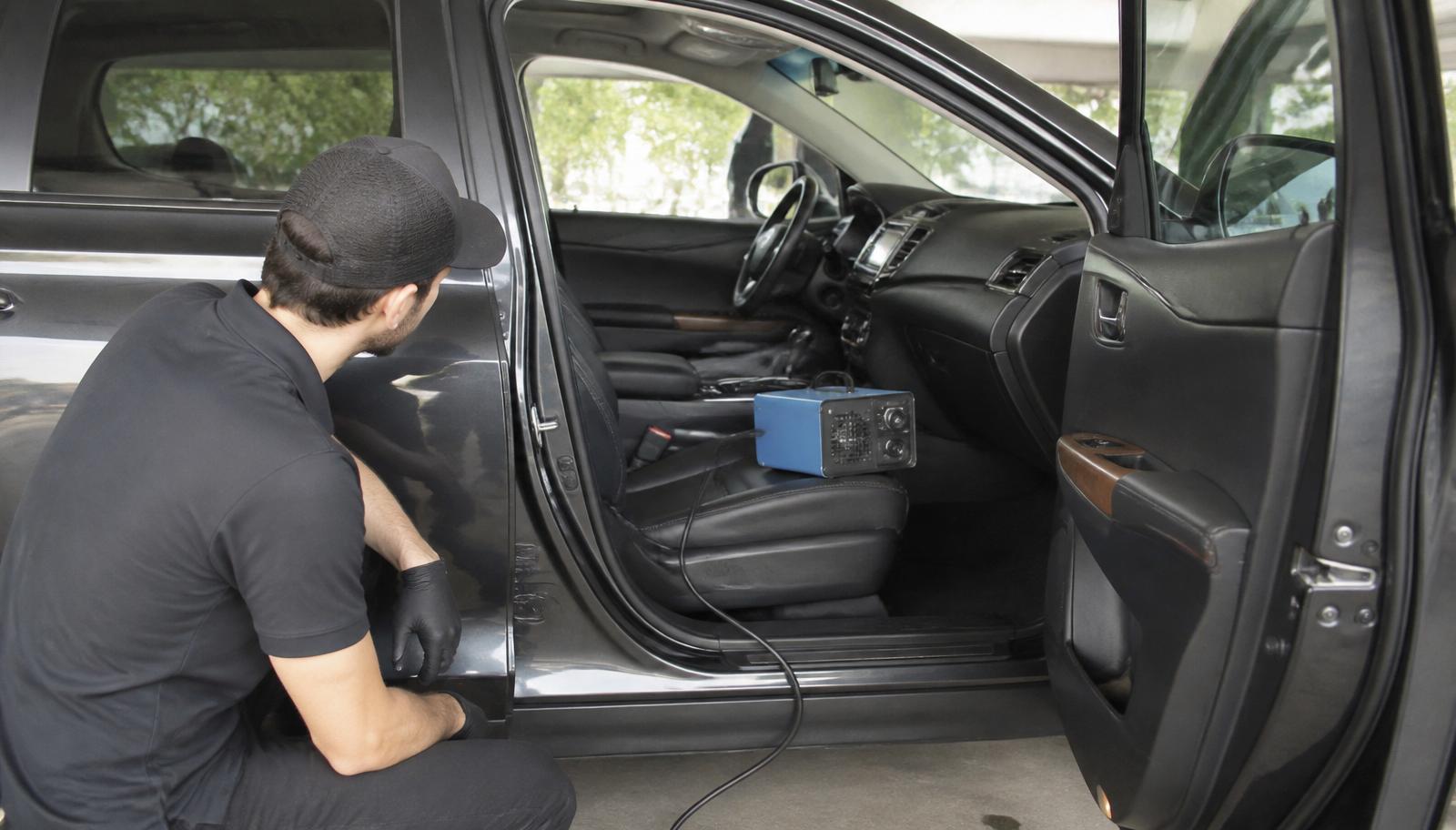
Eliminating Interior Odours: What Actually Works.
Most car odours return because the source has not been removed. This guide explains how to remove car interior smell safely, from spills and damp carpet to smoke and mildew.
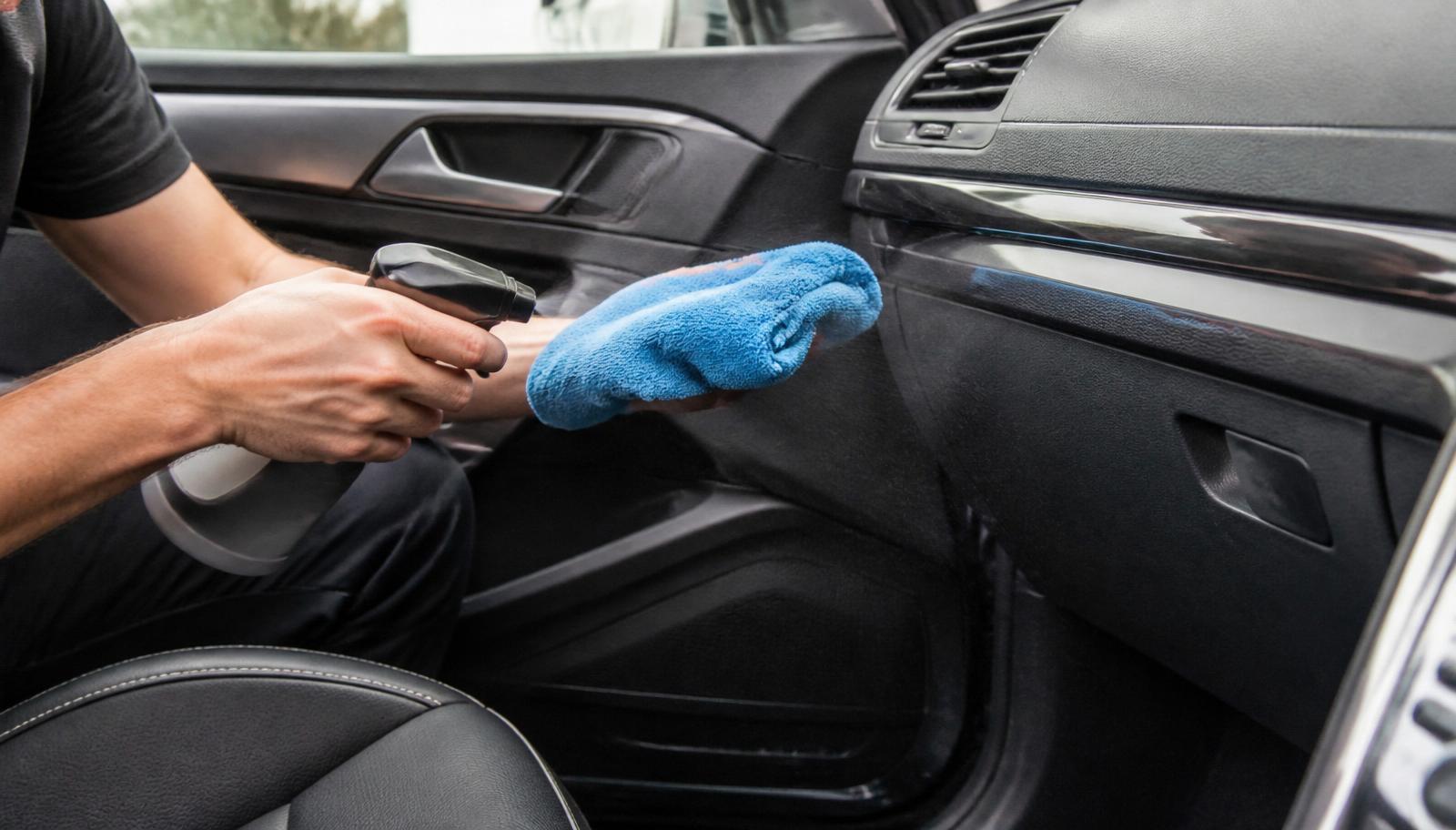
Interior Protection Tips for Everyday Drivers.
Car interior protection is about reducing wear before it becomes permanent. These tips help everyday drivers keep leather, fabric, plastics and carpets cleaner for longer.
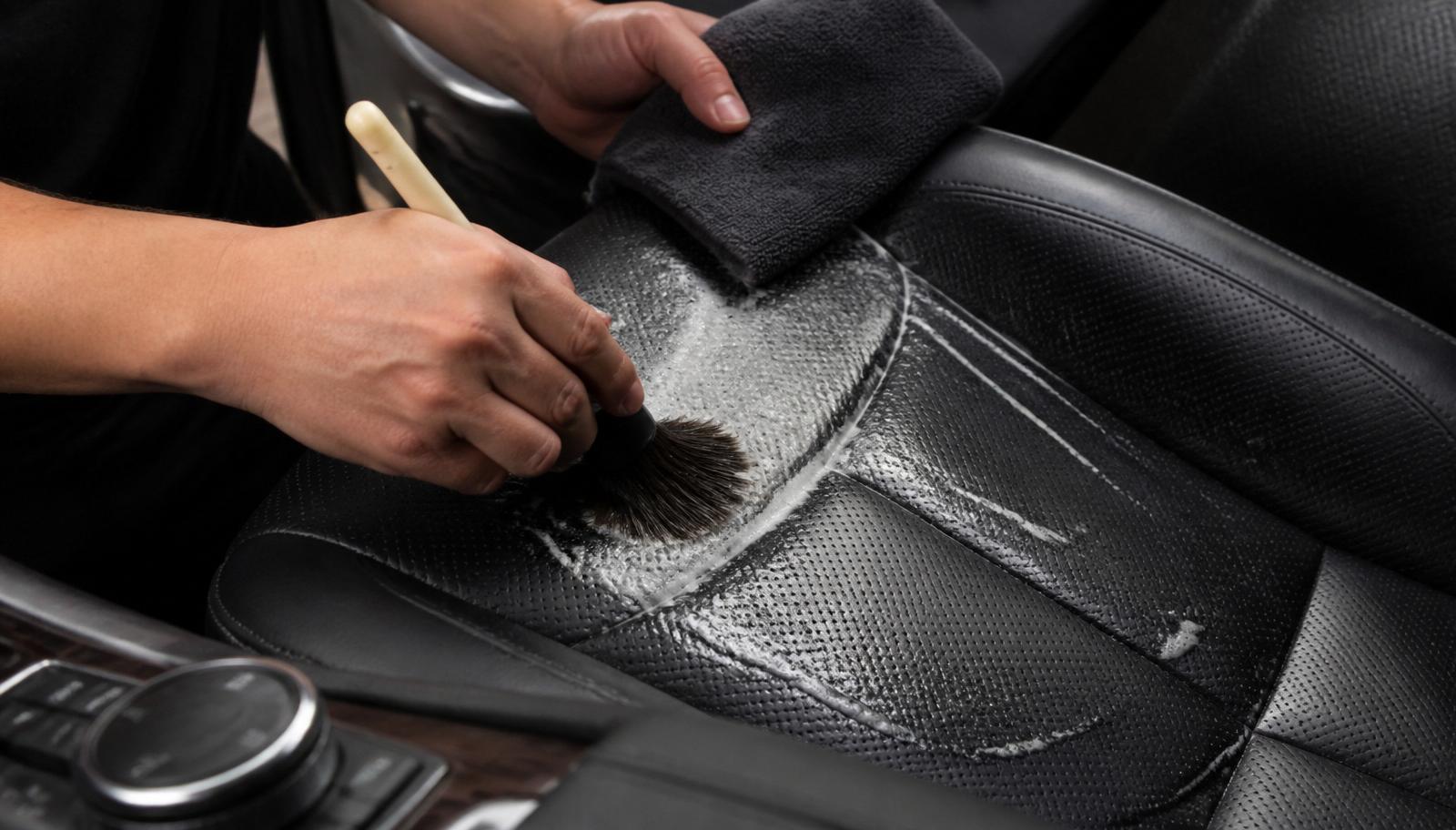
Caring for Leather Seats: A Complete Guide.
Leather seats need gentle, regular care to stay comfortable and presentable. This guide explains safe cleaning, protection, common mistakes and when to seek professional help.