Caring for Leather Seats: A Complete Guide.
A practical guide to cleaning, protecting and maintaining leather seats in Auckland conditions
- Most modern leather seats need gentle cleaning, not heavy conditioning.
- Vacuum first so grit does not scratch the leather surface.
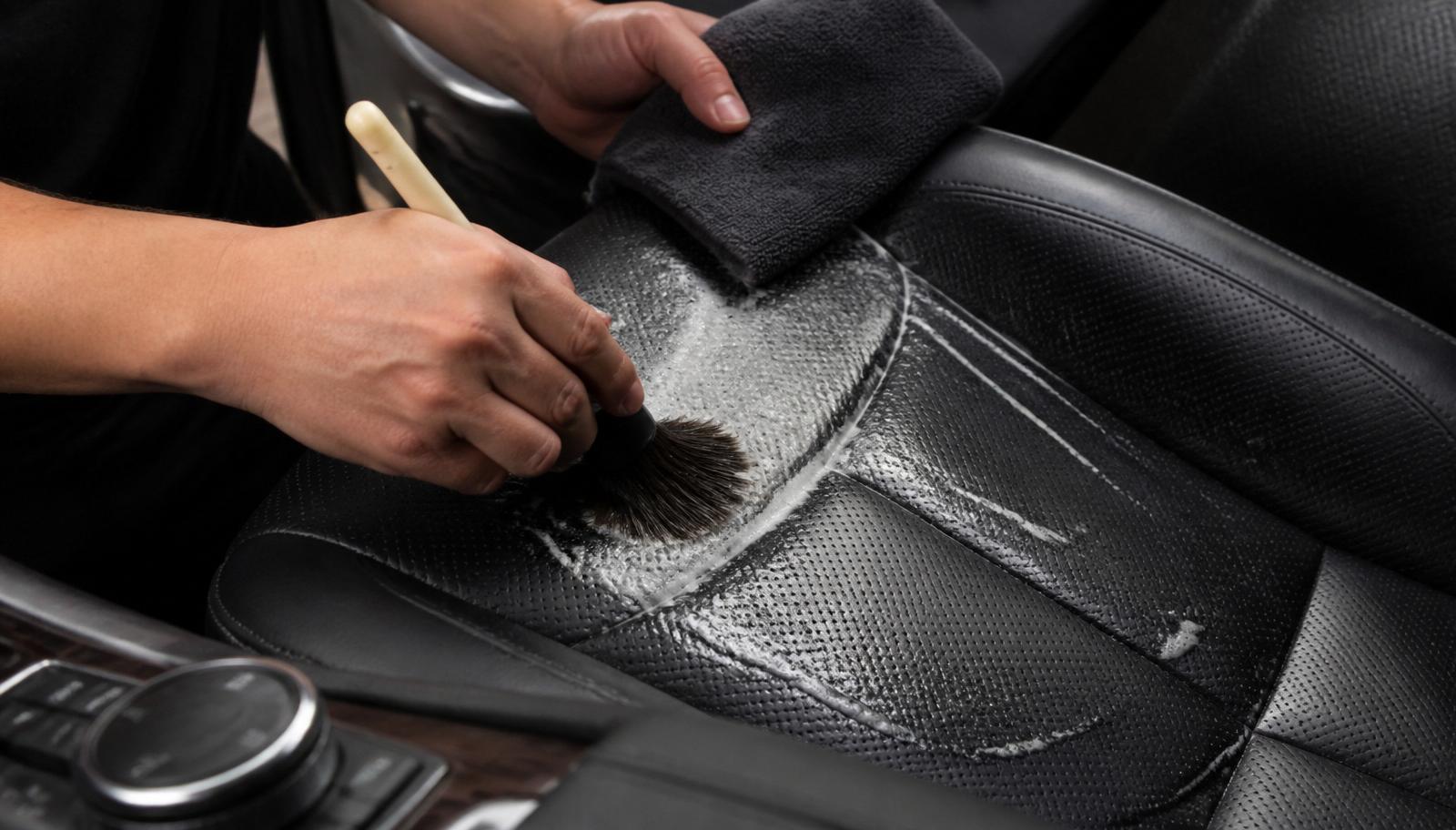
- Use minimal liquid on perforated leather and dry it promptly.
- Avoid household cleaners, oily dressings and aggressive scrubbing.
- Professional care is useful for dye transfer, odours and heavy soiling.
Why Leather Needs Regular Care
Leather car seat care is not just about appearance. Automotive leather is a coated, dyed surface that deals with body oils, denim transfer, sunscreen, food residue, dust and heat every time you drive. In Auckland, UV exposure, humid days, rain carried in on clothing and salt air can all add to wear over time.
If leather is left dirty, the surface coating can become shiny, sticky or uneven. Creases can hold grime, pale colours can discolour, and bolsters can show wear from repeated entry and exit. Regular, measured care helps your seats stay cleaner, softer to the touch and easier to maintain.
It is also important not to over-treat leather. Strong cleaners, heavy conditioners and frequent scrubbing can do more harm than good. The best approach is simple: clean gently, protect appropriately and address spills early.
Know What Type Of Leather You Have
Most modern vehicle seats use coated leather. This means the visible surface has a protective finish over the dyed hide. Some vehicles also use semi-aniline, aniline, artificial leather or mixed materials across bolsters, inserts and rear seats.
| Seat Material | How It Behaves | Care Approach |
|---|---|---|
| Coated leather | Resists moisture at first and is common in modern vehicles | Gentle leather cleaner and light protection |
| Semi-aniline leather | Softer feel, more absorbent and more sensitive | Minimal moisture and careful product choice |
| Artificial leather | Often uniform in texture and less absorbent | Mild interior cleaner, not heavy conditioner |
| Perforated leather | Small holes can hold moisture and residue | Use less liquid and dry promptly |
A simple water drop test can sometimes help, but it is not foolproof. If a tiny drop sits on the surface briefly, the leather is likely coated. If it darkens quickly, it may be more absorbent and needs greater care. When unsure, test any product in a hidden area first.
A Safe Leather Car Seat Care Routine
A good routine starts with removing loose dust and grit. Vacuum the seat faces, seams and gaps using a soft brush attachment. Grit trapped in creases can act like fine sandpaper, especially on driver bolsters.
Next, apply a leather-safe cleaner to a microfibre cloth or soft interior brush, not directly onto the seat. Work in small sections, using light agitation rather than pressure. Wipe away residue with a clean, damp microfibre cloth, then dry with another towel. For perforated seats, use minimal liquid so cleaner does not collect below the surface.
After cleaning, a suitable leather protectant can help reduce dye transfer, make future cleaning easier and add a sacrificial layer against daily contact. Products from professional interior-care ranges such as Koch-Chemie or Ceramic Pro may be suitable when matched to the material, but product choice matters less than correct technique.
Cleaning Frequency
For most Auckland daily drivers, a light wipe every 2-4 weeks and a deeper clean every 3-6 months is sensible. Vehicles parked outside, used by children or pets, or exposed to sunscreen and work clothing may need more frequent attention.
A practical maintenance pattern is:
- Vacuum seats and seams before applying any liquid.
- Clean high-contact areas first, especially bolsters, armrests and headrests.
- Use soft tools and low pressure.
- Remove all cleaner residue.
- Allow the seats to dry before applying protection or driving.
For broader cabin upkeep, see our guide to vehicle detailing in Auckland.
What To Avoid On Leather Seats
Many leather problems come from well-intended but unsuitable products. Household cleaners, alcohol-heavy wipes, magic sponges, silicone dressings and oily conditioners can leave residue, flatten the finish or accelerate uneven wear. Leather should not feel greasy after cleaning.
Avoid these common mistakes:
- Scrubbing shiny areas aggressively instead of cleaning them gradually.
- Spraying cleaner directly into perforations, switches or seams.
- Using steam too close to the surface.
- Leaving wet towels, gym gear or rain-soaked clothing on the seats.
- Applying conditioner to artificial leather or coated leather that cannot absorb it.
Dark denim and new clothing are frequent causes of dye transfer, especially on light interiors. Clean transfer early, before it bonds more strongly to the coating. Sunscreen and hand sanitiser can also soften or mark some finishes, so wiping contact areas regularly is worthwhile.
When Professional Interior Care Makes Sense
Professional help is useful when leather has heavy soiling, stubborn dye transfer, unpleasant odours, shiny bolsters or unknown previous treatments. A careful interior detail can clean the leather, remove residue from plastics and fabrics, and reset the cabin without over-saturating surfaces.
It is also worth seeking advice before treating high-value, delicate or uncommon interiors. Some leather damage is wear rather than dirt, and cleaning cannot replace missing colour or repair cracked coatings. In these cases, the right recommendation may be maintenance, repair referral or restrained cleaning rather than repeated product use.
At Carfē, leather is assessed as part of the wider interior, including stitching, perforations, plastics and touch points. You can view suitable options on our services page, or contact us if you are unsure what your vehicle needs.
Keeping Leather Presentable Long Term
Consistent habits make the biggest difference. Park in shade where practical, use a windscreen shade if your vehicle sits outside, and remove dust before it builds up in seams. In Auckland rain, allow wet seats and mats to dry properly so humidity does not linger in the cabin.
If you carry pets, tools, sports gear or child seats, use clean protective covers where appropriate and check pressure points regularly. Child seats can mark leather if grit sits underneath, so cleaning the area before installation is important.
Leather does not need to look artificially glossy. A clean, even, satin finish is usually the correct result. If your seats are becoming slippery, sticky or patchy, it may be time to reassess the products being used.
If your leather seats need careful cleaning or you want a maintenance plan that suits Auckland use, Carfē can help from our Greenlane studio. You can book an interior detailing appointment for a measured assessment and service.
Frequently Asked Questions
How often should I clean leather car seats?
For most daily drivers, a light wipe every 2-4 weeks and a deeper clean every 3-6 months is suitable. More frequent care may be needed if your vehicle is parked outside, carries children or pets, or is exposed to sunscreen and work clothing.
Do leather car seats need conditioner?
Many modern seats are coated leather, so heavy conditioner may sit on the surface rather than absorb. A light, suitable protectant is often more useful than an oily conditioner.
Can I use household wipes on leather seats?
It is best to avoid household wipes, especially those with alcohol, fragrance or strong cleaning agents. They can dry, mark or leave residue on the leather finish.
How do I remove denim transfer from light leather?
Clean it early with a leather-safe cleaner, soft cloth and light agitation. If the transfer has bonded into the coating, professional cleaning or repair advice may be needed.
Why are my leather seats shiny?
Shine is often caused by body oils, grime and product build-up rather than healthy leather. Gentle cleaning can reduce it, but worn coatings may not return fully without repair.
Give your vehicle a genuinely professional clean.
From express washes to full interior and exterior detailing, and every package delivered by trained detailers at our Greenlane studio.
Related Reading
Eliminating Interior Odours: What Actually Works.
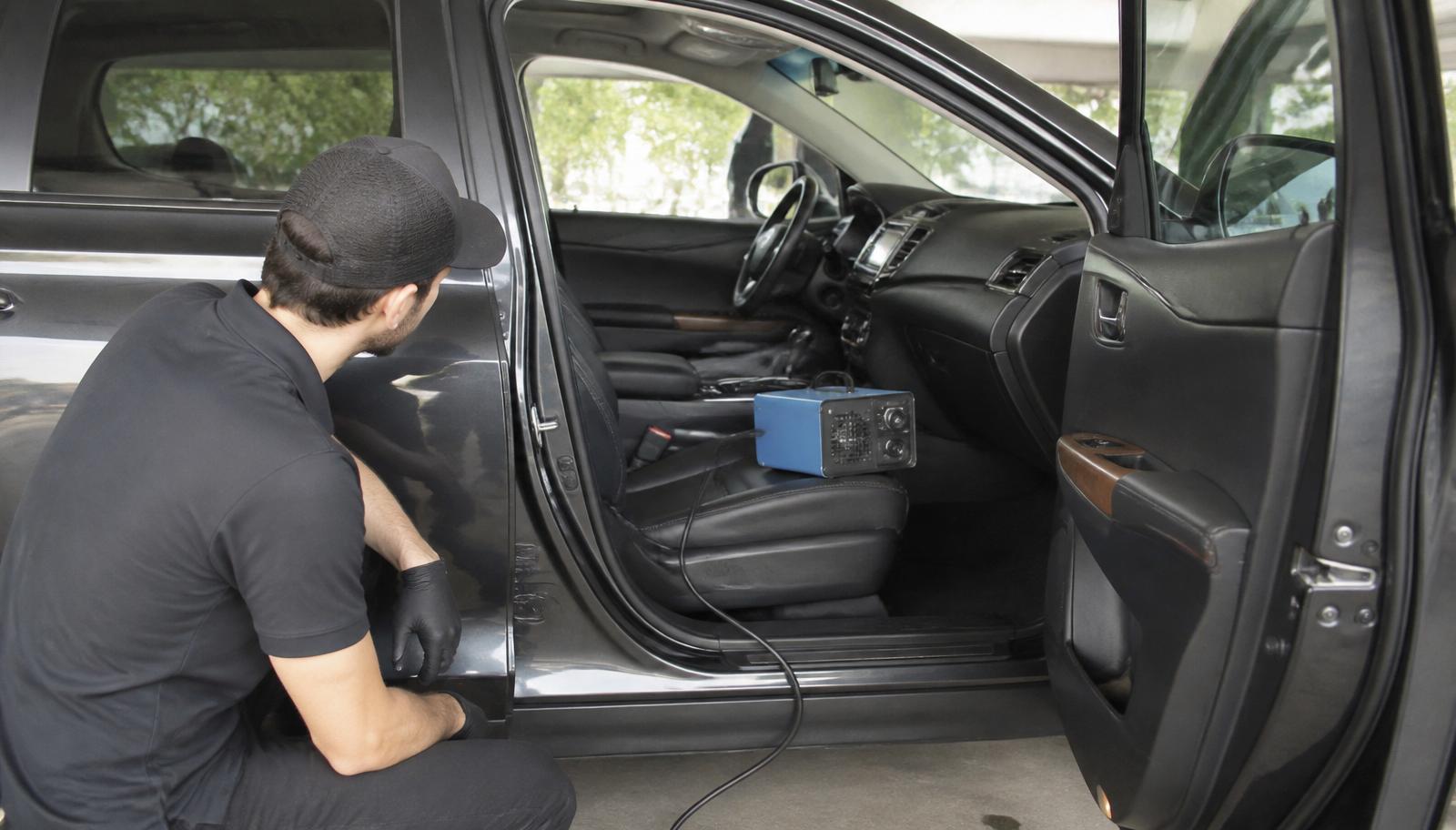
Most car odours return because the source has not been removed. This guide explains how to remove car interior smell safely, from spills and damp carpet to smoke and mildew.
How to Remove Pet Hair From Your Vehicle.
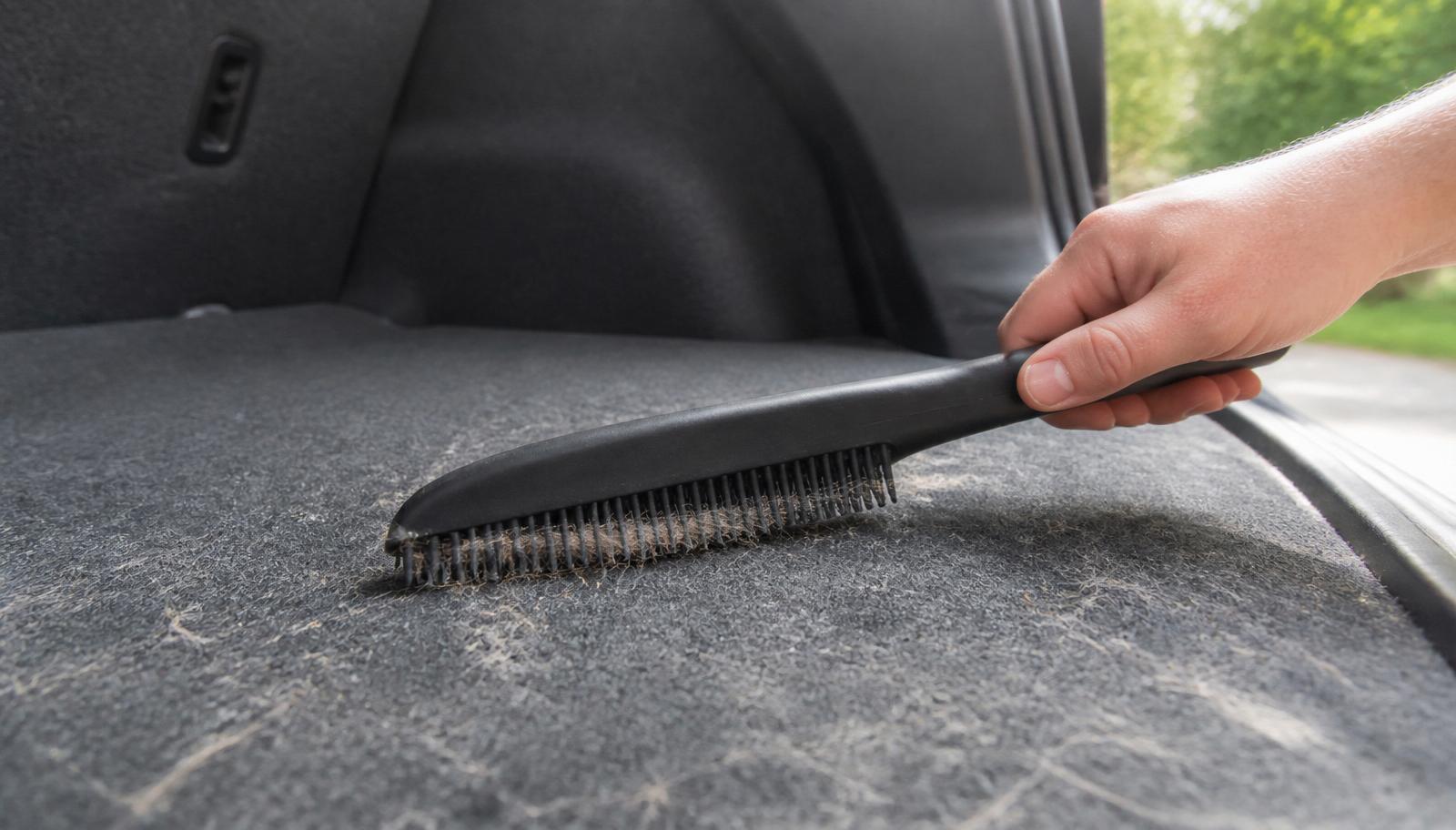
Pet hair is difficult to remove because it grips fabric fibres and static-prone trim. This guide explains safe tools, surface-specific methods and when a professional interior detail is worthwhile.
Interior Protection Tips for Everyday Drivers.
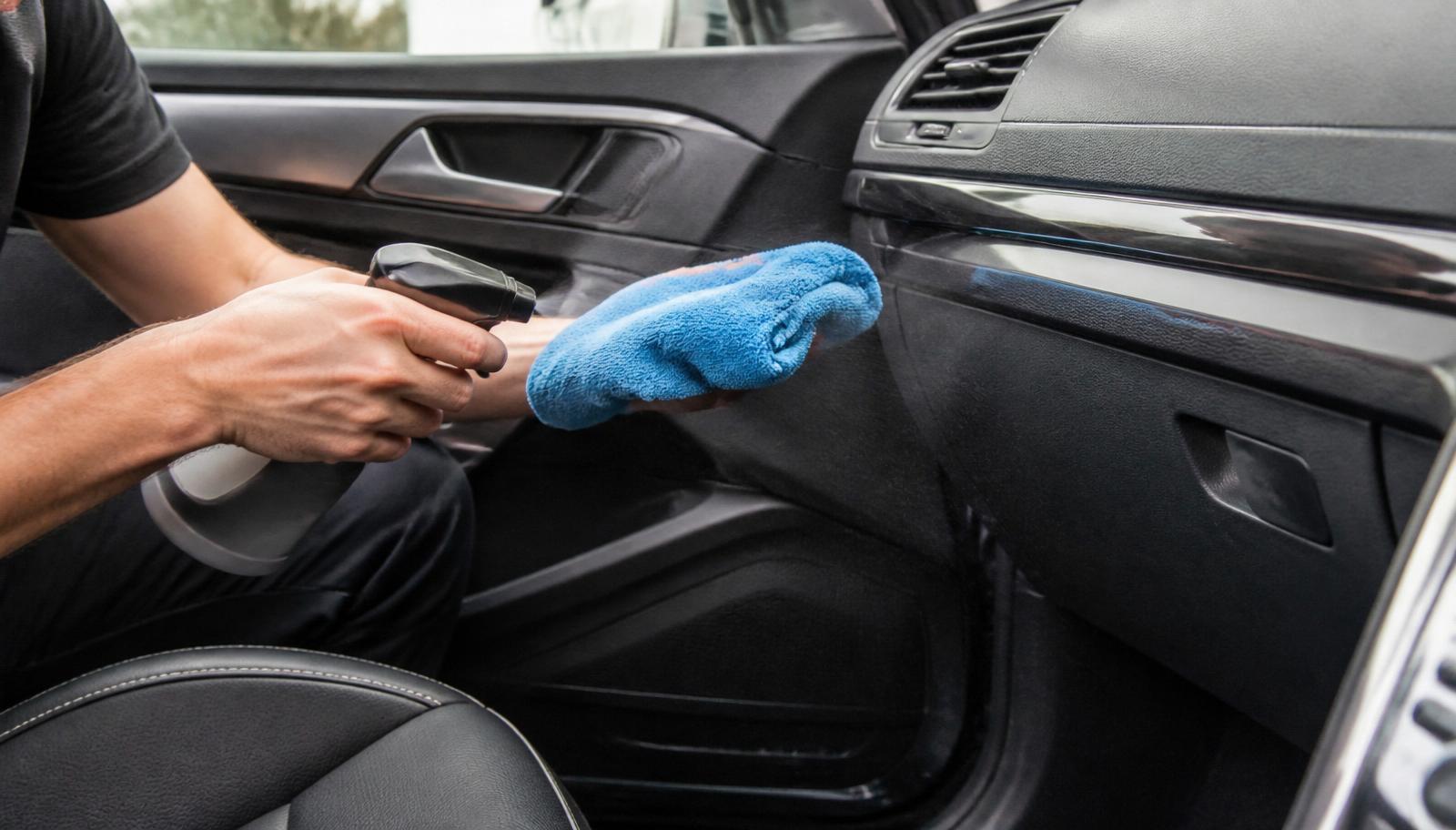
Car interior protection is about reducing wear before it becomes permanent. These tips help everyday drivers keep leather, fabric, plastics and carpets cleaner for longer.