Eliminating Interior Odours: What Actually Works.
A practical guide to finding the source of odours and removing them properly
- Odour removal starts with finding the source.
- Masking sprays do not remove contamination.
- Moisture is a common cause in Auckland vehicles.
- Different odours need different cleaning methods.
- Proper drying prevents smells from returning.
Why Interior Odours Return
To remove car interior smell properly, you need to treat the cause rather than cover it. Air fresheners, perfume sprays and vent clips can make the cabin seem better for a short time, but they do not remove residue from carpet, seats, headlining, air vents or the HVAC system.
In Auckland, interior odours are often made worse by moisture. Rain, wet shoes, beach gear, gym bags and humid weather can leave carpet underlay damp for longer than you realise. Once moisture sits beneath mats or in seat foam, bacteria and mildew can develop. The smell then returns each time the vehicle warms up in the sun.
A proper interior odour process starts with diagnosis. At Carfē, this sits within a broader vehicle detailing approach, where the interior is cleaned according to material, contamination and risk - not simply sprayed with fragrance.
Common Sources Of Car Interior Smell
Different odours need different treatment. A milk spill in carpet cannot be treated the same way as smoke residue on glass and roof lining. Before cleaning, identify where the smell is strongest and when it appears.
| Odour Type | Common Source | What Usually Works |
|---|---|---|
| Damp or musty smell | Wet carpet, blocked drains, damp boot lining | Drying, extraction, mildew treatment |
| Sour or food smell | Spills in carpet, seat rails or under seats | Deep vacuuming, enzyme treatment, extraction |
| Smoke smell | Fabric, headlining, vents and hard surfaces | Full interior clean, glass clean, HVAC treatment |
| Pet smell | Hair, saliva, oils and dander | Hair removal, fabric cleaning, odour neutralising |
| Chemical smell | Old cleaners, dressings or spills | Residue removal and ventilation |
Check under seats, around child seat mounts, inside cup holders, under boot boards and beneath floor mats. Odour can also sit in the cabin filter or ventilation system, especially if the smell is strongest when the fan starts.
What Actually Works
The most reliable results come from removing residue, not masking it. A thorough process usually includes several stages.
1. Remove Loose Contamination
Vacuuming is more important than many people expect. Crumbs, hair, soil and dust hold moisture and odour. Seat rails, stitching, boot corners and gaps beside the centre console should be cleaned carefully before any wet work begins.
2. Clean The Affected Material
Fabric seats, carpet, mats and boot lining may need hot water extraction or controlled wet cleaning. Leather, vinyl and plastics need different cleaners so the surface is not over-wetted or stripped. Products from professional ranges such as Koch-Chemie or Ceramic Pro may be used where suitable, but the process matters more than the label.
3. Use The Right Odour Treatment
Organic smells from milk, food or pet contamination often need enzyme-based treatment. Smoke may need a combination of surface cleaning, glass cleaning, vent treatment and time. Mildew requires moisture control first - otherwise the smell will return.
4. Dry The Interior Properly
Drying is not optional. If carpet or foam remains damp, the cabin can smell worse within days. Controlled airflow, time and careful inspection are part of the job, particularly after heavy extraction.
For deeper work, interior cleaning can be paired with exterior services through our detailing services if your vehicle needs a more complete reset.
What Usually Does Not Work
Some common shortcuts can make odours harder to remove later. They may add fragrance, leave residue, or push moisture deeper into the material.
- Spraying perfume or deodoriser over the cabin
- Using household carpet cleaners without testing material safety
- Soaking seats or carpet without proper extraction and drying
- Ignoring the cabin filter or air vents
- Treating mould smell without finding the moisture source
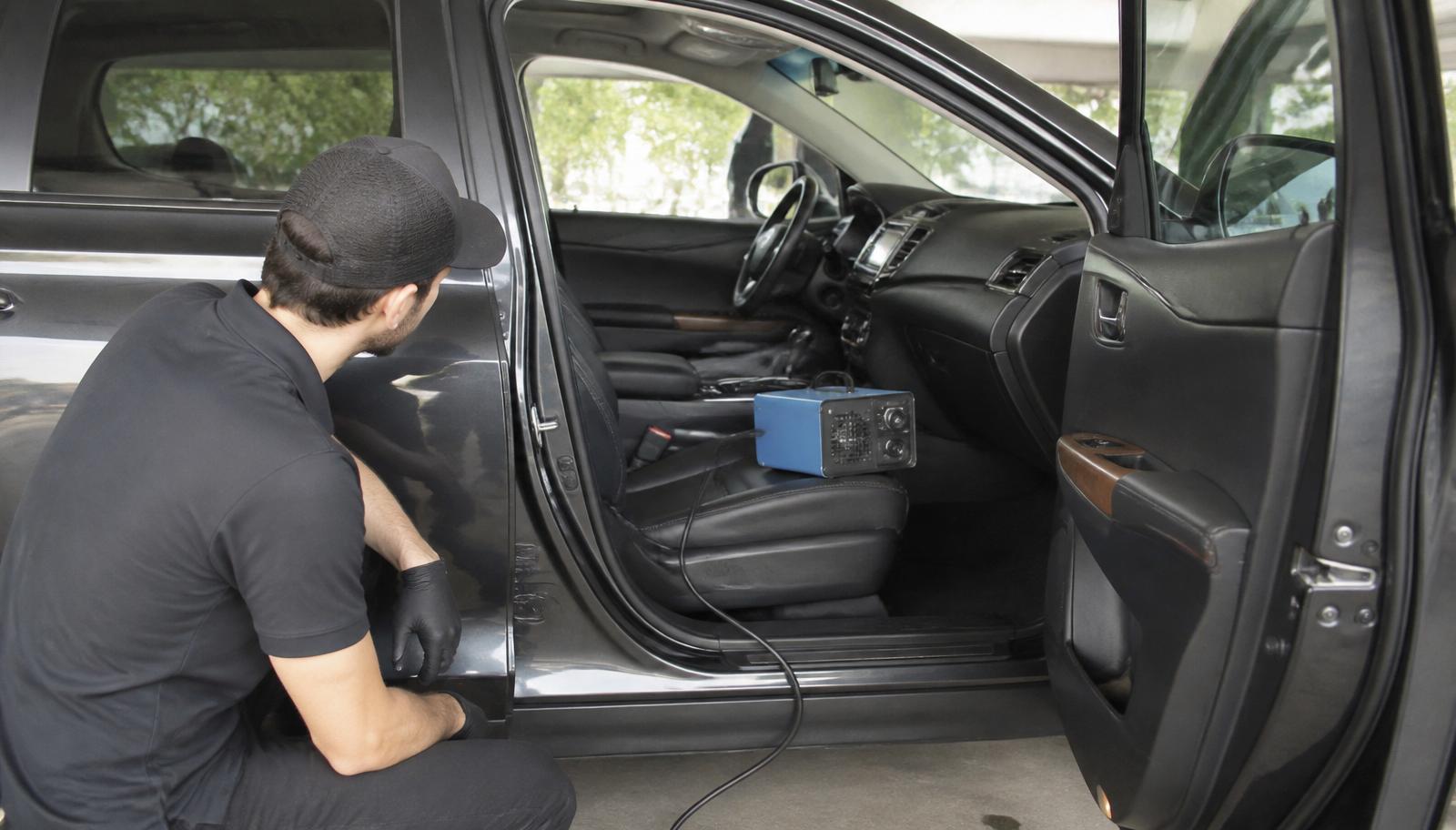
- Using ozone as a substitute for cleaning
Ozone or fogging treatments can have a place in some situations, but they should not be used as a first step or a replacement for physical cleaning. If contamination remains in the carpet, seat foam or headlining, the smell can return once the masking effect fades.
When Professional Interior Cleaning Is Worth It
You may be able to resolve a light smell from old food packaging or a damp floor mat at home. Remove the source, vacuum thoroughly, clean the surface carefully and dry the area in fresh air.
Professional help is usually worthwhile when:
- The smell returns after cleaning.
- Liquid has soaked into carpet or seat foam.
- Smoke smell is present throughout the cabin.
- There is visible mould or mildew.
- The vehicle has been stored damp.
- You are preparing the vehicle for sale.
Interior odour removal varies in cost depending on the source, vehicle size and level of contamination. As a guide in Auckland, a full interior-focused detail commonly sits within the wider $200–$600 detailing range, while severe contamination may require additional time and assessment. You can contact Carfē if you are unsure whether the issue needs inspection first.
Preventing Odours From Coming Back
Once the smell has been removed, prevention is mostly about moisture and residue control. Auckland rain, motorway grime and salt air can all contribute to damp mats and dirty carpets, especially in daily-driven vehicles.
Practical habits include:
- Remove wet towels, sports gear and food packaging quickly.
- Lift and dry floor mats after heavy rain.
- Clean spills immediately, before they reach the underlay.
- Replace the cabin filter when it is due.
- Keep leather, plastics and fabrics cleaned with suitable products.
- Avoid heavy fragranced dressings that build up over time.
If your vehicle still smells after basic cleaning, the source is likely deeper than the visible surface. Carfē can inspect and clean your interior at our Greenlane studio, with a process suited to the material and odour type. You can make an enquiry or arrange a booking through our booking page.
Frequently Asked Questions
How do I remove car interior smell permanently?
You need to remove the source, clean the affected material and dry the interior properly. If residue remains in carpet, foam or vents, the smell is likely to return.
Can smoke smell be removed from a car?
Smoke smell can often be reduced significantly with a full interior clean, glass cleaning and ventilation system treatment. Heavy or long-term smoke contamination may take more than one process.
Why does my car smell musty after rain?
Musty smells are usually linked to moisture in carpet, mats, boot lining or underlay. The area needs to be dried and cleaned, and any leak or blocked drain should be checked.
Do air fresheners remove bad car smells?
No. Air fresheners only mask odour and can add residue to interior surfaces. Proper cleaning is needed to remove the contamination causing the smell.
Is ozone treatment enough for car odour removal?
Ozone may help in some cases, but it should not replace cleaning. If the odour source remains in fabric, carpet or the HVAC system, the smell can return.
Give your vehicle a genuinely professional clean.
From express washes to full interior and exterior detailing, and every package delivered by trained detailers at our Greenlane studio.
Related Reading
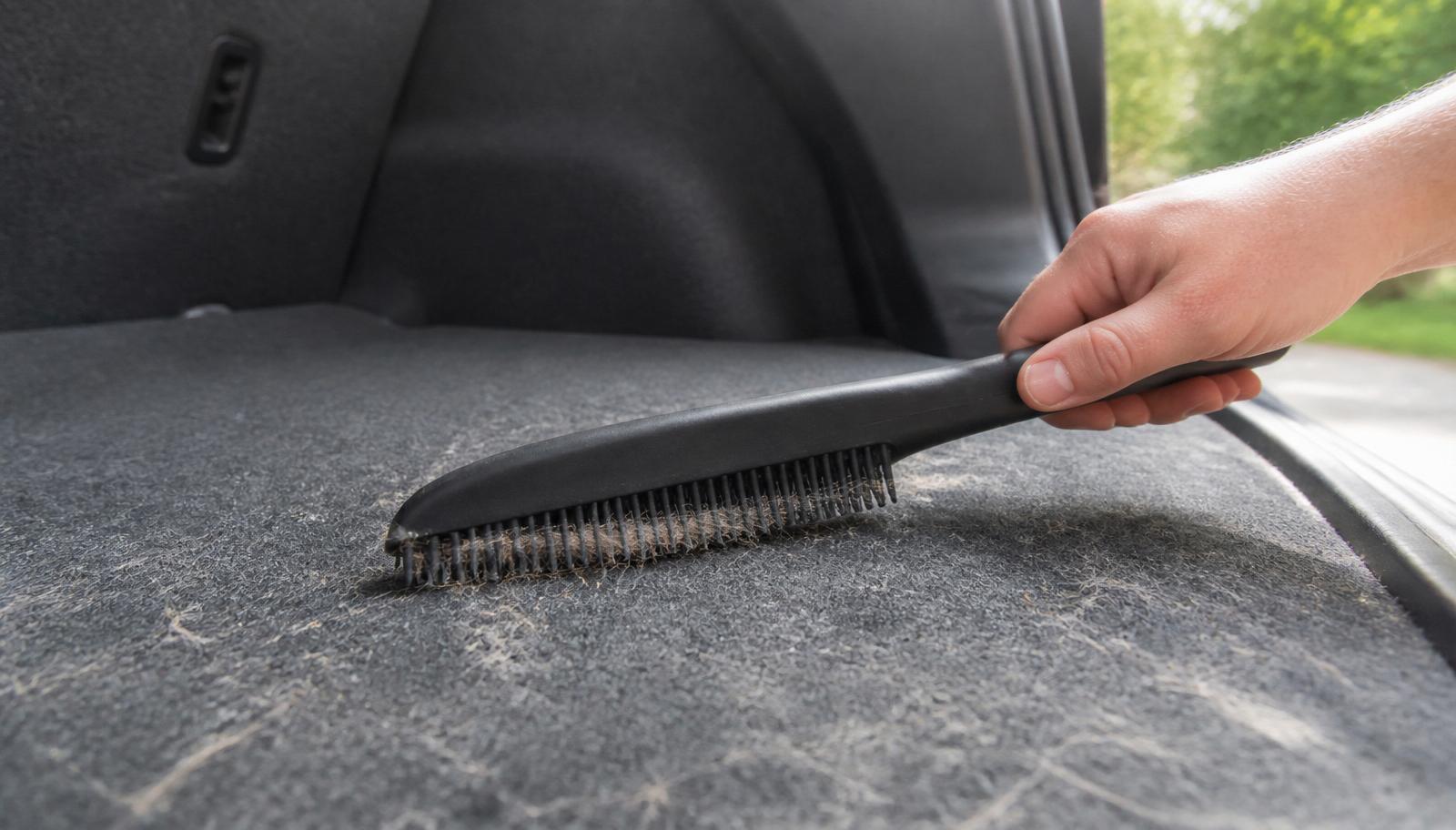
How to Remove Pet Hair From Your Vehicle.
Pet hair is difficult to remove because it grips fabric fibres and static-prone trim. This guide explains safe tools, surface-specific methods and when a professional interior detail is worthwhile.
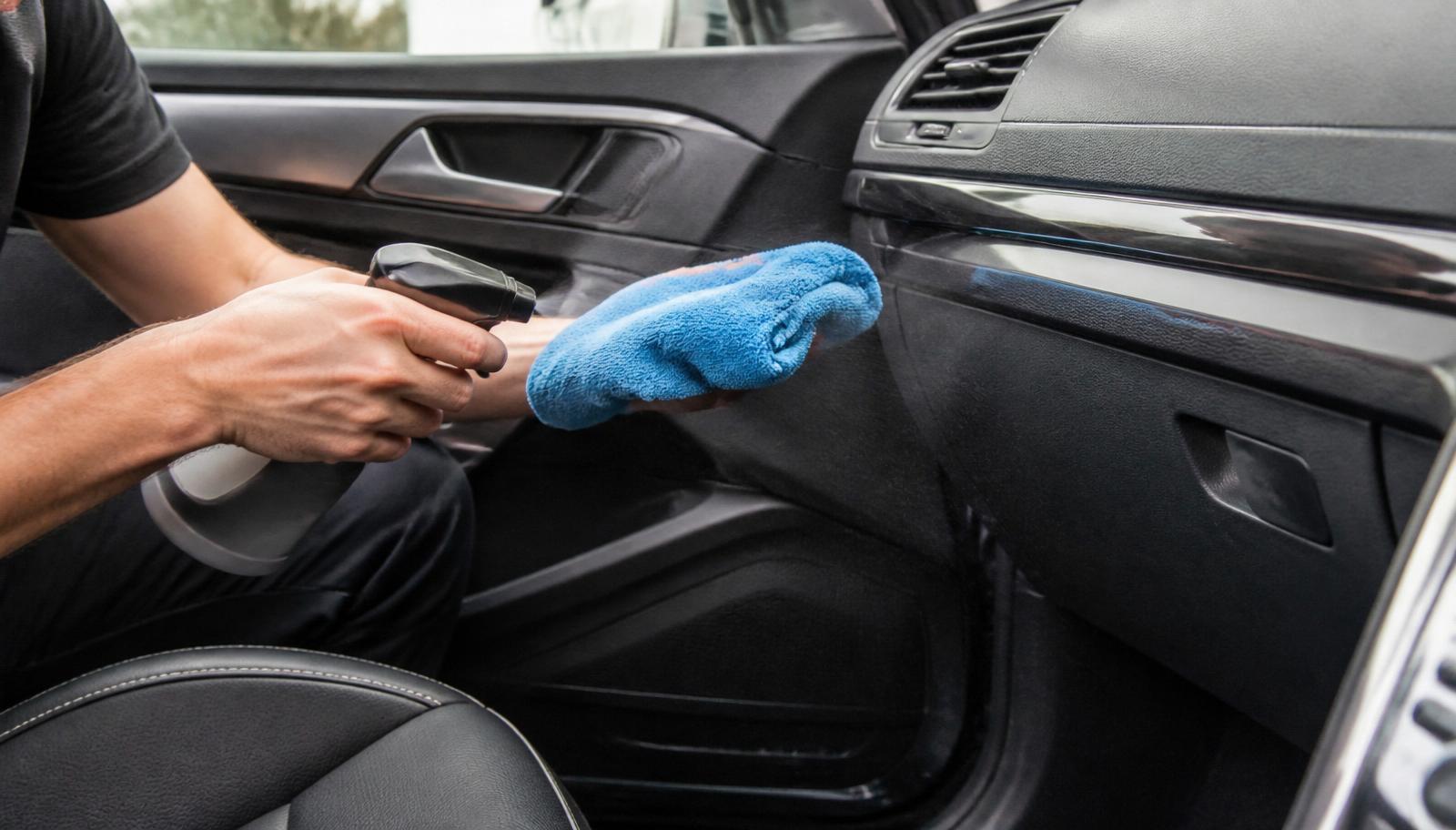
Interior Protection Tips for Everyday Drivers.
Car interior protection is about reducing wear before it becomes permanent. These tips help everyday drivers keep leather, fabric, plastics and carpets cleaner for longer.
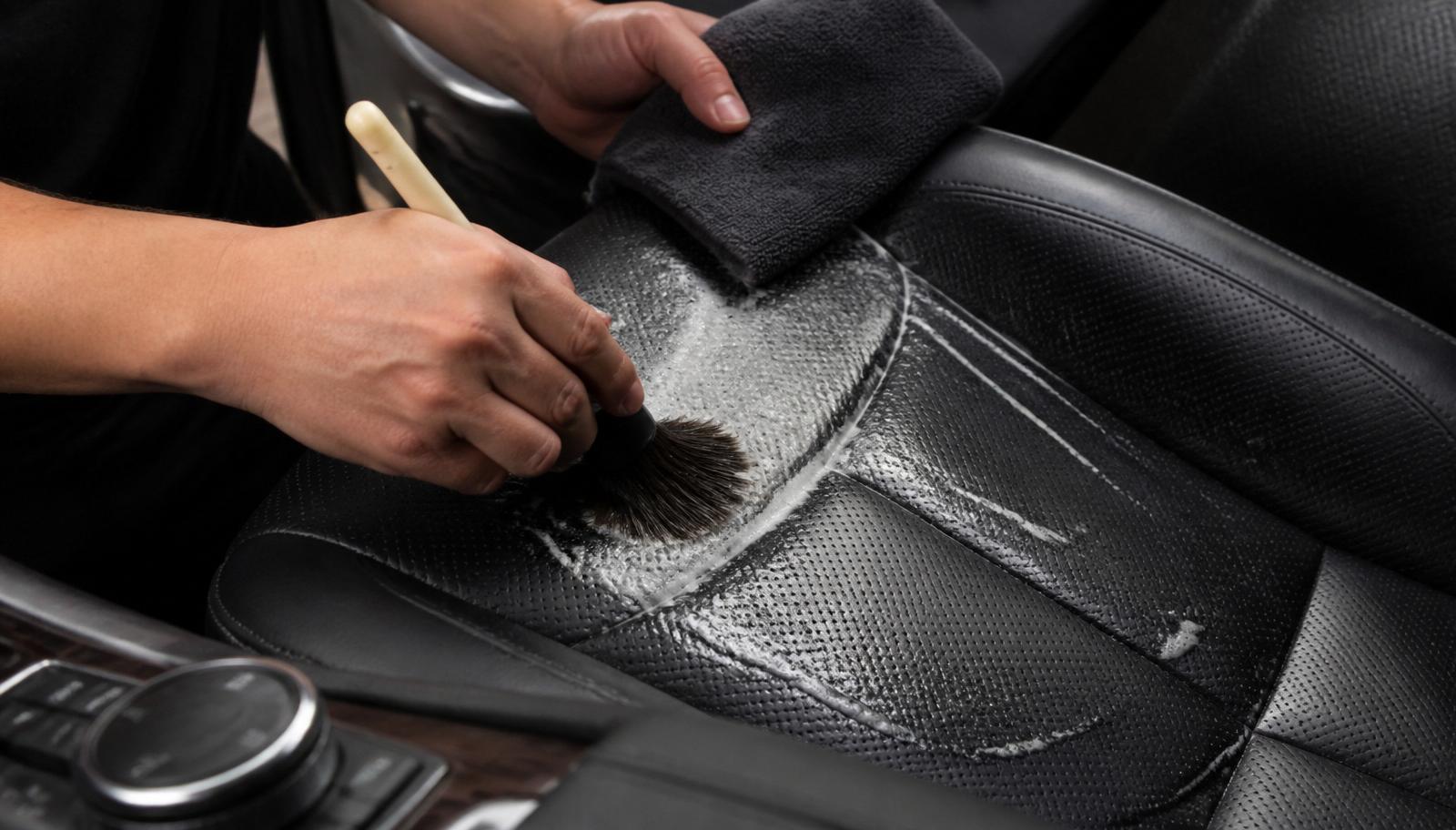
Caring for Leather Seats: A Complete Guide.
Leather seats need gentle, regular care to stay comfortable and presentable. This guide explains safe cleaning, protection, common mistakes and when to seek professional help.