Interior Protection Tips for Everyday Drivers.
Practical ways to protect your cabin from UV, spills, salt air and daily wear
- Protect high-touch areas before wear becomes permanent.
- Use material-safe products, not household cleaners.
- UV, moisture and grit are major Auckland interior risks.
- Fabric and leather need different protection methods.
- Professional preparation helps protection perform properly.
Why Interior Protection Matters
Your vehicle's interior is exposed to more wear than many drivers realise. UV through the glass, food and drink spills, sunscreen, body oils, damp shoes, pet hair and Auckland's stop-start motorway grime all affect the cabin over time. Even a well-kept vehicle can develop shiny leather, faded plastics, stained fabric and gritty carpets if the interior is only cleaned after problems appear.
Car interior protection is not about making the cabin difficult to use. It is about adding simple habits and suitable protective products so the materials can handle everyday driving. This is especially useful if you carry children, pets, sports gear, work equipment or passengers regularly.
A protected interior is also easier to maintain between professional cleans. Dirt releases more easily, spills have less time to soak in, and high-touch areas stay more consistent in colour and texture.
Protect High-Touch Surfaces First
The most important areas to protect are the surfaces you touch every drive. Steering wheels, gear selectors, armrests, seat bolsters, door pulls and centre consoles collect oils, sunscreen and hand sanitiser residue. These contaminants can slowly soften, discolour or polish the surface.
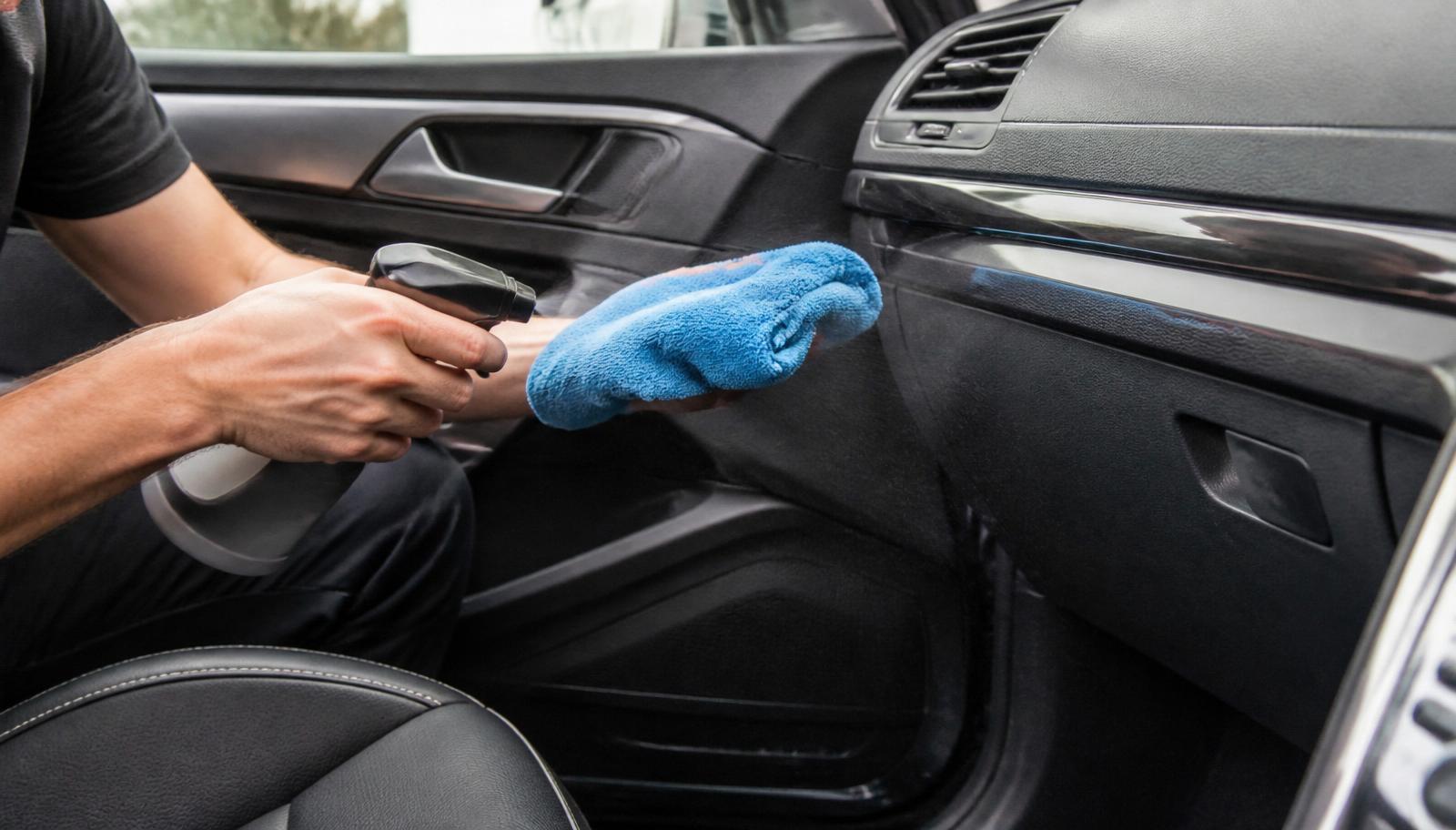
Use a mild interior cleaner rather than strong household products. Many household cleaners are too alkaline or too glossy for modern automotive materials. After cleaning, apply a suitable interior protectant that leaves a natural finish rather than a slippery coating.
| Interior Area | Common Risk | Practical Protection |
|---|---|---|
| Steering wheel | Oils and sunscreen | Clean gently and avoid greasy dressings |
| Leather bolsters | Abrasion from entry and exit | Keep clean and condition where appropriate |
| Fabric seats | Spills and staining | Use fabric protection and blot spills quickly |
| Carpets and mats | Mud, grit and moisture | Vacuum often and use quality mats |
| Dashboard and trims | UV fade and dust | Use UV-safe protectant with a low-sheen finish |
If you are unsure which materials are in your cabin, treat them conservatively. Many modern interiors use coated leather, synthetic leather, vinyl, piano black plastic, aluminium trim and soft-touch coatings in the same cabin.
Manage UV, Heat And Moisture
Auckland conditions can be hard on interiors. Strong UV, warm parked cabins, rain, humidity and salt air all contribute to gradual wear. Vehicles parked outside in Greenlane, the CBD or coastal suburbs often see more dashboard fade, dry leather edges and musty carpet odours than garaged vehicles.
Simple steps help reduce this:
- Use a windscreen sunshade when parked for long periods.
- Park in shade where practical, especially during summer.
- Dry wet mats and carpets promptly after heavy rain.
- Avoid leaving damp towels, sports gear or wet umbrellas in the cabin.
- Wipe sunscreen residue from touch points before it builds up.
Moisture is often overlooked. If carpets stay damp, odours can develop and contaminants can transfer into fabric fibres. Regular vacuuming also matters because grit acts like sandpaper under shoes and around seat rails.
For a deeper reset, a professional interior clean as part of vehicle detailing in Auckland can remove embedded grime before protection is applied.
Choose Protection By Material
Different surfaces need different protection. A single glossy dressing across the whole cabin can create glare, attract dust and make touch points unpleasant to use. The aim is a clean, factory-style finish.
Leather And Synthetic Leather
Most modern automotive leather is coated, so protection focuses on keeping the coating clean and flexible. Clean gently, then use a product suited to coated leather or interior vinyl. Avoid heavy conditioners unless the material specifically requires them.
Fabric And Carpet
Fabric protection helps slow liquid absorption and makes spills easier to blot. It does not make seats spill-proof, so prompt action still matters. Vacuum before protection is applied, otherwise dirt can become trapped beneath the treatment.
Plastics, Screens And Gloss Trims
Use soft microfibre towels and purpose-made cleaners. Piano black trims scratch easily, and infotainment screens can be damaged by aggressive chemicals. Apply interior protectants sparingly to dashboards and upper door trims to reduce UV impact without leaving glare.
If your vehicle has already developed stains, odours or shiny wear, it may need correction-style interior cleaning before protection. You can view suitable options through Carfē's detailing services.
Build A Simple Maintenance Routine
Interior protection lasts longer when your weekly habits support it. You do not need to deep clean constantly, but small actions prevent avoidable damage.
A practical routine for everyday drivers:
- Remove rubbish and damp items each day.
- Vacuum carpets, mats and seat seams every one to two weeks.
- Wipe high-touch areas with a safe interior cleaner monthly.
- Blot spills immediately with a clean towel - do not scrub aggressively.
- Refresh fabric, leather or trim protection when water no longer beads or cleaning becomes harder.
Keep a small microfibre towel in the vehicle for spills, but avoid leaving chemical bottles in a hot cabin. Heat can affect the product and create leakage risk.
Interior care should also match how you use the vehicle. A family SUV, work ute or daily commuter will need more frequent attention than a weekend car. If your vehicle is exposed to beach sand, dog hair or food spills, protection should be part of the maintenance plan rather than an afterthought.
When Professional Protection Makes Sense
Professional car interior protection is worthwhile when you want a properly cleaned surface and even application across mixed materials. It is especially useful for new vehicles, recently purchased used vehicles, light-coloured interiors and cabins that see heavy daily use.
At Carfē, the process starts with assessing the material condition, then cleaning the relevant surfaces before protection is applied. This preparation is important because protectants bond and perform better on clean, residue-free materials.
Professional interior care can also be combined with exterior protection or paintwork services if you are preparing a vehicle for long-term ownership. For related exterior care, you can read about ceramic coating in Auckland, although the products and surfaces are different.
If you want advice on the best approach for your cabin, Carfē can inspect your vehicle at our Greenlane studio and recommend a sensible interior protection plan. You can make an enquiry or arrange a visit through booking.
Frequently Asked Questions
What is car interior protection?
Car interior protection is the use of safe cleaning, protective coatings and maintenance habits to reduce staining, UV damage and wear. It can apply to fabric, leather, vinyl, plastics, carpets and trims.
Does interior protection stop all stains?
No. It helps slow absorption and makes spills easier to clean, but it does not make the cabin stain-proof. Prompt blotting and regular cleaning are still important.
How often should I clean my car interior?
For everyday drivers, vacuuming every one to two weeks and wiping high-touch surfaces monthly is a sensible baseline. Vehicles carrying children, pets or work gear may need more frequent care.
Can I use household cleaners inside my vehicle?
It is best to avoid them. Many household cleaners are too strong for automotive leather, plastics, screens and soft-touch coatings, and can cause gloss, fading or residue.
Is professional interior protection worth it for a new car?
Yes, especially if you plan to keep the vehicle or use it daily. Applying protection early helps preserve the original finish and makes routine cleaning easier.
Give your vehicle a genuinely professional clean.
From express washes to full interior and exterior detailing, and every package delivered by trained detailers at our Greenlane studio.
Related Reading
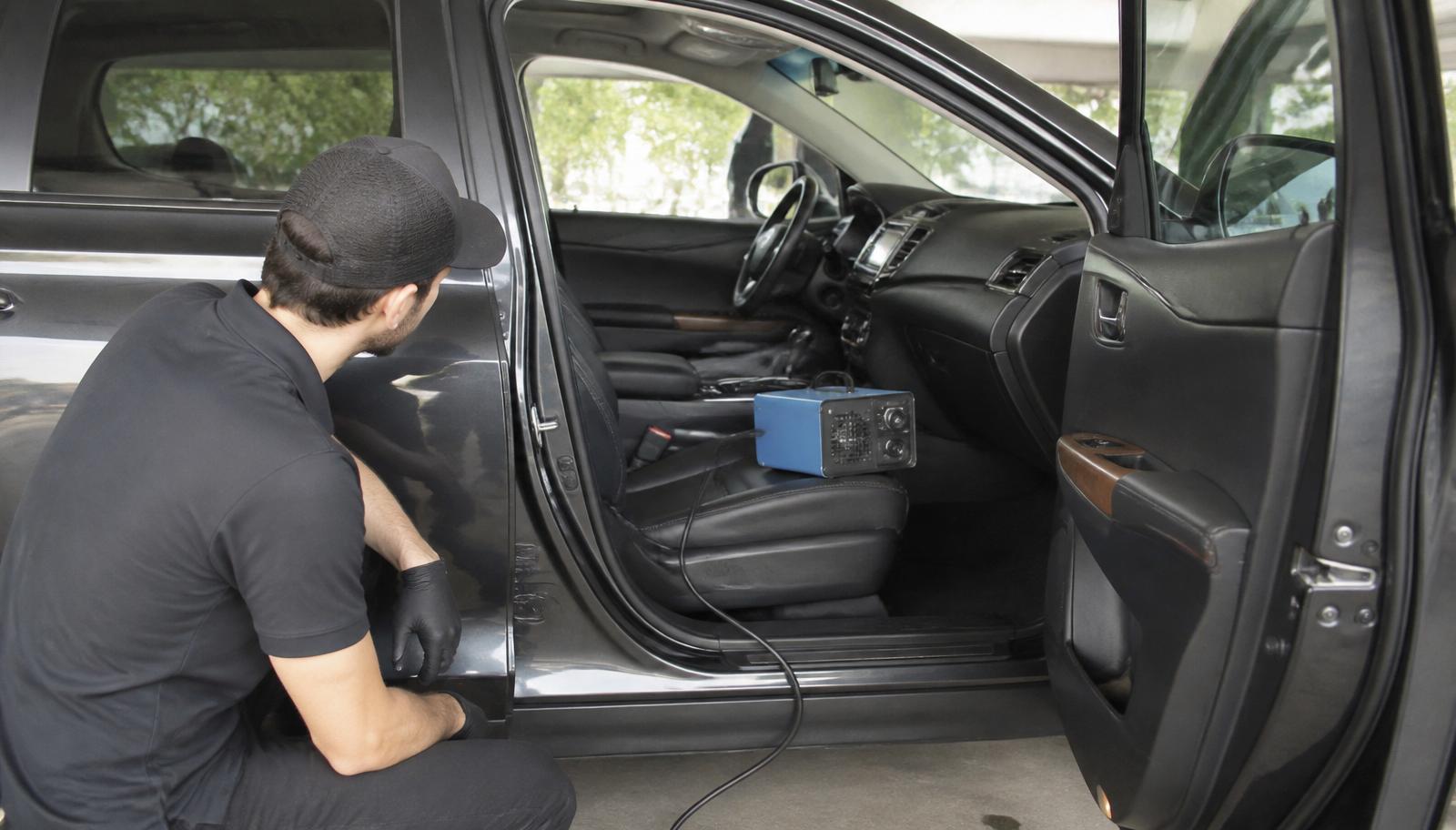
Eliminating Interior Odours: What Actually Works.
Most car odours return because the source has not been removed. This guide explains how to remove car interior smell safely, from spills and damp carpet to smoke and mildew.
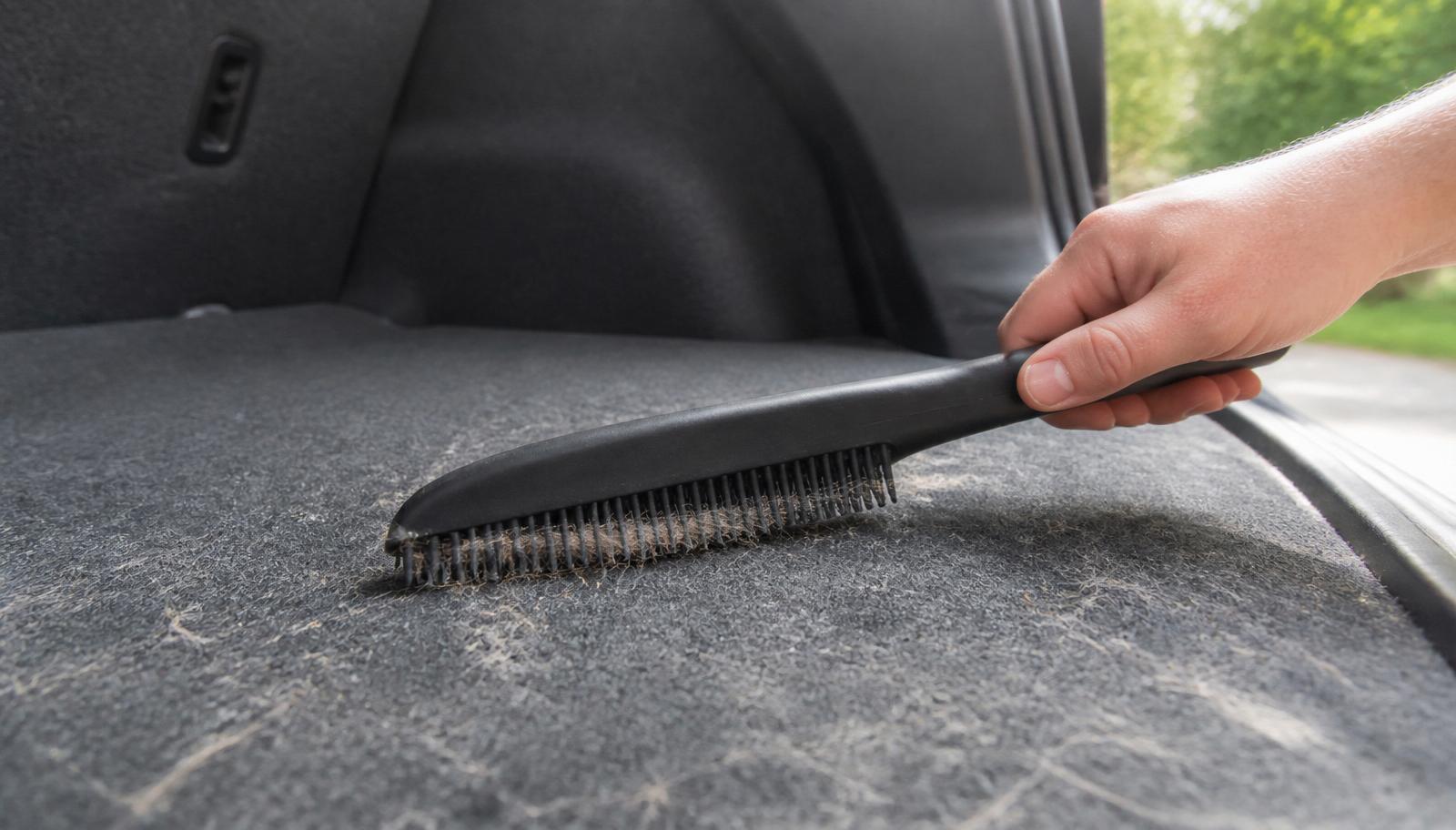
How to Remove Pet Hair From Your Vehicle.
Pet hair is difficult to remove because it grips fabric fibres and static-prone trim. This guide explains safe tools, surface-specific methods and when a professional interior detail is worthwhile.
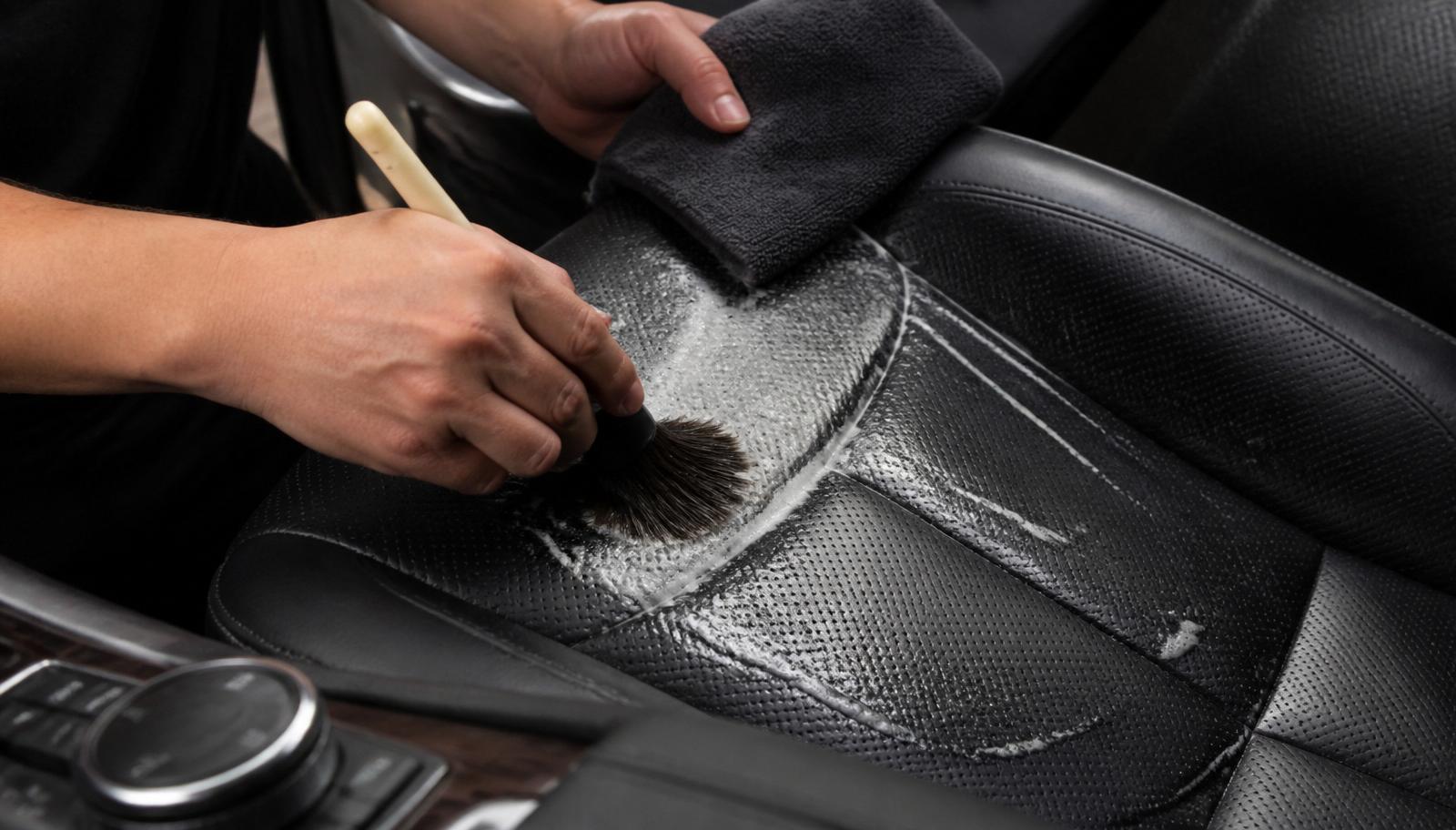
Caring for Leather Seats: A Complete Guide.
Leather seats need gentle, regular care to stay comfortable and presentable. This guide explains safe cleaning, protection, common mistakes and when to seek professional help.