Professional vs DIY Ceramic Coatings: What's the Real Difference?
A clear, practical comparison of retail ceramic coatings and professionally installed systems.
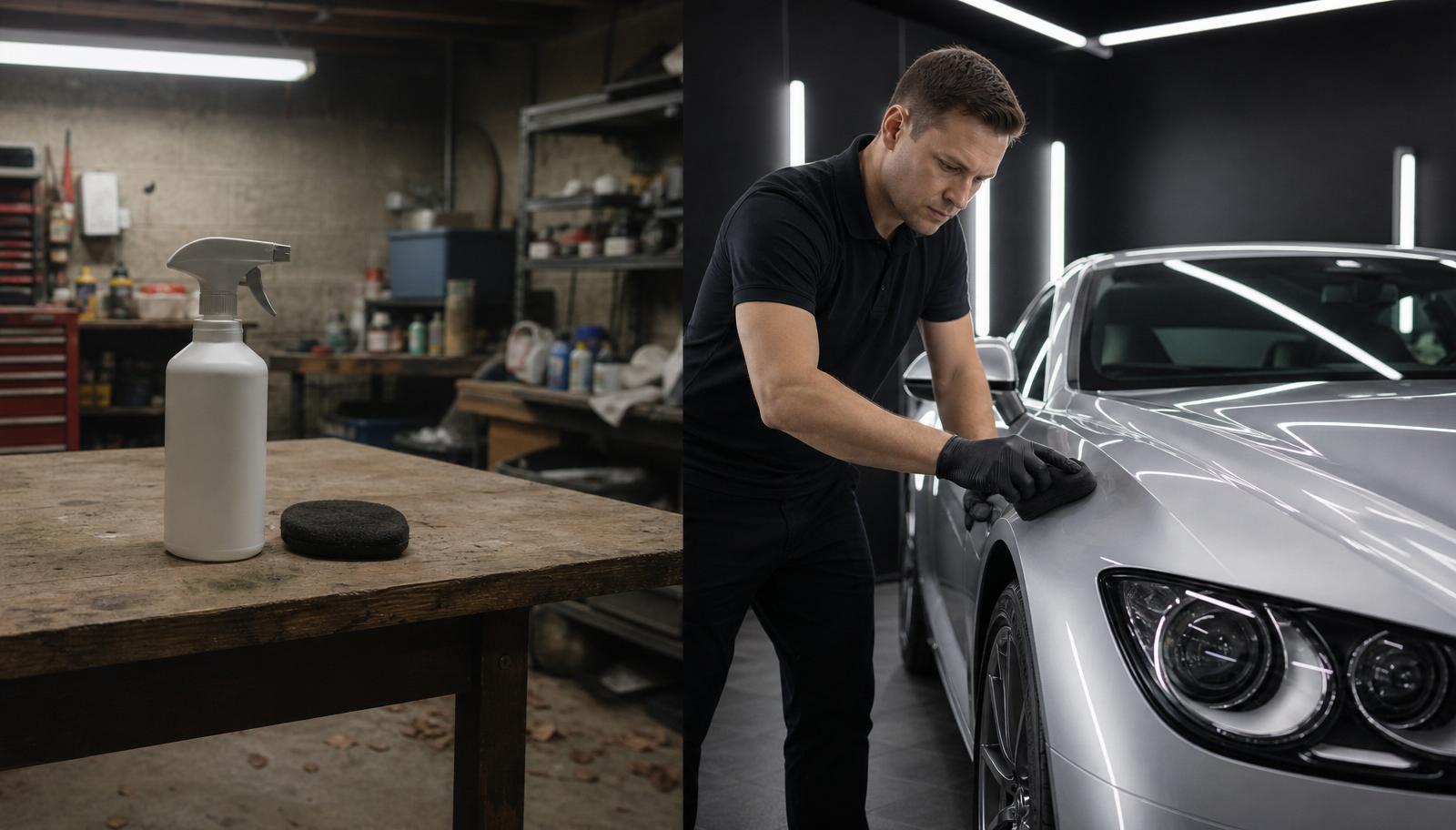
- Professional coatings outperform DIY mainly through preparation, chemistry and controlled installation.
- DIY ceramic coatings can still be useful for gloss, slickness and easier maintenance.
- Paint correction is critical because coating preserves the finish beneath it.
- Dust, humidity, temperature and lighting strongly affect coating quality.
- Installer accreditation and cure control support stronger warranty confidence.
Professional Vs DIY Ceramic Coating: The Real Difference
Professional vs DIY ceramic coating is not simply a choice between expensive and affordable protection. The real difference is how the coating bonds to the paint, how the surface is prepared, and whether the application is controlled from correction through to curing.
DIY coatings can improve gloss and water behaviour, but professional systems are built for stronger chemical resistance, longer durability and more consistent results in Auckland conditions.
What DIY Ceramic Coatings Can Do
A good retail coating or ceramic spray can be worthwhile when expectations are realistic. It can add slickness, improve wash maintenance and offer short to medium-term protection against road film, rain spotting and UV exposure.
DIY is best suited to:
- Well-maintained daily drivers
- Owners comfortable with careful preparation
- Shorter protection cycles
- Budget-conscious maintenance between professional services
The limitation is not always the product. It is usually surface preparation, working time, lighting and cure control.
Where Professional Coatings Pull Ahead
Professional coatings from brands such as GTECHNIQ and Ceramic Pro often use higher-solids chemistry, more advanced resin systems and layer-specific products for paint, glass, wheels and trim. They are designed to bond to properly corrected paint, not to mask defects.
At Carfē in Greenlane, coating work is paired with machine polishing using professional tools such as Rupes and preparation systems from Koch-Chemie and Autolabs. This matters because a ceramic coating locks in the finish beneath it.
| Factor | DIY ceramic coating | Professional ceramic coating |
|---|---|---|
| Paint correction | Optional, often skipped | Mandatory or strongly recommended |
| Chemistry | Lower-risk retail formula | Higher-performance installer-grade system |
| Application environment | Garage or driveway dependent | Controlled lighting, dust, humidity and temperature |
| Durability | Months to a few years | Multi-year performance when maintained |
| Warranty | Limited or product-only | Installer-backed system warranty where applicable |
Why The Install Environment Matters
Ceramic coatings are sensitive during application. Dust, humidity, temperature swings and uneven lighting can all affect levelling and bonding. In Auckland, humid weather and airborne contamination make driveway application especially variable.
Professional inspection lighting reveals haze, high spots, micro-marring and uneven coverage before the coating cures. Once a coating hardens, correcting mistakes usually means polishing it back off.
Cure Time, Accreditation And Warranty
Installer accreditation is not a badge for show. It means the coating brand trusts the studio to prepare, apply and cure the product to specification. Some professional coatings also require controlled covered cure time before the car is exposed to rain, washing or heavy contamination.
Warranty coverage depends on the coating, paint condition and maintenance routine. It is strongest when the vehicle is washed correctly and inspected periodically. For coating options, see our paint protection and wider detailing services.
The Carfē Standard
The Carfē standard is to recommend the right level of protection, not the most complicated one. If DIY is enough, we will say so. If your paint needs correction and long-term ceramic protection, book an assessment and we will inspect it properly before advising the next step.
Frequently Asked Questions
Is professional ceramic coating better than DIY?
Yes for durability, finish quality and consistency, provided the paint is correctly prepared and the coating is installed in controlled conditions.
Can a DIY ceramic coating last as long as a professional one?
Usually not. DIY coatings are generally easier and safer to apply, but they typically have shorter durability and less chemical resistance.
Do I need paint correction before ceramic coating?
For best results, yes. Ceramic coating locks in the surface beneath it, so swirls, haze and oxidation should be corrected first.
Why does humidity matter when applying ceramic coating?
Humidity affects flash time, levelling and cure behaviour. In Auckland conditions, uncontrolled humidity can increase the risk of streaking or high spots.
Are DIY ceramic coatings worth using?
Yes, if you want easier washing and short to medium-term protection. They are not a direct replacement for professional correction and installer-grade coatings.
Book a GTECHNIQ ceramic coating at Carfē Greenlane.
Multi-stage decontamination, machine correction and professional-grade coatings, installed under studio lighting by accredited technicians.
Related Reading
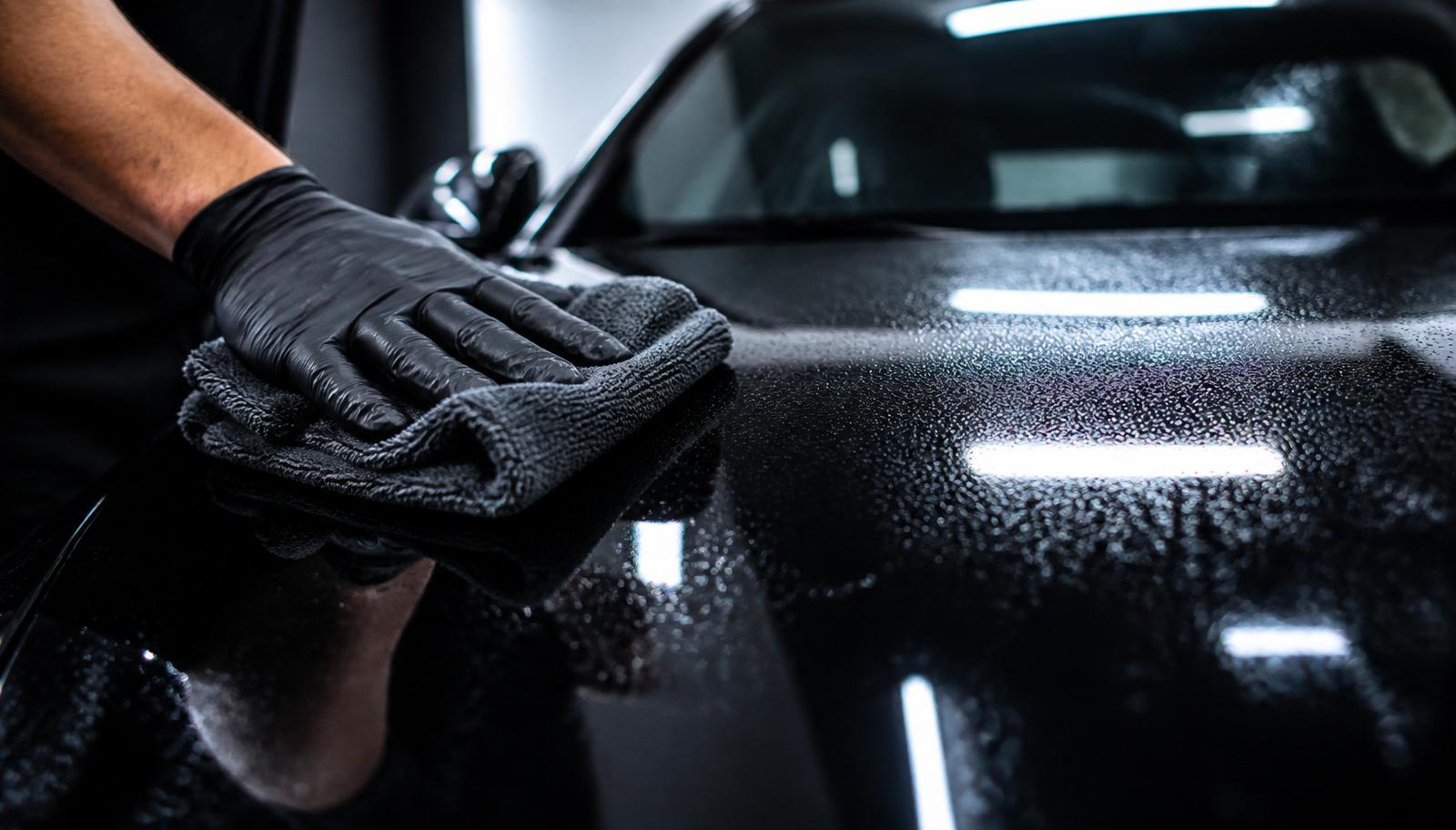
Why Preparation Is Critical Before Applying Ceramic Coating.
Ceramic coating preparation is the difference between a coating that bonds correctly and one that struggles from the start. Washing alone is not enough when paint has contamination, defects or polishing residue.
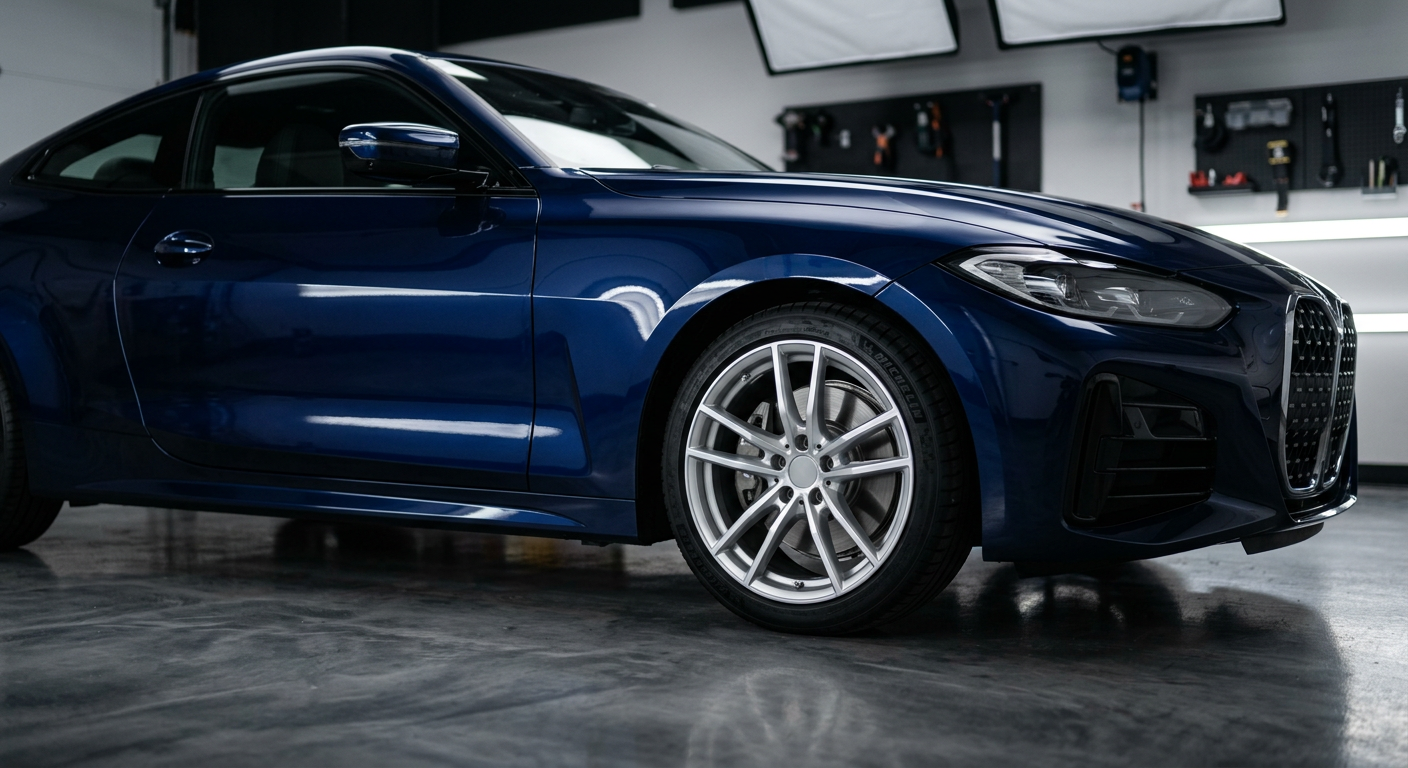
Does a New Car Need Ceramic Coating?
A new car can benefit from ceramic coating, but it is not always ready for coating straight from delivery. The finish should be inspected, decontaminated and refined first.
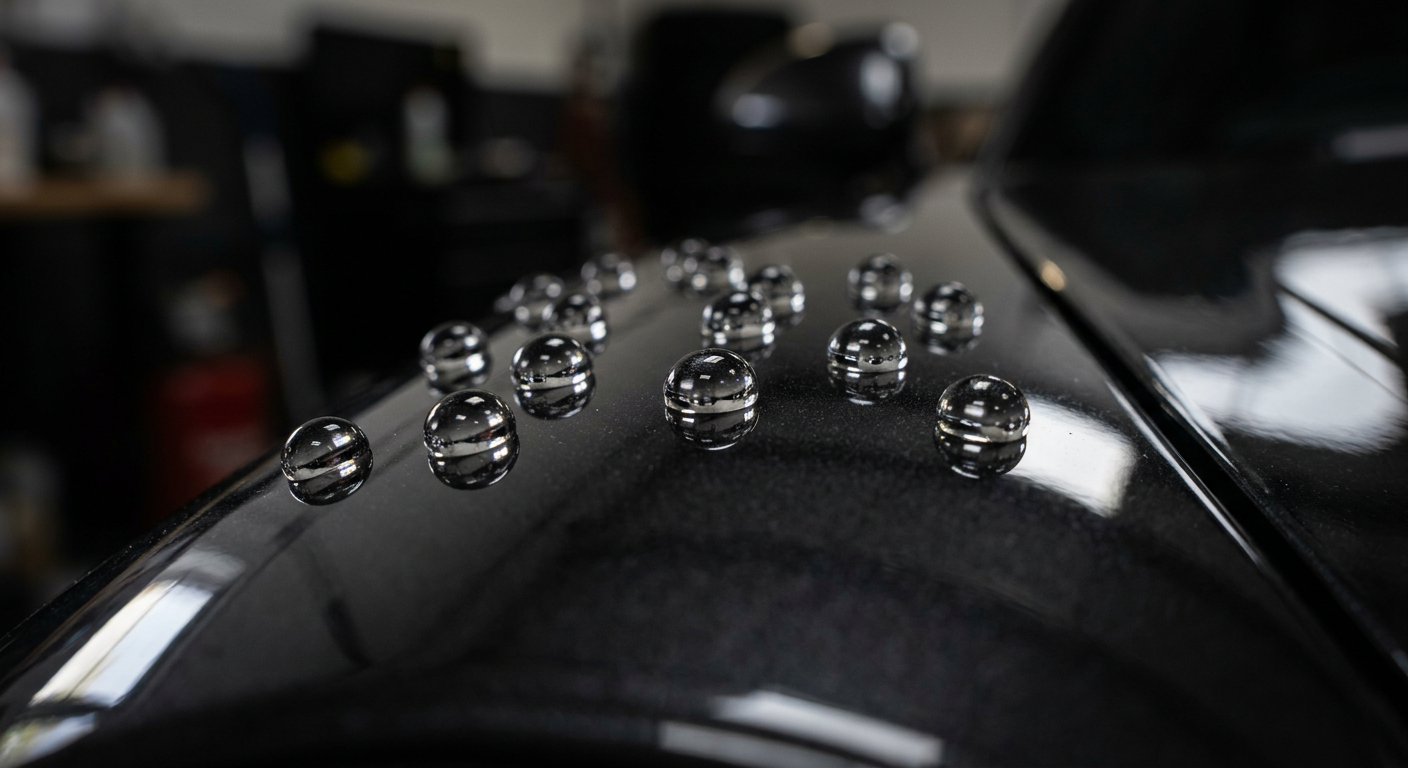
Can Ceramic Coating Prevent Scratches?
Ceramic coating does not prevent scratches in the way many people expect. It helps with chemical resistance, easier washing and reduced fine marring when maintained correctly.