How to Protect Your Paint Between Details.
Practical steps to reduce wash marks, contamination and UV wear between professional details
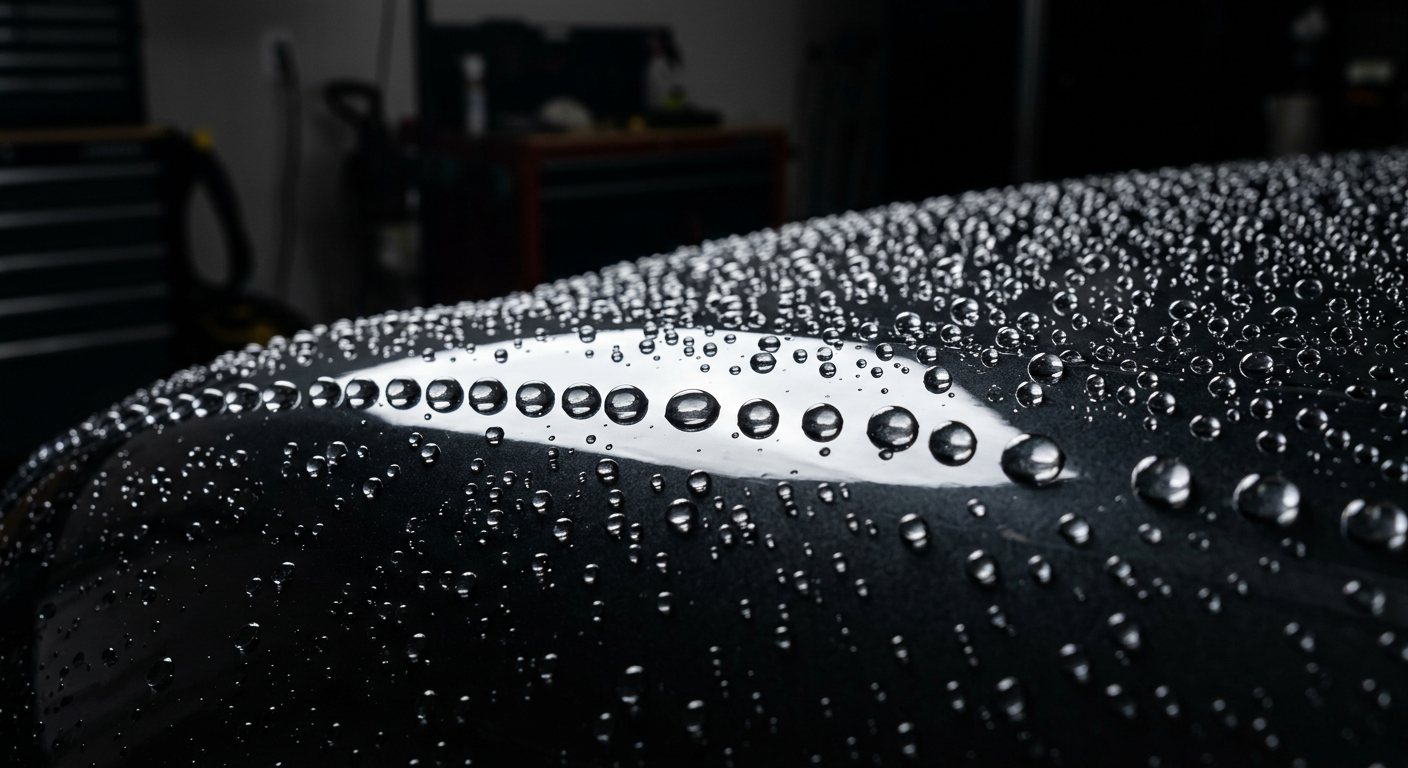
- Safe washing prevents most paint damage between details.
- Remove bird droppings and sap as soon as practical.
- Use clean microfibre towels and avoid dry wiping.
- Maintain protection with compatible products only.
- Book maintenance when paint feels rough or loses water behaviour.
Why Paint Needs Care Between Details
A professional detail resets your vehicle's exterior, but it does not remove the need for regular maintenance. Auckland paintwork is exposed to strong UV, salt air, motorway grime, tree sap, bird droppings, rain spotting and occasional hard water from washing. Left in place, these contaminants can dull the finish, mark clear coat and make the next detail more involved.
To protect paint between details, focus on reducing friction and removing contamination before it bonds. The goal is not to polish your vehicle at home. It is to keep the surface clean, reduce wash marks and preserve whatever protection is already on the paint, whether that is wax, sealant or a ceramic coating.
If your vehicle already has ceramic protection, correct care is still important. A coating makes cleaning easier and improves resistance to staining, but it can still become clogged with road film. For background on how coatings work, see what is ceramic coating.
Wash Safely And Consistently
Most paint damage between details comes from washing, not driving. Dry wiping, dirty sponges and automatic brush washes can create fine swirls that become obvious in sun. A safe wash method is slower, but it protects the finish.
Use a pH-neutral shampoo from a reputable car-care range, such as Ceramic Pro or Koch-Chemie, rather than household detergent. Dishwashing liquid can strip protective products and leave the surface feeling dry.
A simple safe wash routine is:
- Rinse thoroughly before touching the paint.
- Pre-wash with snow foam or citrus wash if the vehicle is heavily soiled.
- Use a clean wash mitt, not a sponge.
- Work from the top down, leaving lower panels and wheels until last.
- Rinse your mitt often in a separate bucket.
- Never wash in direct sun or on hot panels.
If your vehicle lives outside or travels on the motorway daily, washing every one to two weeks is usually more effective than waiting for visible grime to build up. The longer contamination remains on paint, the more pressure is needed to remove it.
Drying Matters More Than It Seems
Drying is where many vehicles pick up fine marks. A towel dragged over dusty or partially rinsed panels can mark the clear coat quickly. After washing, rinse carefully and dry with a large, clean microfibre drying towel.
Avoid chamois cloths, old bath towels and silicone water blades. They do not trap grit safely and can create straight-line marks. If you have access to filtered or deionised water, it can help reduce hard water spotting, especially during warmer Auckland months.
For coated vehicles, a light drying aid may be used if it is compatible with the coating. This reduces towel friction and can add short-term hydrophobic behaviour. Do not layer random spray products over a coating without checking compatibility, as some products can smear or attract dust.
Act Quickly On Contaminants
Some contaminants need attention straight away. Bird droppings, bug remains, tree sap and paint overspray can mark paint if left too long. Heat speeds this process, particularly on dark colours.
| Contaminant | Why It Matters | What To Do |
|---|---|---|
| Bird droppings | Can etch clear coat in warm weather | Soften with water or detail spray, then lift gently |
| Bug remains | Can stain front bumpers and mirrors | Remove after longer motorway drives |
| Tree sap | Hardens and becomes difficult to dissolve | Avoid picking at it dry, use a suitable remover |
| Water spots | Minerals can bond to paint and glass | Dry after washing and avoid sprinklers |
| Brake dust | Can embed in lower panels and wheels | Clean wheels regularly with dedicated products |
Keep a small maintenance kit in your garage: pH-neutral shampoo, microfibre towels, wheel cleaner, bug remover and a safe quick detailer. Use spot cleaning only when the area is lightly contaminated. If the panel is dusty, rinse first.
Maintain Protection, Do Not Overwork The Paint
Paint protection wears down over time. Wax and sealants generally need more frequent topping up than ceramic coatings, while coatings need periodic decontamination to keep performing well. If water no longer sheets or beads as it used to, the surface may be contaminated rather than unprotected.
A sensible maintenance rhythm looks like this:
- Weekly or fortnightly: Safe wash, wheel clean and careful drying.
- Monthly: Inspect for tar, sap, water spotting and lower-panel grime.
- Every few months: Use an appropriate topper or maintenance spray if suitable.
- Before summer: Check UV-exposed panels such as bonnet, roof and boot lid.
- Before a professional detail: Avoid aggressive home polishing or clay unless you know the condition of the paint.
Claying can remove bonded contamination, but it can also mark the paint if used too often or without enough lubrication. Polishing by hand or machine removes a small amount of clear coat, so it should be done with intent, not as routine maintenance. If your paint has visible swirls, oxidation or water etching, professional paint correction may be more appropriate than adding more product over the top.
Know When To Book A Maintenance Detail
Even careful owners benefit from periodic professional maintenance. A maintenance detail can safely remove road film, clean wheels and arches properly, decontaminate paint and refresh protection without unnecessary polishing. This is particularly useful if your vehicle is parked near trees, driven daily in rain, or exposed to salt air around coastal Auckland.
You should consider a maintenance detail when:
- The paint feels rough after washing.
- Water behaviour has noticeably changed.
- Drying towels start dragging across the surface.
- There are visible tar spots or iron fallout.
- The vehicle looks clean but lacks clarity.
Regular maintenance also helps reduce the cost and intensity of future correction work. For a broader view of exterior and interior upkeep, see vehicle detailing in Auckland.
If you would like a maintenance plan suited to your paint, coating and parking conditions, Carfē can assess your vehicle at our Greenlane studio and recommend an appropriate next step. You can book a visit for advice before minor contamination becomes permanent marking.
Frequently Asked Questions
How often should I wash my car between details?
For most Auckland daily drivers, every one to two weeks is sensible. Vehicles parked outside, near trees or driven on motorways may need more frequent washing.
Can I use a quick detailer instead of washing?
Only use a quick detailer on very light dust or fresh fingerprints. If the paint has road grime, pollen or grit on it, rinse and wash properly first.
Will ceramic coating stop my paint from getting dirty?
No. Ceramic coating helps dirt release more easily and improves resistance to staining, but it still needs safe washing and periodic maintenance.
Is it safe to clay my vehicle at home?
Clay can remove bonded contamination, but it can also create marring if used incorrectly. If the paint is dark, soft or already swirled, professional assessment is safer.
What should I do if bird droppings have already marked the paint?
Do not scrub the area. Wash gently and have the mark assessed, as light etching may require polishing rather than more pressure or chemical cleaning.
Give your vehicle a genuinely professional clean.
From express washes to full interior and exterior detailing, and every package delivered by trained detailers at our Greenlane studio.