How to Keep Your Car Looking New.
Practical detailing habits that protect your paint, trim, glass and interior between professional visits
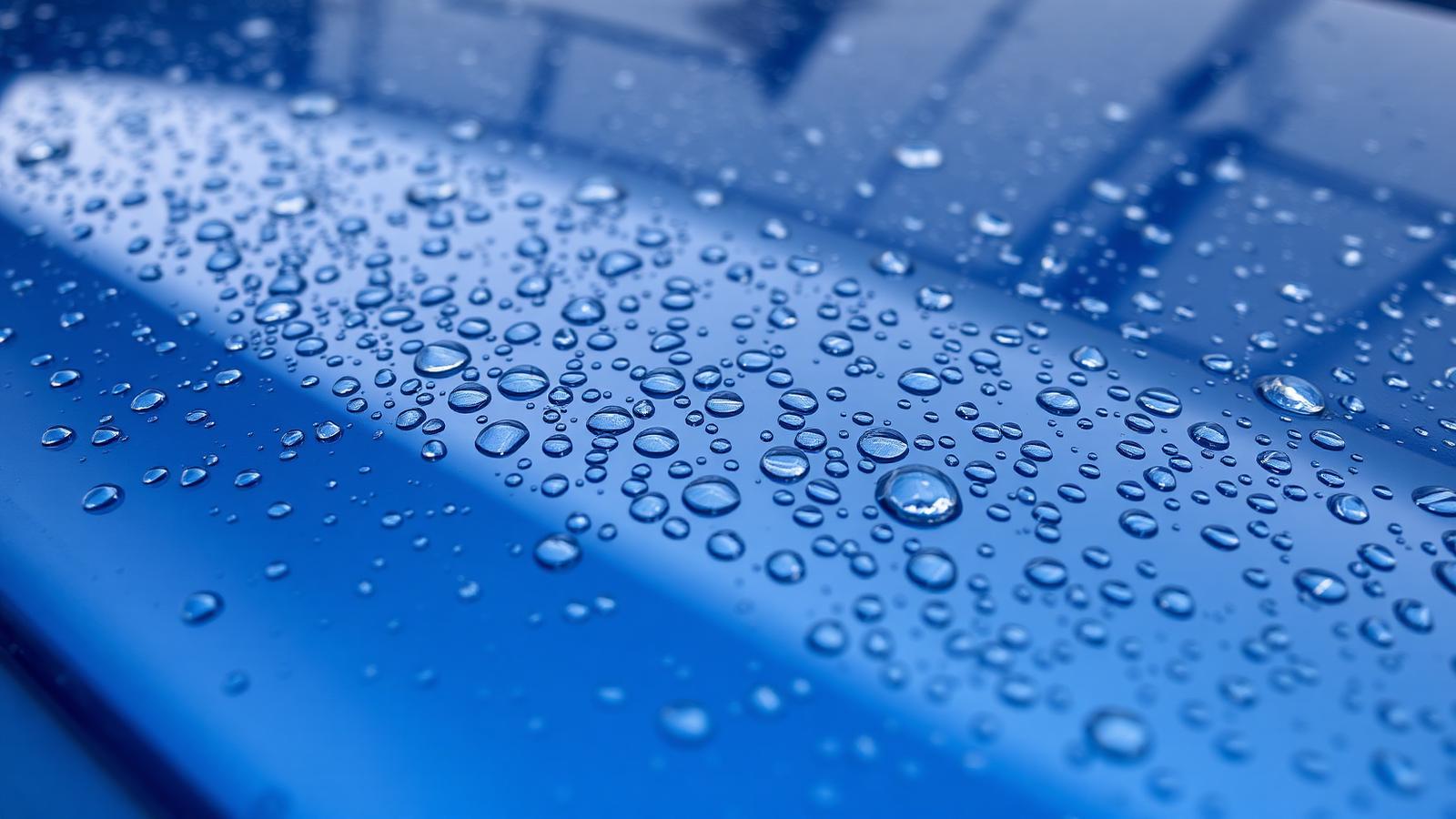
- Safe washing prevents most visible paint marring.
- Paint protection helps resist Auckland grime and UV.
- Interior care is essential to a new-car feel.
- Contamination should be removed before it stains.
- Professional detailing can reset and protect the finish.
Why New-Looking Cars Stay New-Looking
To keep car looking new, you need a routine that prevents wear rather than trying to reverse it later. Most visible ageing comes from small, repeated damage: wash marring, UV exposure, bird droppings, brake dust, salt air, motorway grime and moisture left to dry on the surface.
Auckland vehicles face a particular mix of conditions. Rain can carry contaminants across the paint, summer UV can fade unprotected trim, and coastal air can accelerate staining on wheels and lower panels. If your vehicle is parked outdoors in Greenlane, Newmarket, Epsom or nearby suburbs, the finish is constantly exposed even when it is not being driven.
The aim is not to make car care complicated. It is to use the right process consistently, so your paint, glass, wheels and interior all age more slowly.
Build A Safe Washing Routine
Washing is where many vehicles lose their clarity. A quick sponge wash can drag dirt across the paint and create fine swirl marks, especially on darker colours. A safer wash routine reduces friction and keeps contaminants from being rubbed back into the surface.
A practical maintenance wash should include:
- Rinse thoroughly before touching the paint.
- Use a quality pH-neutral shampoo, not household detergent.
- Wash from the top down, leaving lower panels until last.
- Use separate tools for wheels and paint.
- Dry with a clean microfibre drying towel rather than letting hard water air-dry.
If your vehicle has accumulated heavy grime, tar or embedded fallout, a normal wash may not be enough. A professional decontamination as part of vehicle detailing in Auckland can reset the surface before protection is applied.
| Area | Common Issue | Better Habit |
|---|---|---|
| Paint | Swirl marks from dirty wash tools | Use clean microfibre mitts and proper pre-rinsing |
| Wheels | Brake dust staining | Clean regularly with wheel-safe products |
| Glass | Water spotting and film | Dry after washing and clean inside surfaces |
| Interior | Dust, oils and UV exposure | Vacuum often and protect high-touch areas |
| Trim | Fading and chalking | Keep clean and use suitable trim protection |
Protect Paint Before It Deteriorates
Clean paint still needs protection. Wax, sealants and ceramic coatings all create a sacrificial layer between the finish and Auckland conditions. The right choice depends on how the vehicle is used, stored and maintained.
Wax can improve gloss and water behaviour for a short period, but it needs frequent reapplication. Modern sealants last longer and suit vehicles that are maintained regularly. Ceramic coatings provide stronger chemical resistance and easier cleaning when properly installed and cared for.
For many owners, ceramic coating is the most effective way to keep a vehicle looking newer for longer. It does not make paint immune to scratches or neglect, but it helps reduce staining, makes washing easier and maintains gloss with less effort. You can read more in our guide to what ceramic coating is.
Paint protection is most effective when the surface is prepared correctly. If the paint already has swirl marks, oxidation or water spotting, protection will lock in what is there. In that case, paint correction before ceramic coating is usually the better sequence.
Maintain The Interior As Carefully As The Exterior
A car can look clean from the outside and still feel tired inside. Interior ageing often comes from UV, body oils, food residue, dust and moisture. Steering wheels, armrests, seat bolsters and touchscreens are usually the first areas to show wear.
Vacuuming regularly prevents grit from working into carpet and seat fibres. Wipe down high-touch surfaces with a suitable interior cleaner rather than strong household products. For leather and leather-appointed surfaces, gentle cleaning is more important than heavy conditioning. For fabric, early stain removal makes a significant difference.
Interior Habits That Help
- Keep a small microfibre cloth in the vehicle for dust and fingerprints.
- Remove rubbish and damp items promptly.
- Use sunshades when parking outdoors for long periods.
- Clean spills early, before they set into fibres or seams.
- Avoid glossy dressings on controls, pedals or steering wheels.
A professional interior detail can also address areas that are difficult to clean properly at home, including seat rails, vents, carpets, boot trims and textured plastics.
Deal With Contamination Quickly
Some contamination should not wait until the next scheduled wash. Bird droppings, tree sap, bug splatter and mineral-rich water spots can mark paint if they sit for too long, particularly in warm sunlight. The longer they remain, the more likely they are to etch or stain.
Keep a safe quick-detailing spray and clean microfibre towel available for small incidents. Soften the contamination first rather than scrubbing. If the mark remains after gentle cleaning, it may need professional assessment rather than repeated rubbing.
Wheels also benefit from regular attention. Brake dust can be corrosive, and performance brake compounds may bond firmly to wheel finishes. Cleaning wheels every one to two weeks is usually easier than restoring neglected wheels later.
Know When Professional Detailing Is Worth It
Home maintenance is important, but it cannot replace every stage of professional detailing. A full detail typically suits vehicles that need a proper reset, while paint correction is needed when the finish has visible swirls, haze or dullness. In Auckland, realistic pricing often ranges from around $200–$600 for a full detail, $600–$1800 for paint correction, and $900–$3500 for ceramic coating depending on vehicle size, condition and coating choice.
Professional work is most useful when:
- You have bought a new or near-new vehicle and want to protect it early.
- Your paint has lost gloss despite regular washing.
- You are preparing the vehicle for sale.
- You want easier maintenance between washes.
- You need safe correction rather than aggressive polishing.
Products from established detailing systems such as GTECHNIQ, Ceramic Pro, Koch-Chemie and Rupes can be valuable when used correctly, but process matters as much as product choice. Preparation, lighting, machine technique and curing conditions all affect the final result.
Keeping your vehicle looking new is a combination of careful washing, timely protection and knowing when to reset the finish professionally. If you would like tailored advice, Carfē can assess your vehicle at our Greenlane studio and recommend an appropriate detailing or protection plan through our services.
Frequently Asked Questions
How often should I wash my car to keep it looking new?
For most Auckland vehicles, every one to two weeks is a sensible interval. Wash sooner if the vehicle has bird droppings, sap, heavy road grime or salt exposure.
Does ceramic coating keep car looking new by itself?
Ceramic coating helps maintain gloss and makes cleaning easier, but it still needs safe washing and maintenance. It is protection, not a replacement for care.
What causes swirl marks on car paint?
Swirl marks are usually caused by dragging dirt across the paint during washing or drying. Dirty sponges, automatic brushes and poor towel technique are common causes.
Should I polish my car regularly?
Polishing should only be done when needed because it removes a small amount of clear coat. Regular safe washing and protection are better for long-term paint health.
Is professional detailing worth it for a new car?
Yes, especially if you want to protect the finish early and reduce maintenance effort. New cars can still have light defects or contamination that should be addressed before protection.
Give your vehicle a genuinely professional clean.
From express washes to full interior and exterior detailing, and every package delivered by trained detailers at our Greenlane studio.
Related Reading
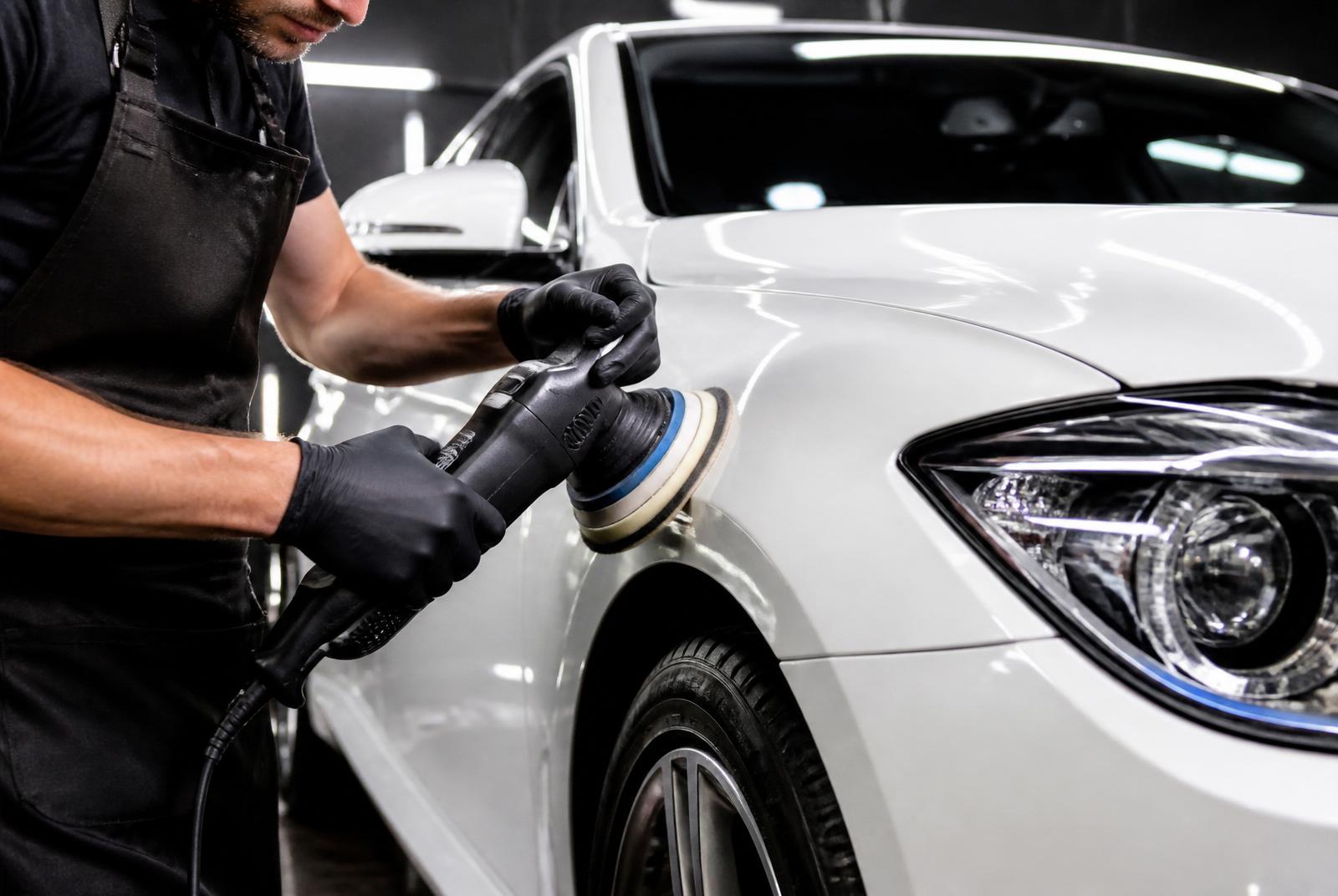
Car Grooming Auckland: What to Expect From a Professional Service.
Professional car grooming in Auckland should be systematic, safe for modern finishes, and matched to how you use your vehicle. This guide explains the typical process, options, timeframes and pricing.
How to Prepare Your Car for a Professional Detail.
Preparing your car for detailing does not mean cleaning it fully beforehand. A few practical steps help your detailer inspect, clean and protect your vehicle properly.
Common Car Detailing Myths, Debunked.
Car detailing myths can lead to poor washing habits, wasted money and avoidable paint damage. This guide explains what is true, what is not, and how to care for your vehicle in Auckland conditions.