How Often Should You Detail Your Vehicle?
A practical guide to detailing intervals for Auckland driving conditions

- Most daily drivers suit detailing every 3–6 months.
- Outdoor parking usually shortens the detailing interval.
- A full detail is more thorough than a maintenance wash.
- Ceramic coated vehicles still need regular maintenance.
- Auckland salt air and motorway grime increase contamination.
The Short Answer
If you are wondering how often to detail car surfaces, the answer depends on how the vehicle is used. For most Auckland drivers, a proper exterior and interior detail every 3–6 months is a sensible baseline, supported by safe washing between appointments.
Vehicles that live outside, commute daily on the motorway, carry children or pets, or spend time near the coast usually need attention more often. A garaged weekend vehicle may need less frequent detailing, but it still benefits from periodic decontamination and protection.
Detailing is not only about appearance. It helps remove bonded grime, brake dust, water spotting, sunscreen residue, food spills and contaminants that normal washing can leave behind.
Detail Frequency By Vehicle Use
The table below gives a practical starting point. Your vehicle may sit between categories, especially if it is exposed to salt air, hard water, tree sap or heavy motorway grime.
| Vehicle Use | Suggested Detail Interval | Notes |
|---|---|---|
| Daily commuter parked outside | Every 3–4 months | More frequent care helps manage UV, rain marks and traffic film |
| Garaged daily driver | Every 4–6 months | Protection usually lasts longer when exposure is reduced |
| Family vehicle | Every 3–4 months | Interior wear, spills and dust build up quickly |
| Coastal or marina area vehicle | Every 2–4 months | Salt air can accelerate contamination on paint, glass and wheels |
| Weekend or low-use vehicle | Every 6–12 months | Still benefits from careful washing and protection checks |
| Work ute or trade vehicle | Every 2–3 months | Mud, dust and embedded grime often require deeper cleaning |
A maintenance wash may be enough between larger details, provided it is done safely. A full detail is more thorough and usually includes deeper exterior cleaning, interior cleaning, decontamination and protection. If the paint has visible swirls, haze or water spotting, paint correction may be needed before protection is applied.
What Counts As A Detail?
Detailing can mean different things, so frequency should match the level of work being done. A basic wash is not the same as a full detail, and neither is the same as paint correction.
A practical care cycle often includes:
- Safe maintenance wash - removes loose dirt without adding unnecessary wash marks.
- Interior refresh - vacuuming, dust removal, glass cleaning and surface wipe-downs.
- Full exterior detail - deeper cleaning of paint, wheels, tyres, trims and glass.
- Chemical and physical decontamination - removes bonded fallout, tar and road film.
- Protection top-up - wax, sealant or ceramic maintenance depending on the vehicle.
- Paint correction when required - machine polishing to reduce defects before long-term protection.
If your vehicle has a ceramic coating, the routine changes. You should still wash and maintain it, but the aim is to preserve the coating rather than repeatedly polish the paint. For more context, see our guide on what ceramic coating is.
Signs Your Vehicle Is Due For Detailing
Time is a useful guide, but condition matters more. Your vehicle may be due sooner if you notice any of the following:
- Water no longer sheets or beads consistently after washing.
- The paint feels rough to the touch, even when clean.
- Brake dust is becoming difficult to remove from wheels.
- Interior plastics, leather or fabric feel sticky or dusty.
- Glass has water spotting, film or reduced clarity in rain.
- Bird droppings, sap or bug residue have sat on the paint.
- The vehicle looks dull even after a careful wash.
Auckland’s conditions can make these signs appear quickly. Short trips, humid weather and frequent rain can leave mineral spotting and grime behind. Motorway driving adds traffic film and tar, especially around the lower doors, rear bumper and wheels.
Auckland Conditions That Affect Frequency
In Greenlane and across central Auckland, vehicles often deal with a mix of UV exposure, stop-start traffic, construction dust, rain and hard water. None of these are unusual on their own, but together they can shorten the time between details.
Outdoor Parking
Vehicles parked outside collect pollen, dust, bird droppings and moisture. UV exposure can also dry out exterior trim and accelerate fading on unprotected surfaces.
Coastal Air
Salt air is common across much of Auckland. It can settle on paint, glass, wheels and metal trims, particularly if the vehicle is not washed regularly.
Motorway Grime
Daily motorway use leaves a fine film of oil, rubber, brake dust and road contaminants. This is one reason a vehicle can still look flat or grey after a quick wash.
A quality protection product, whether a sealant or ceramic coating from brands such as GTECHNIQ or Ceramic Pro, can make cleaning easier. It does not remove the need for maintenance, but it can reduce how strongly grime bonds to the surface.
A Practical Detailing Routine
For most owners, the best approach is simple and consistent rather than excessive. A sensible routine might look like this:
- Wash every 2–4 weeks, depending on use and weather.
- Book a maintenance detail every 3–4 months for daily drivers.
- Book a full detail every 6–12 months, depending on condition.
- Inspect protection at each detail and top it up when needed.
- Consider paint correction if defects are visible and bothering you.
For a newer or well-kept vehicle, regular maintenance can prevent the need for heavier correction later. For an older vehicle, a more thorough first detail may be needed to reset the finish before moving into a maintenance schedule. You can compare options through our vehicle detailing services.
If you are unsure where your vehicle sits, Carfē can assess the paint, interior and protection at our Greenlane studio and recommend a realistic interval. You can start by reviewing our vehicle detailing Auckland guide or booking an inspection through our booking page.
Frequently Asked Questions
How often should I detail a daily driver?
Most daily drivers benefit from a detail every 3–4 months, especially if parked outside. Safe washing between details helps maintain the finish.
Is detailing every month too often?
A light maintenance detail every month can be suitable for high-use vehicles, but a full detail is not always necessary that often. The right approach depends on condition and exposure.
How often should I detail a ceramic coated vehicle?
A ceramic coated vehicle should still be washed regularly and checked every few months. A maintenance detail every 3–6 months helps keep the coating clean and performing properly.
Do garaged vehicles need detailing as often?
Usually not. A garaged vehicle may only need a fuller detail every 6–12 months, although it still needs safe washing and occasional protection checks.
What happens if I leave detailing too long?
Contamination can bond more firmly to paint, wheels and glass, making cleaning harder. Over time, the vehicle may require more intensive decontamination or paint correction.
Give your vehicle a genuinely professional clean.
From express washes to full interior and exterior detailing, and every package delivered by trained detailers at our Greenlane studio.
Related Reading
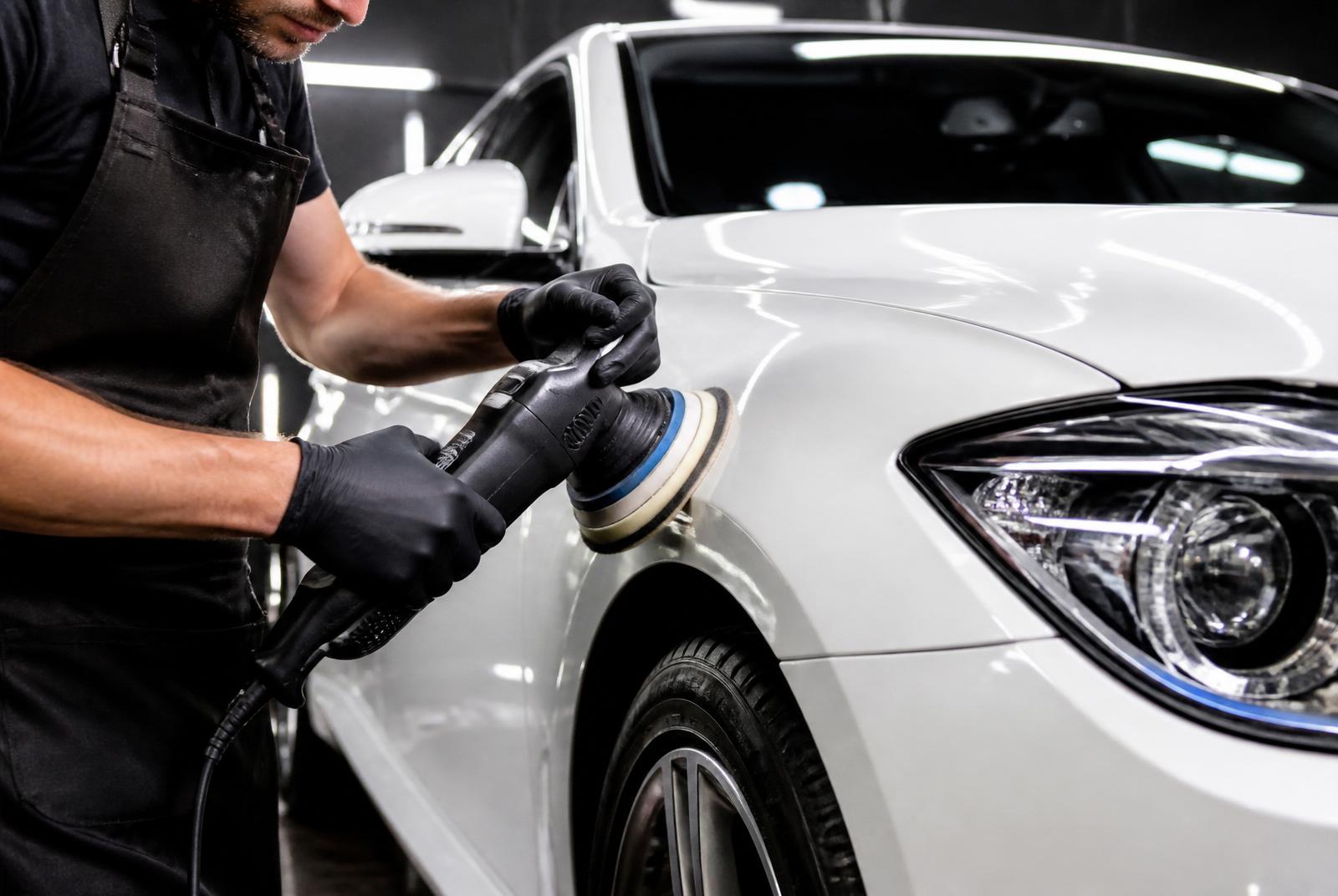
Car Grooming Auckland: What to Expect From a Professional Service.
Professional car grooming in Auckland should be systematic, safe for modern finishes, and matched to how you use your vehicle. This guide explains the typical process, options, timeframes and pricing.

How to Prepare Your Car for a Professional Detail.
Preparing your car for detailing does not mean cleaning it fully beforehand. A few practical steps help your detailer inspect, clean and protect your vehicle properly.
Common Car Detailing Myths, Debunked.
Car detailing myths can lead to poor washing habits, wasted money and avoidable paint damage. This guide explains what is true, what is not, and how to care for your vehicle in Auckland conditions.